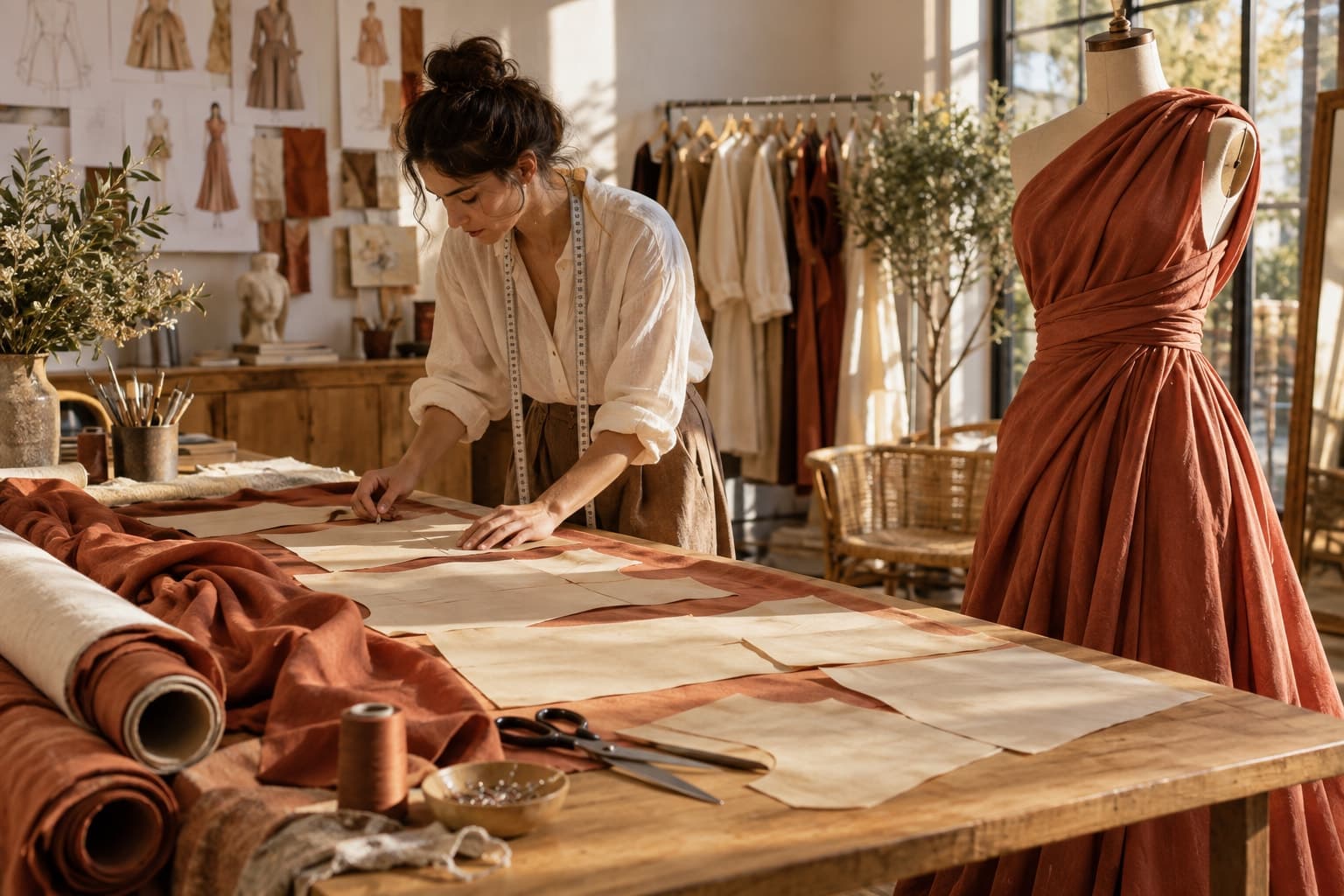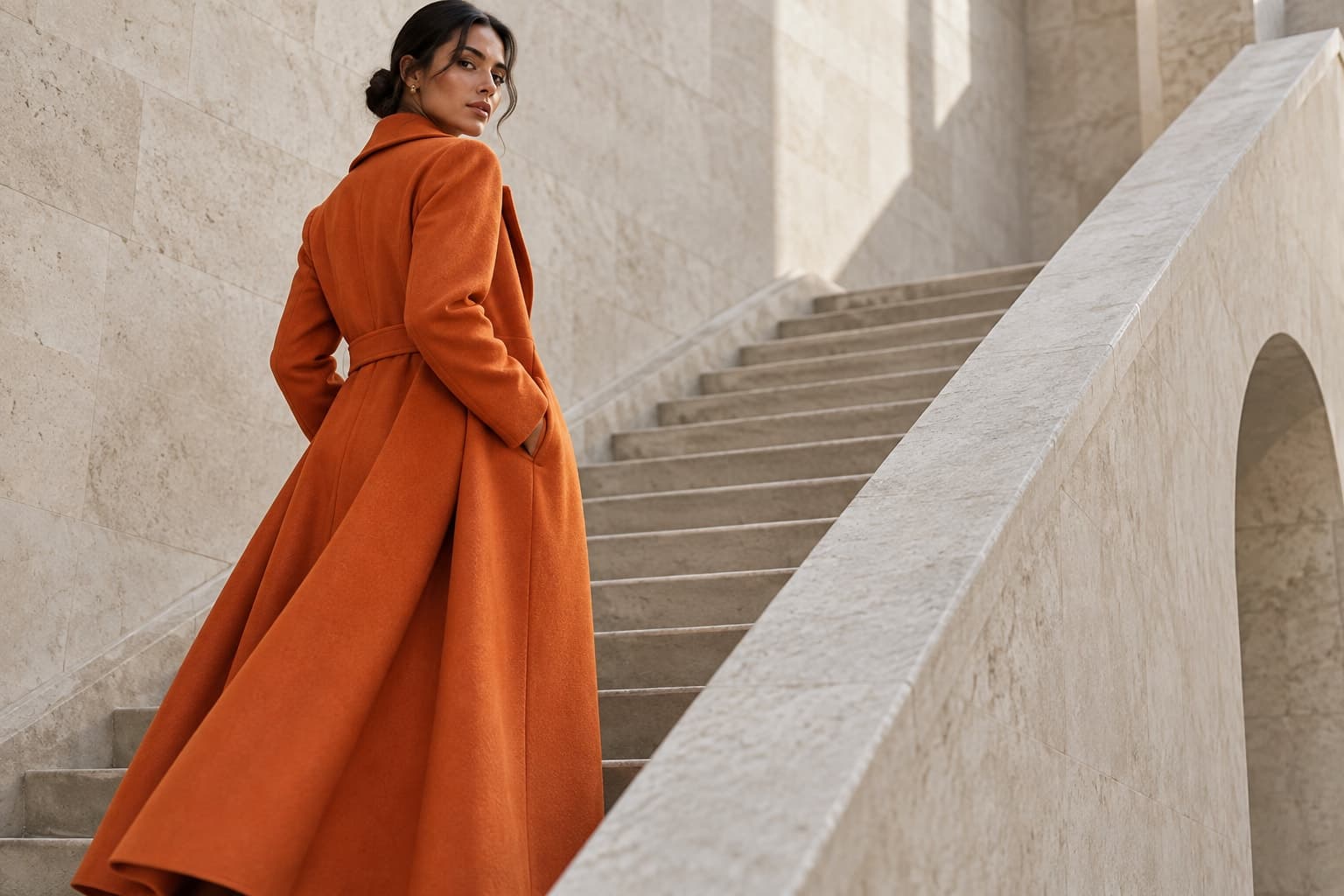
Learn what changes when an image must represent a particular garment rather than invent an appealing fashion scene.
The starting point
An image can be an excellent piece of visual exploration without being ready to sell a product. It may establish a mood, suggest a silhouette, or help a team discover a colour relationship. A product image carries another responsibility: it must remain tied to the particular item the customer can buy.
When comparing creative image tools and product-focused workflows, make that responsibility explicit. Avoid judging everything through the same gallery of striking examples. The evaluation should change with the intended use, while current provider capabilities and terms should be checked at the time of purchase.
Judge a concept by the conversation it enables
A concept image can be useful even when no part of it is ready for production. Ask whether it helps the team choose a setting, styling direction, or composition. Annotate the qualities you want to explore rather than treating the entire image as a design specification.
For a hypothetical autumn collection, an image might suggest muted light, a broad architectural frame, and a restrained colour palette. Those qualities can inform a brief without copying the composition or assuming the imagined clothes can be manufactured as shown. Keep the concept folder separate from approved product assets.
Judge a product image against a reference
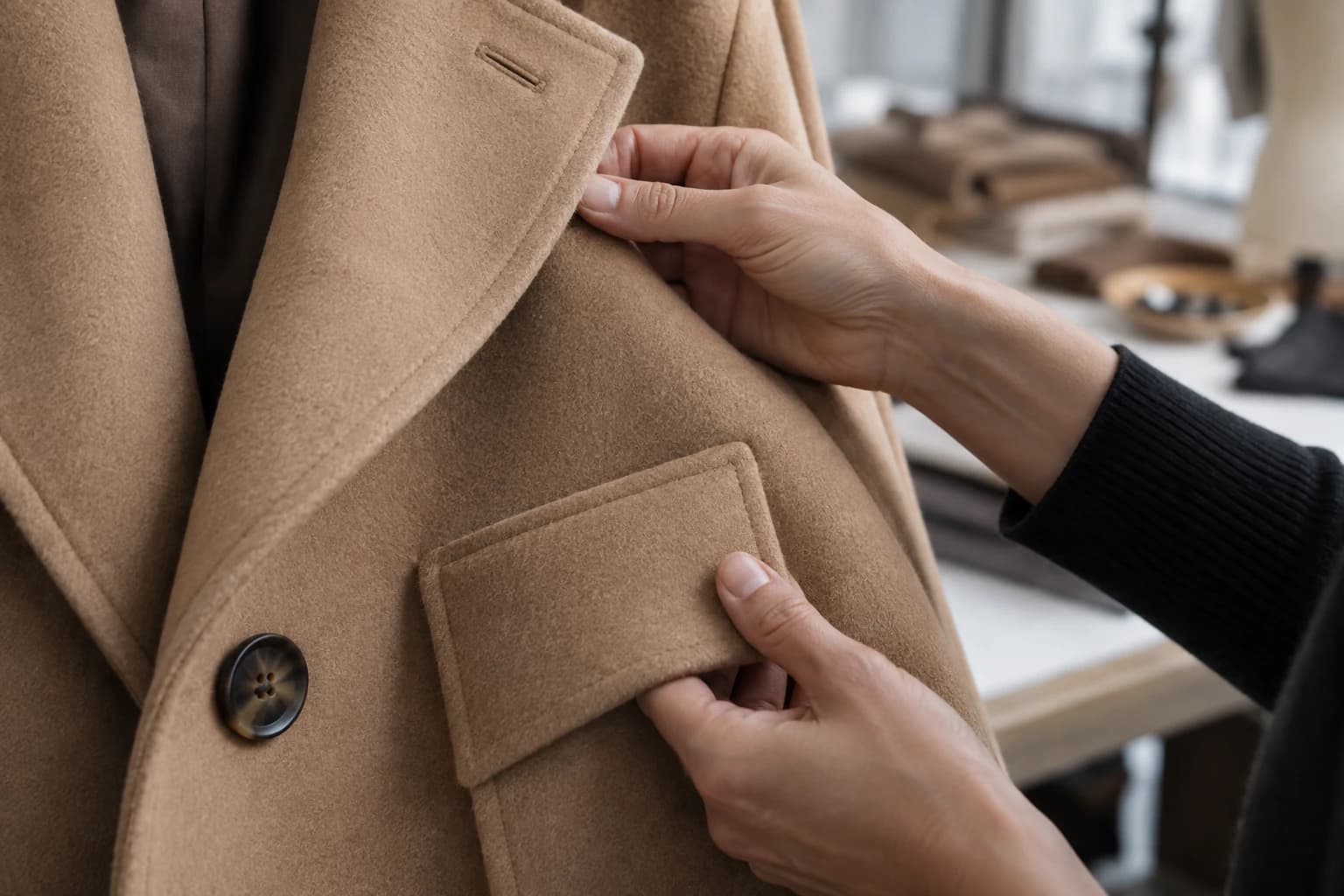
Once a real garment is the subject, inspect its specific details. Count the pockets, compare the neckline, follow the print, and examine the hem. A picture of a convincing coat is insufficient if your coat has a different closure or proportion. The reference should remain visible throughout review.
Use more than one source view when the task needs it. A front photograph cannot explain an unseen back panel. If the workflow cannot preserve a feature confidently, change the method or use direct photography for that view. A clear limitation is easier to manage than a plausible invention that reaches the storefront.
Test consistency as a separate skill
Produce a small set under one brief. Hold framing, lighting, and styling rules steady, then compare the images side by side. This tests whether the process can create a collection rather than a series of unrelated successes. Record the effort required to reach that consistency.
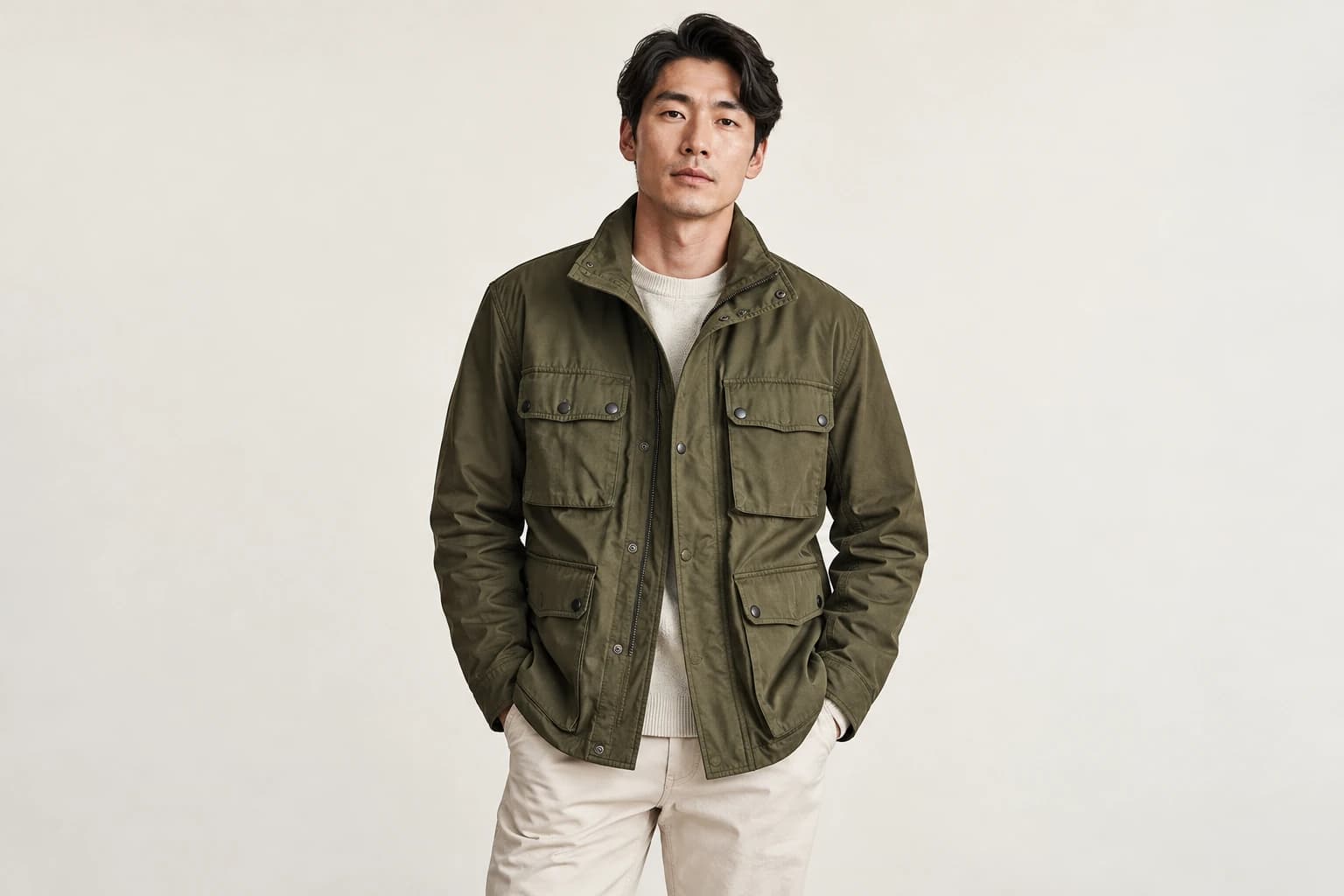
Ask for a correction after the first review. Does changing the setting preserve the garment? Can an approved crop be retained while a local issue is fixed? The answer affects production effort more directly than the number of styles a tool can demonstrate in promotional examples.
Keep imagination in the process
Strict product checks do not require dull imagery. The scene, pose, light, and sequence can still express a point of view. The useful boundary is between creative presentation and altered product identity. Make that boundary visible in the brief so the operator knows where experimentation is welcome.
Decide where each tool or method belongs after the trial. A concept generator might help the team develop direction, while another workflow handles approved product views. A photographer may supply the source references and the difficult details. These contributions can form one coherent production process.
Archive the creative brief, the product references, and the approved results together. When the collection expands, the team can recover both the intention and the evidence behind it. The goal is an image that holds up twice: first as something worth looking at, and then as a dependable representation of the garment.