From shop catalog to first campaign
Bring a small, deliberate product selection into the studio. Keep the SKUs, review the source images, and start with one sample.
Loading page…
Better inputs. More deliberate images.
Practical notes for turning your products into a campaign worth keeping.
Set the product, casting, light, composition, and approval rules before generating a fashion image.
Read the guide · 3 min110 practical guides · Made for merchants
Explore themes from 2023–2026. Article dates show when each guide was written, not the year of its retrospective theme.
Bring a small, deliberate product selection into the studio. Keep the SKUs, review the source images, and start with one sample.
A practical review sequence for silhouette, seams, color and small details—before an on-model image becomes a customer-facing asset.
Build a repeatable bulk review process: choose a representative SKU, test the direction, and keep the decisions that matter close to each result.
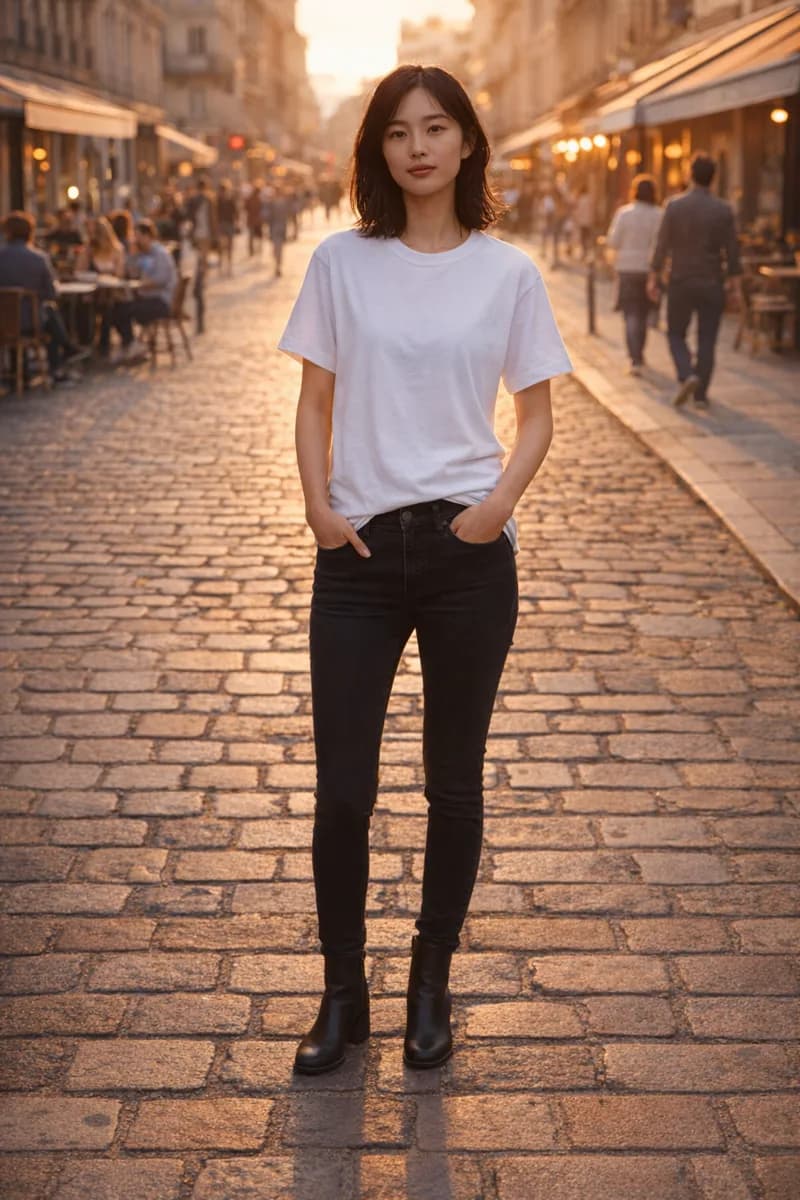
How to brief a creator-style still with believable scale, clear hands and a product customers can actually recognize.
A short framework for subject, setting, light and composition, with a review checklist that is more useful than a page of adjectives.
Plan a short, silent product sequence from approved images and clips, with deliberate pacing and an honest distinction between assembly and AI motion.
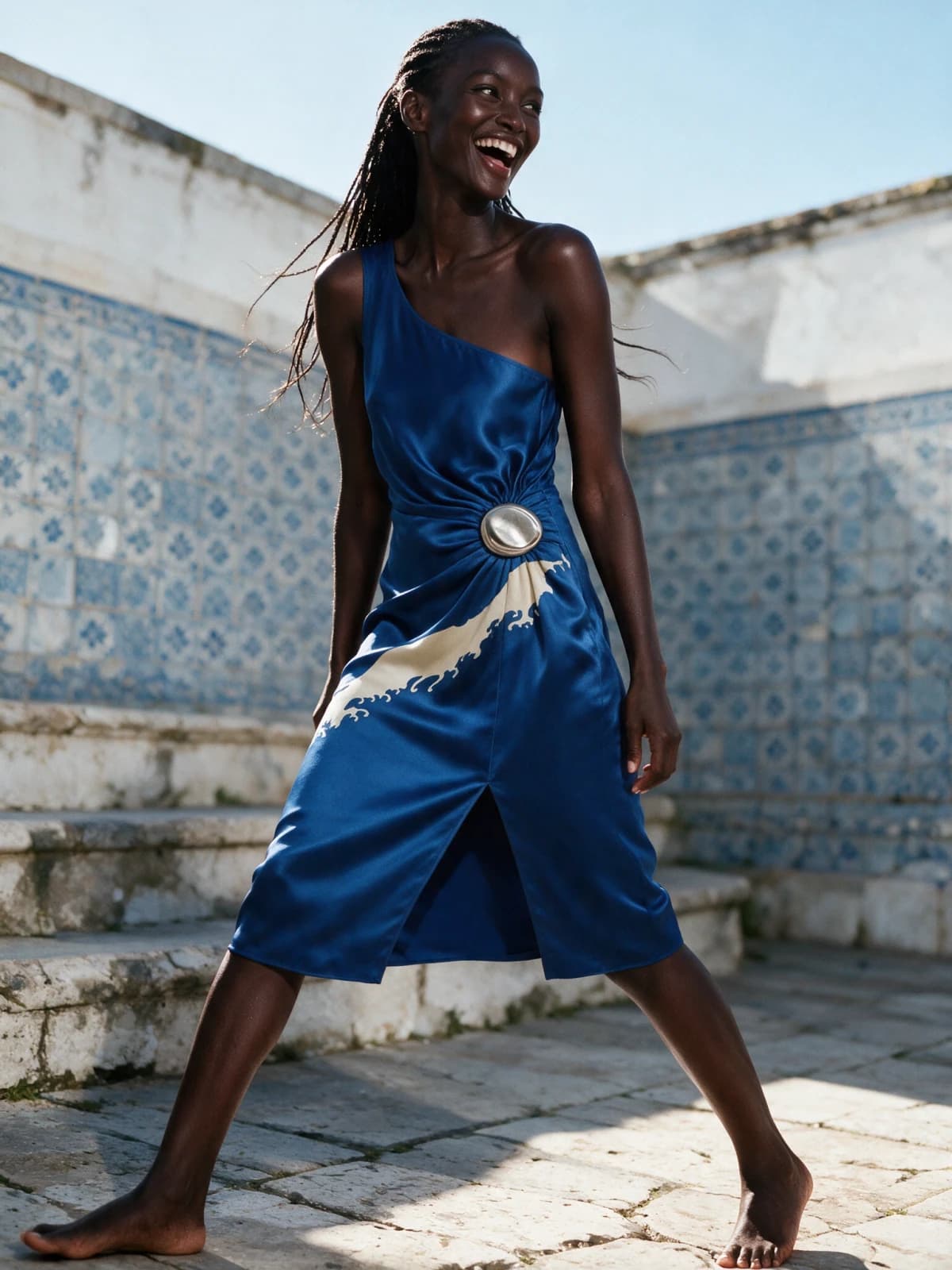
Plan dress imagery around the neckline, waist and complete hem, from a clear first sample to a considered collection.
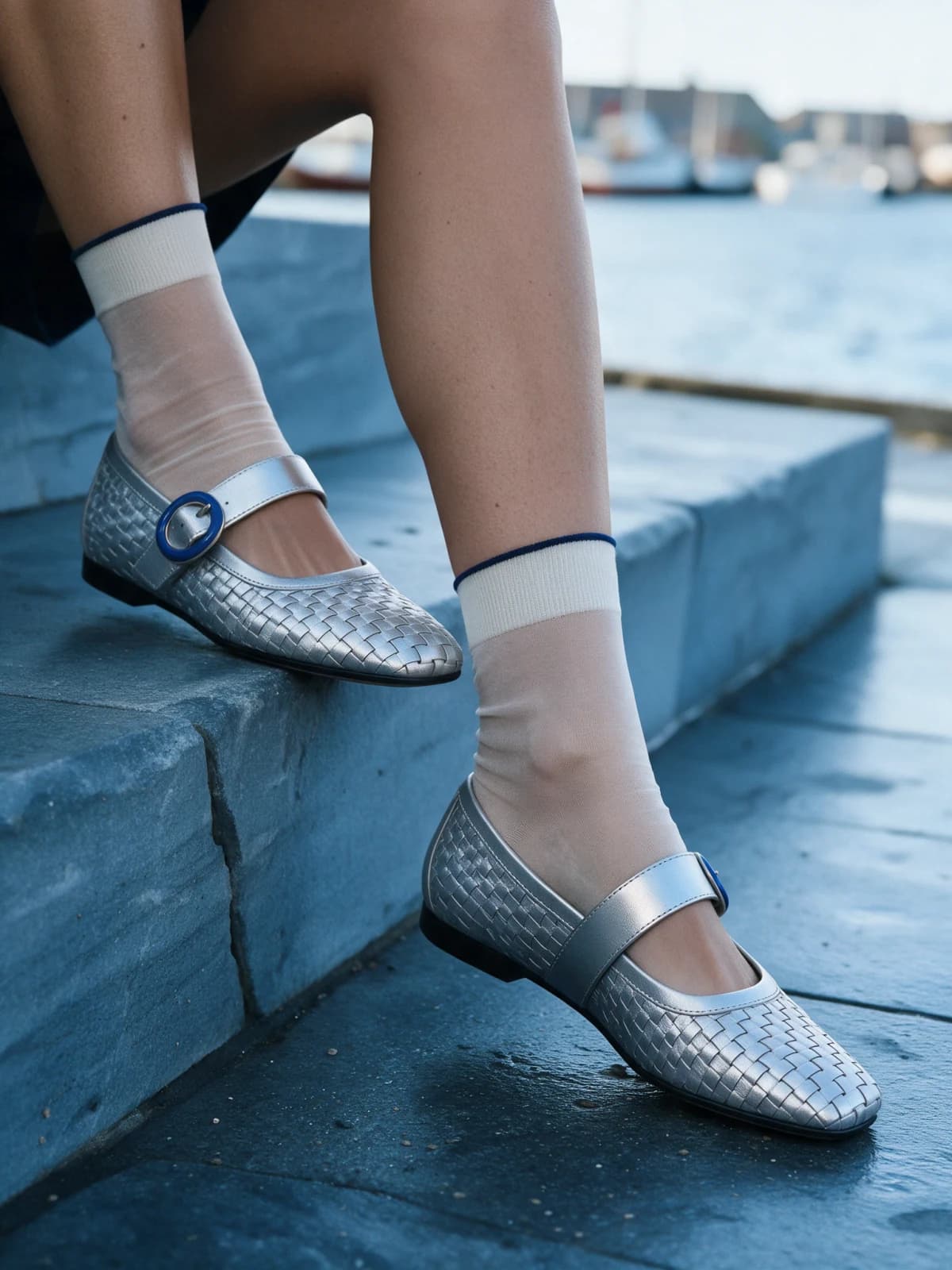
Make footwear recognizable through its profile, sole and fastening, with product-first directions ready to edit.
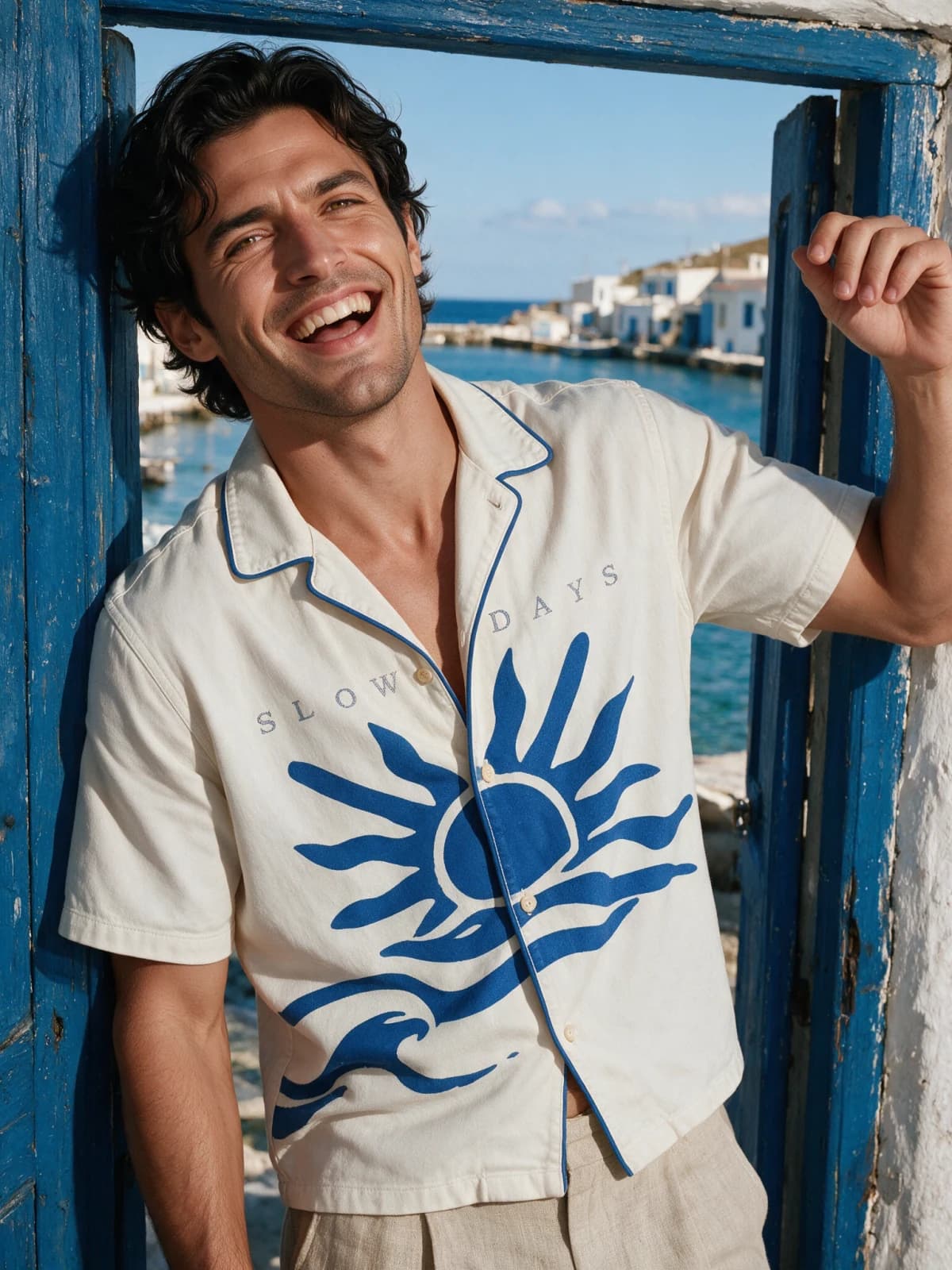
Create shirt imagery that keeps the collar, placket, cuff and fabric pattern central to the review.
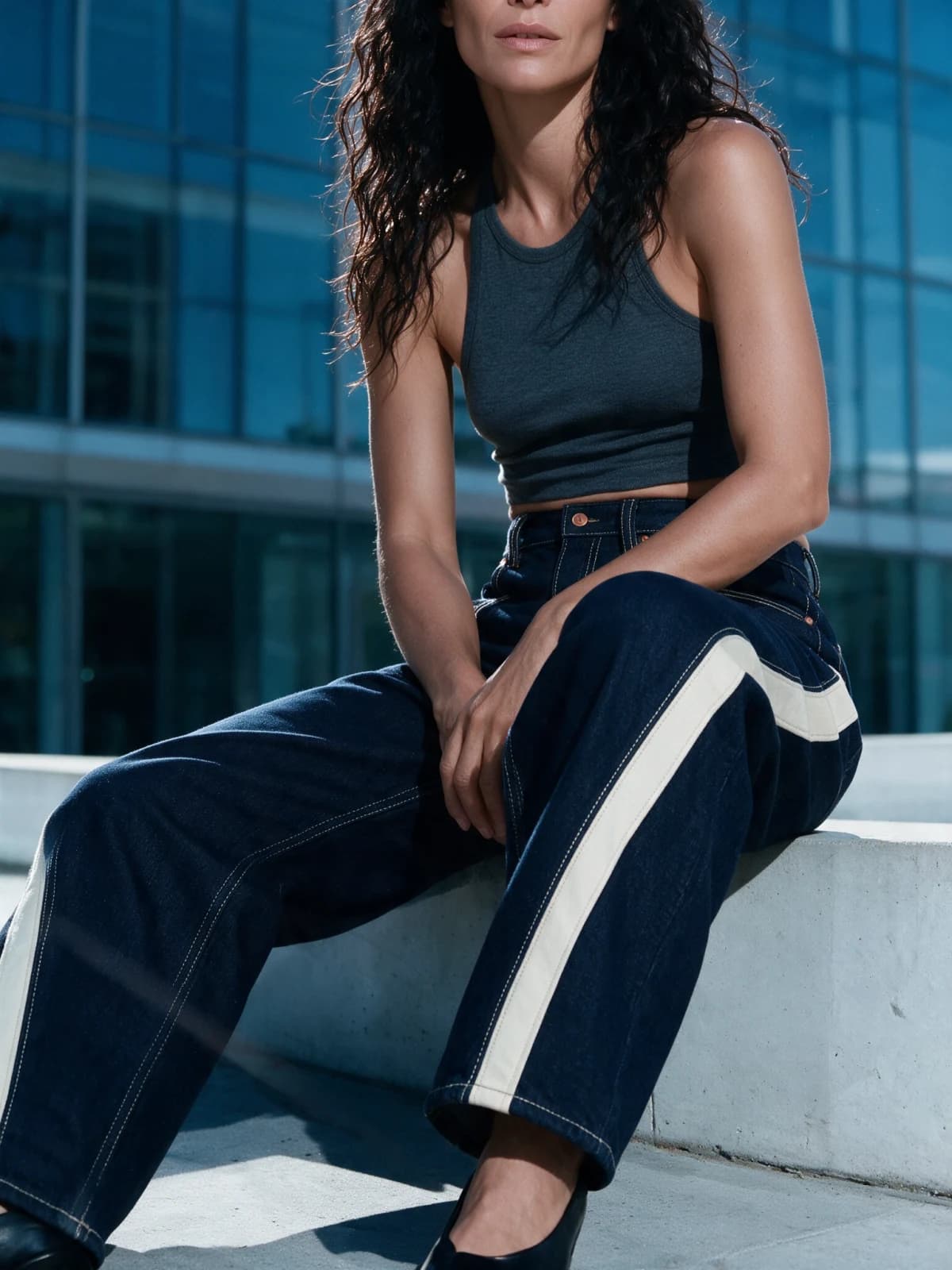
Build trouser imagery around rise, leg shape, pockets and hem, with a full-length product view as the starting point.
Direct suit imagery with clear lapels, jacket length and trouser proportions, then inspect the complete ensemble.
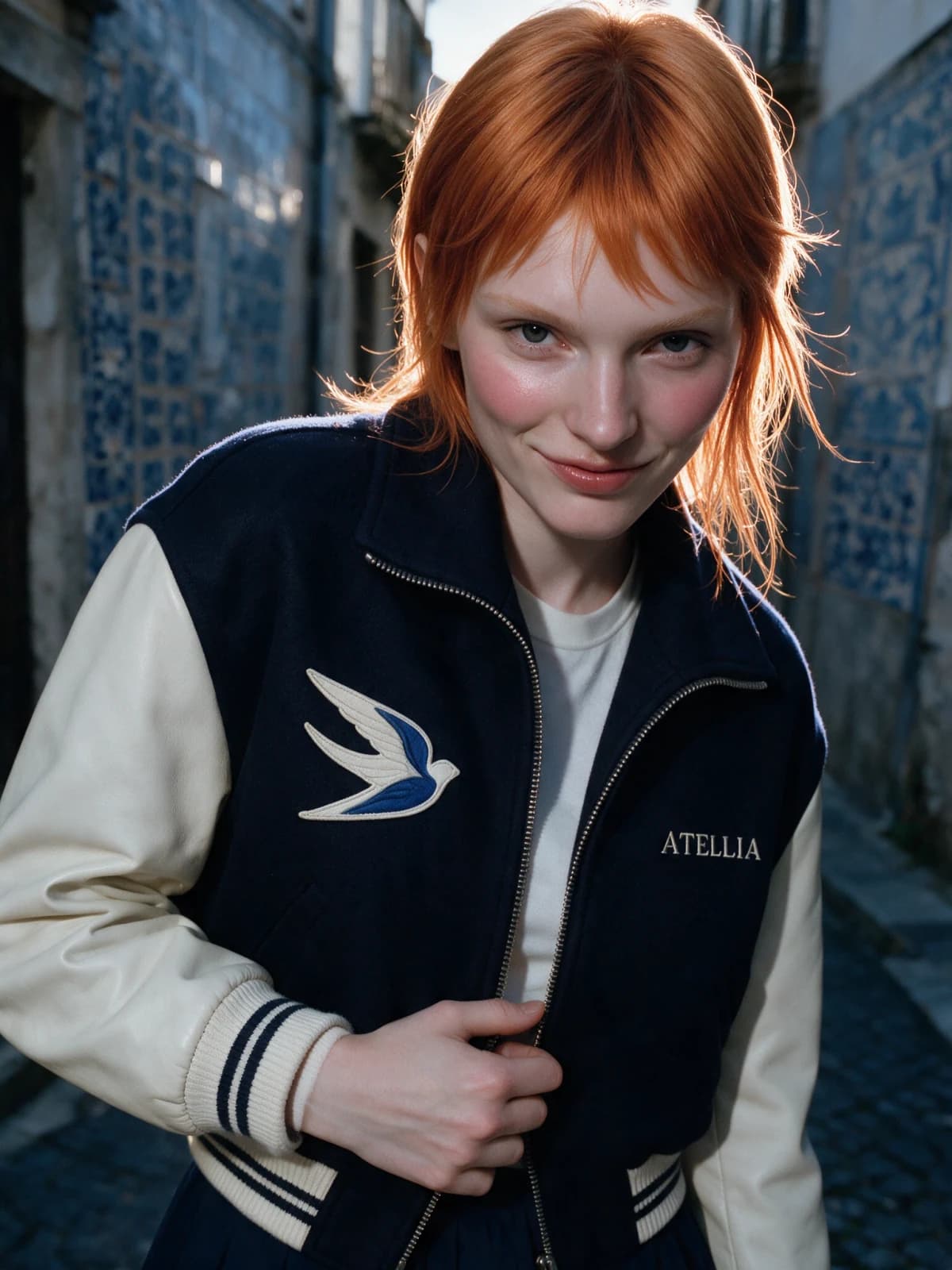
Keep texture, closures and pockets readable while giving a jacket the setting your collection needs.
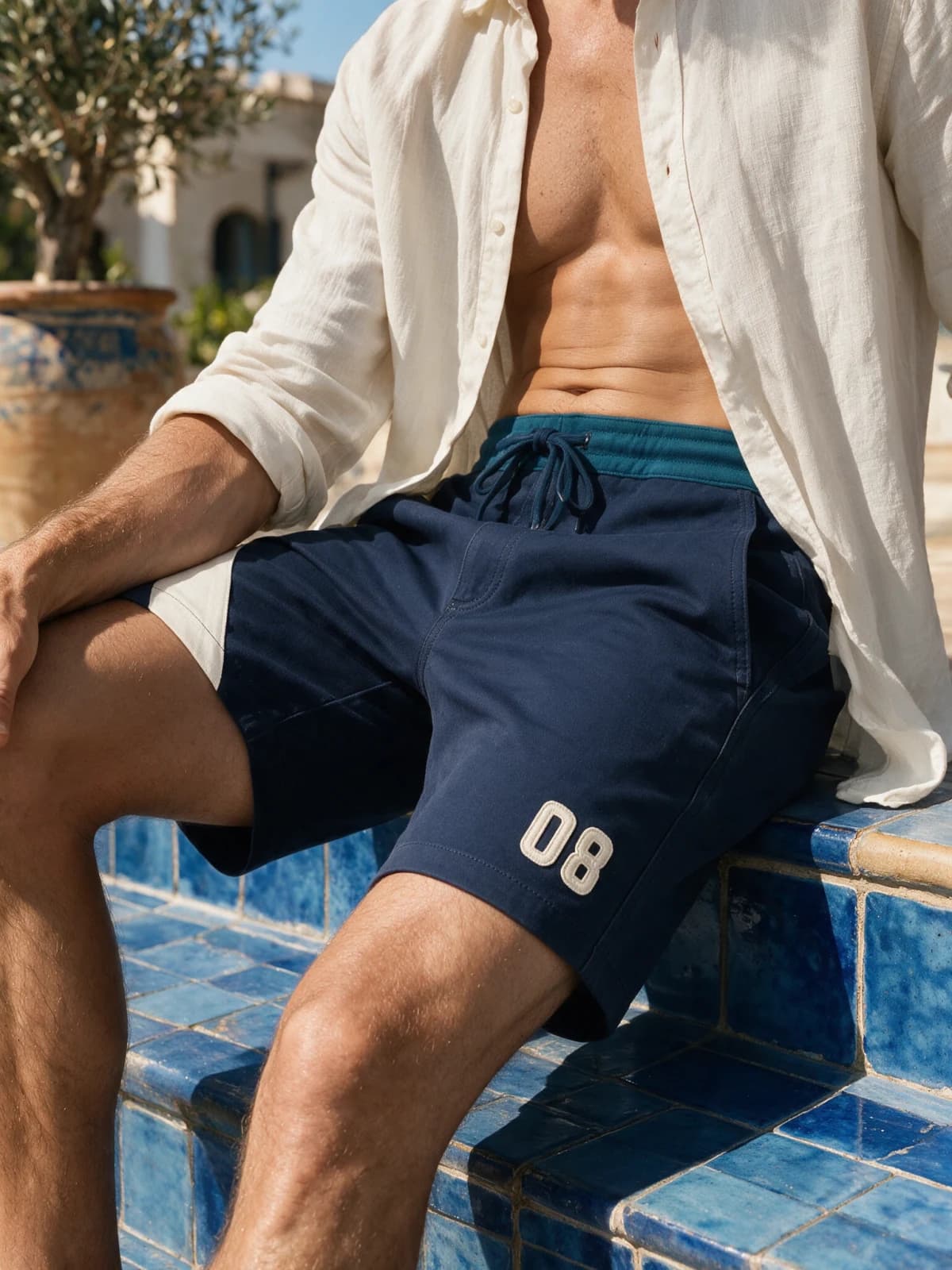
Plan shorts imagery around rise, pocket placement and the full leg opening, with purposeful summer styling.
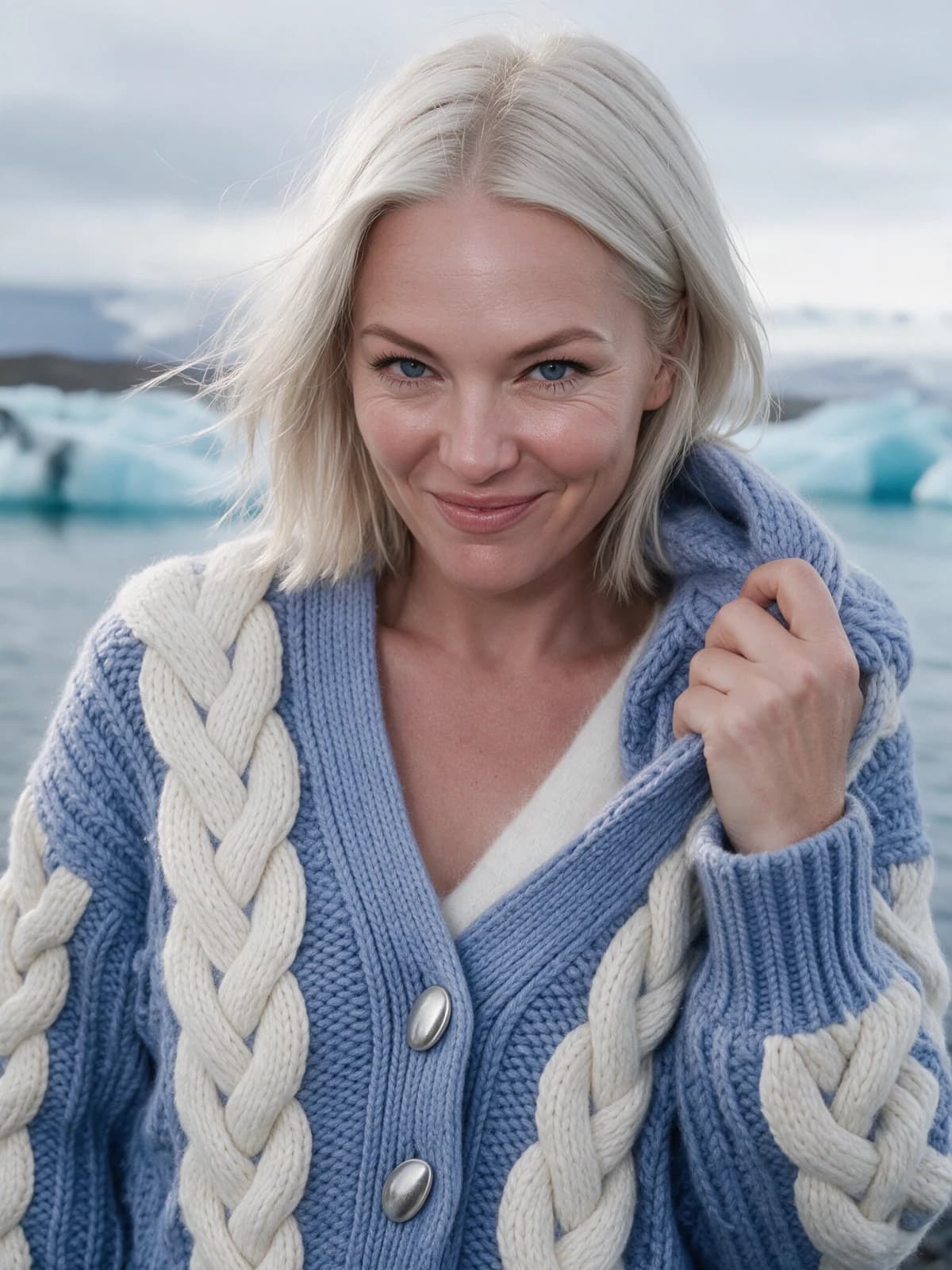
Give knit structure, ribbing and garment shape a clear place in the image, without letting atmosphere obscure the product.
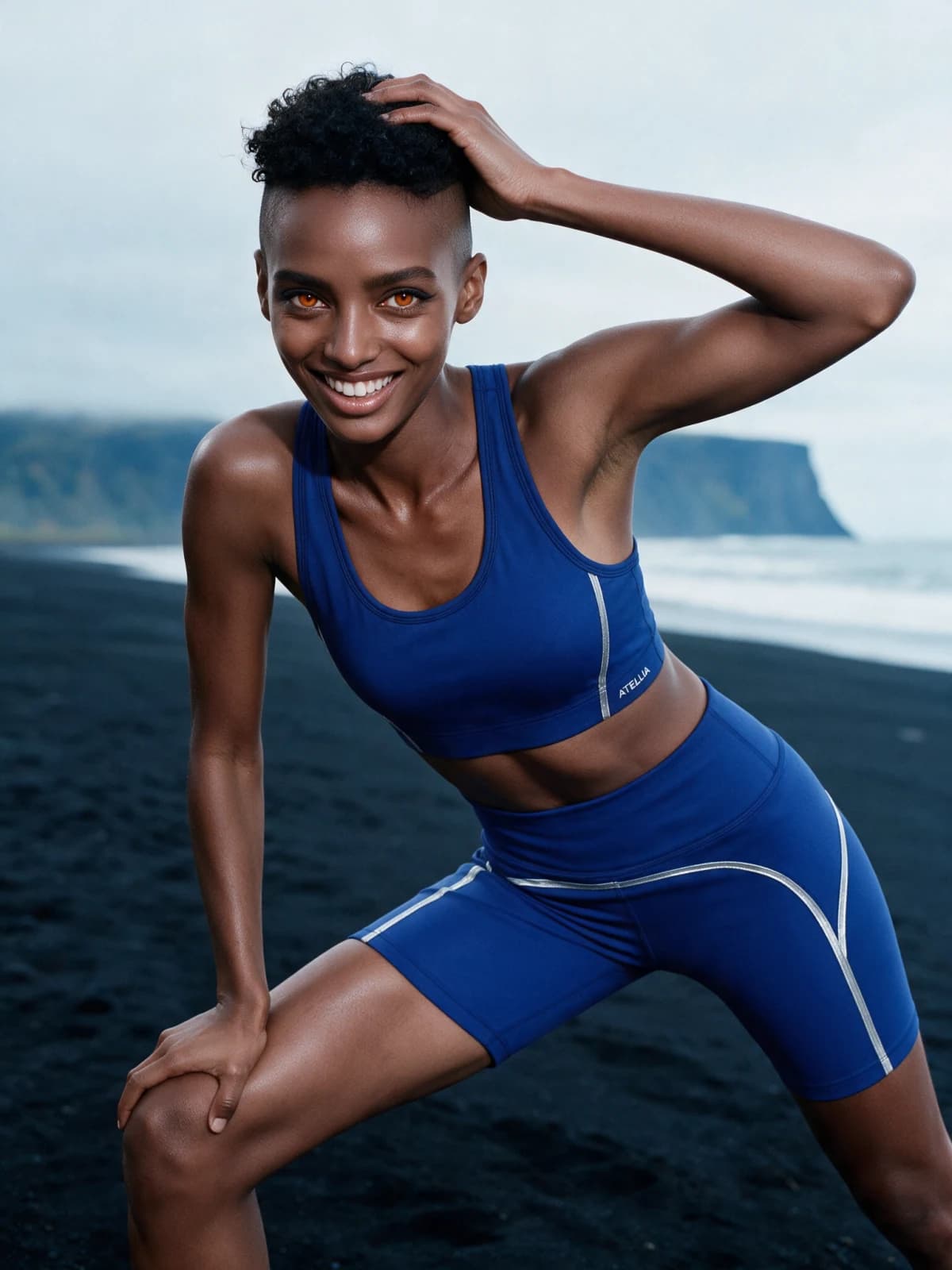
Make activewear images with visible seams, panels and proportions, then review them as product imagery rather than performance evidence.
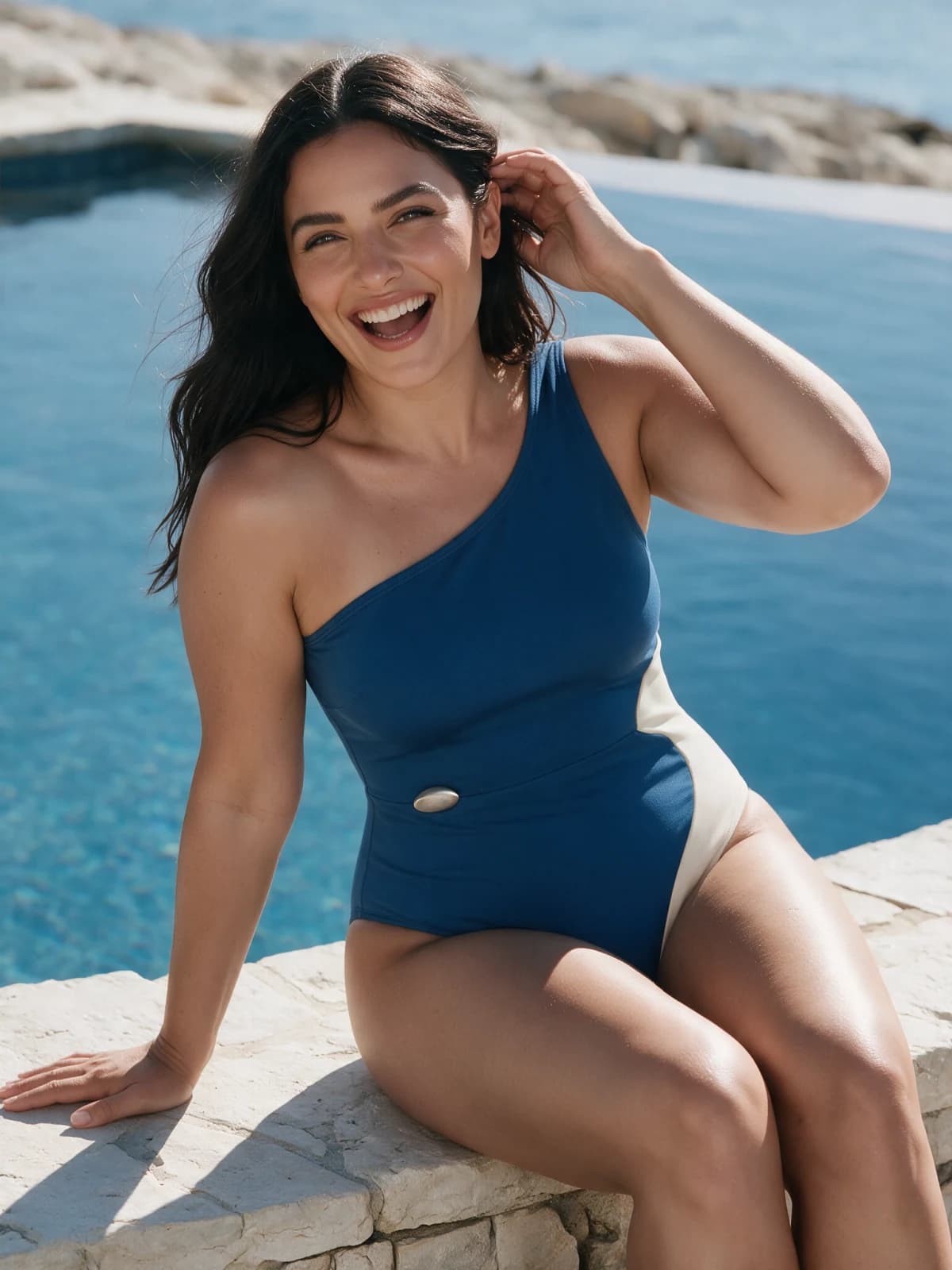
Direct swimwear imagery around straps, seams and garment coverage, with tasteful adult styling and full-frame composition.
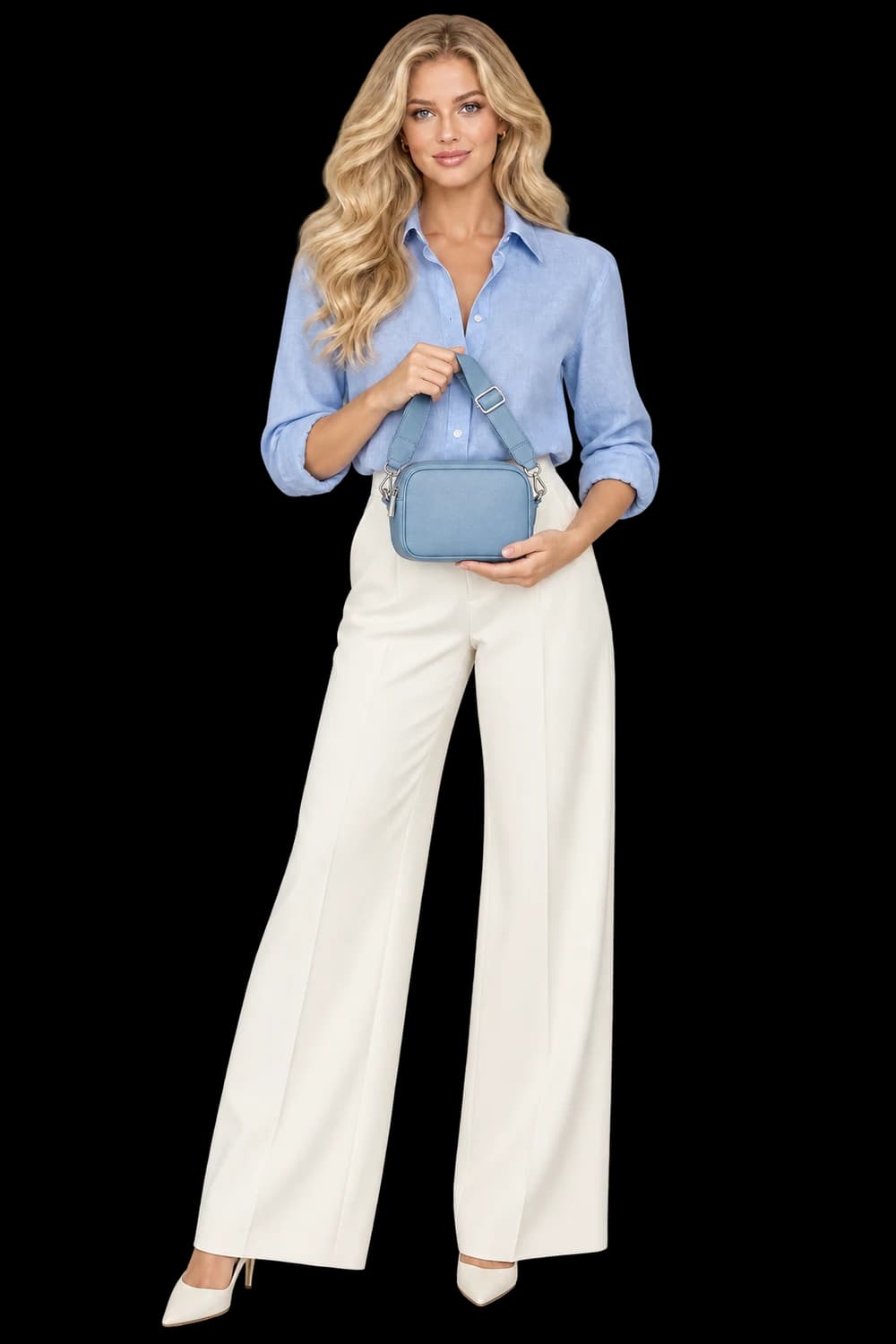
Create bag imagery that keeps the silhouette, handle and hardware recognizable in a considered campaign setting.
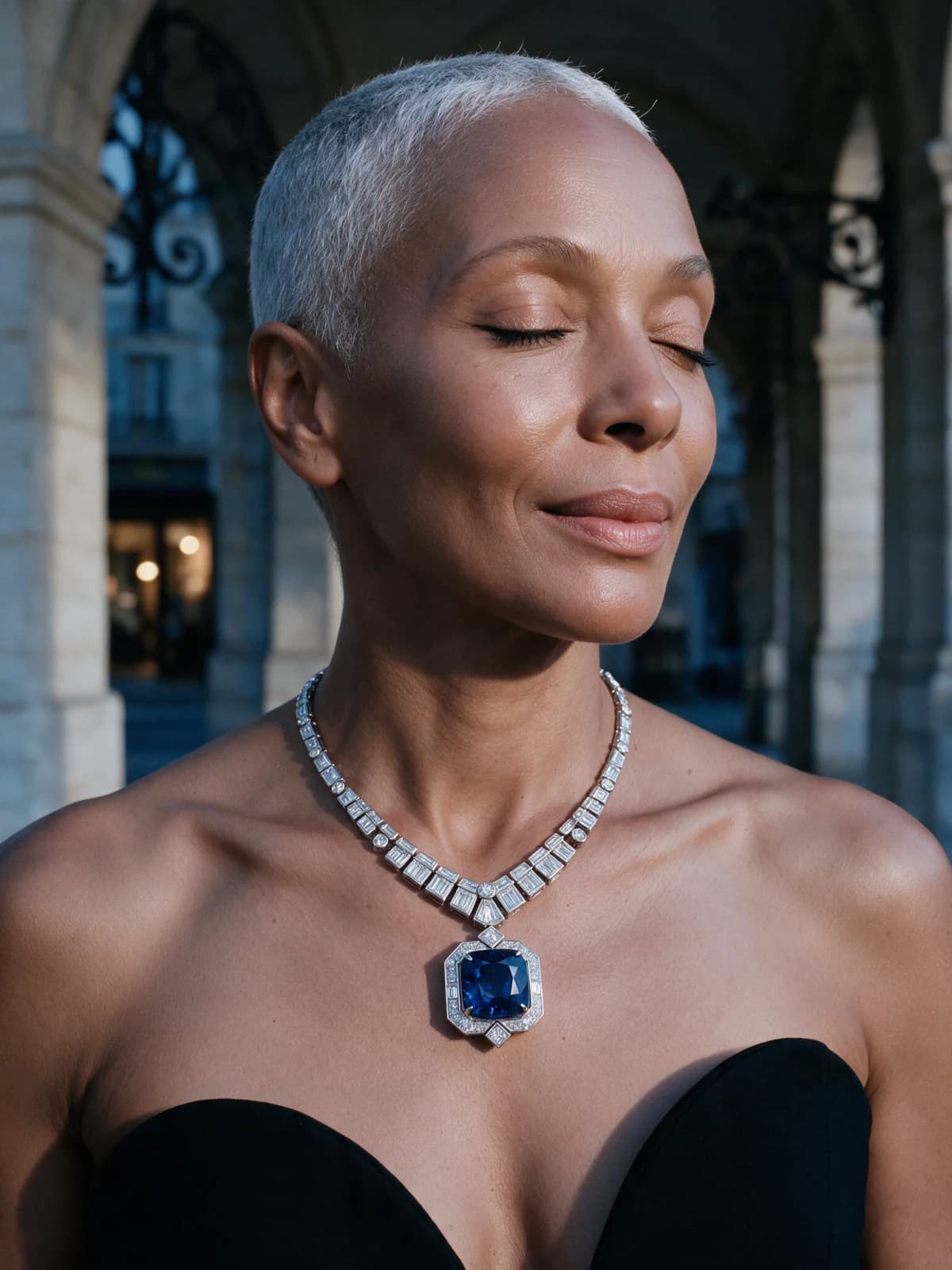
Explore jewelry directions with controlled light and quiet surfaces, then inspect the settings, metal and complete piece.
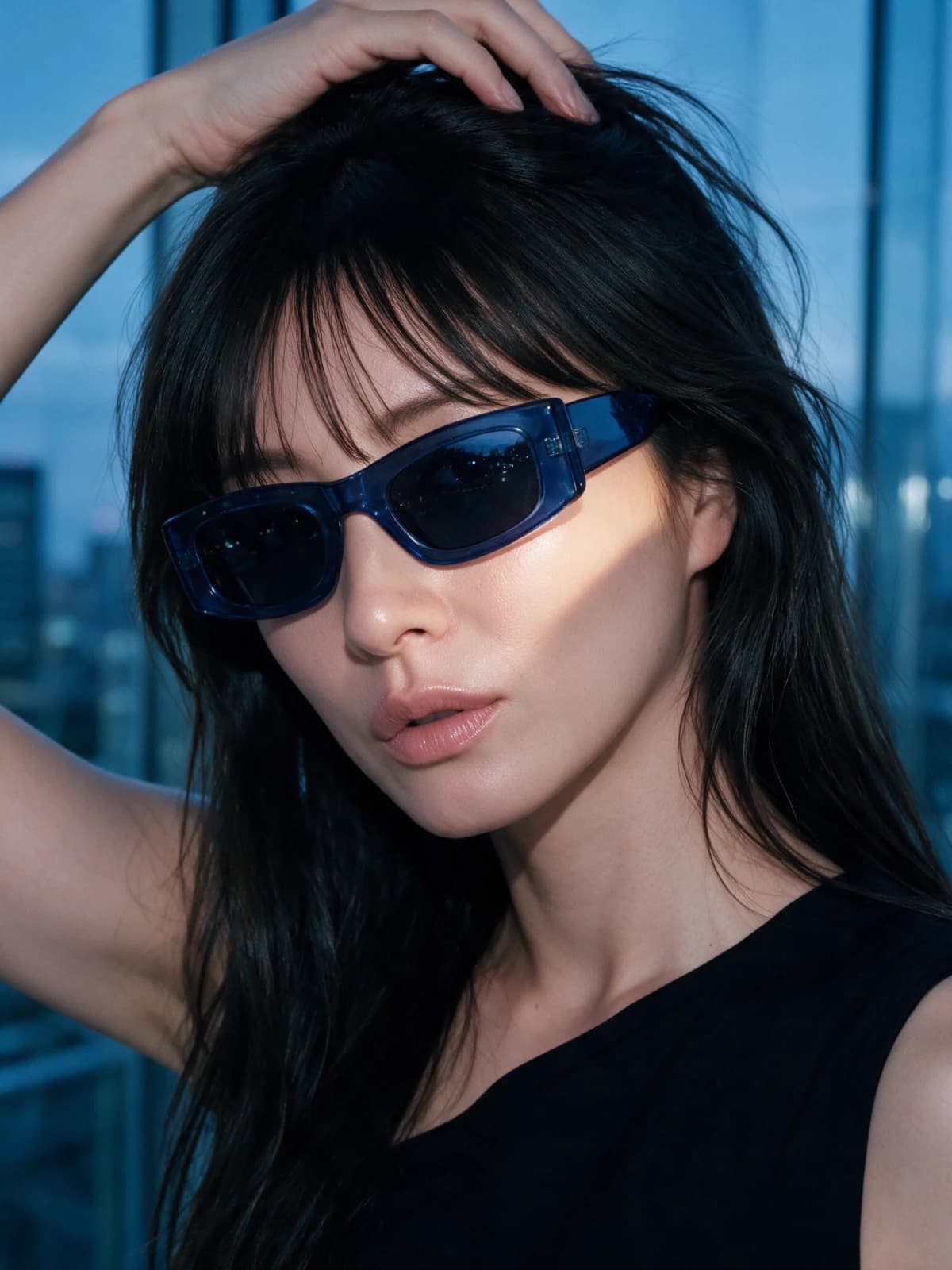
Build eyewear imagery around lens shape, bridge and temples, with explicit directions for optical lenses and sunglasses.
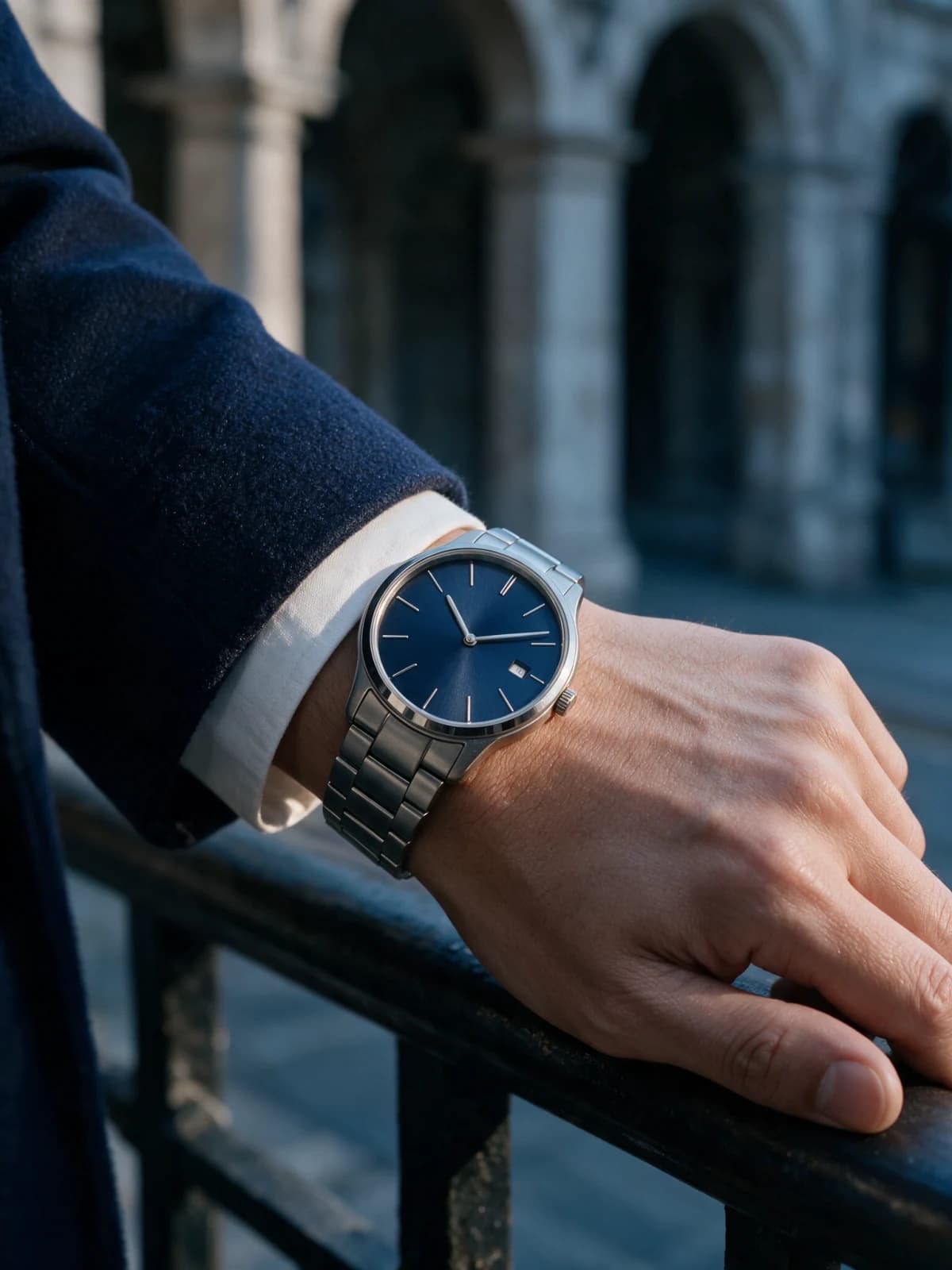
Direct watch imagery with a readable dial, complete case and plausible strap arrangement, then inspect the small details.
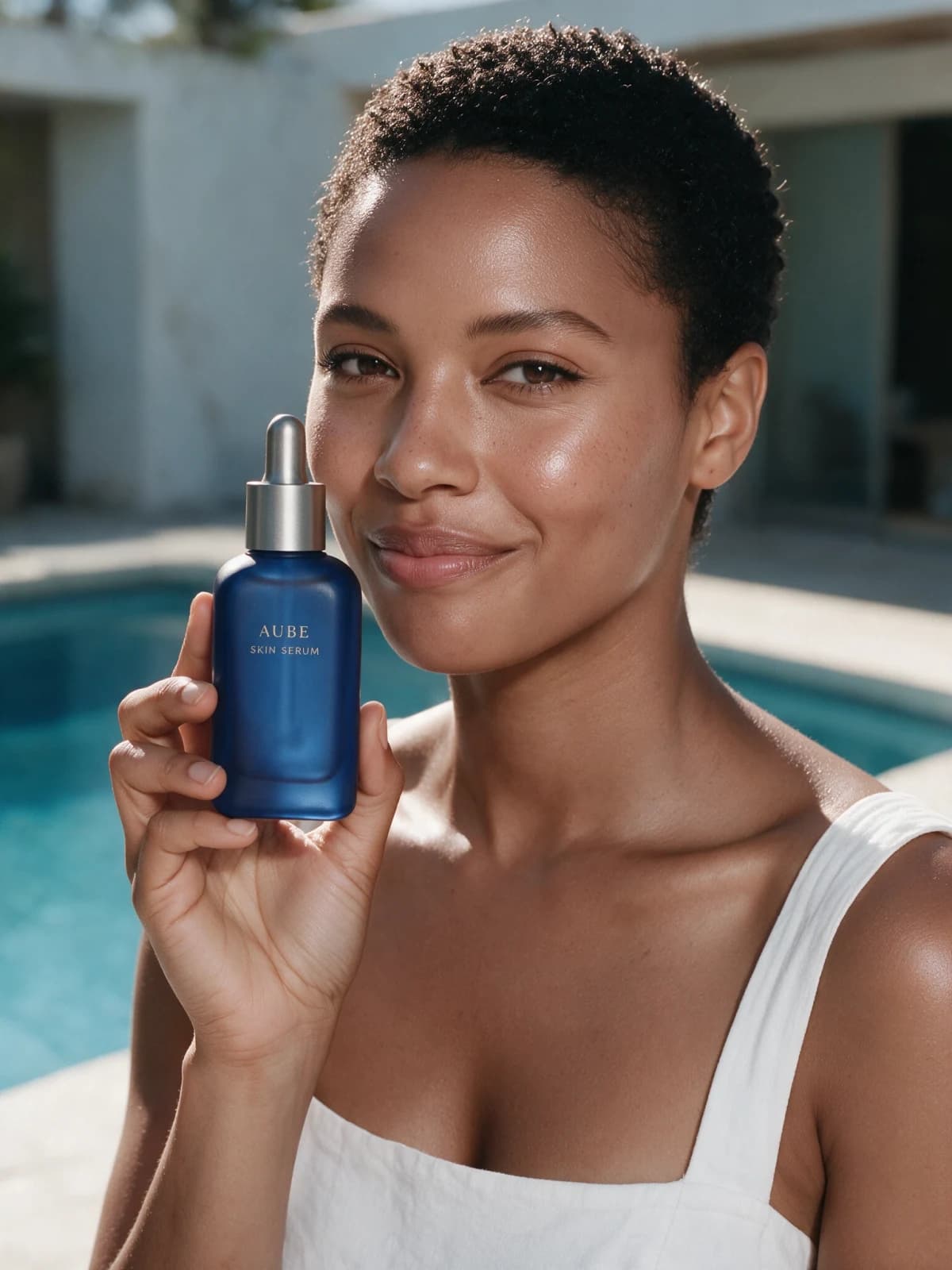
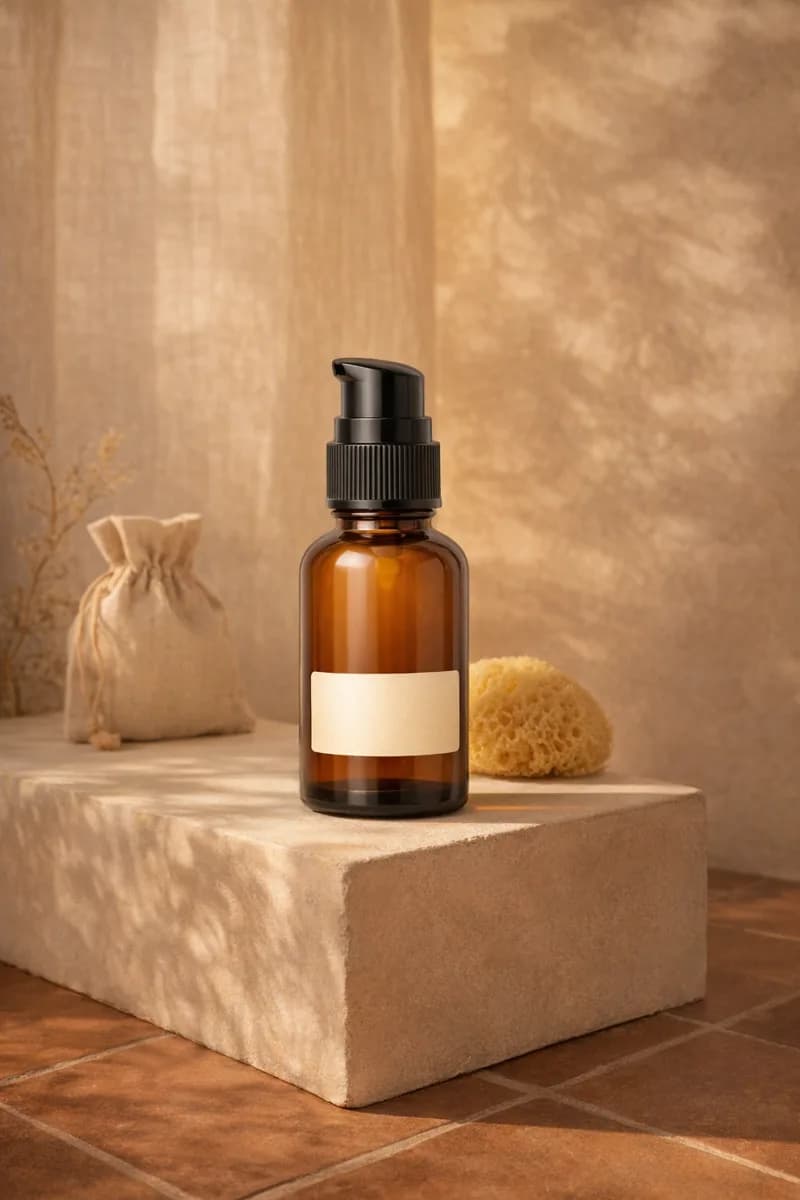
Bring skincare, fragrance and cosmetics into a clear product scene, with labels and dispensers kept in the review.
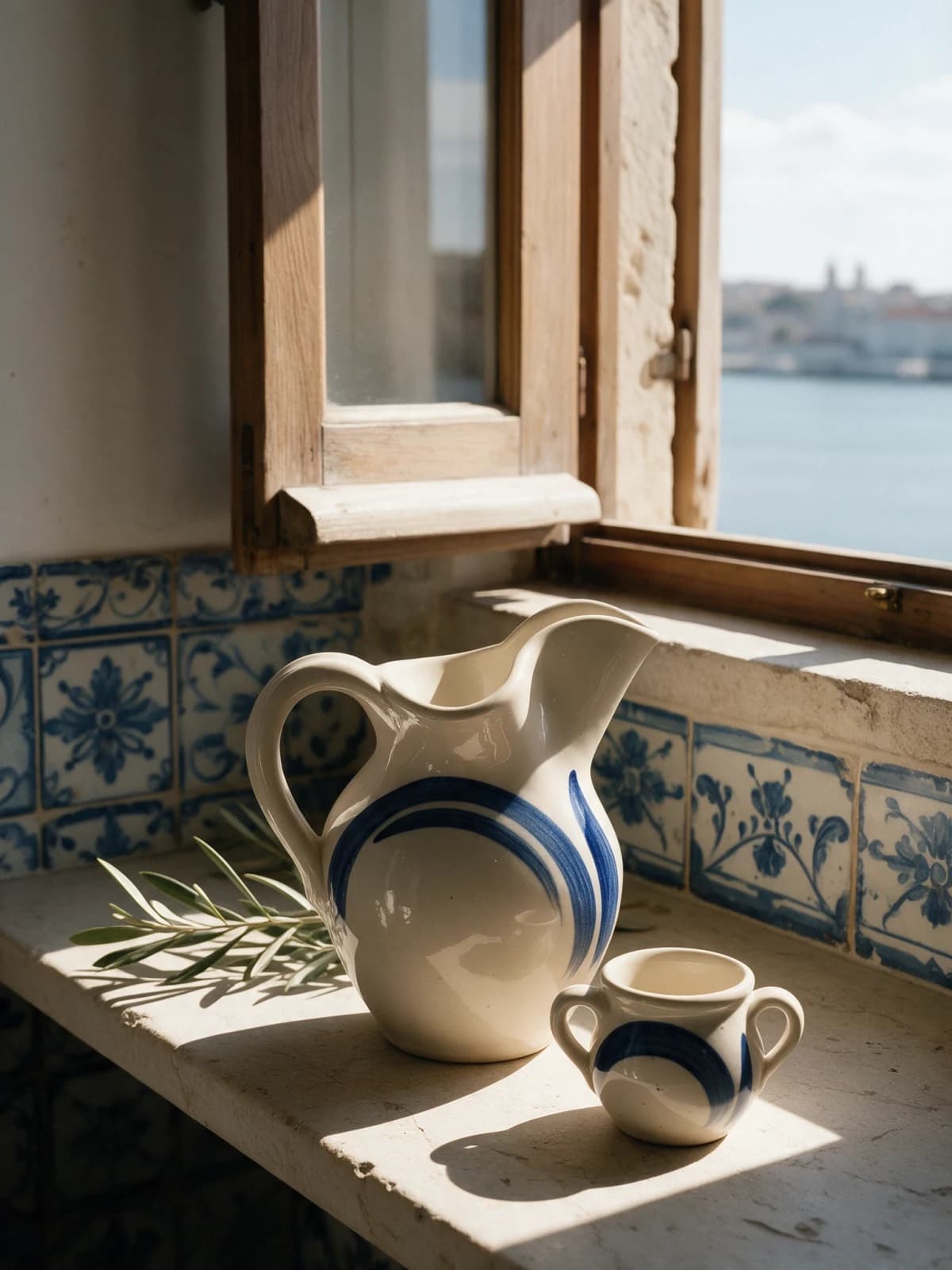
Plan decor imagery with clear material, complete shape and a setting that supports the object rather than competing with it.
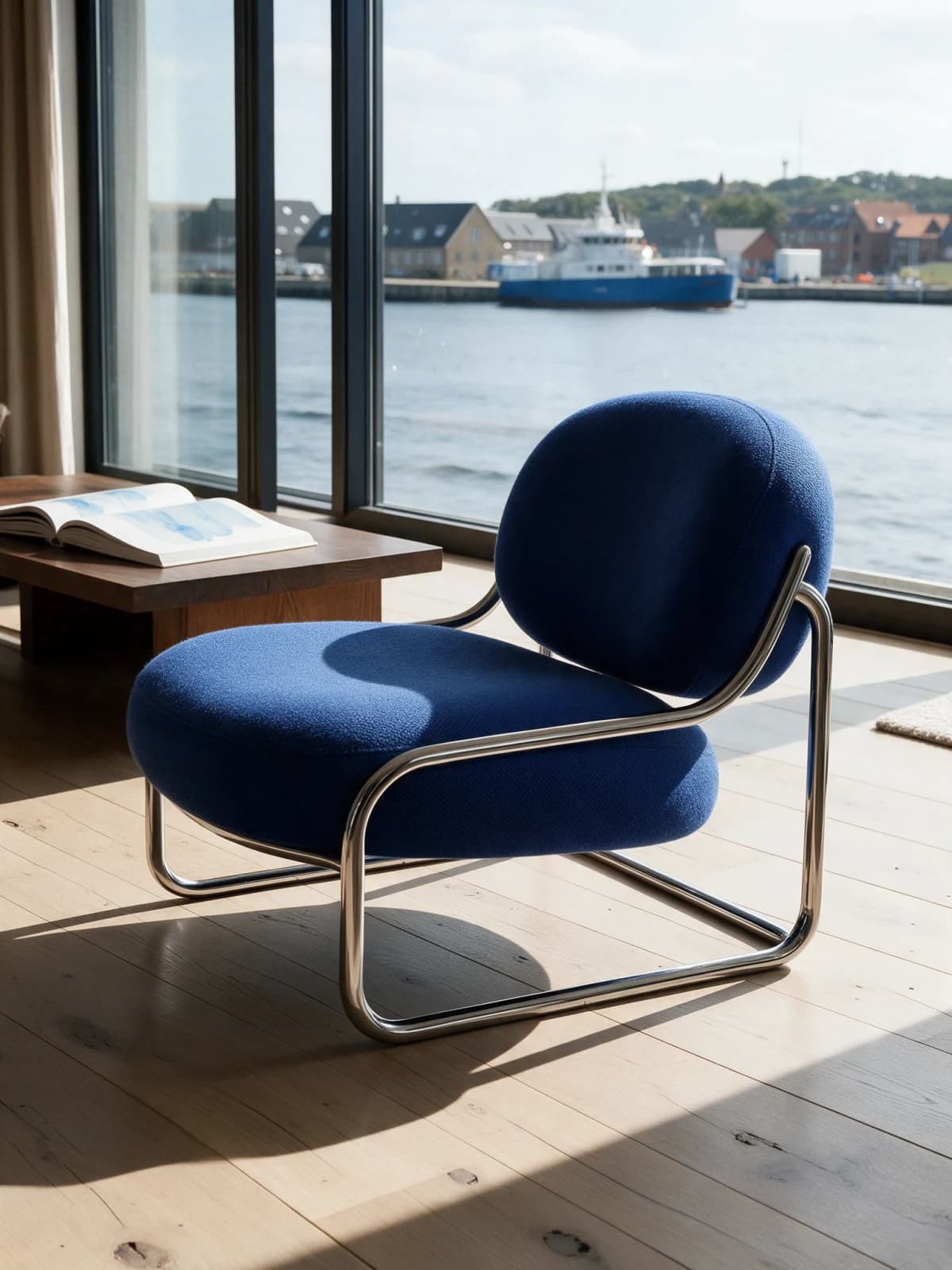
Create furniture directions with complete legs, edges and joinery in view, using an uncluttered setting for the first sample.
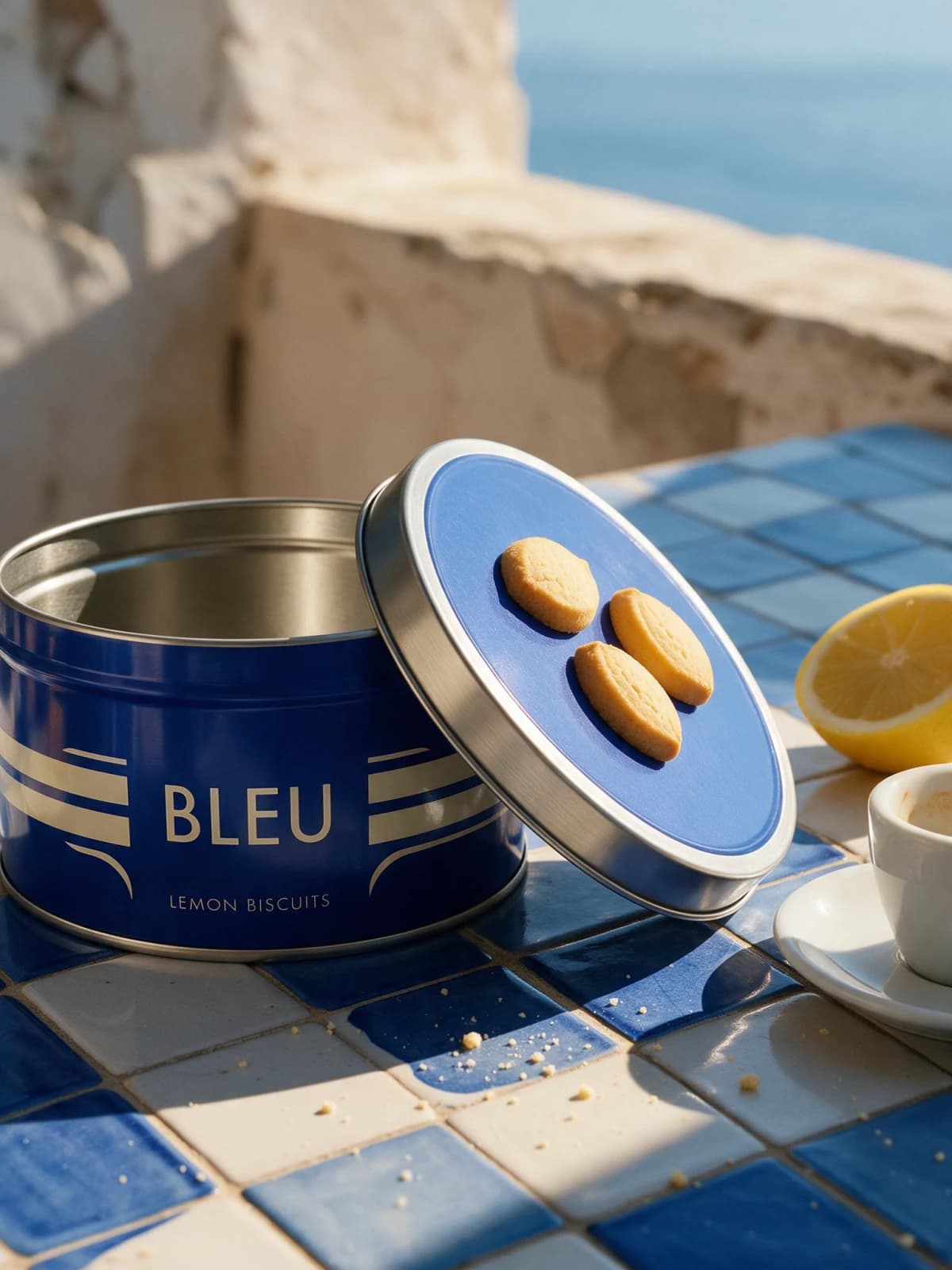
Create clear food and beverage compositions while preserving packaging, visible contents and an honest product story.
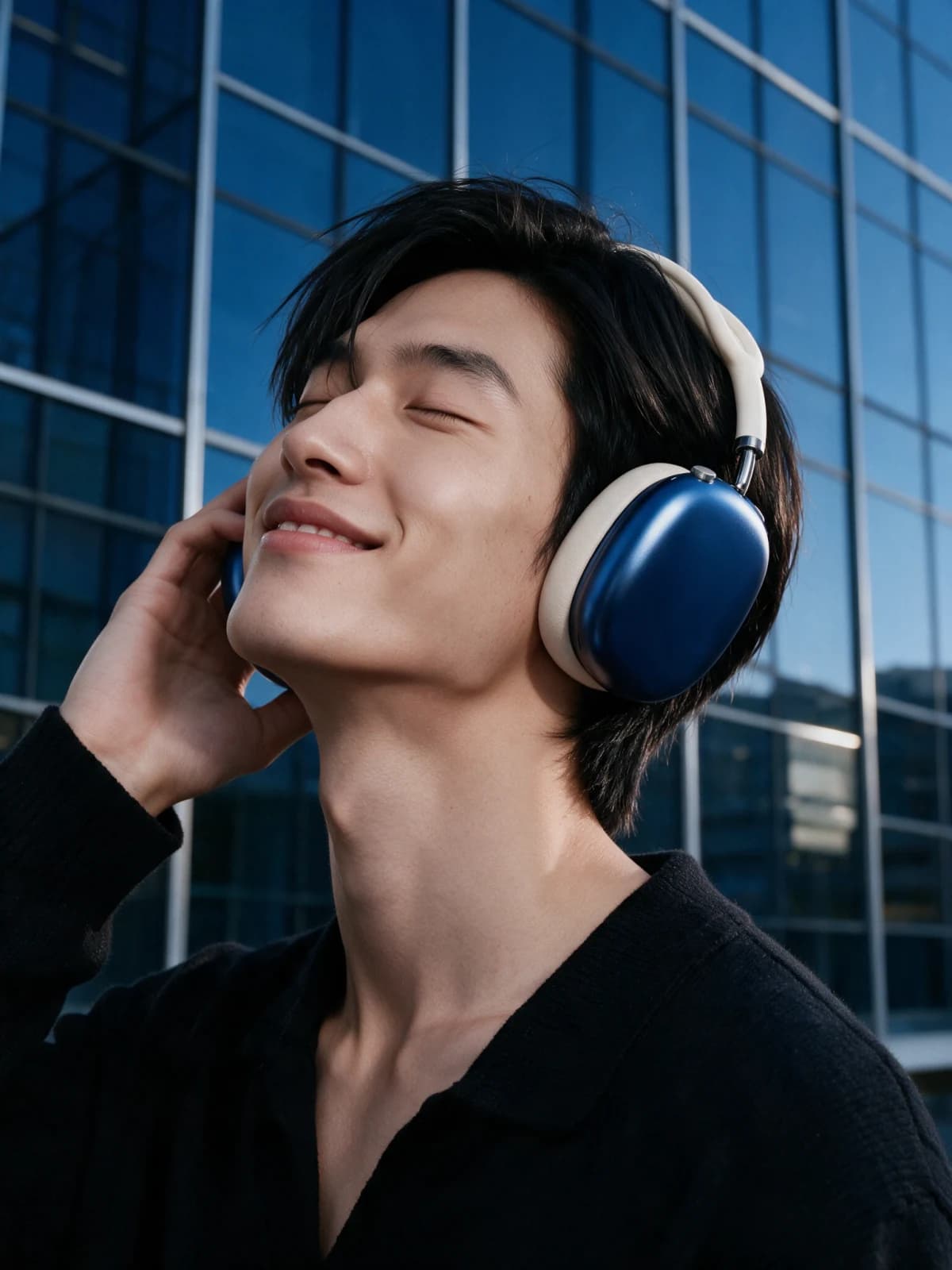
Plan device photography around readable controls, complete edges and realistic surfaces, without inventing features.
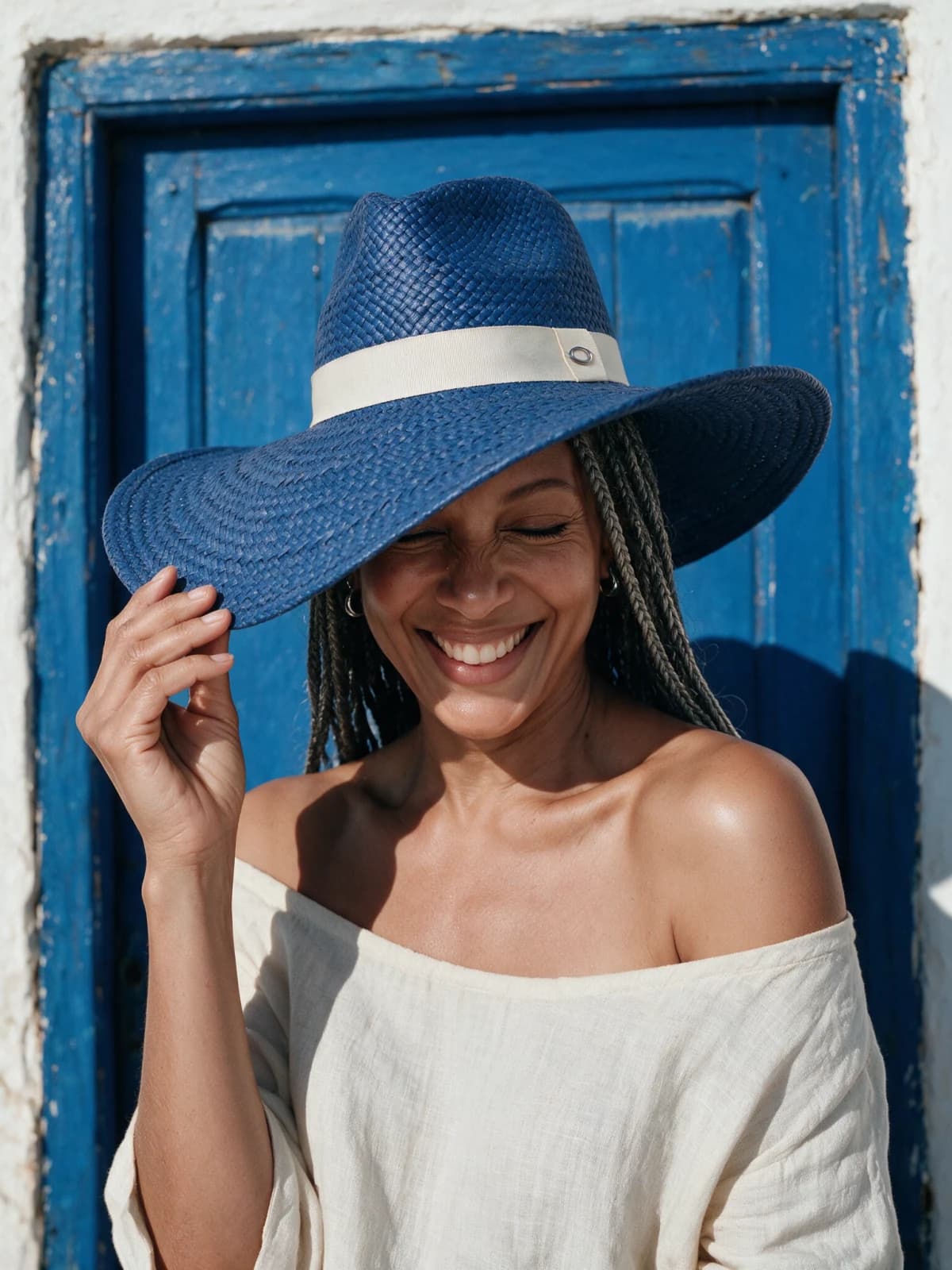
Create hat imagery with a readable crown, complete brim and visible trim, beginning with a clear product-led composition.
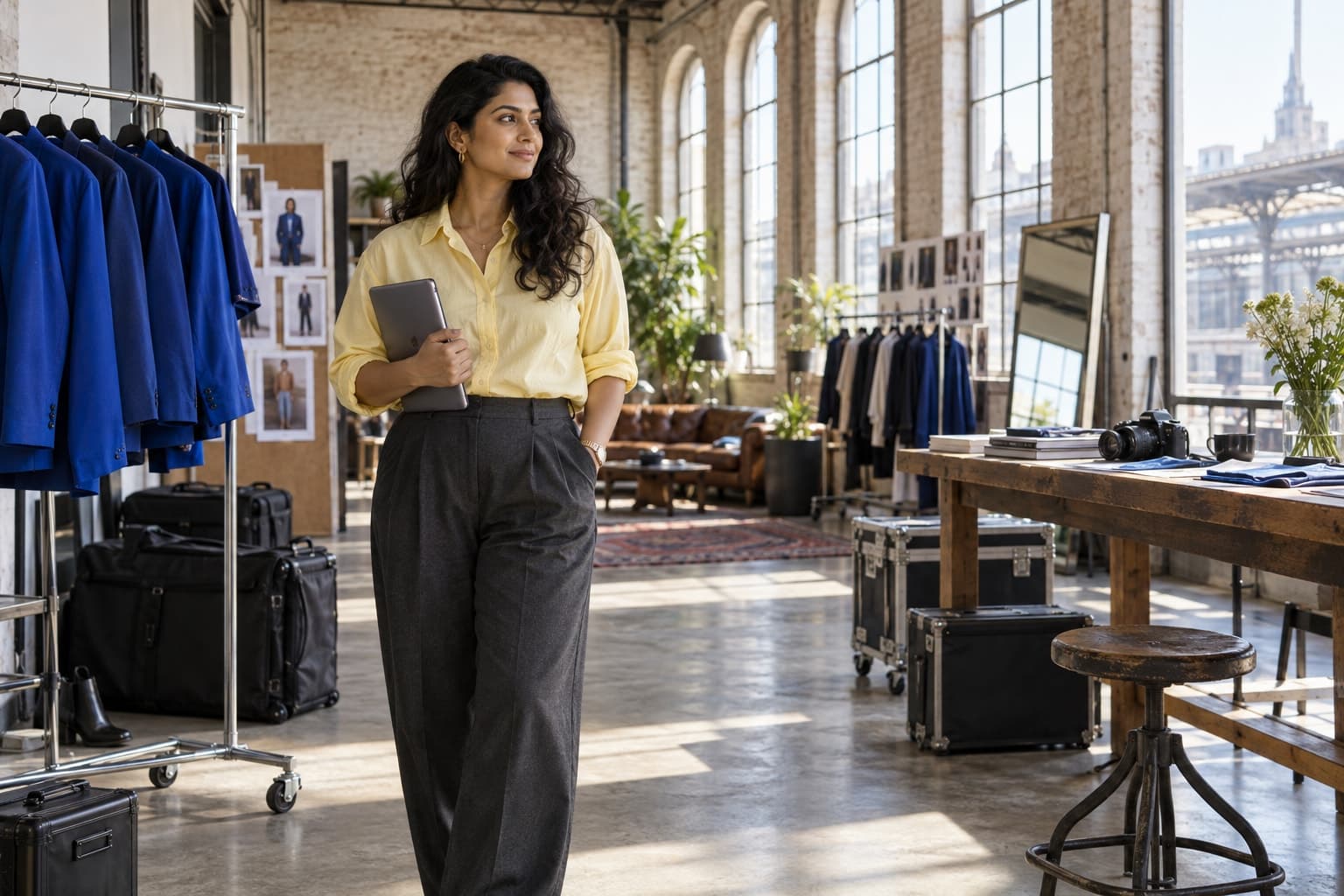
A practical operating brief for reviewing, approving, and delivering fashion images when your team works across locations.
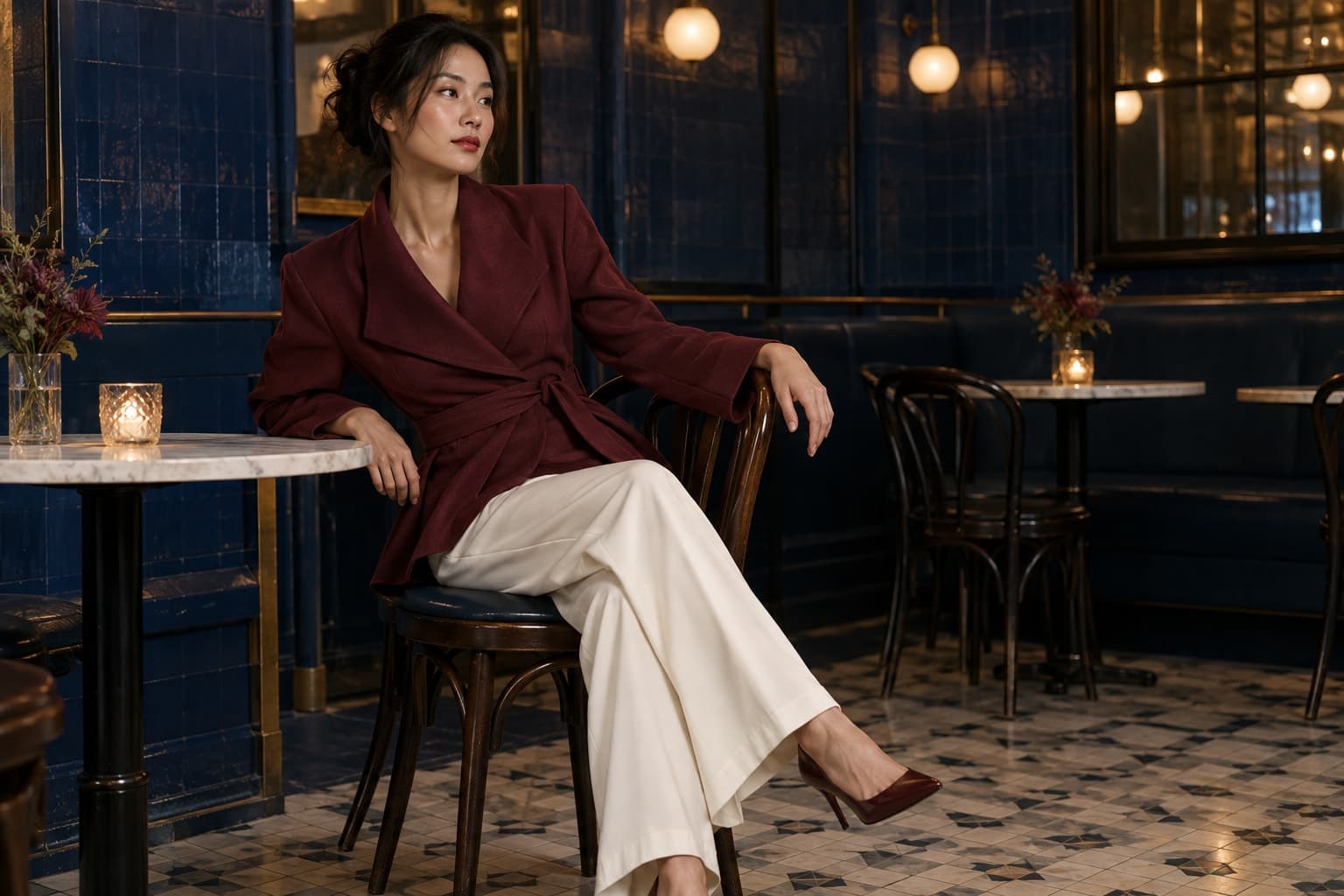
Build a controlled creative test around occasion, detail, and silhouette without losing sight of the product you sell.
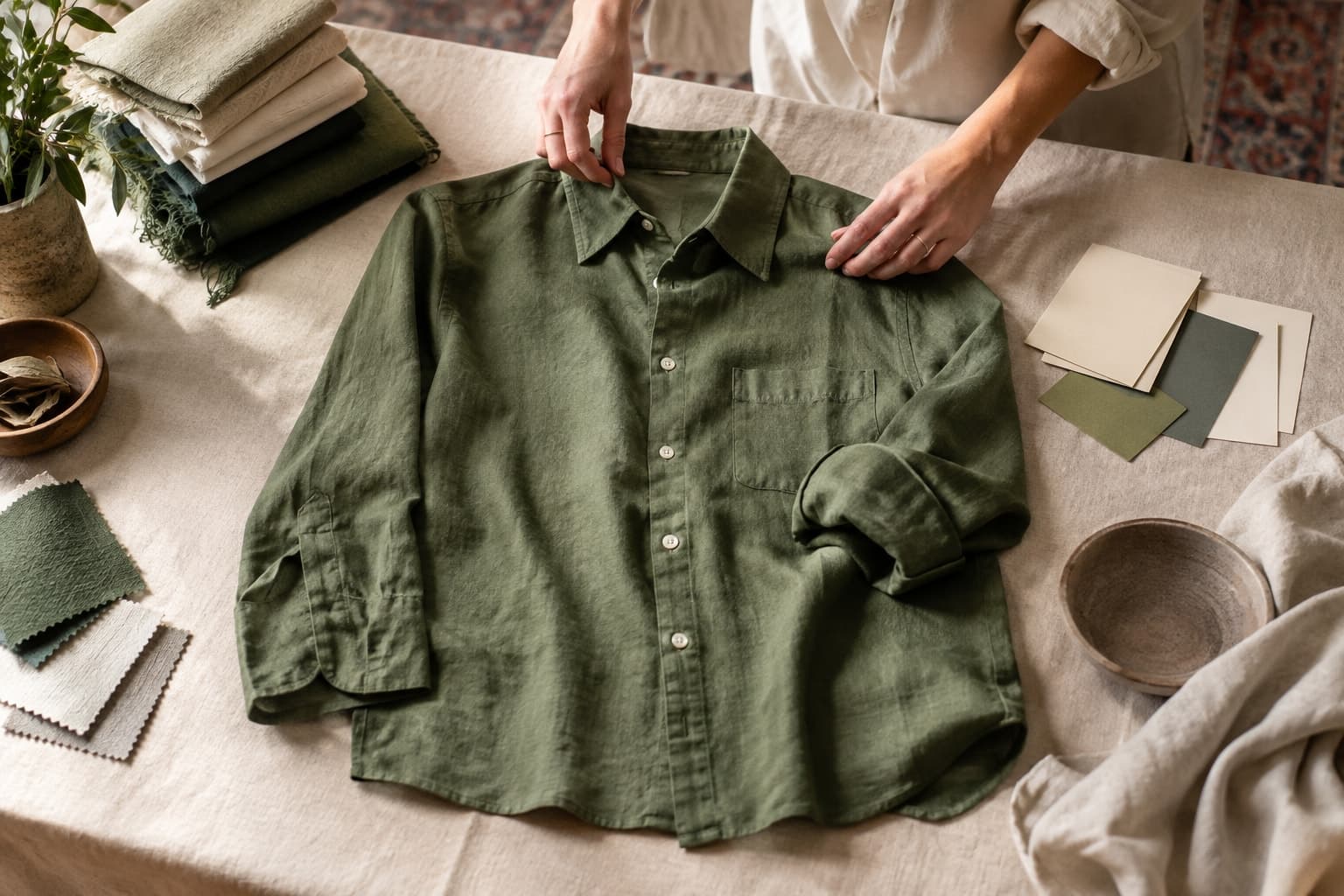
Create a useful reference packet, protect product accuracy, and judge generated clothing images against a real merchandising brief.
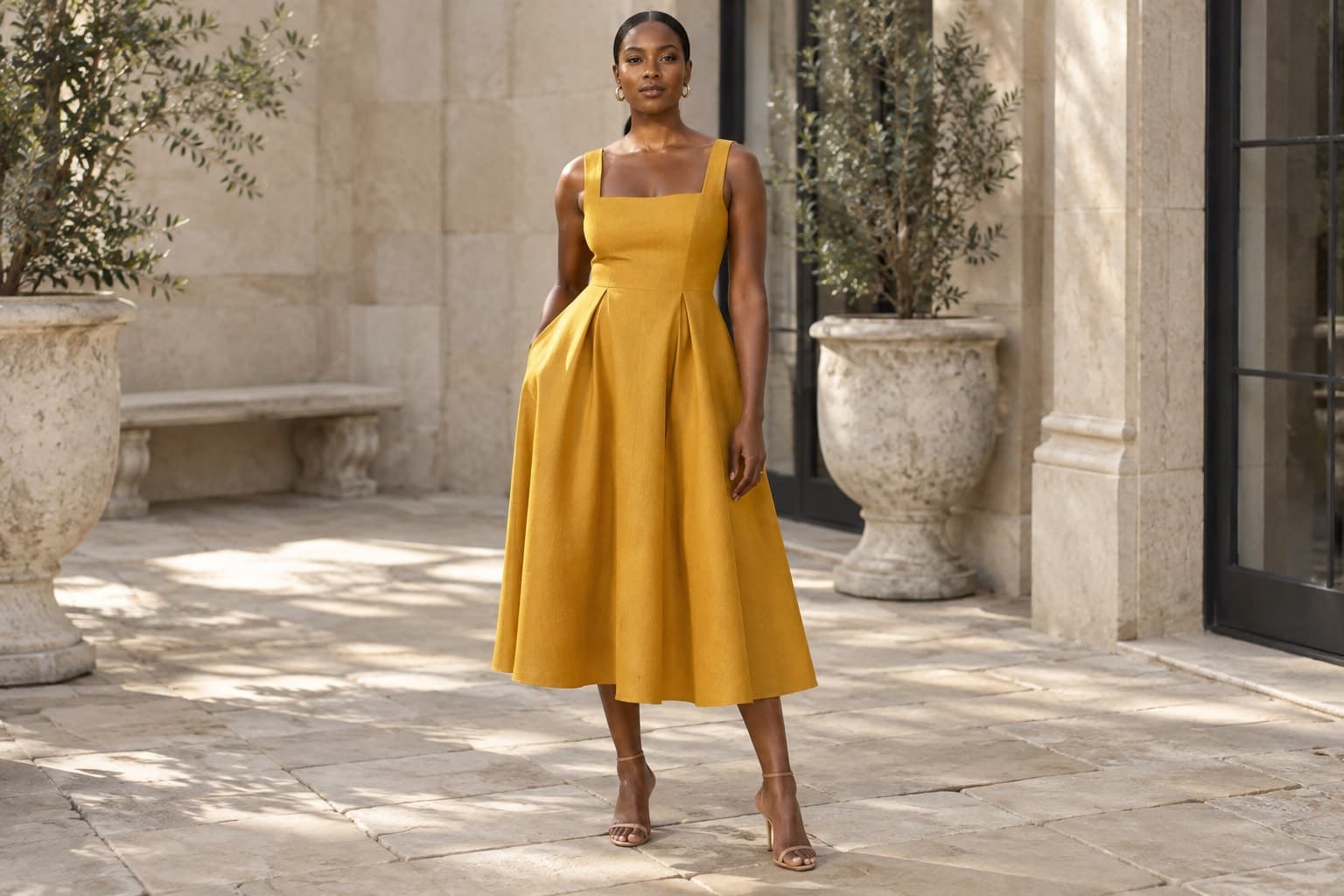
A dress-specific guide to neckline, seams, hems, lining, and movement when preparing generated product imagery.
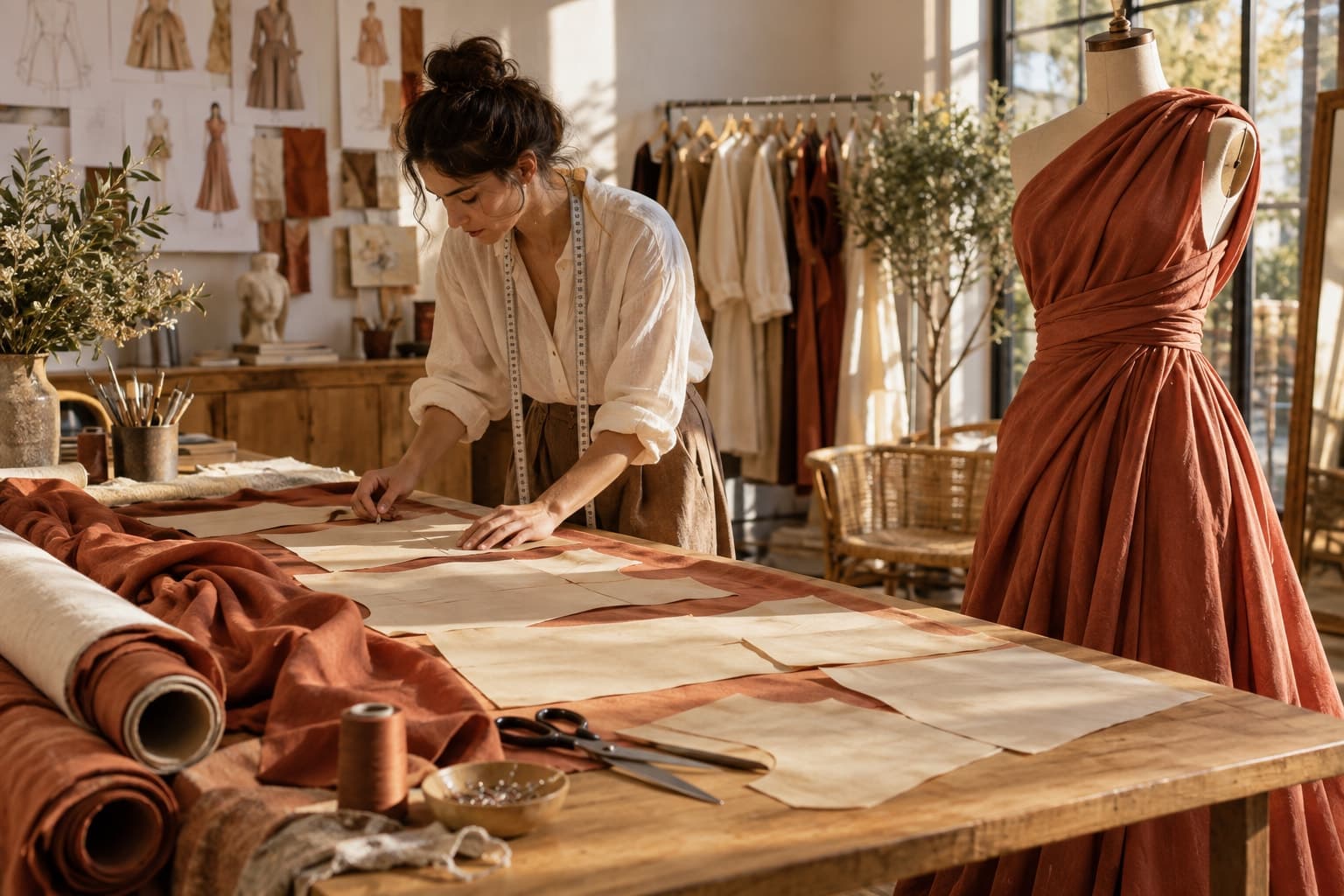
Give concept images, development references, and selling images different jobs so an attractive idea cannot become an inaccurate listing.
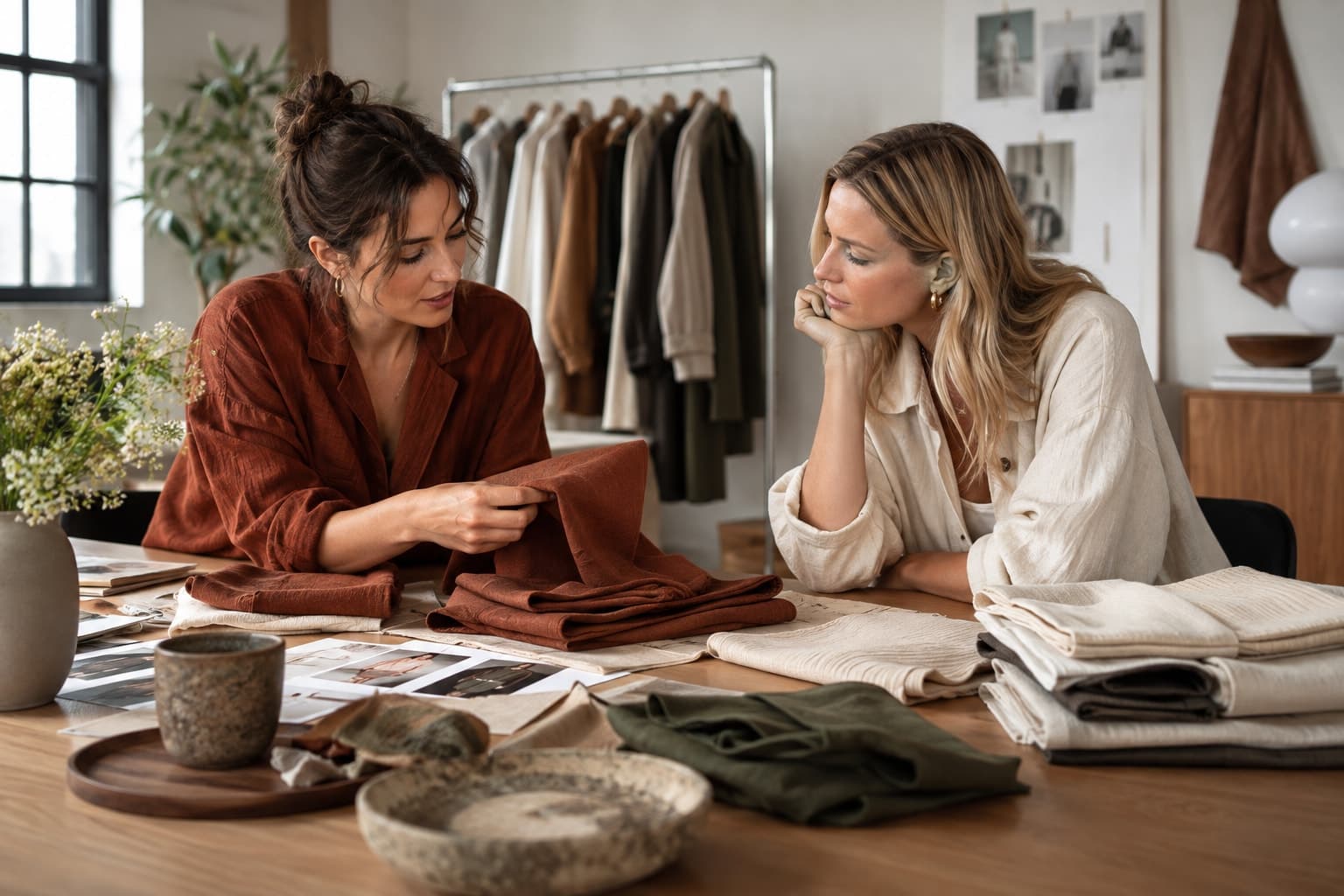
Compare managed production and self-service tools by ownership, review capacity, corrections, and the cost of approved assets.
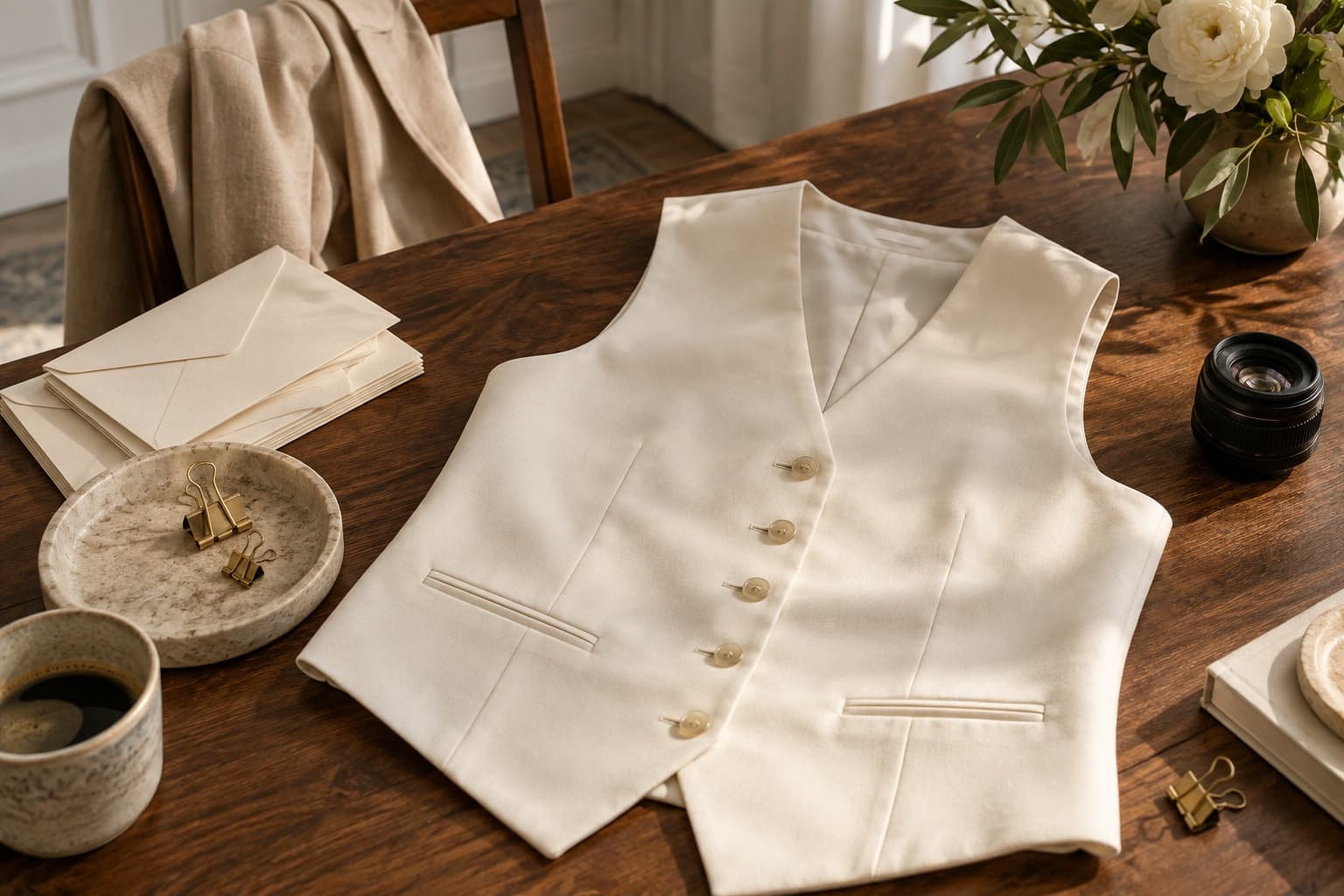
Calculate production cost with review time, rejected outputs, retouching, and delivery included rather than comparing subscription prices alone.
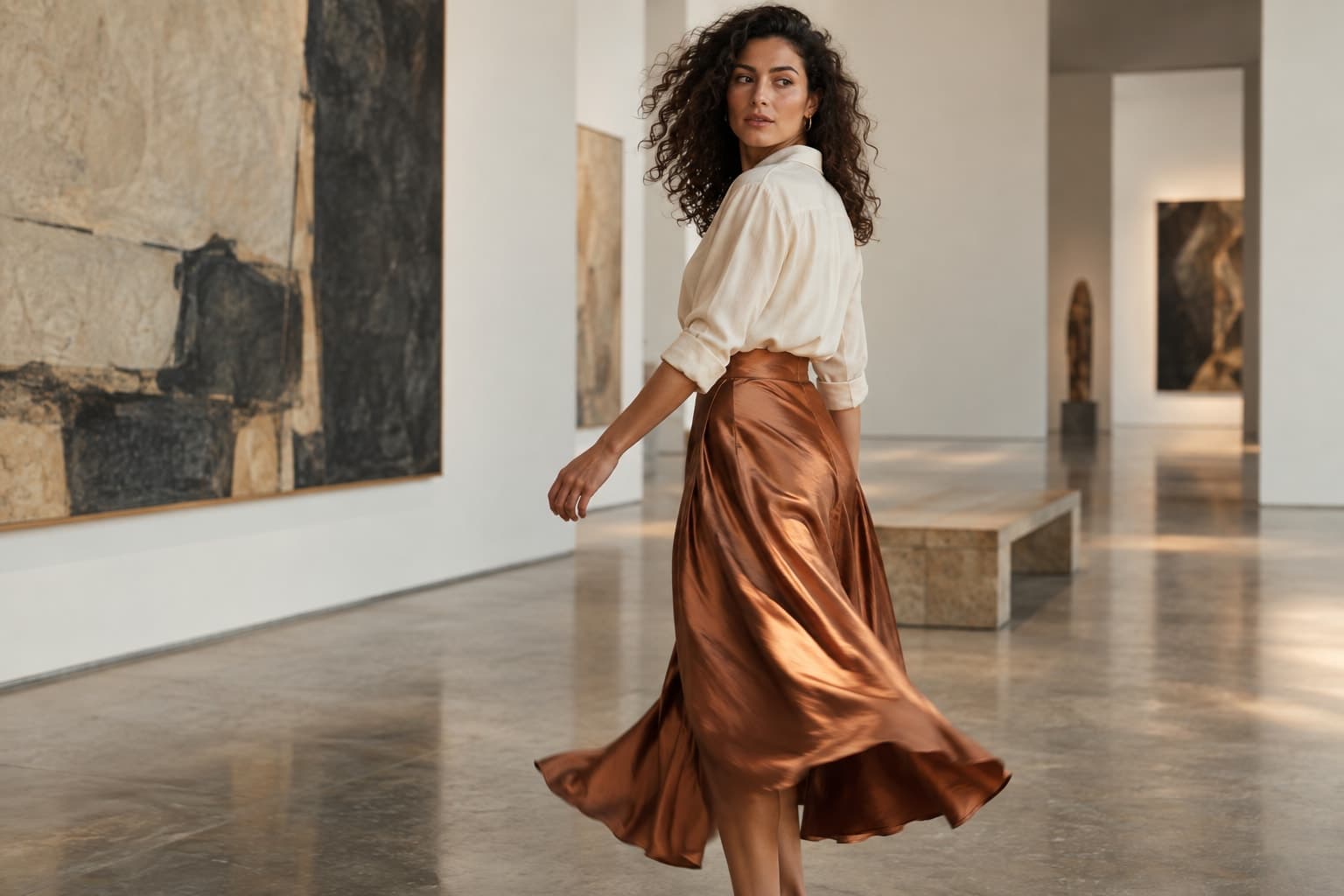
Use restrained movement, a strong source frame, and frame-by-frame garment review to build a useful short product clip.
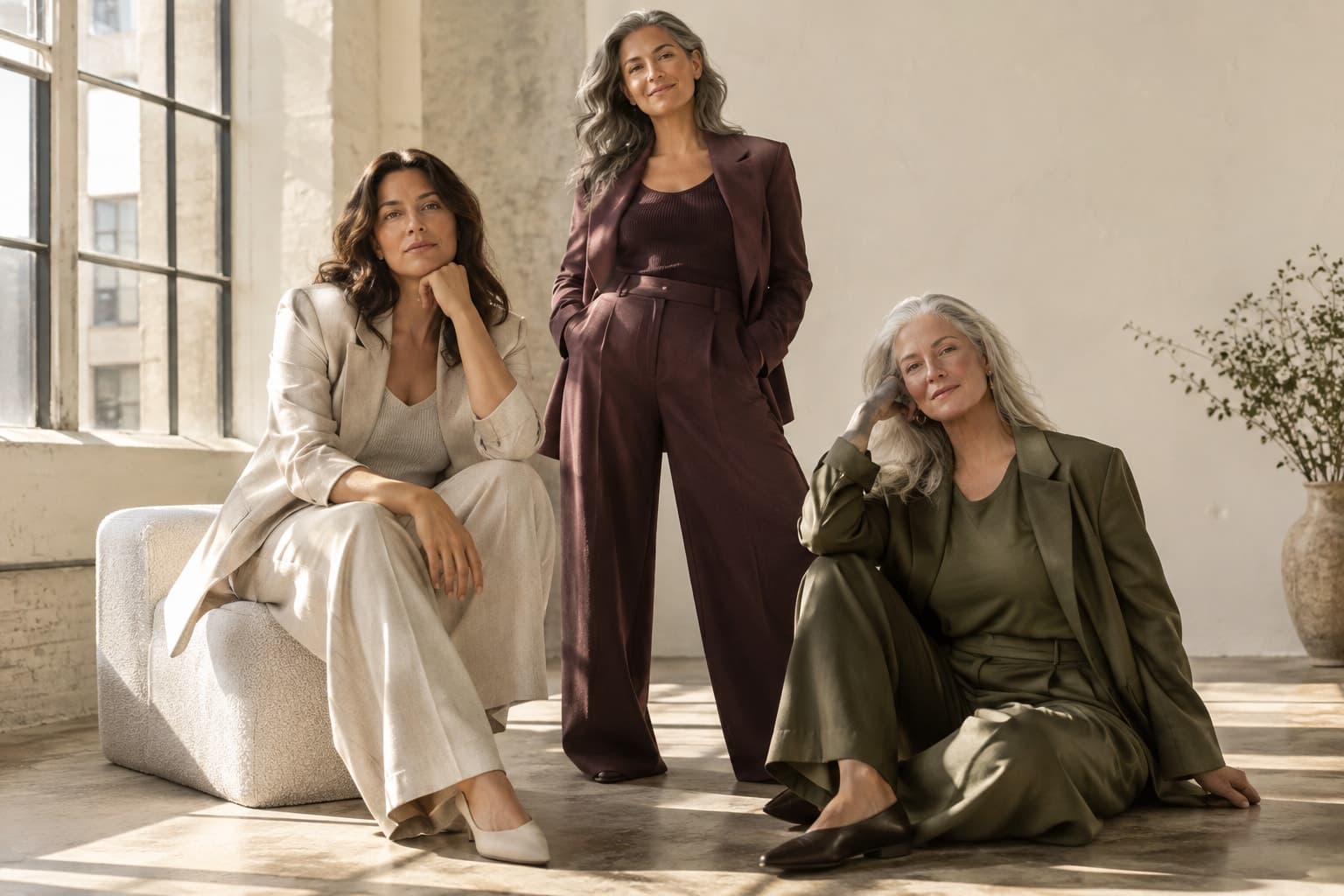
Build a thoughtful casting and styling brief for womenswear while keeping garment accuracy and customer information central.
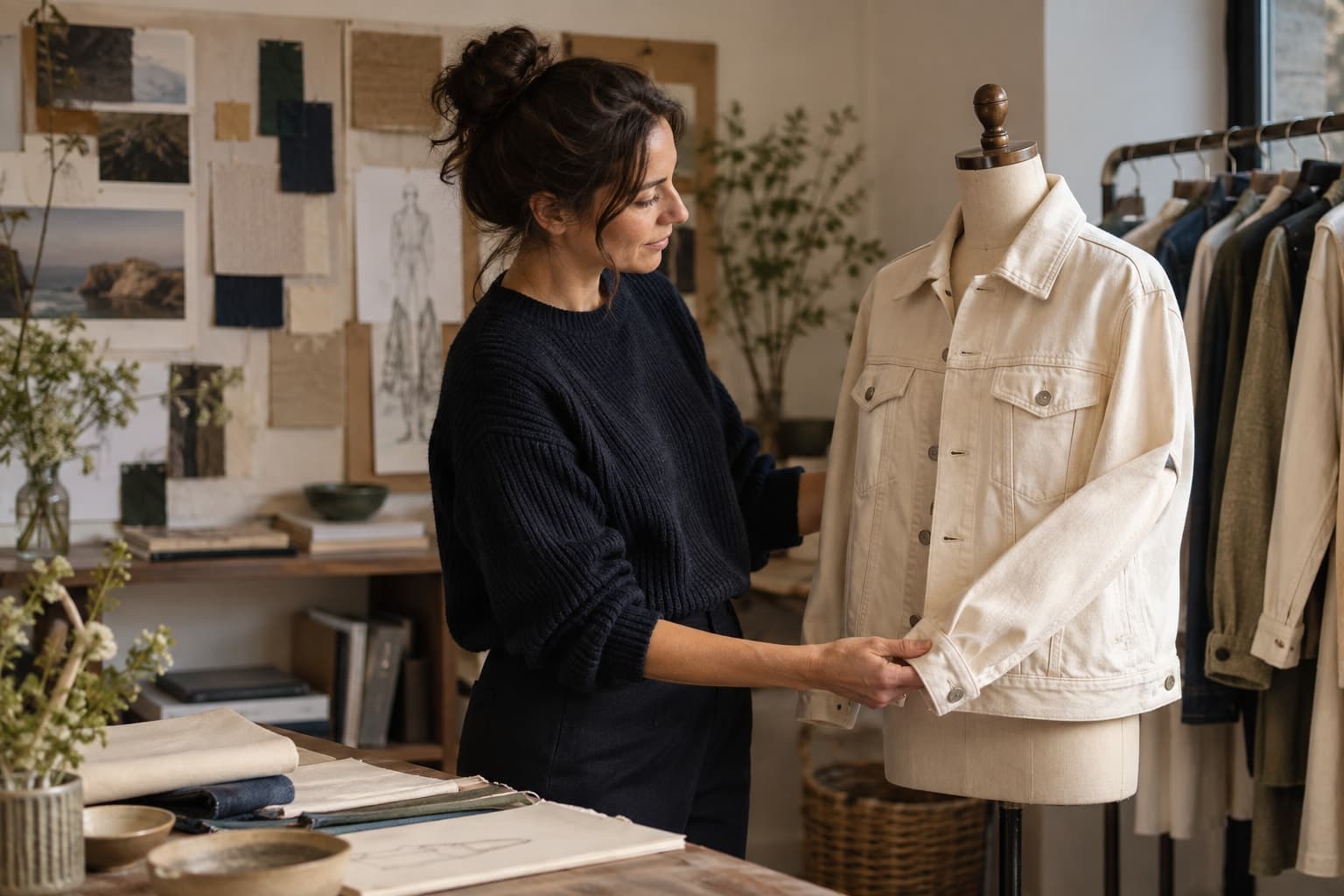
Choose a bounded project, set an approval gate, and measure saved work before expanding AI across a fashion business.
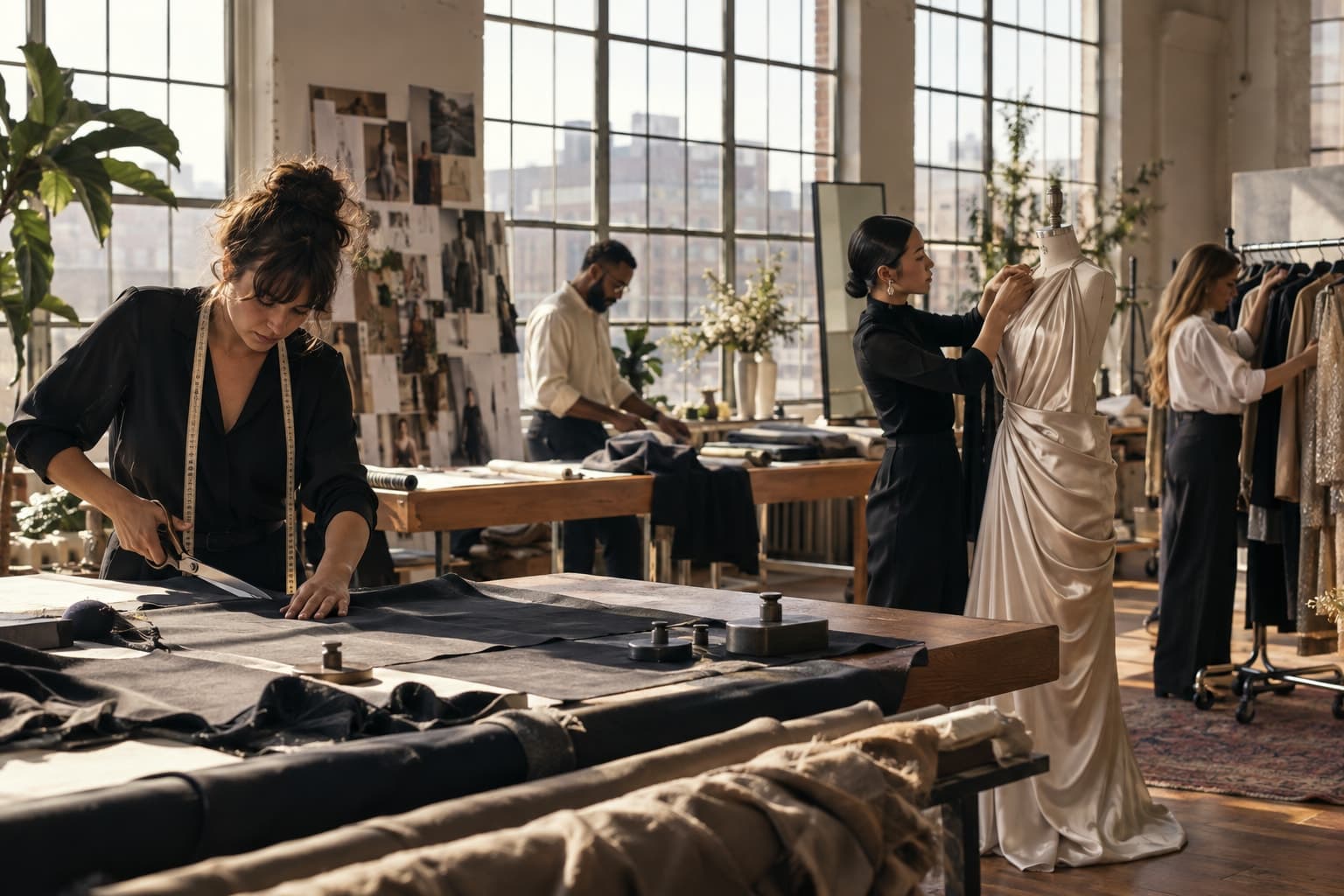
Separate creative exploration, product operations, merchandising, and customer-facing decisions before choosing where AI belongs.
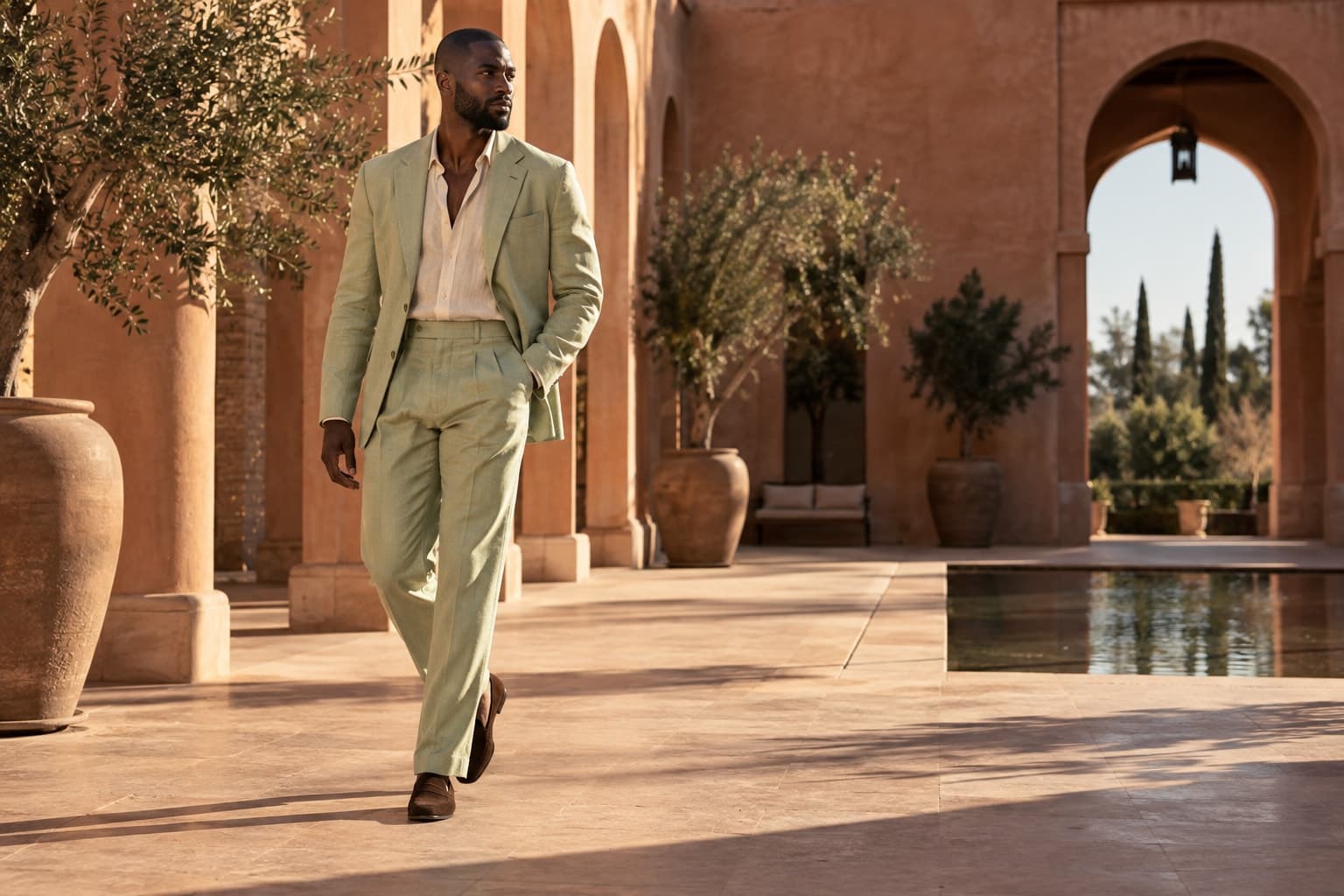
Build a collection narrative with an opening, a rhythm, useful product context, and a deliberate final frame.
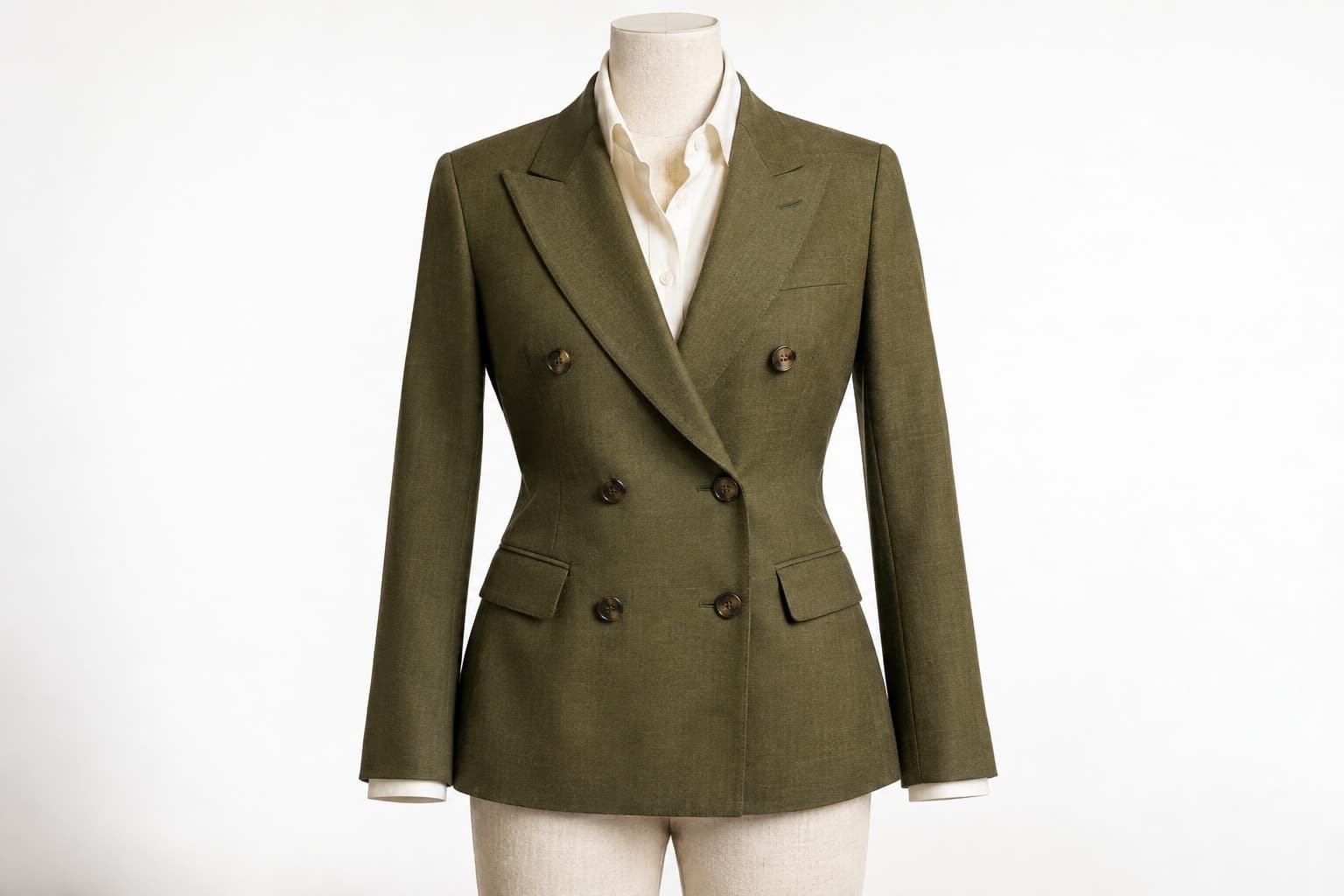
Prepare mannequin photographs that explain the garment and make generated transformations easier to review.
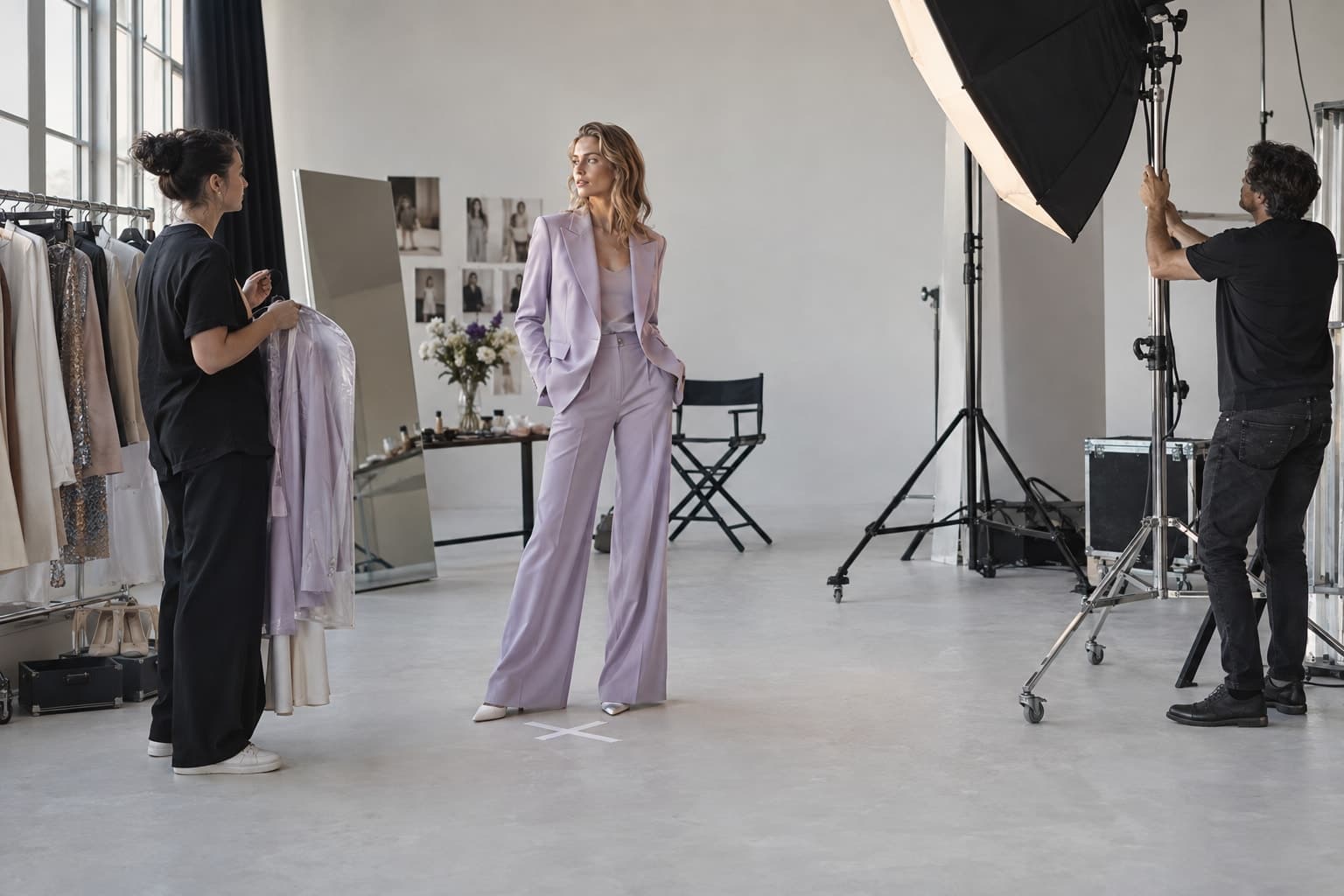
Use a lightweight production sheet to connect products, references, scenes, reviewers, and final image destinations.
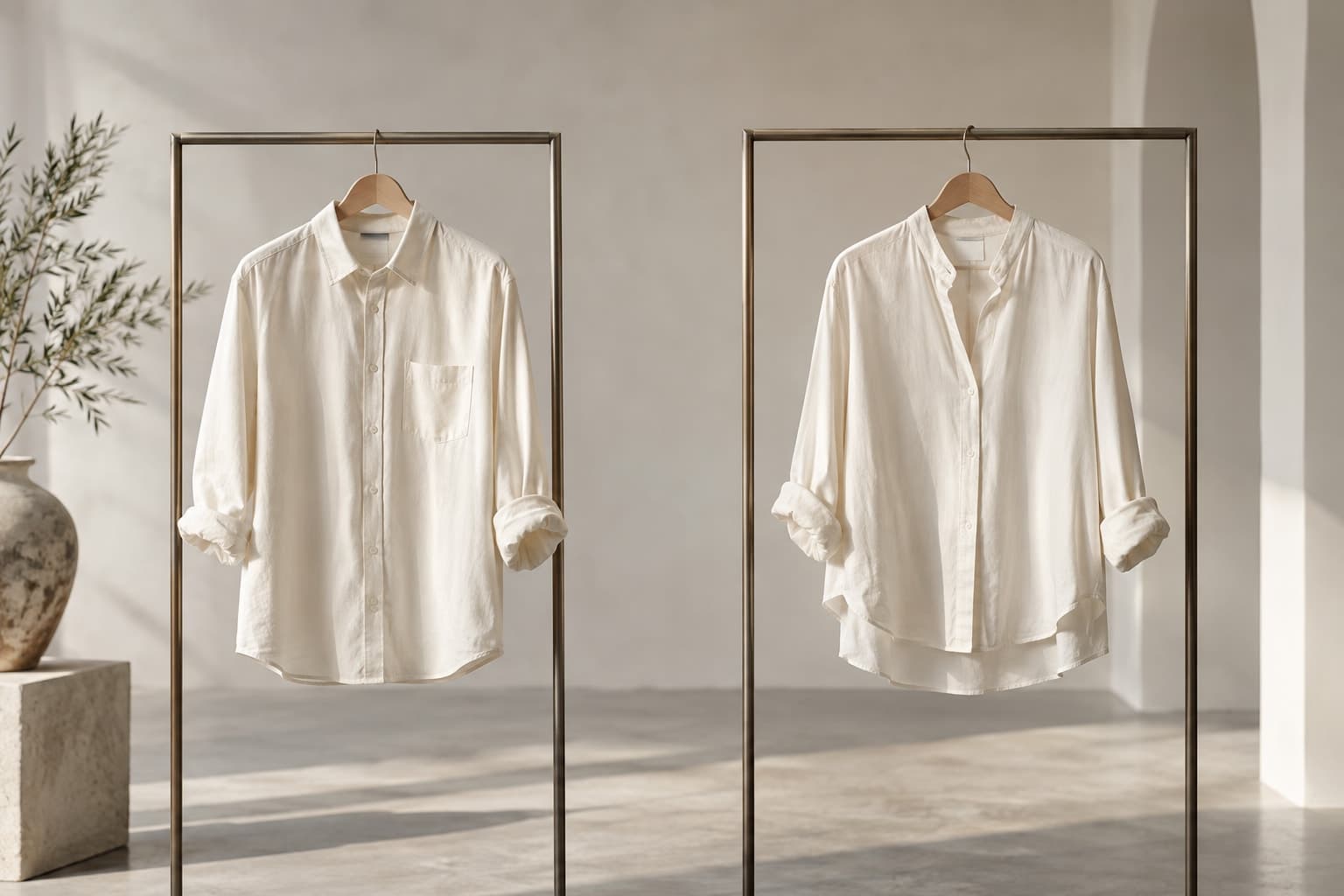
A practical experiment brief for comparing product imagery while separating creative preference from measurable customer behaviour.
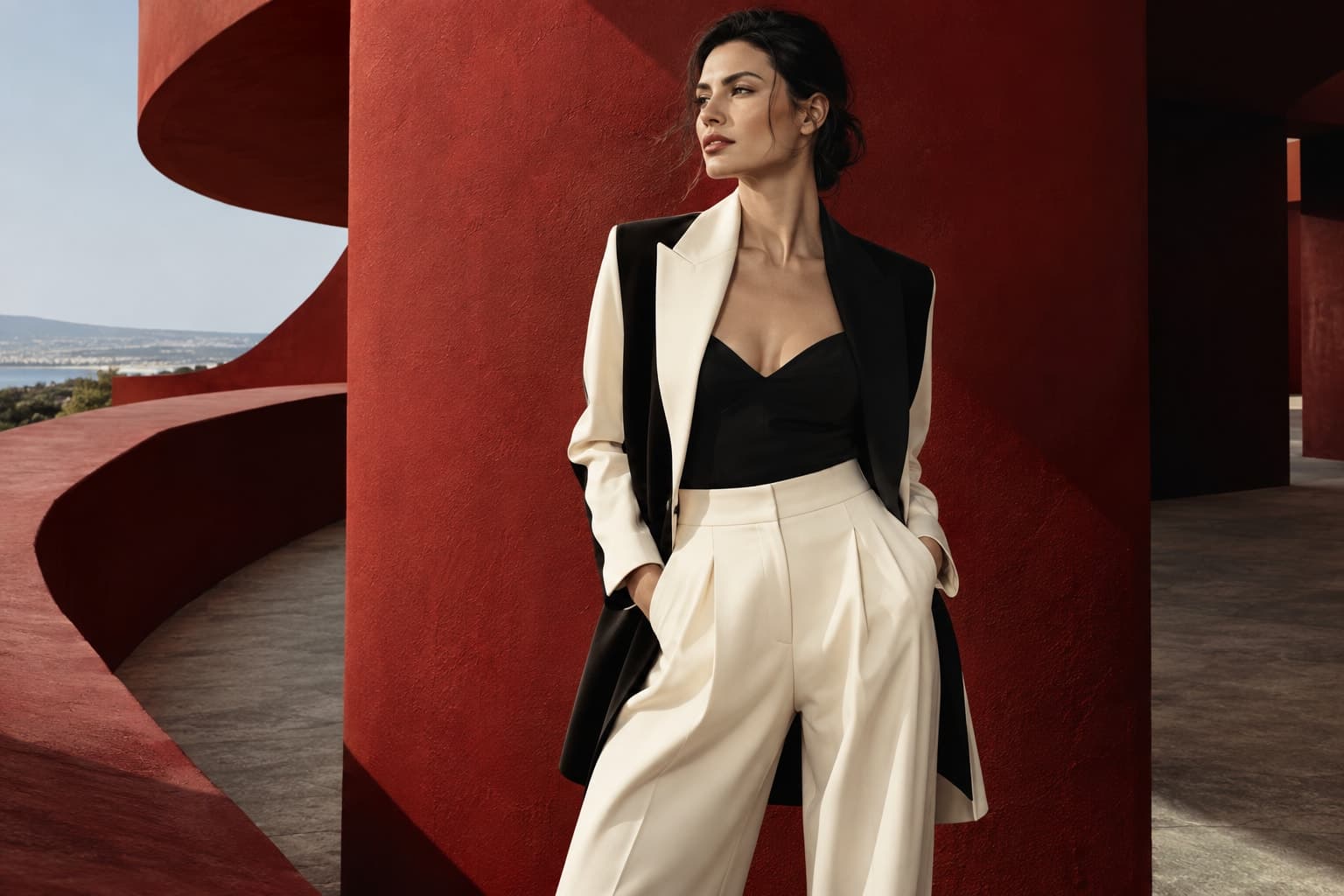
Turn a brand point of view into repeatable choices about images, styling, language, and the customer experience.
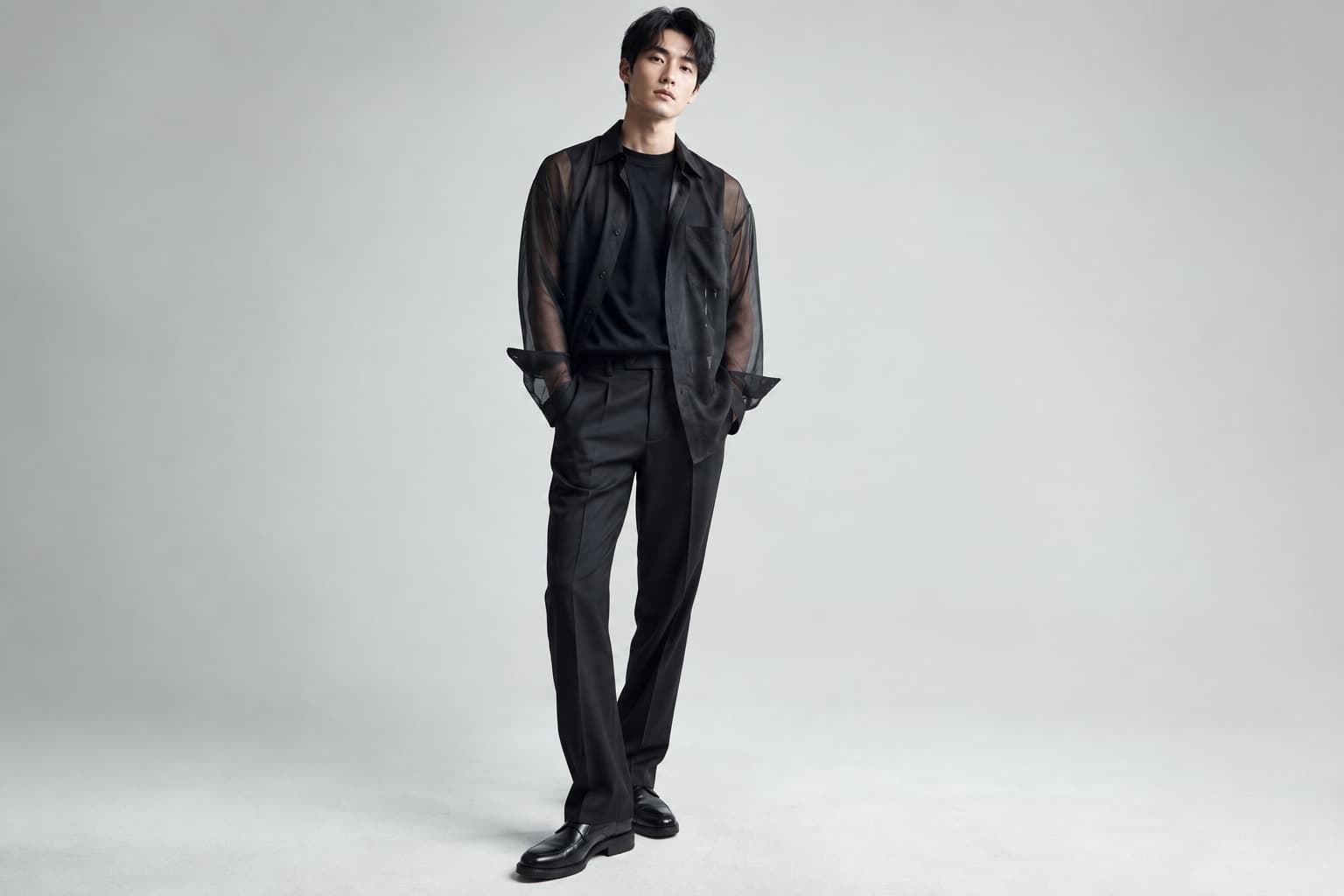
Use your own difficult garments, a consistent brief, and a correction round to evaluate image tools without relying on curated galleries.
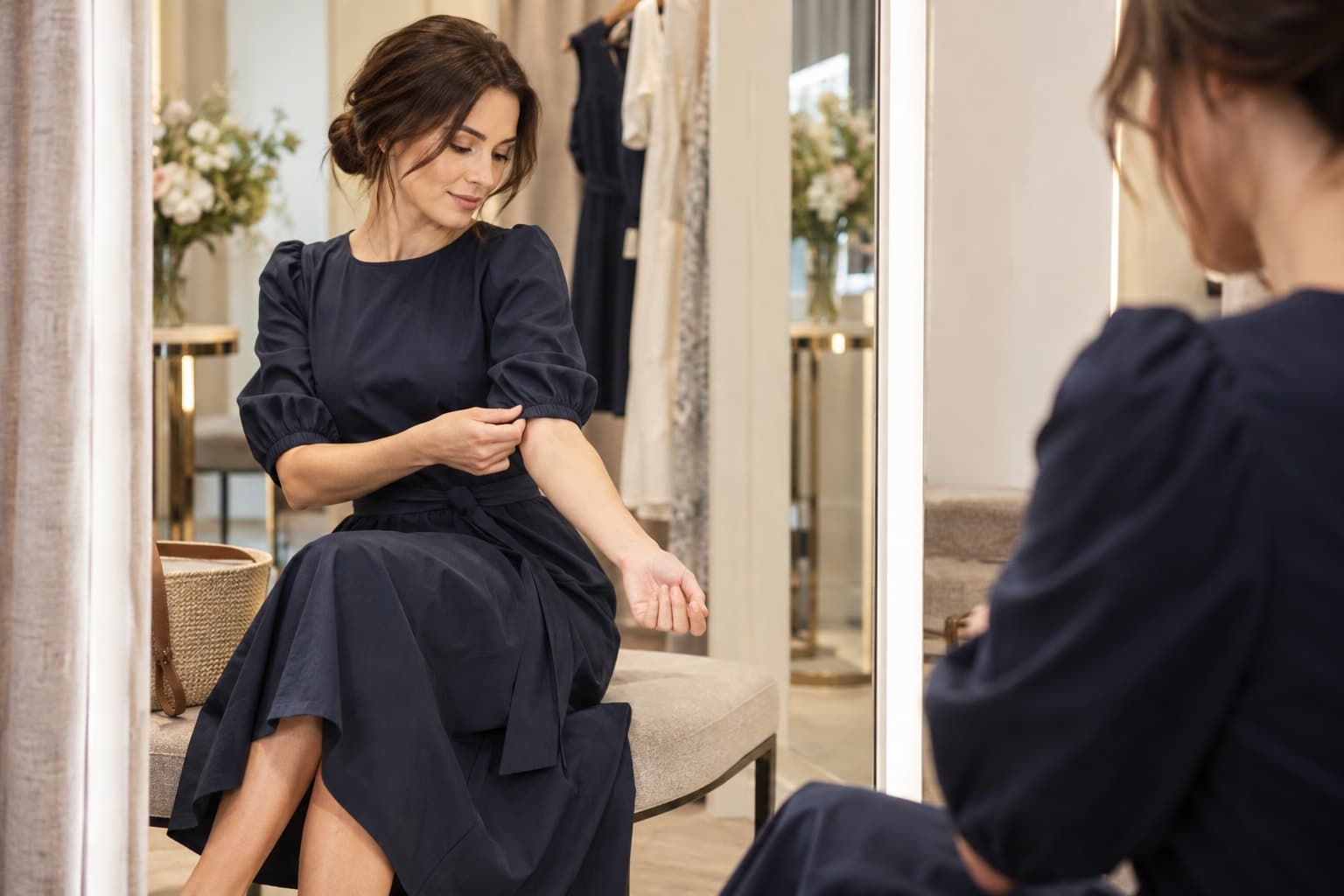
Organise images, sizing, materials, and purchase details around the questions a customer needs answered.
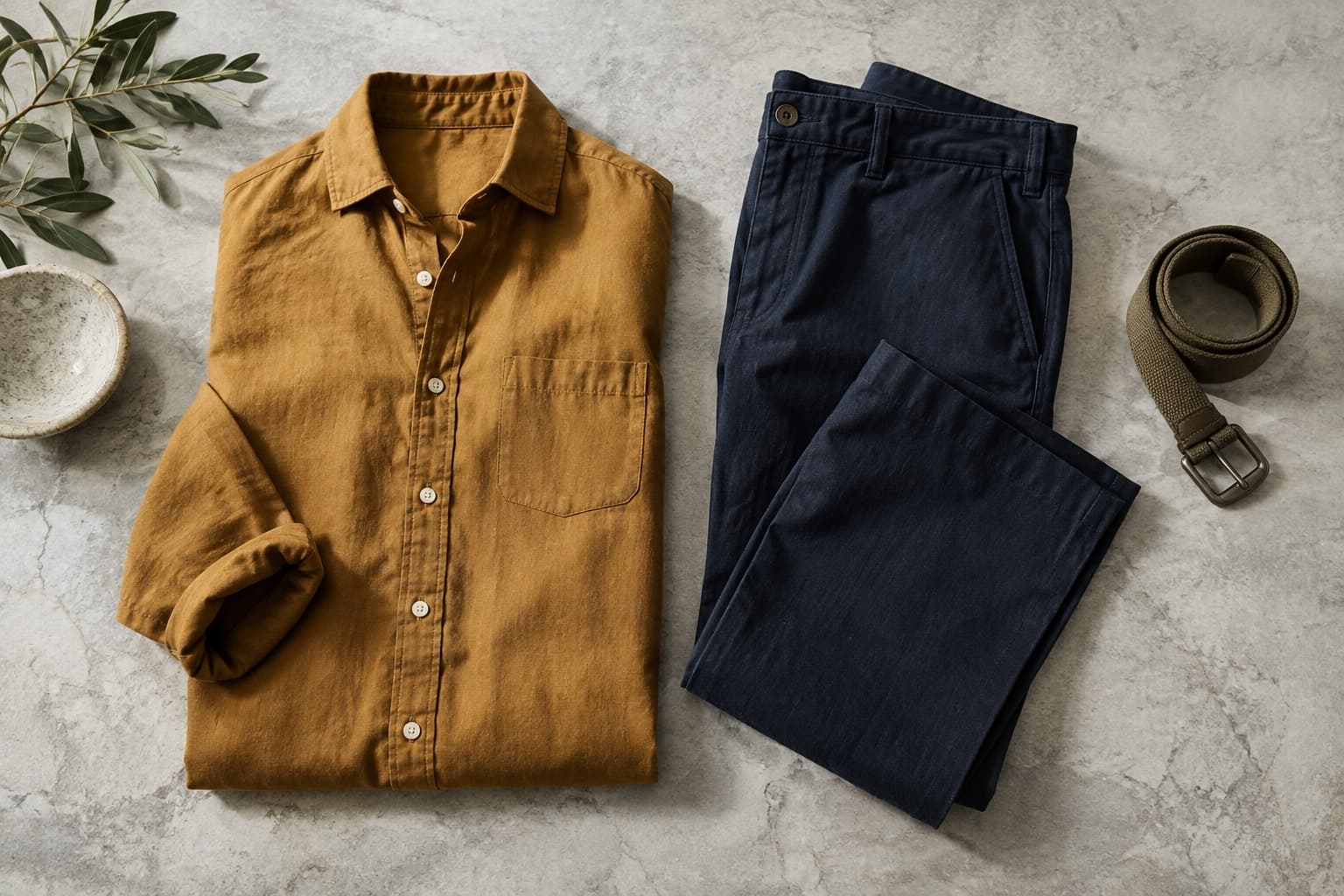
Match flat lay, mannequin, on-model, and detail photography to the information each garment needs to communicate.

Connect an AI investment to a specific recurring task, a measurable outcome, and a named person responsible for quality.
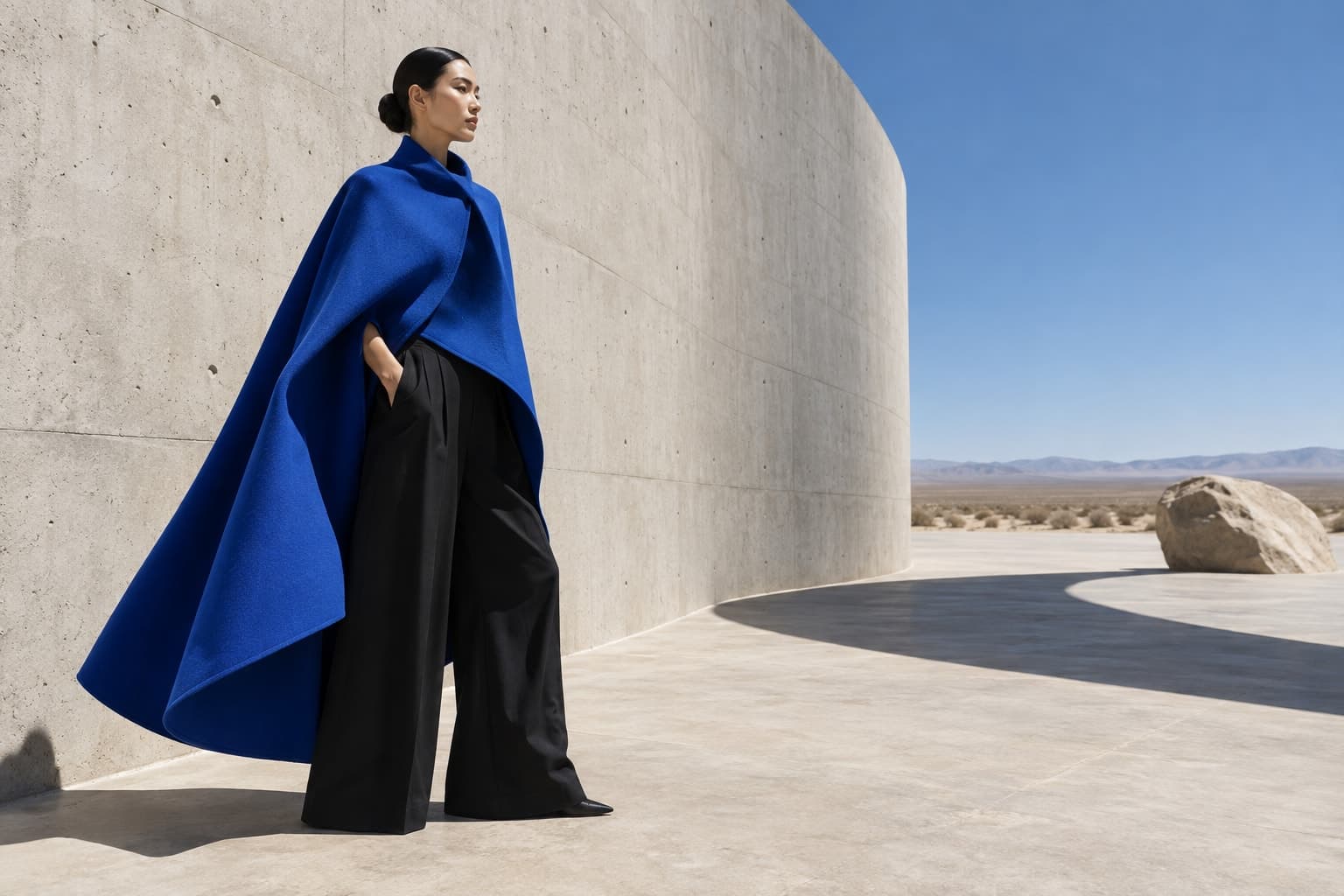
Explore scale, repetition, and unexpected setting as original campaign ideas while keeping the garment at the centre.
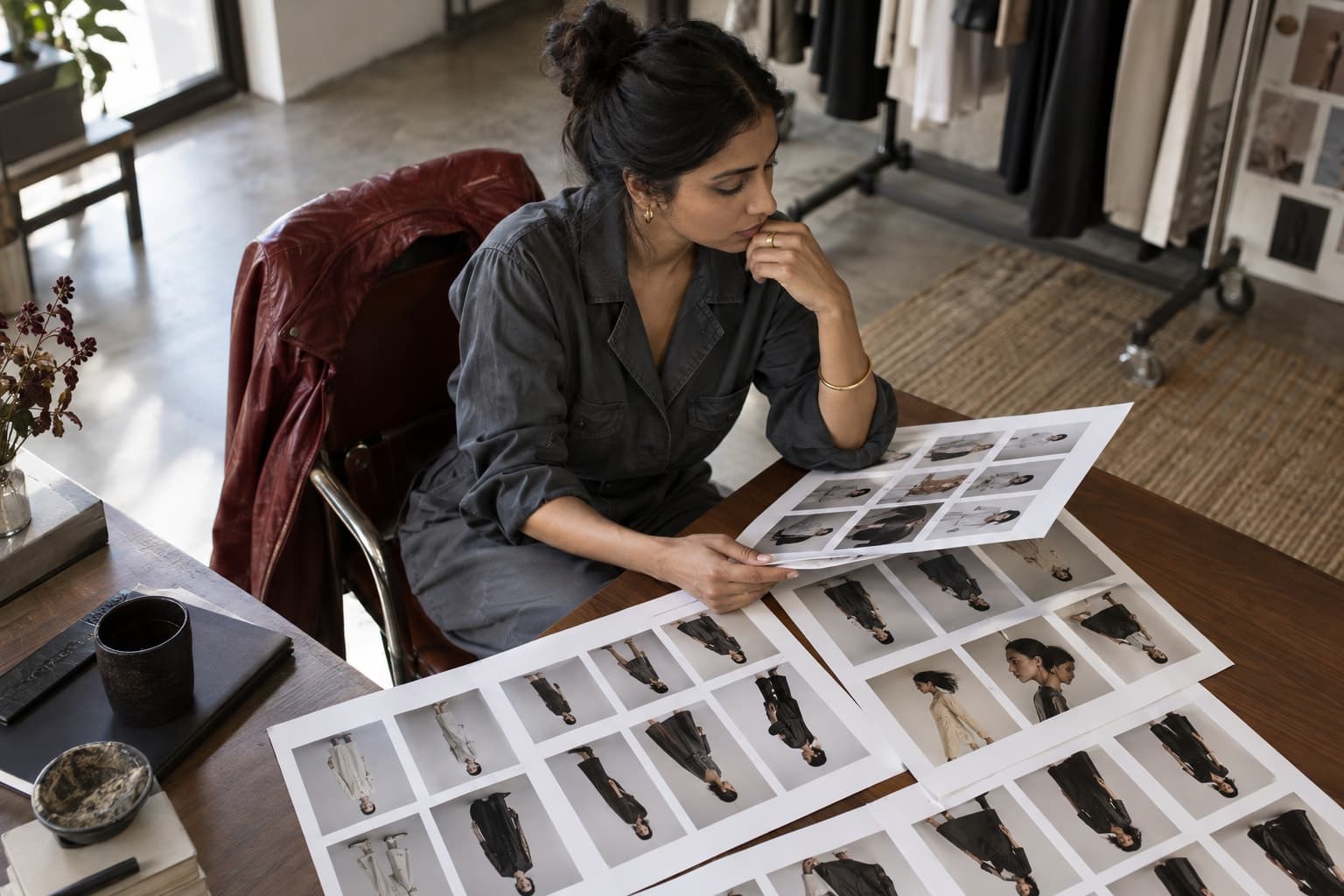
A 2025 retrospective lens for reading production savings and conversion claims without confusing a customer story with your own forecast.
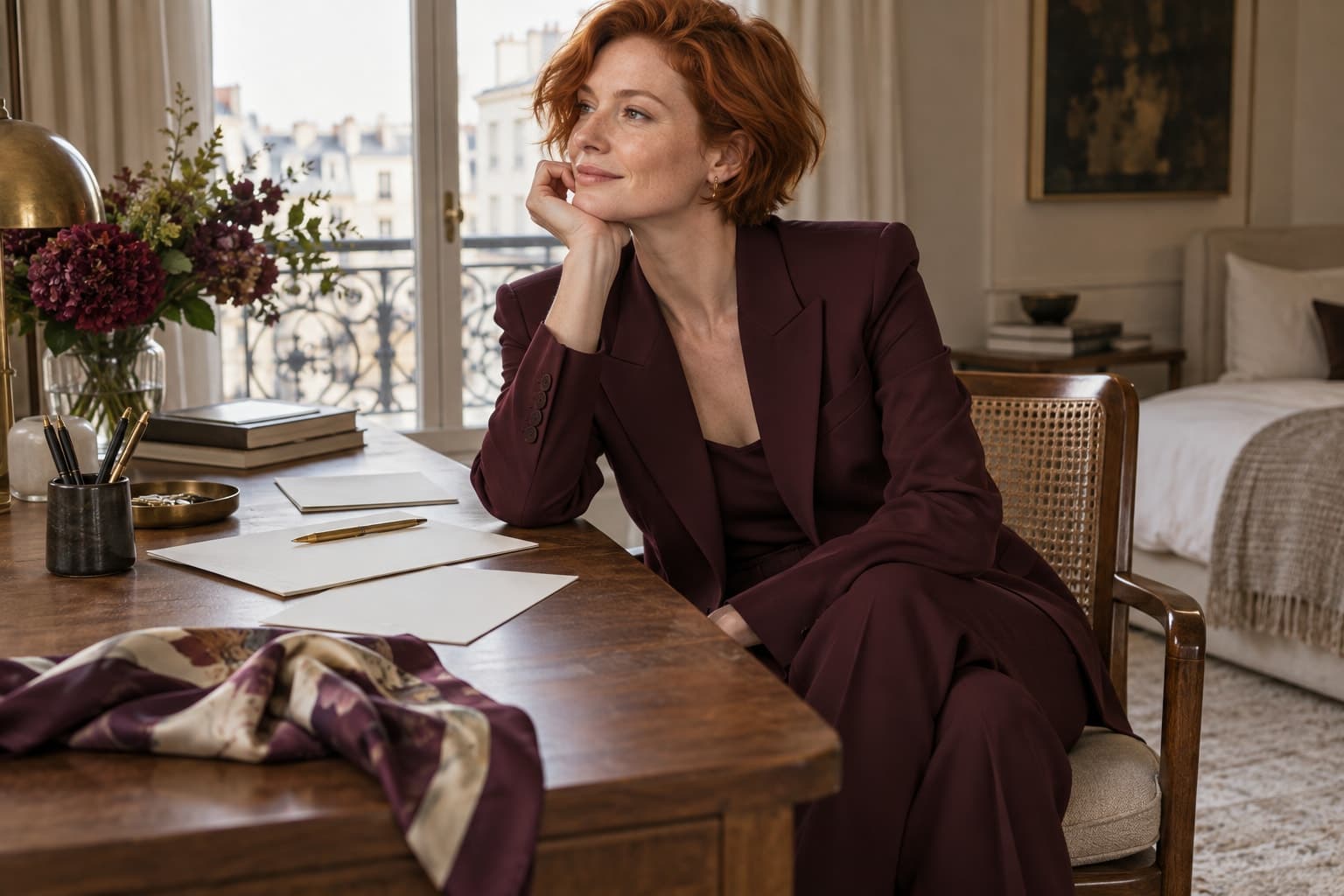
Build a small voice guide with practical examples for product pages, launch messages, and customer replies.
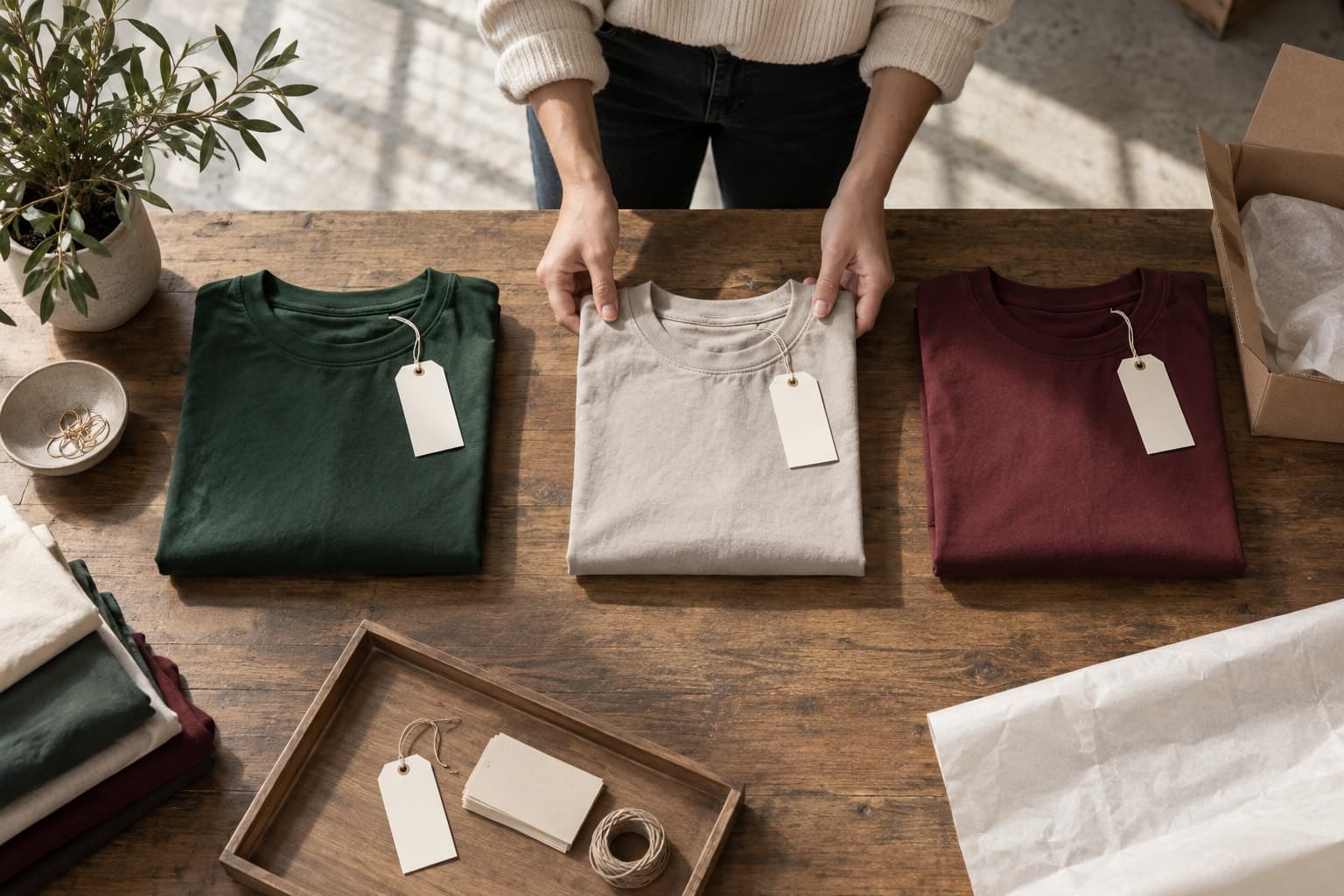
Plan a reversible image rollout with product mapping, variant checks, useful alt text, and a clear approval record.
Evaluate a general creative assistant against a repeatable fashion workflow using references, revisions, and product-level organisation.
Separate motion experiments and expressive campaigns from repeatable product production when evaluating creative software.
Learn what changes when an image must represent a particular garment rather than invent an appealing fashion scene.
Build a repeatable production line for catalog images, with clear handoffs and fewer expensive reshoots.
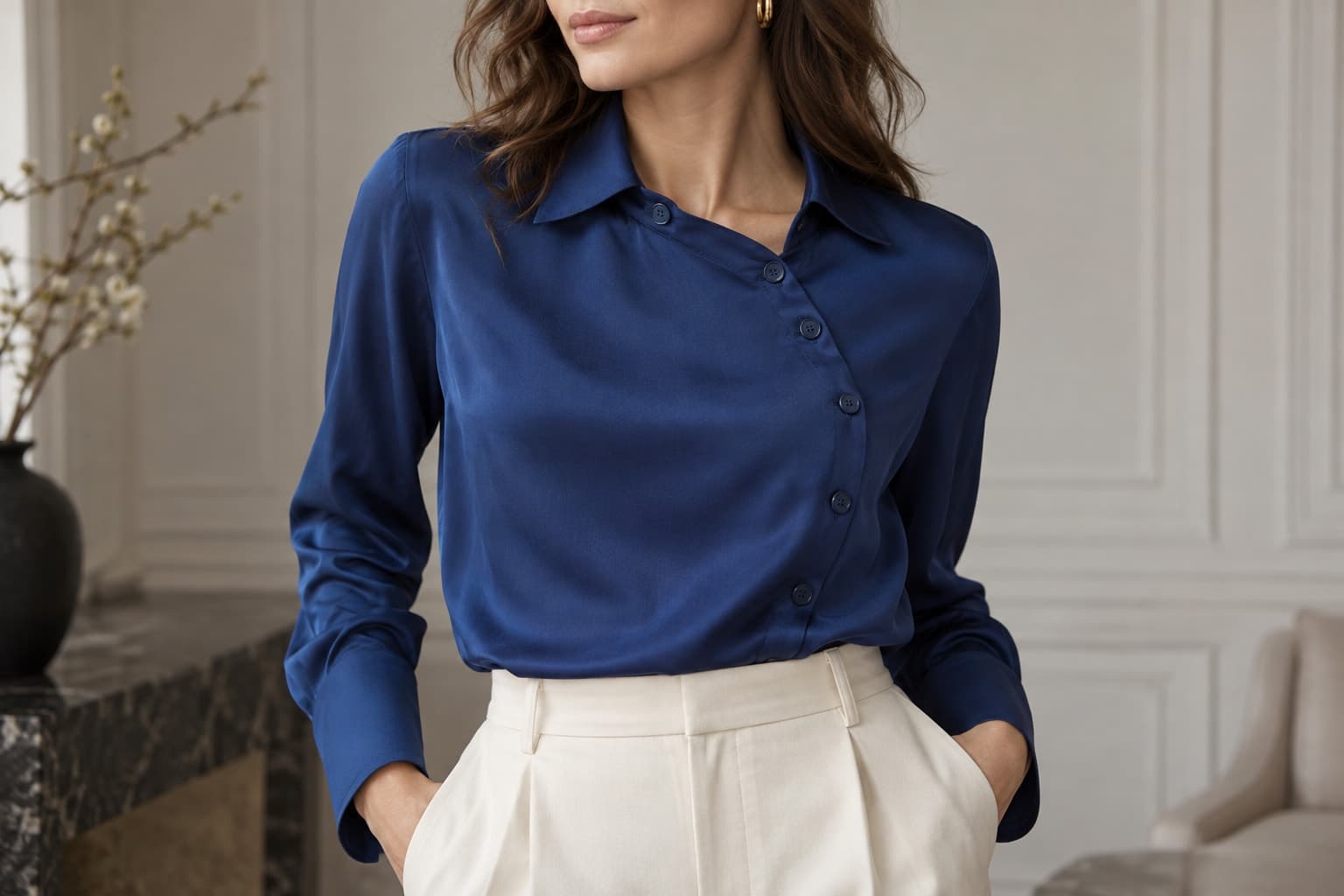
Learn to review generated fashion images for construction, proportion, and product fidelity before using them in commerce.
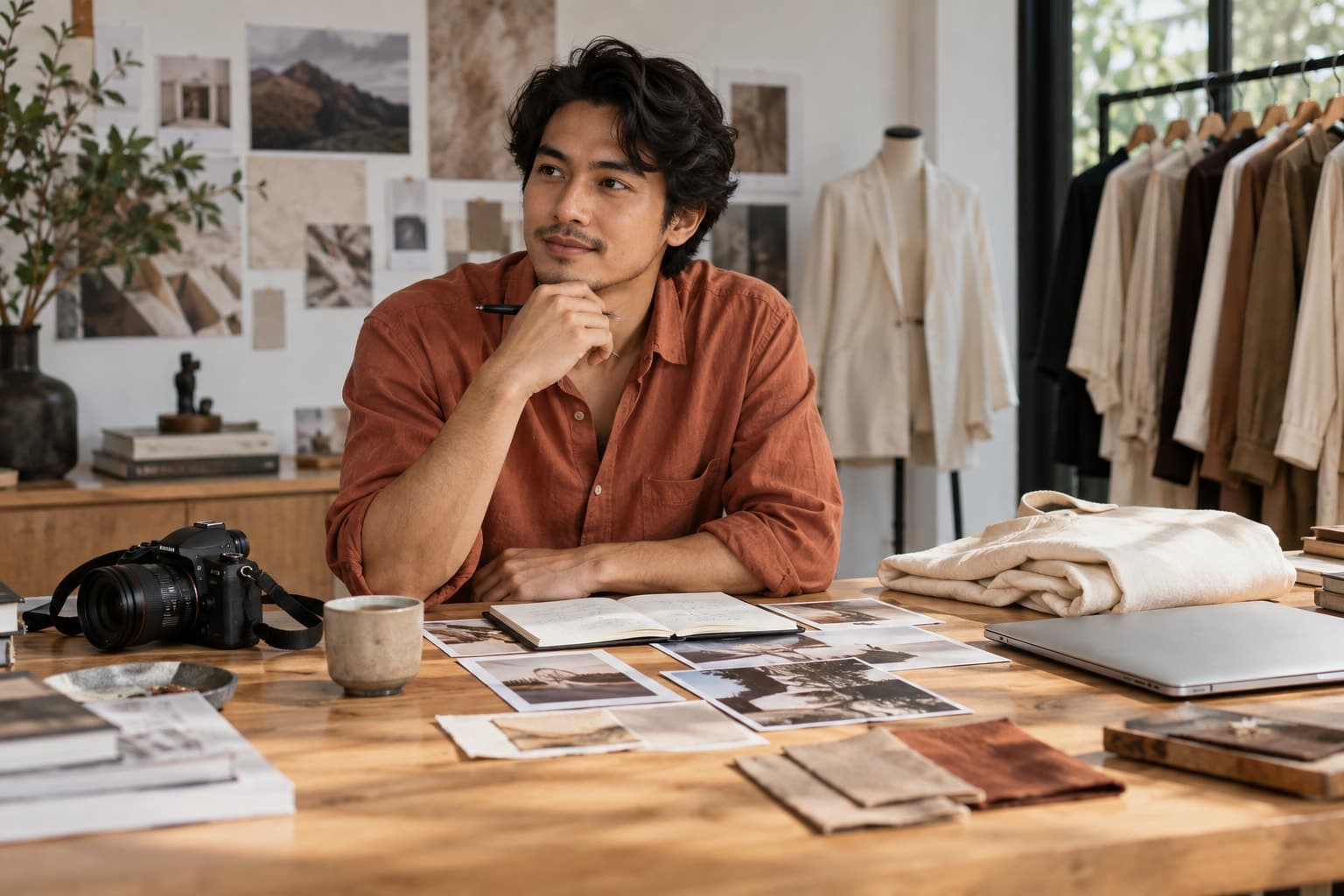
A practical brief for comparing general creative tools and product-focused workflows without chasing a universal winner.
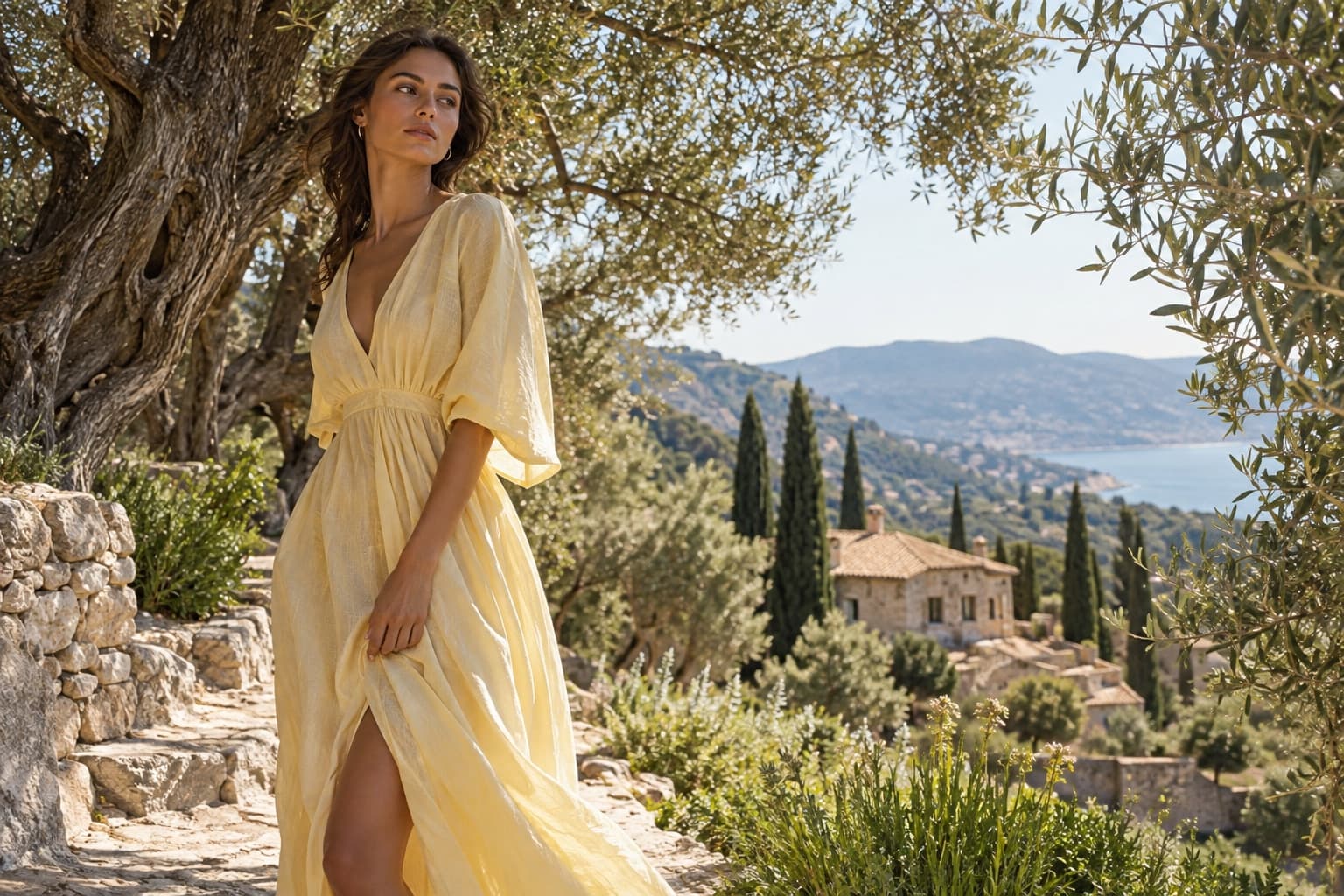
Turn a warm-weather collection into a coherent lookbook with a clear visual rhythm and useful product information.
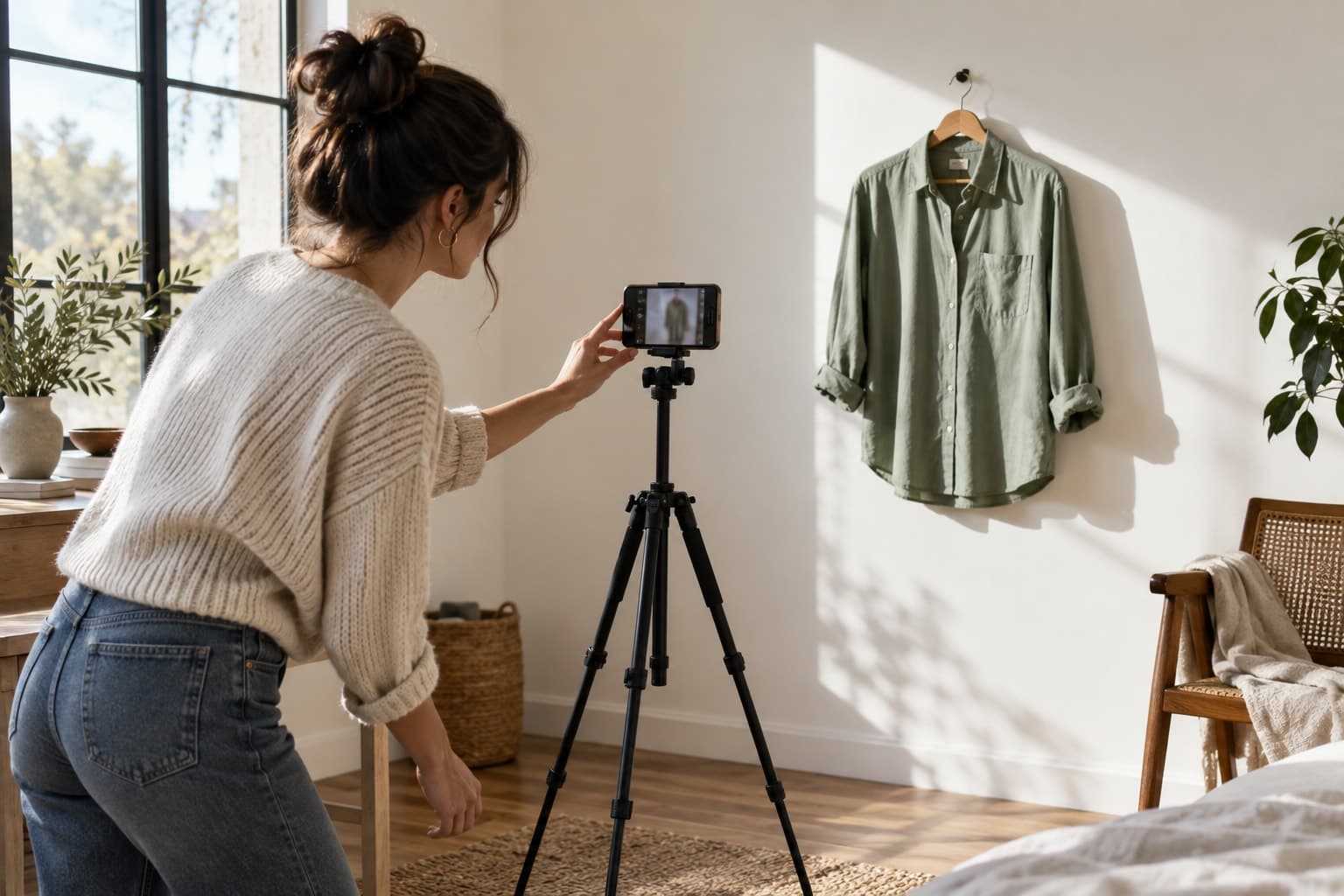
Create a repeatable phone photography corner for clothing, with simple framing, lighting, and product checks.
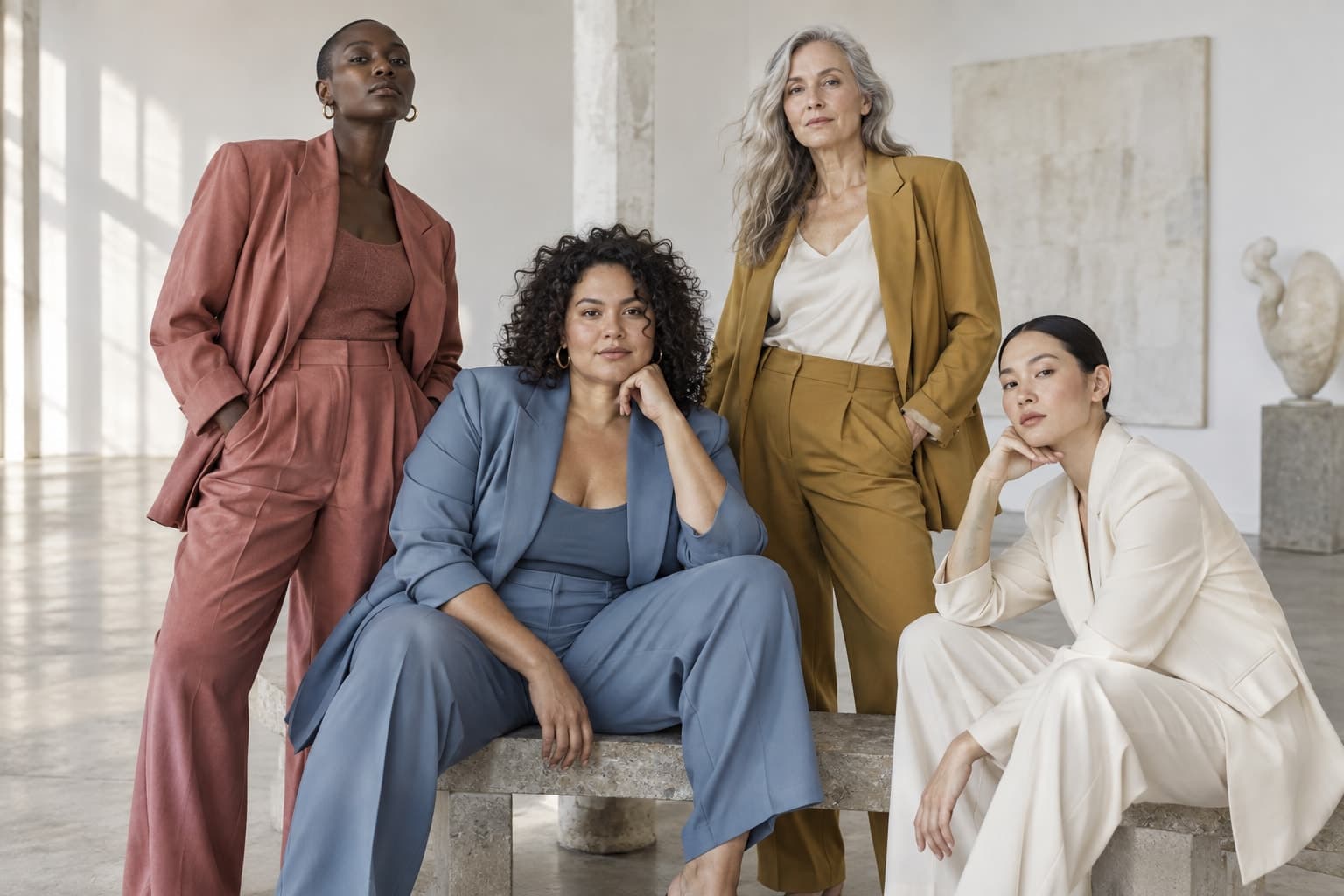
Plan representation across a collection with a thoughtful casting brief, meaningful review, and accurate product context.
Use a focused market-entry experiment to learn about demand, merchandising, and practical delivery constraints.
A retrospective worksheet for connecting creative decisions, operational changes, and the lessons worth carrying forward.
A grounded process for reviewing fashion signals without confusing online attention with demand for your collection.
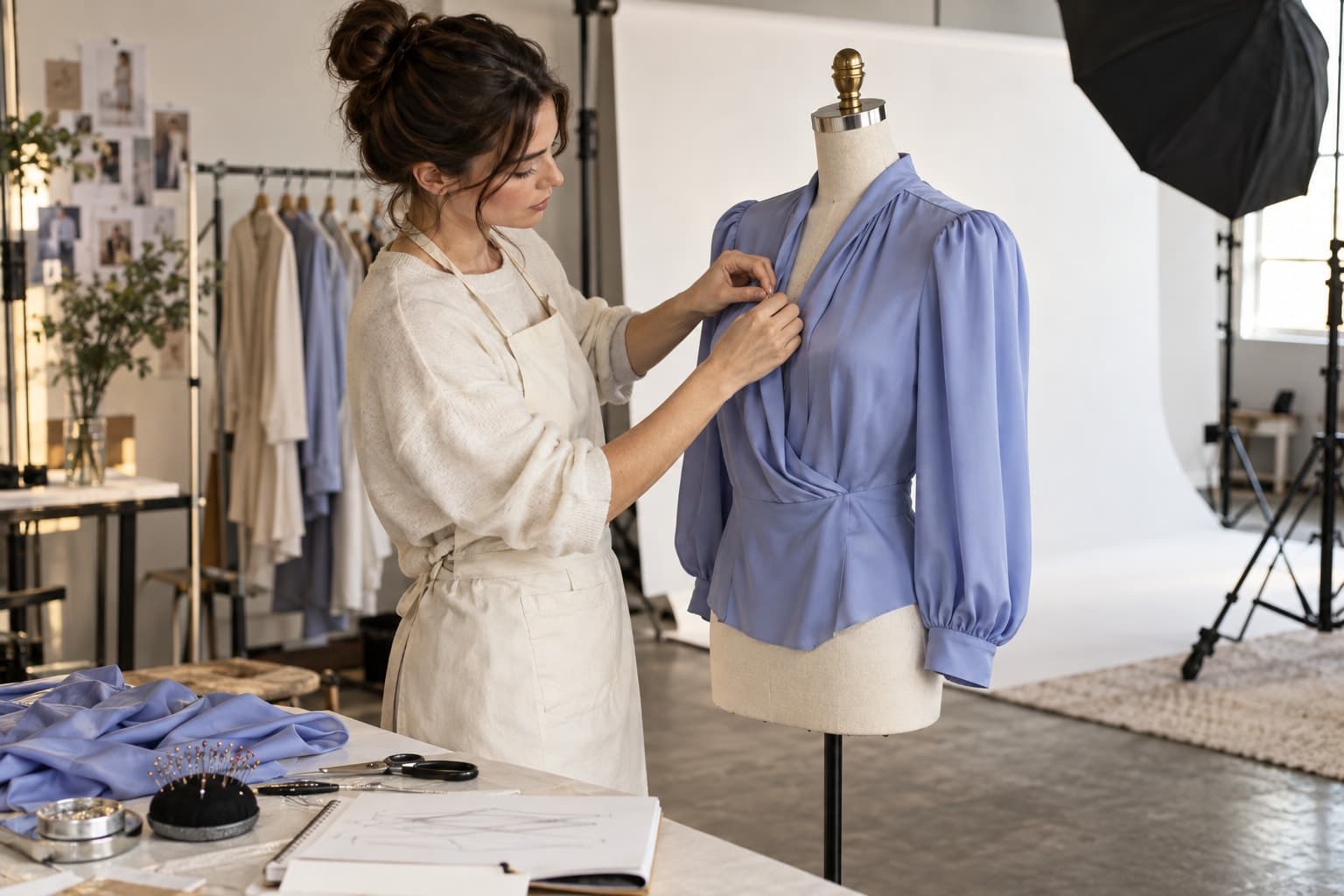
Plan the input, review, and export stages that turn image generation into a usable commerce workflow.
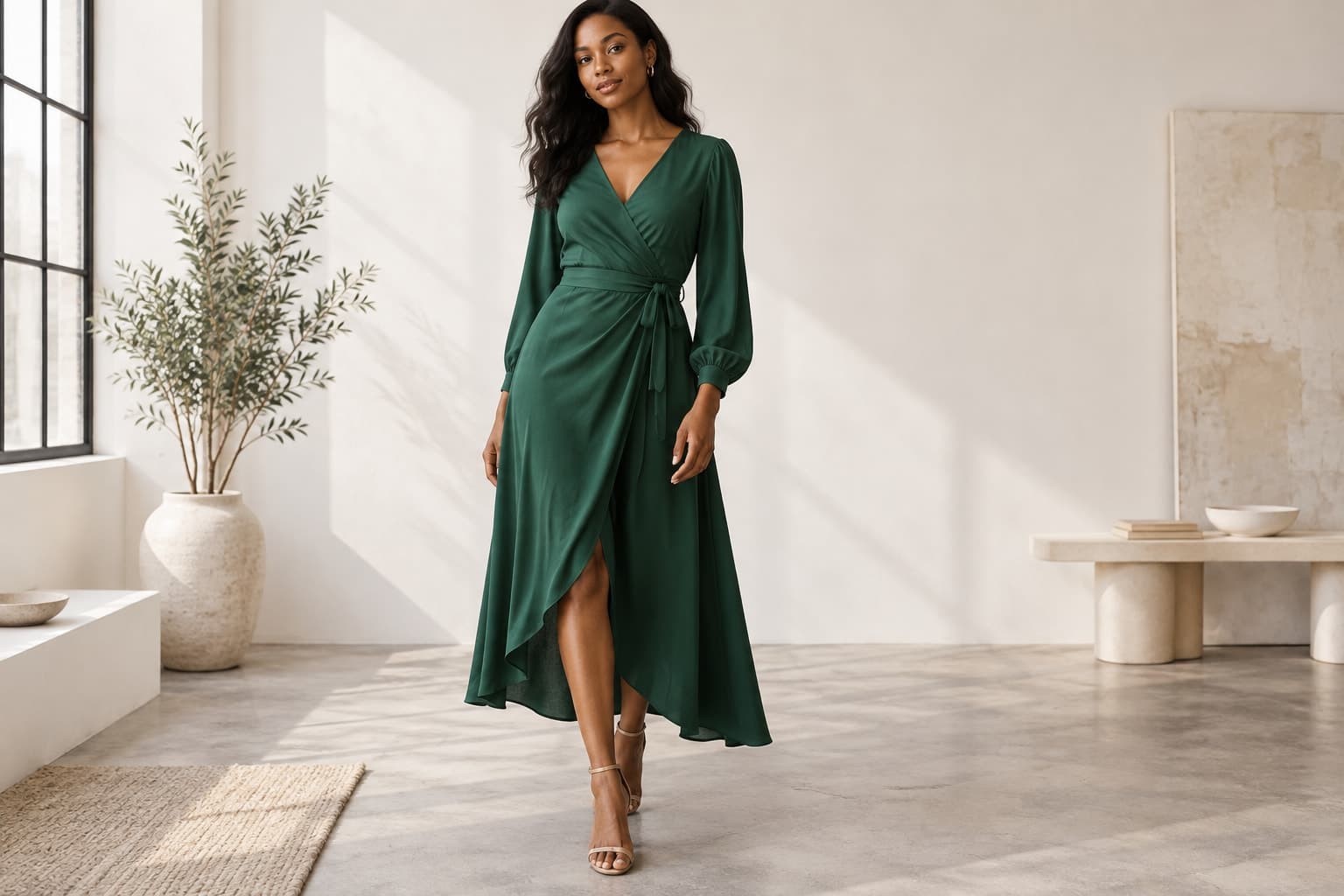
Give every product image a clear role, from first impression to the details that help a shopper decide.
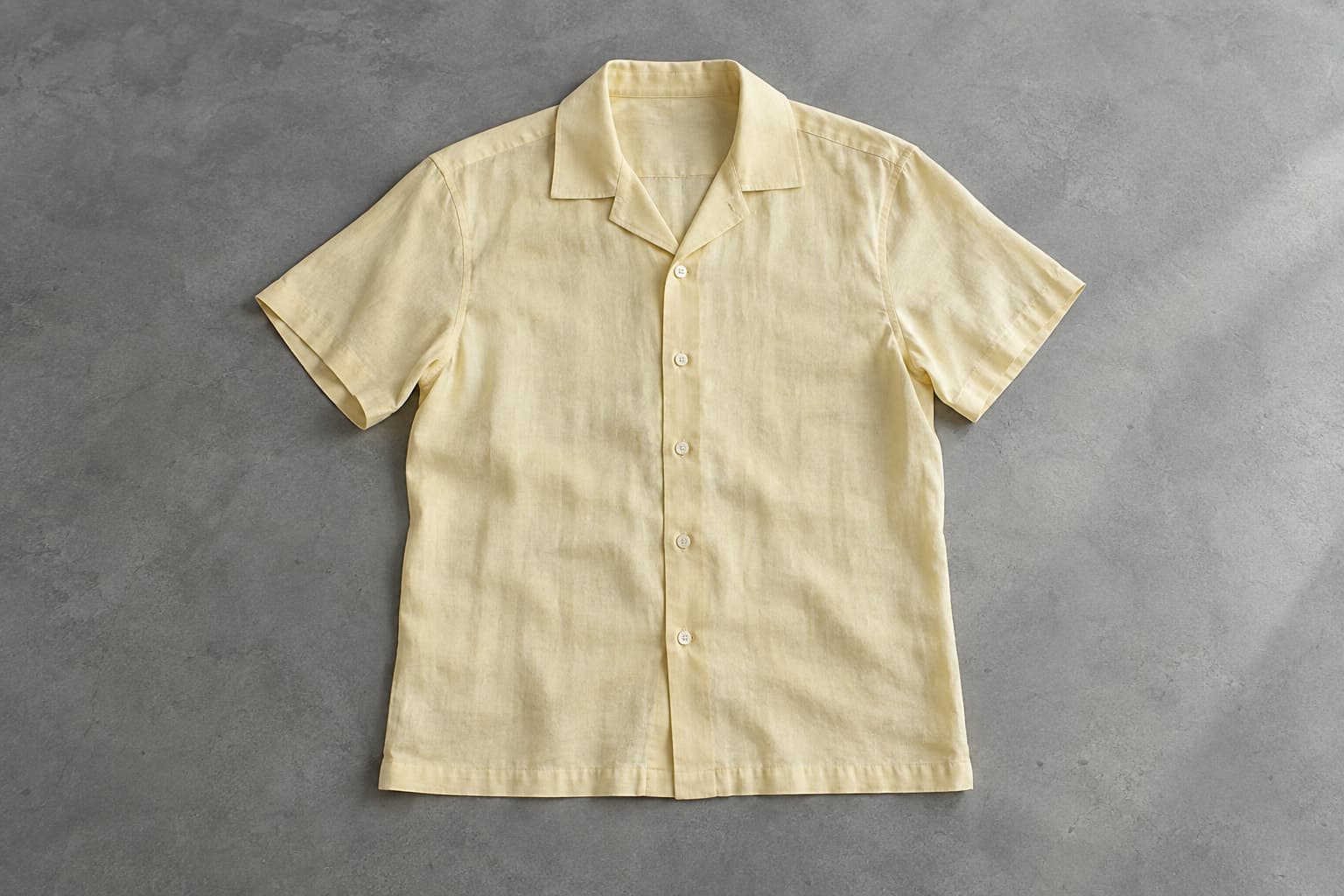
Prepare flat-lay references for on-body image experiments while keeping construction, fit, and uncertainty visible.
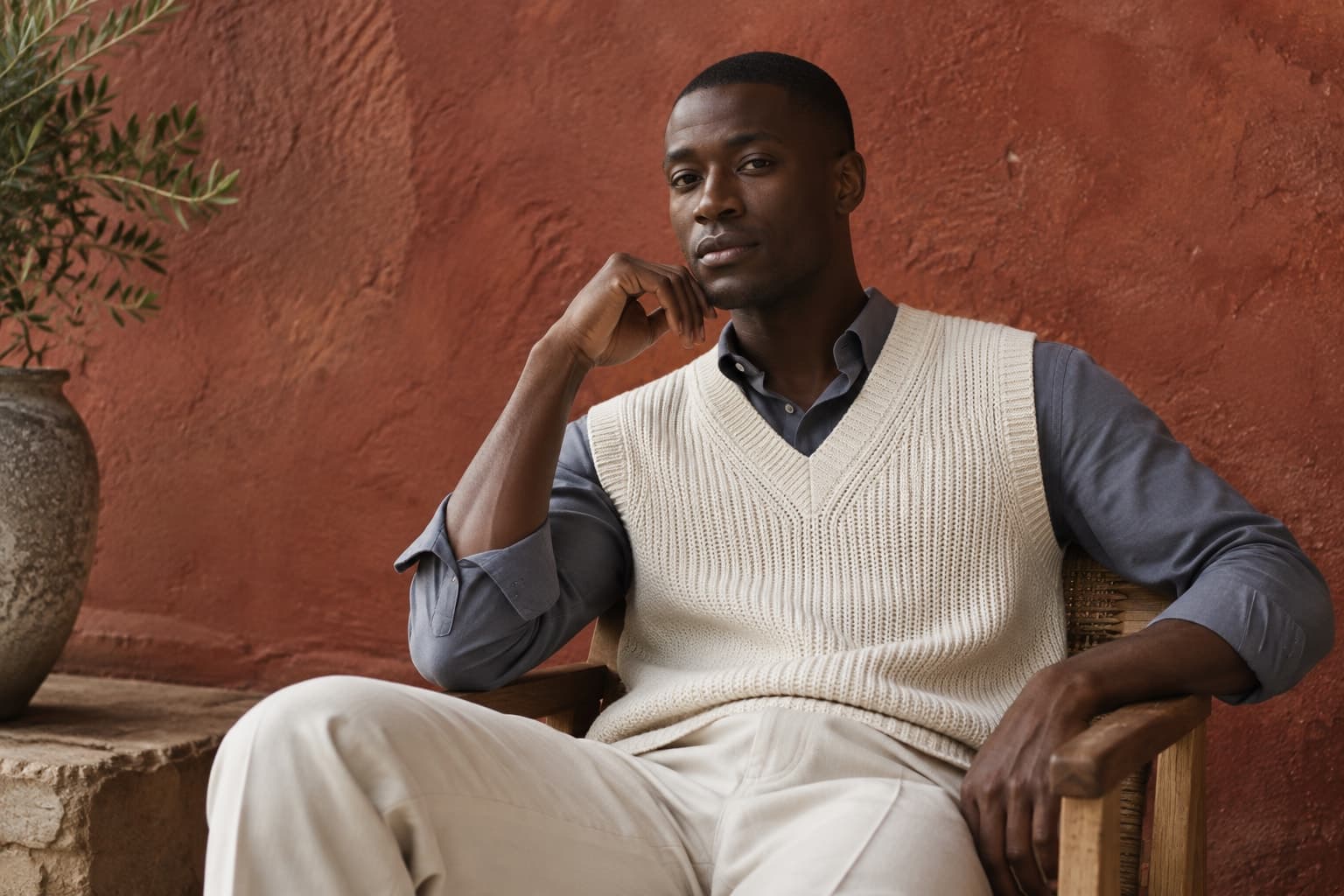
Balance recognizable visual identity with enough variation to keep a collection fresh and easy to understand.
Design a small creator partnership program with useful briefs, clear expectations, and room for an authentic point of view.
Translate a brand mood into practical image decisions that survive new products, collaborators, and production tools.
Introduce a bounded image workflow with clear responsibilities, product checks, and an honest assessment of finished-asset cost.
Start an image experiment with a clear source, a simple creative goal, and a practical review checklist.
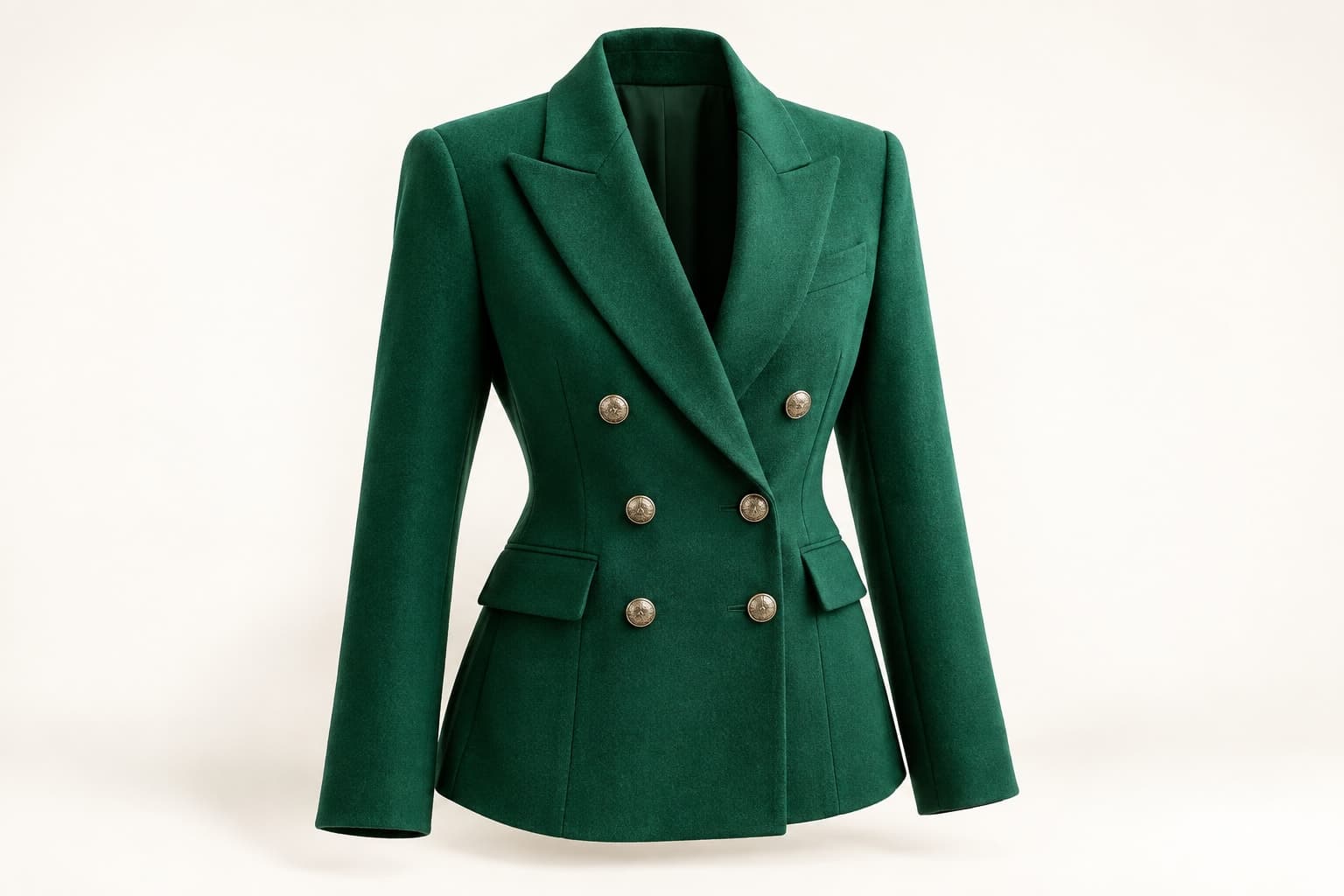
Plan garment preparation, supporting captures, and retouching so a clean silhouette still represents the real item.
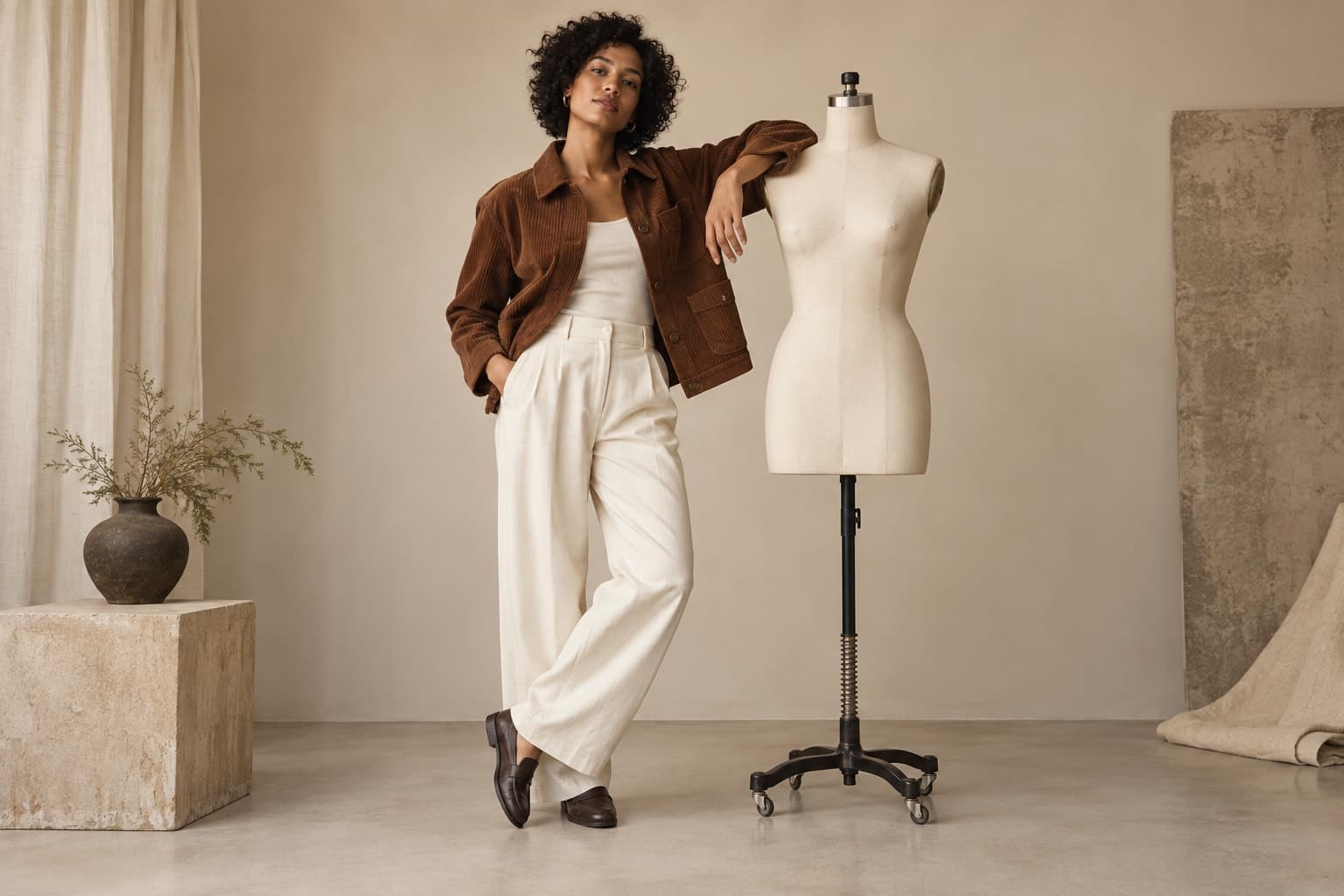
Use existing mannequin photography as one reference in a carefully reviewed styling workflow.
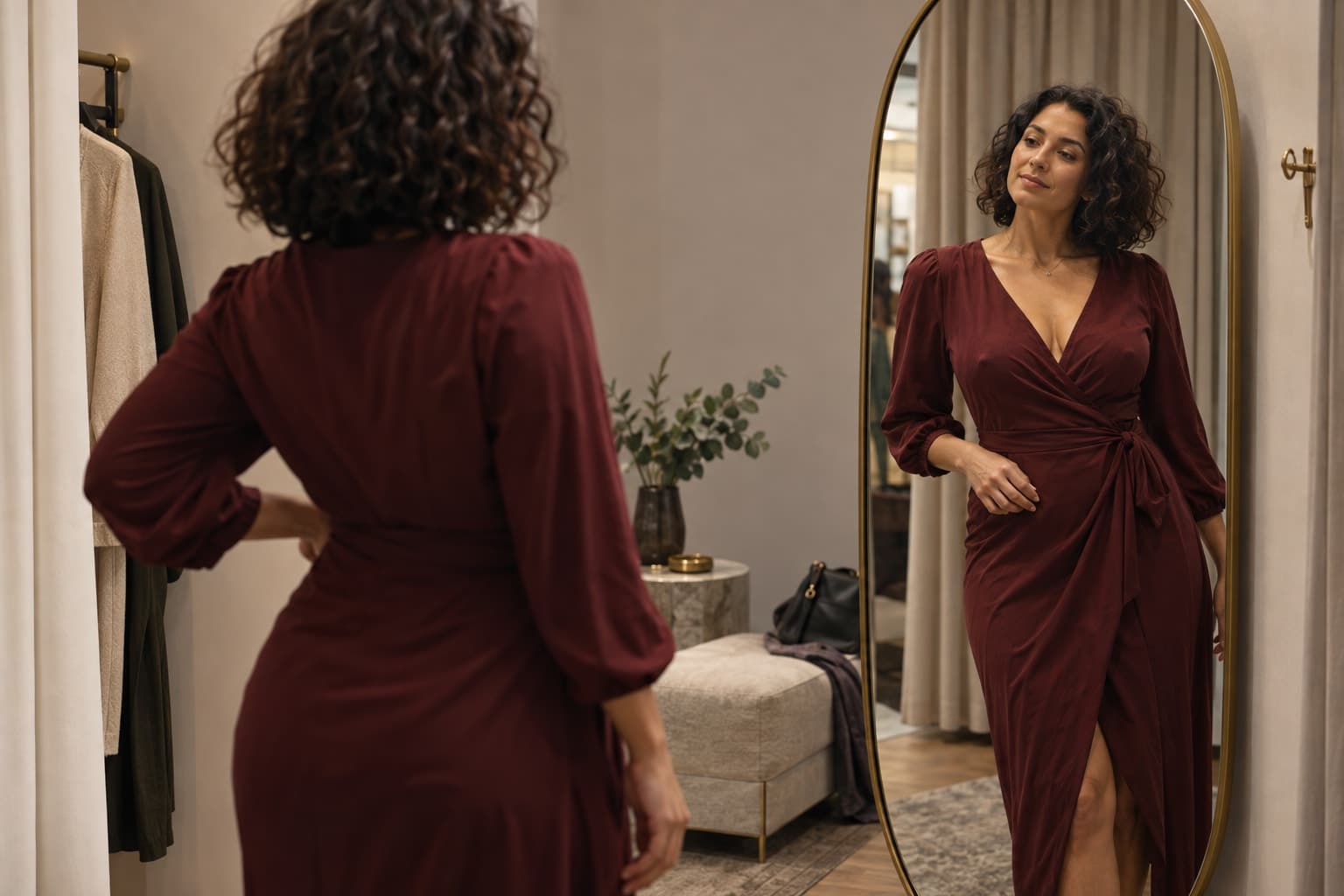
Explain visual try-on clearly, distinguish it from fit advice, and decide what belongs in the surrounding product experience.
Clarify creative purpose, likeness permissions, and approval responsibilities before using a real-person digital likeness.
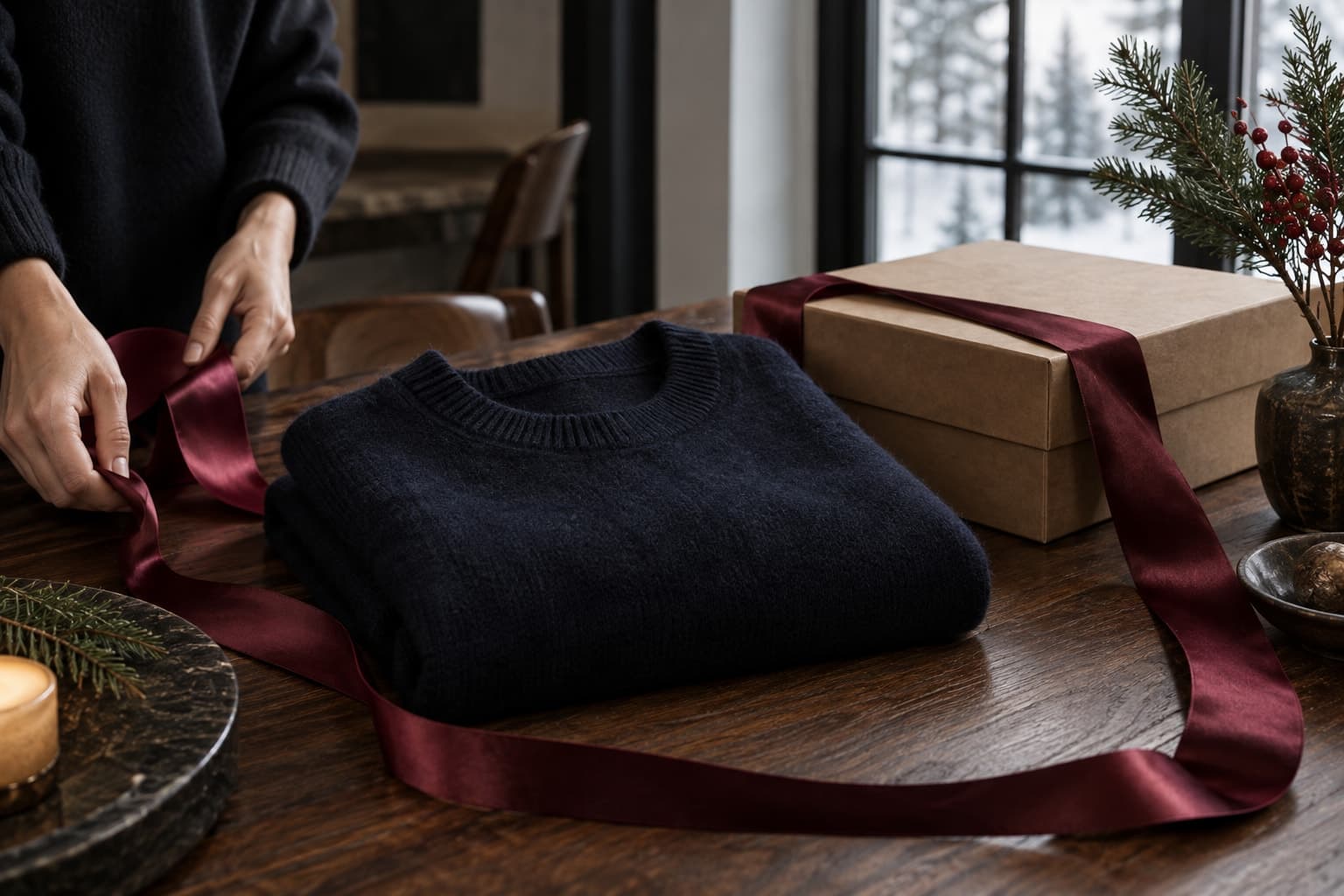
Use a holiday retrospective to improve product readiness, campaign handoffs, and customer information for the next peak period.
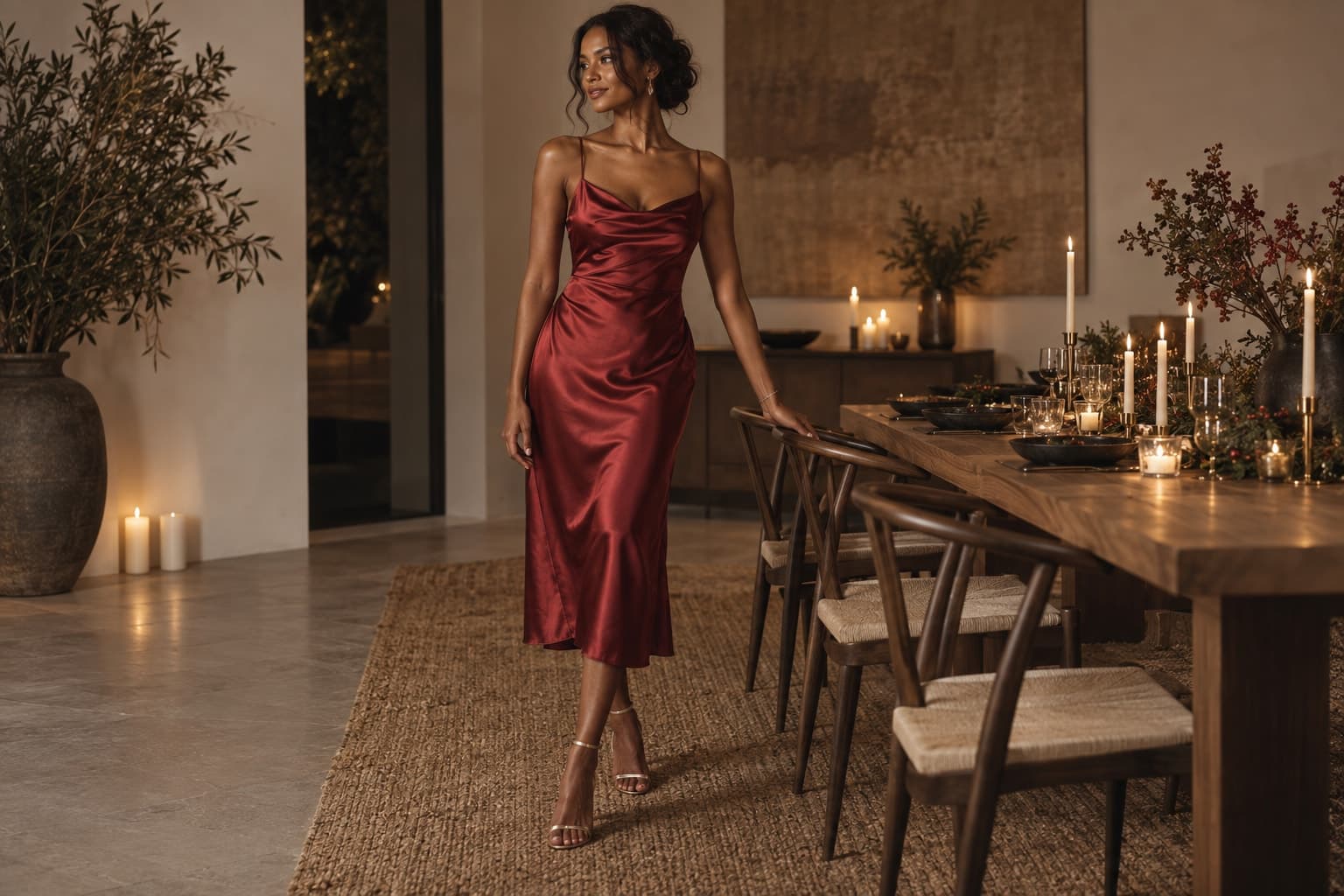
Choose a focused seasonal story, a manageable asset set, and a promotion calendar that matches your operating capacity.
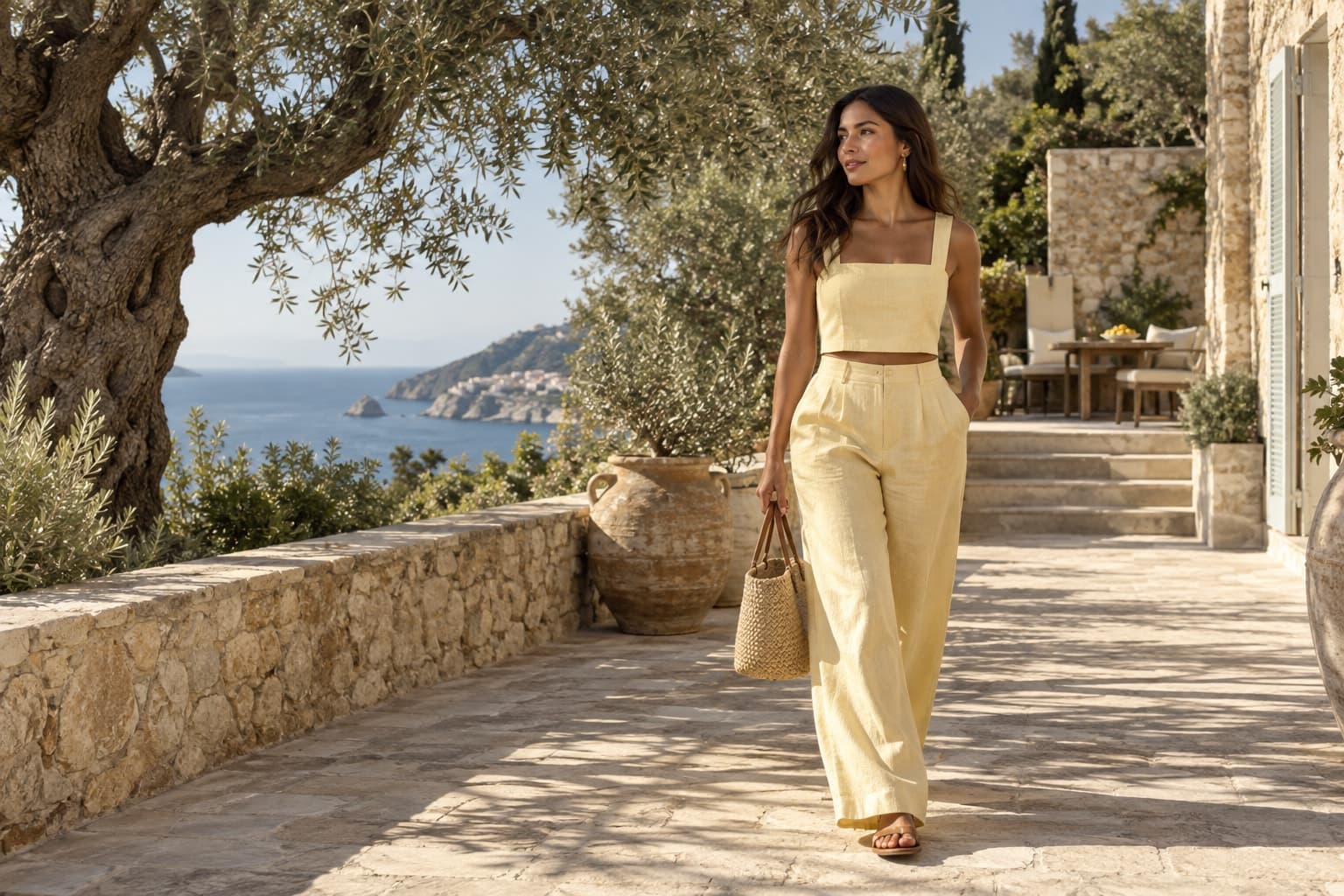
A retrospective creative exercise for turning warm-weather references into a collection-specific styling language.
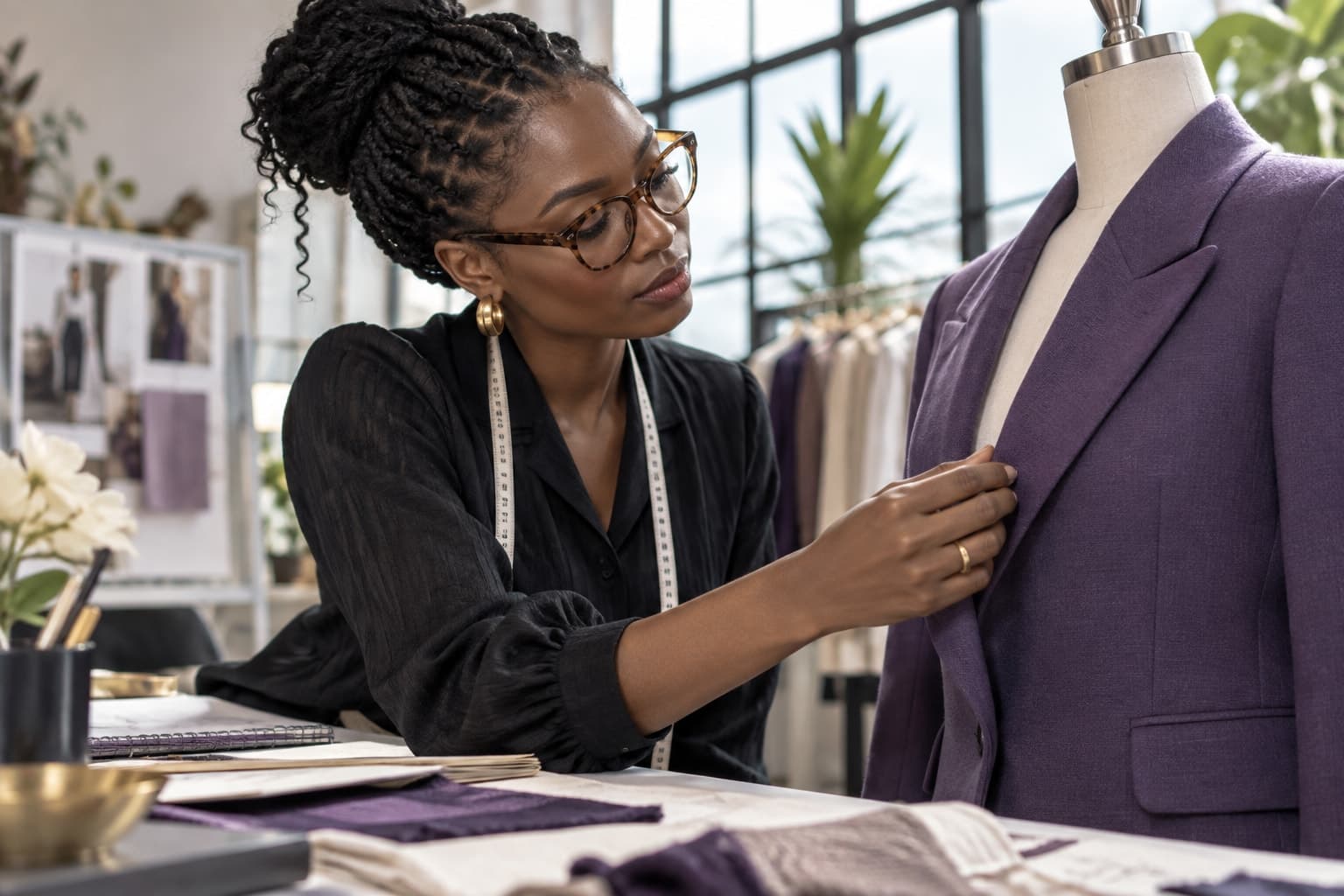
Evaluate accuracy, repeatability, cost, and handoffs with a small but representative product imagery trial.
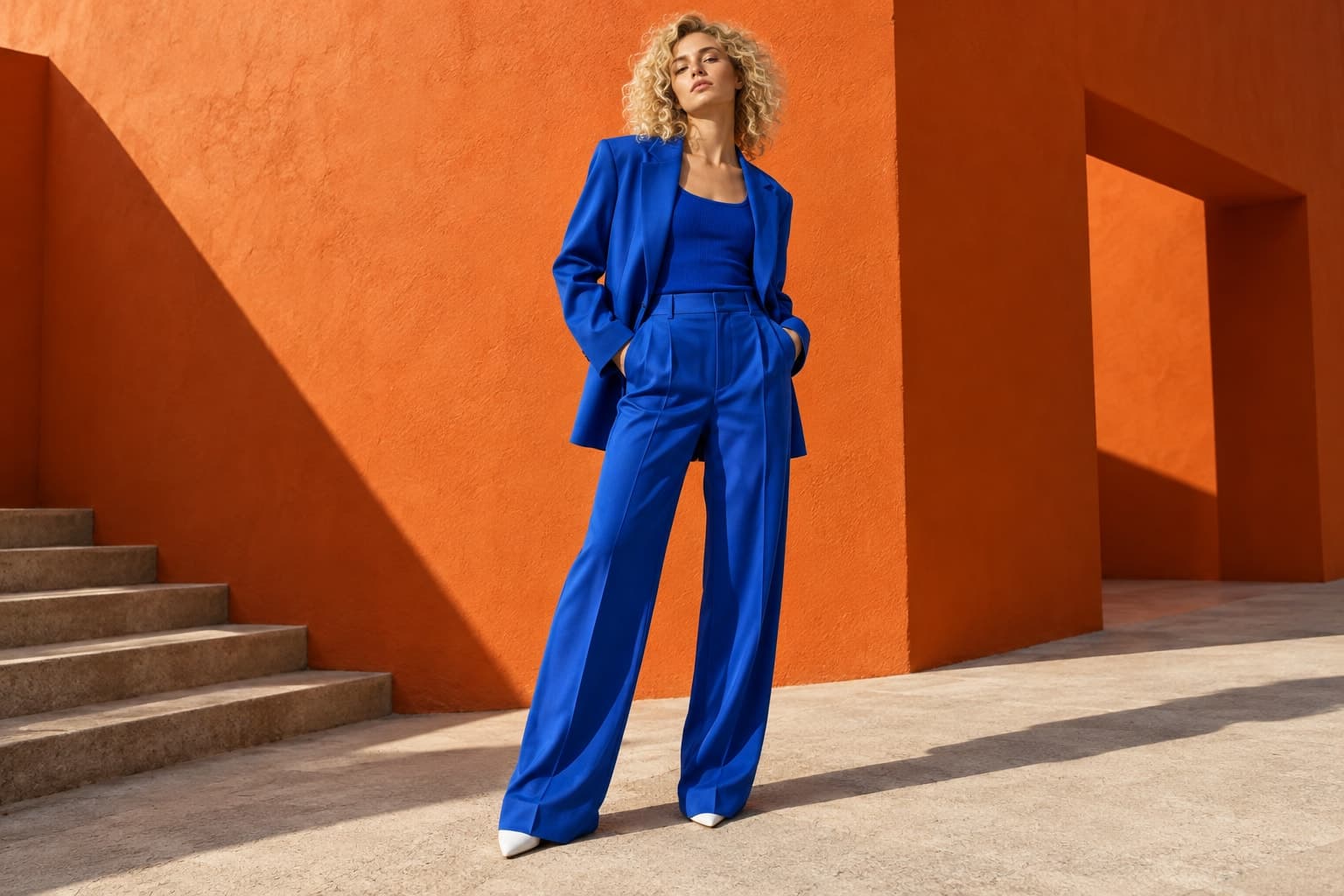
Connect creative changes to a controlled advertising experiment and interpret results alongside the rest of the buying journey.
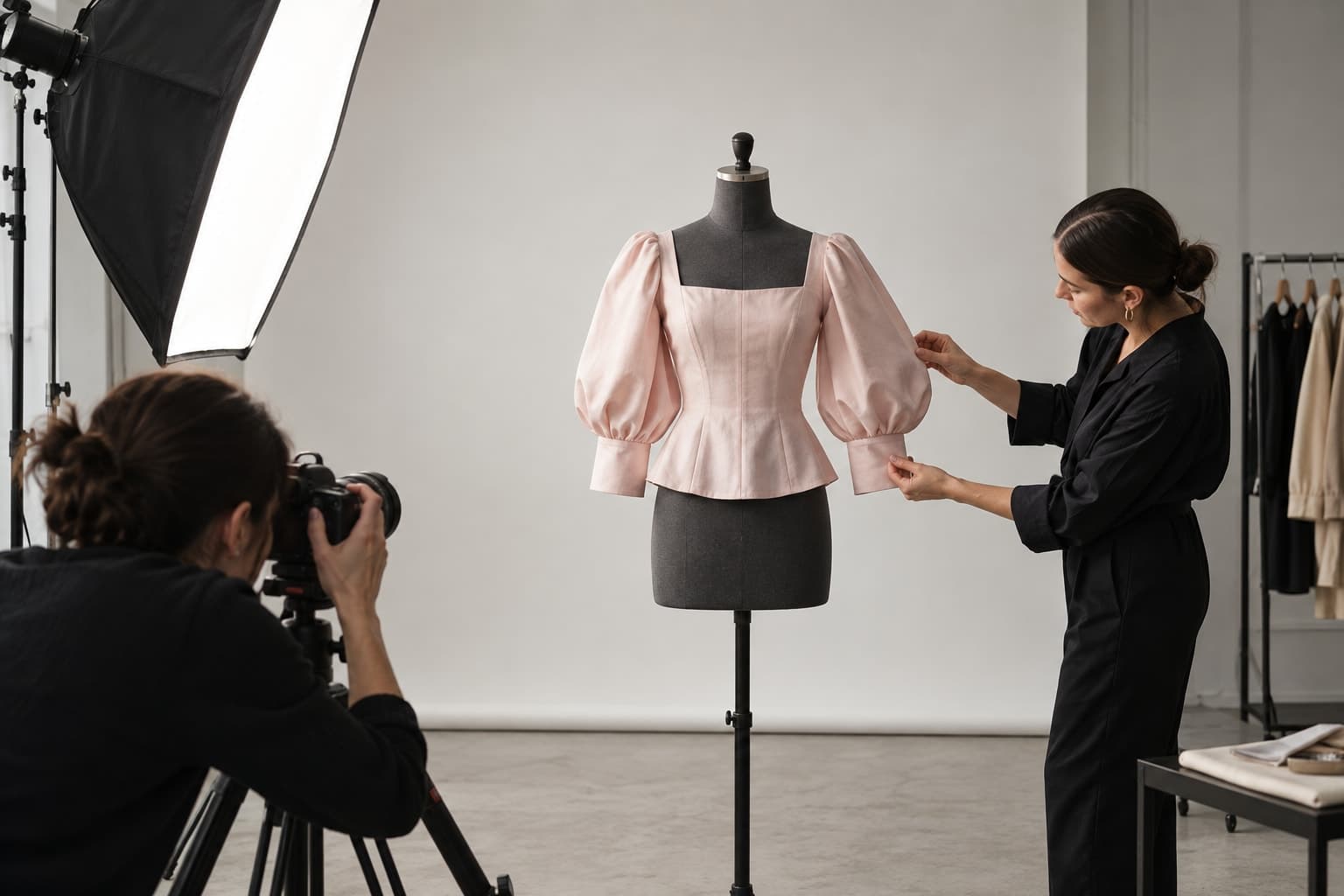
Use a repeatable mannequin setup that shows shape and construction without disguising the product.
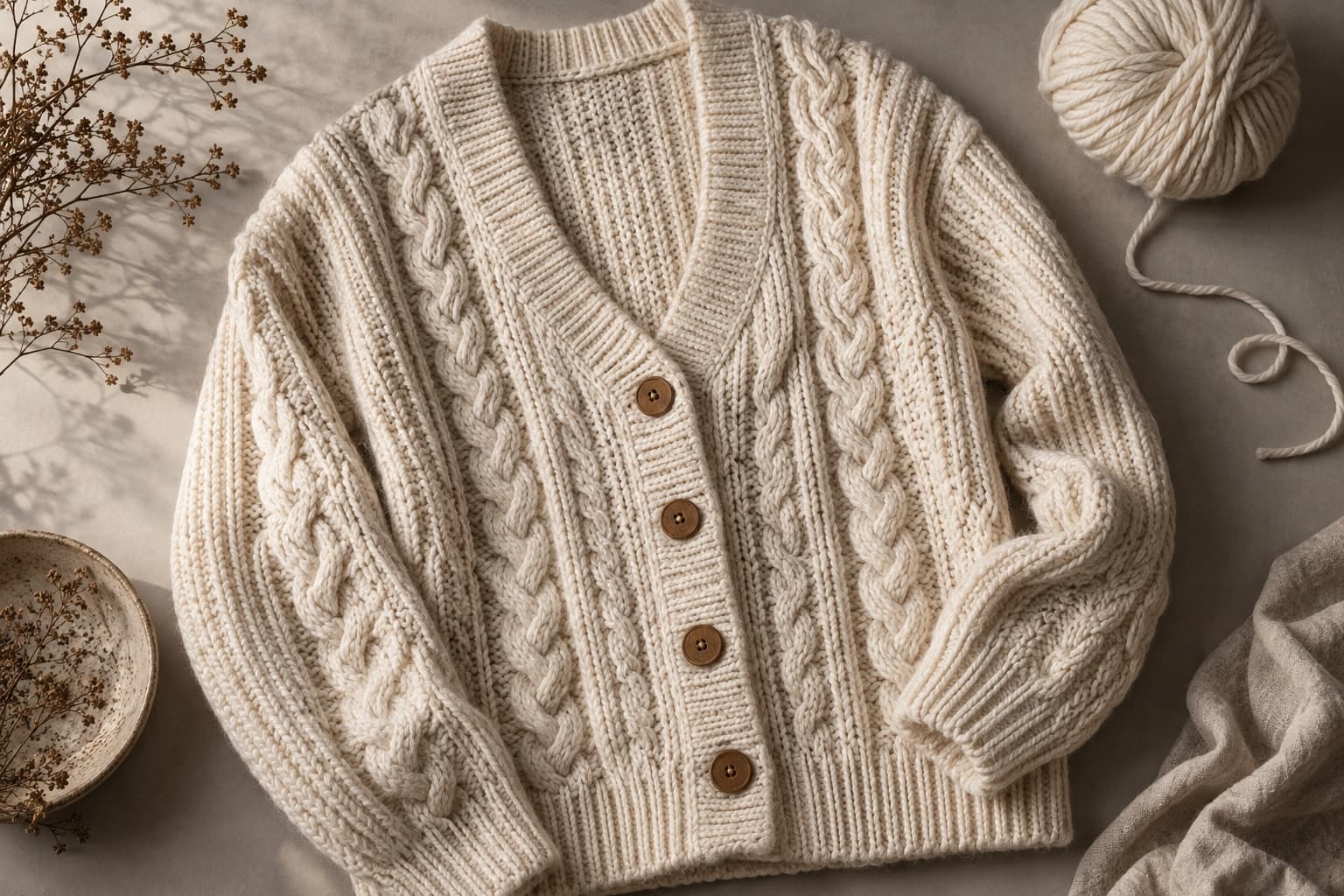
Turn verified garment facts into clear, useful copy that complements the images and supports a confident buying decision.
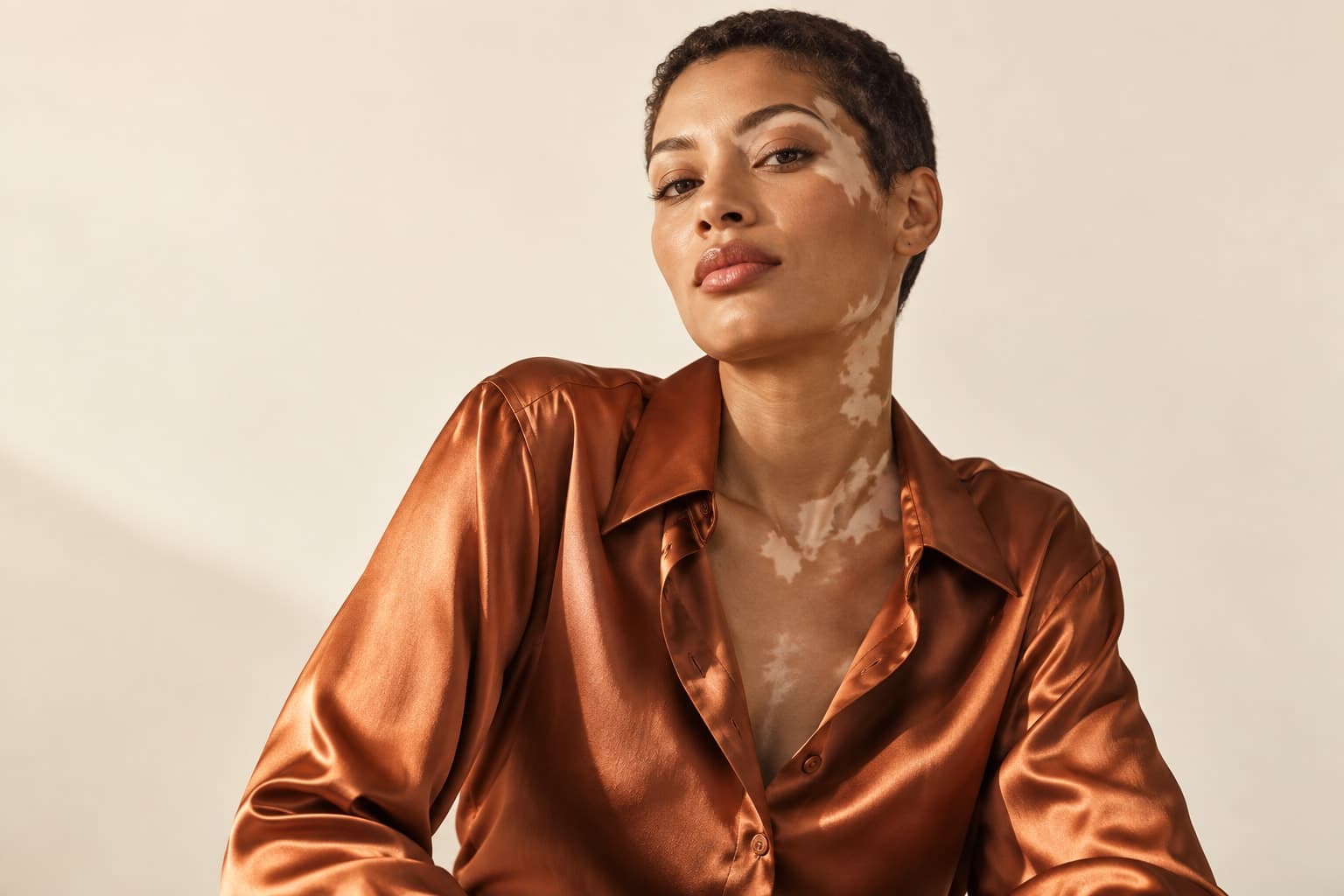
Build a practical casting brief for synthetic fashion imagery without inventing a model's identity or confusing a concept with product evidence.
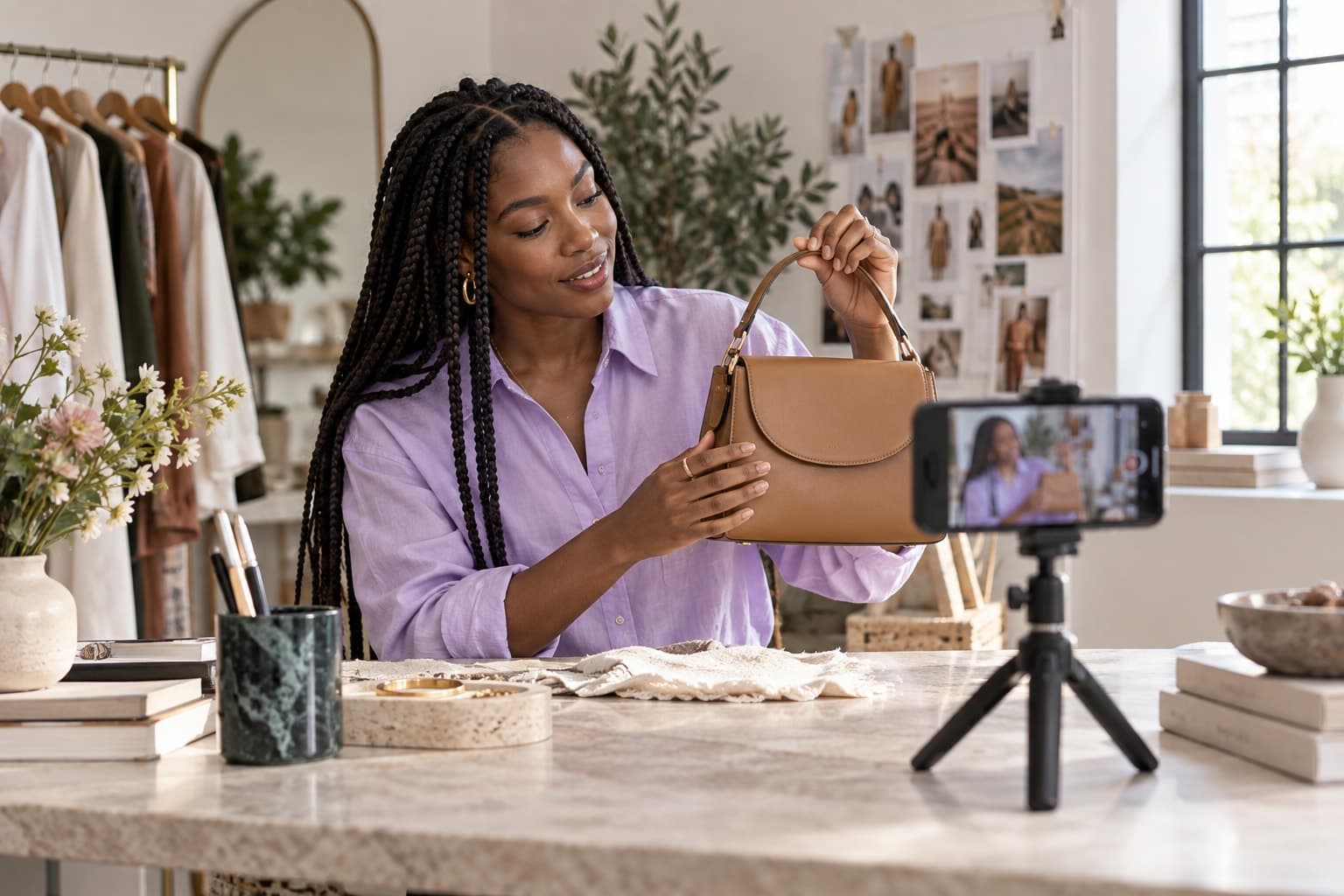
Plan a focused creator collaboration with a usable brief, an explicit deliverable list, and a measurement plan that fits a small brand.
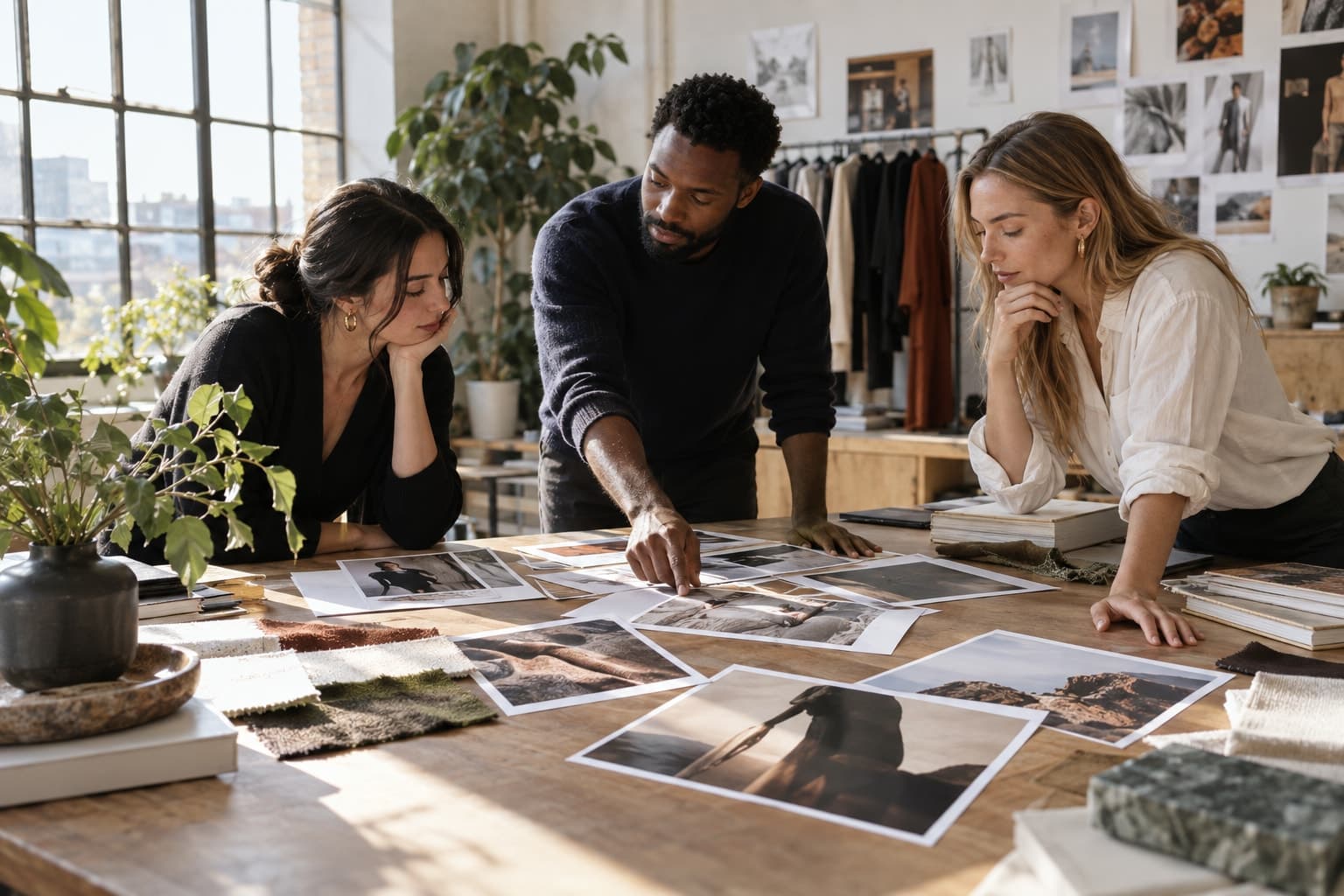
Use a retrospective worksheet to review a past year of fashion content without mistaking output volume for useful work.
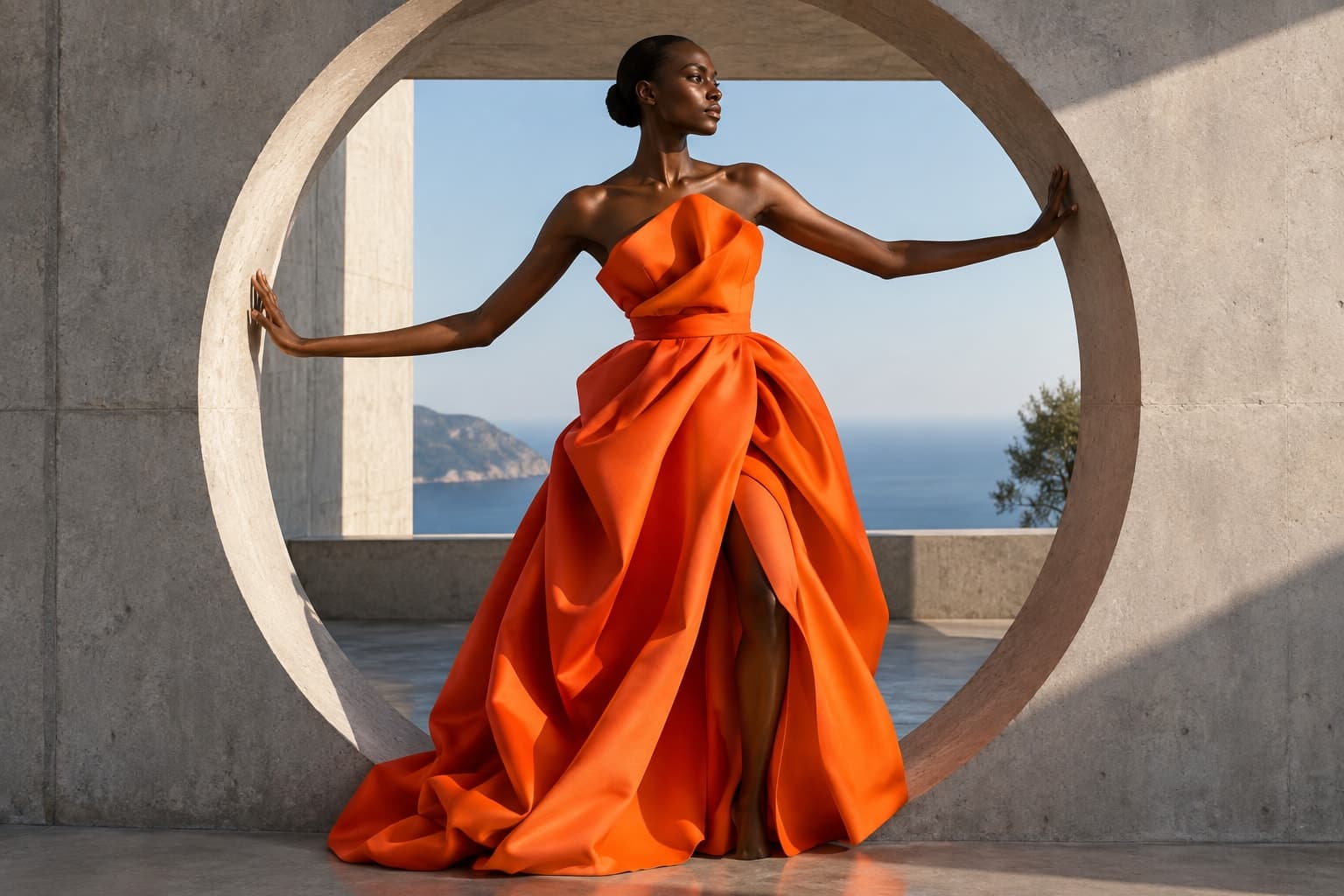
Give an unconventional fashion campaign a coherent visual system, from the first concept to the final product checks.
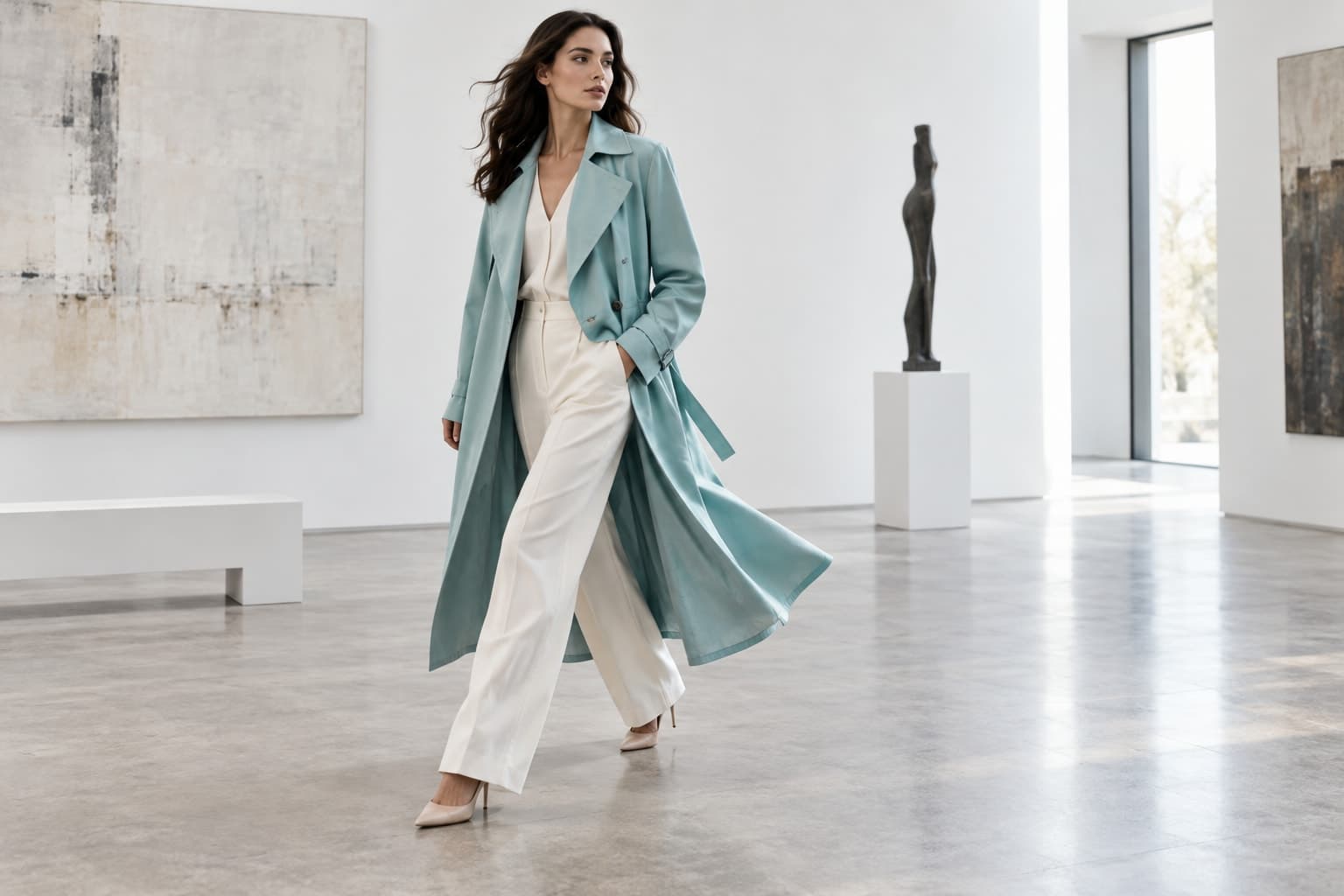
Plan a short fashion clip around one readable action, with practical checks for garment accuracy, loops, and silent viewing.
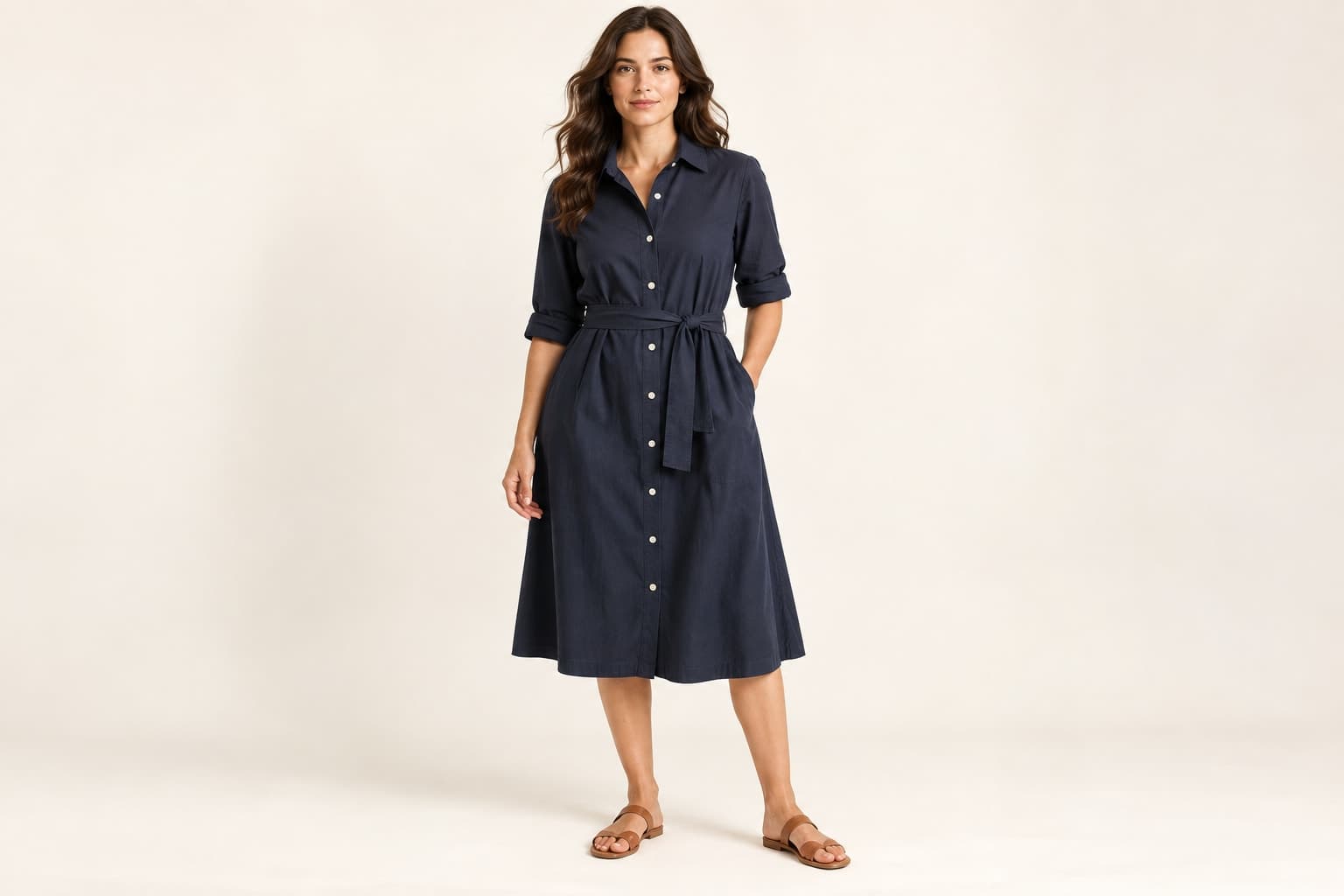
Build a useful clothing listing with a focused shot list that answers product questions before adding decorative imagery.
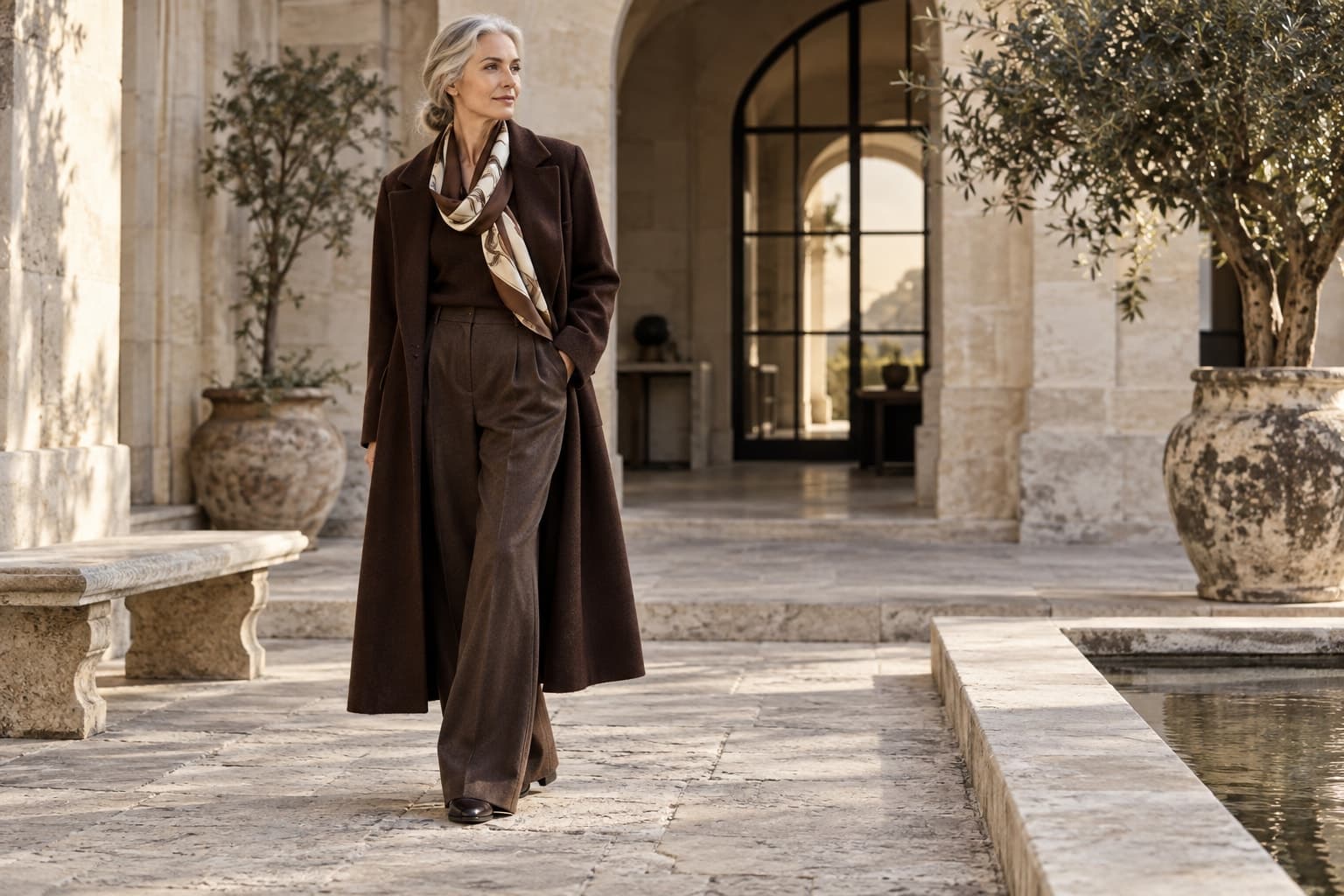
Use a 2025-themed creative workshop to distinguish lasting brand codes from decorative nostalgia in luxury product imagery.
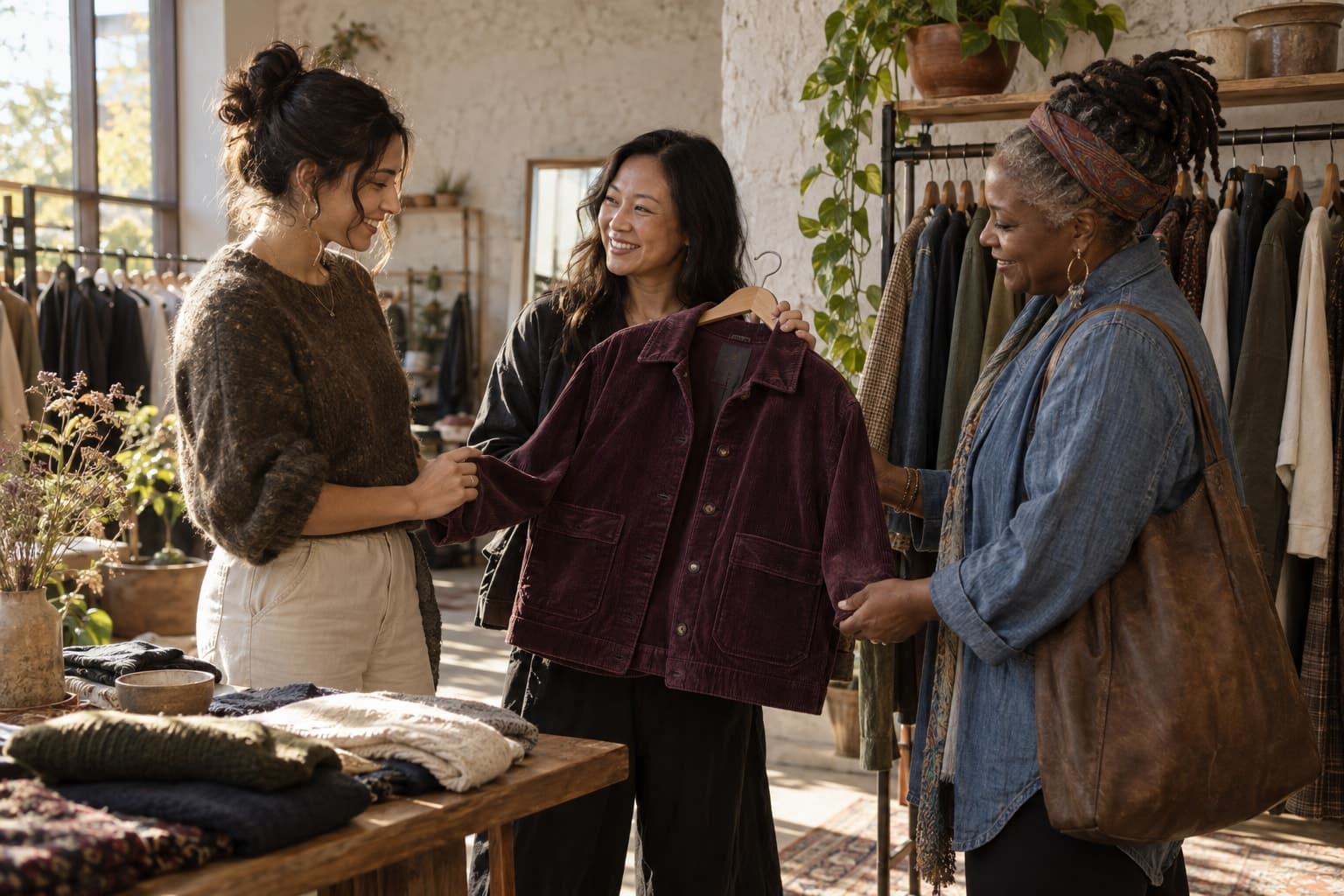
Learn from public fashion discussions without turning a community into an unsolicited advertising channel.
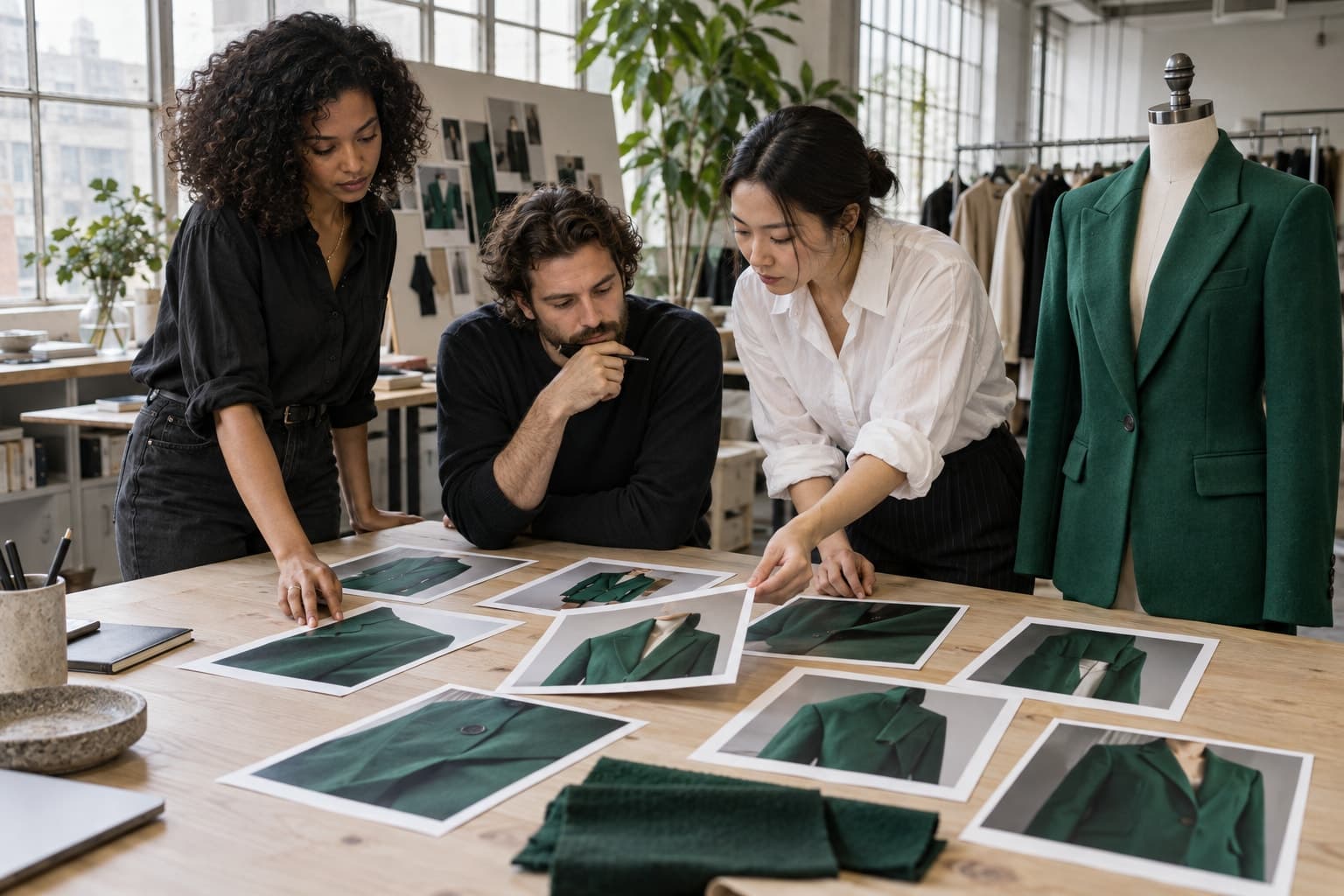
Create a clear handoff from product reference to approved fashion asset, with roles that prevent conflicting feedback.
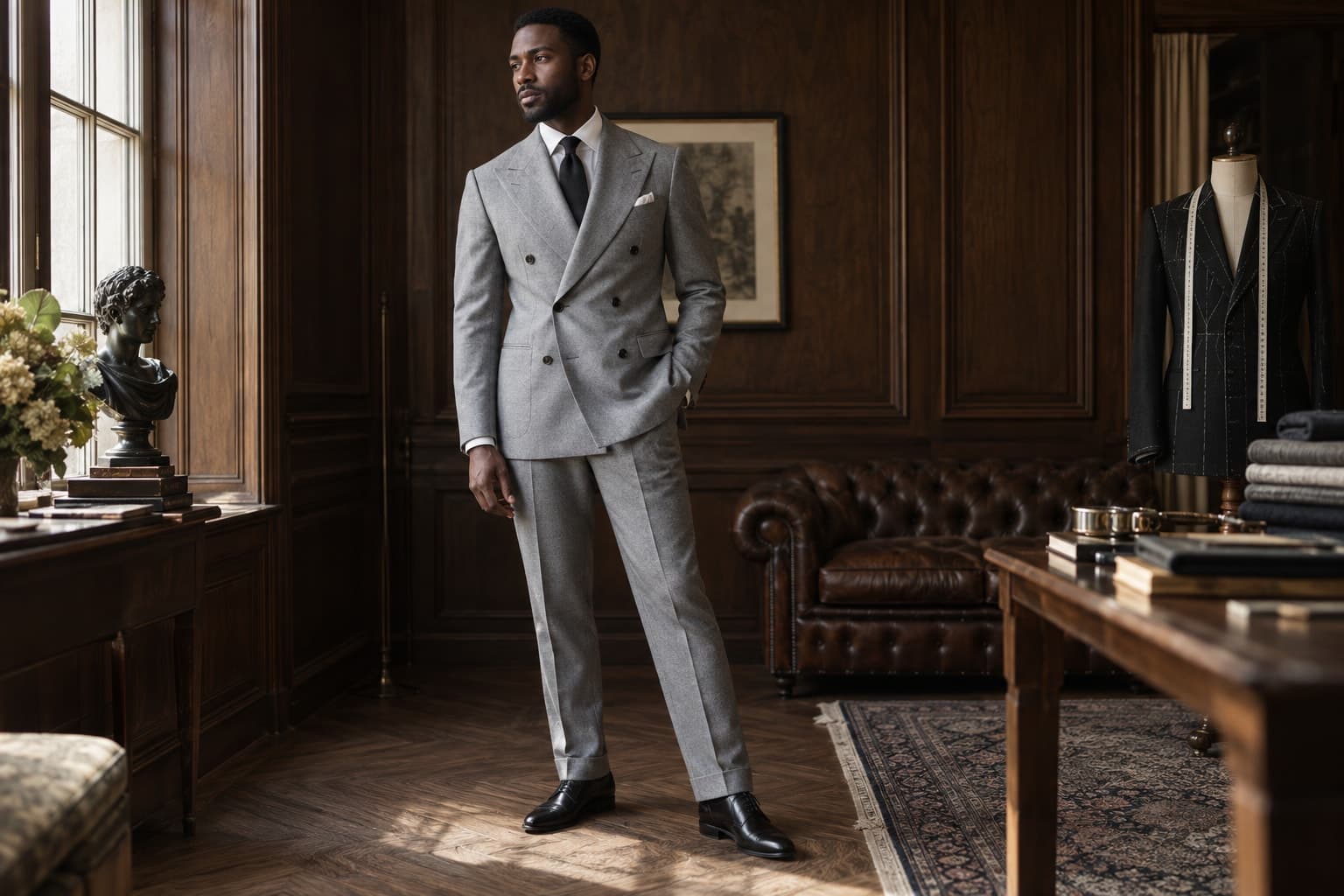
Build a tailoring shot list that reveals proportion, texture, and construction through deliberate lighting and styling.
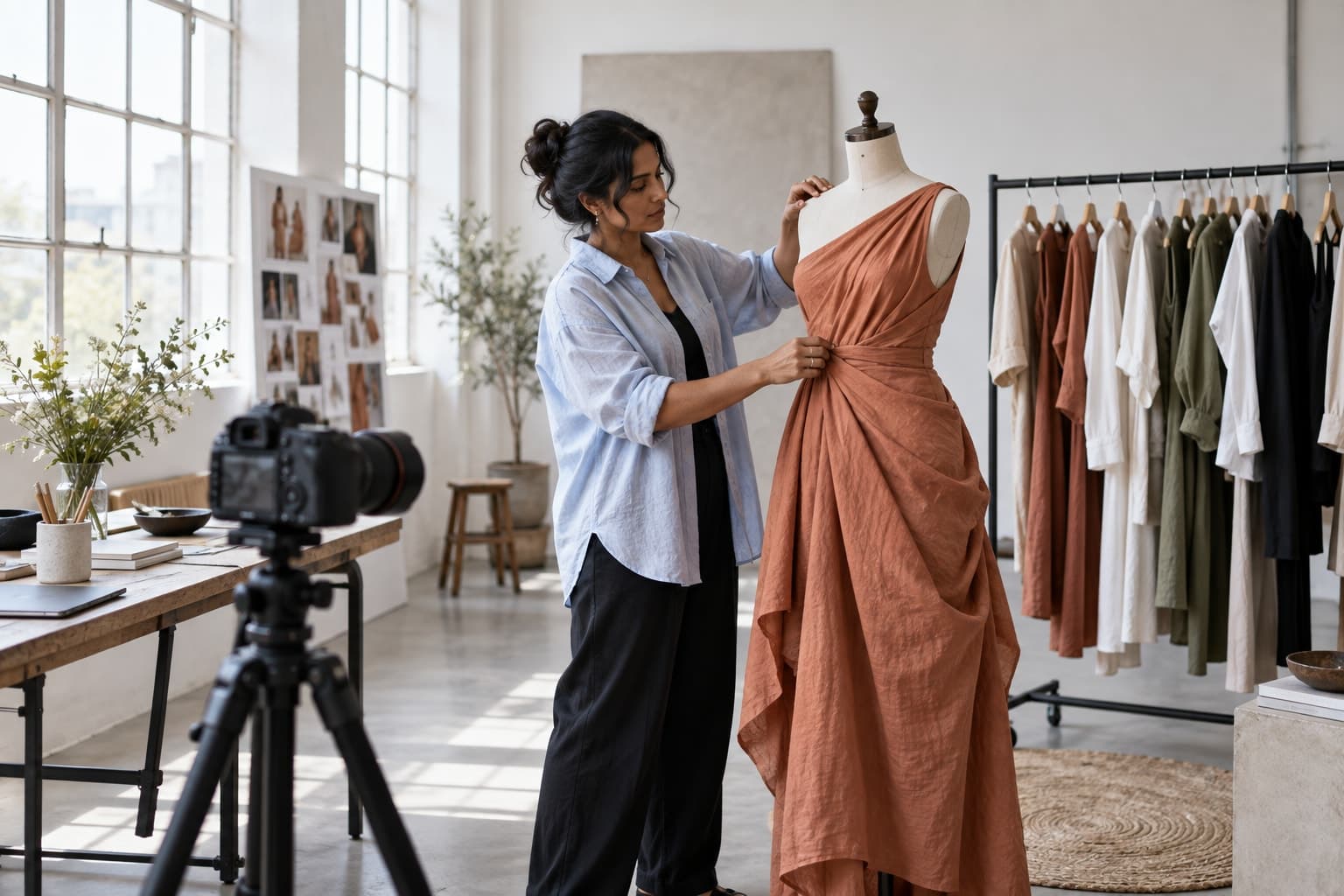
Turn a promising image experiment into a documented process with acceptance criteria, retries, and a clear fallback.
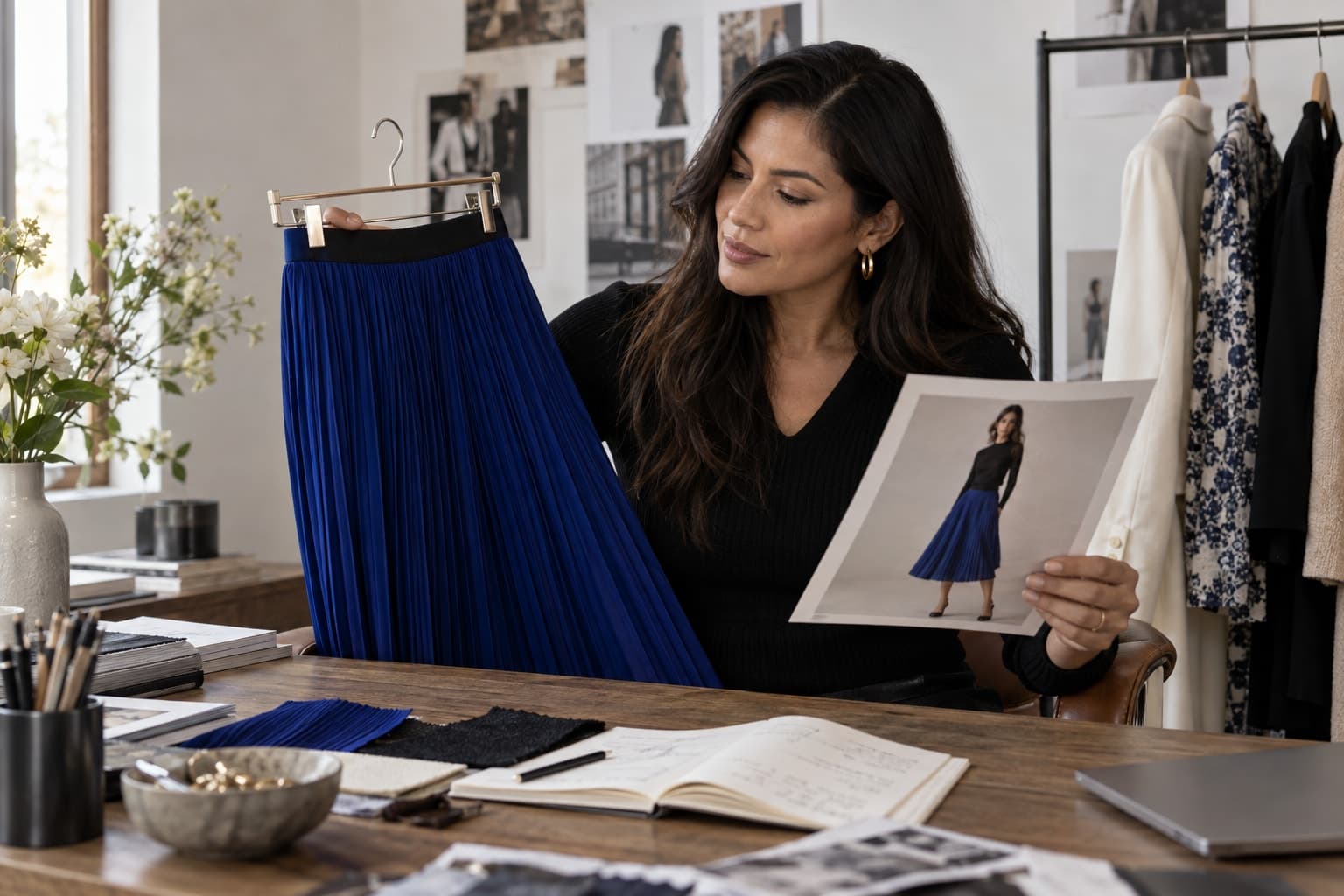
Use a limited image trial to evaluate garment fidelity, usable exports, and the complete cost of a production workflow.
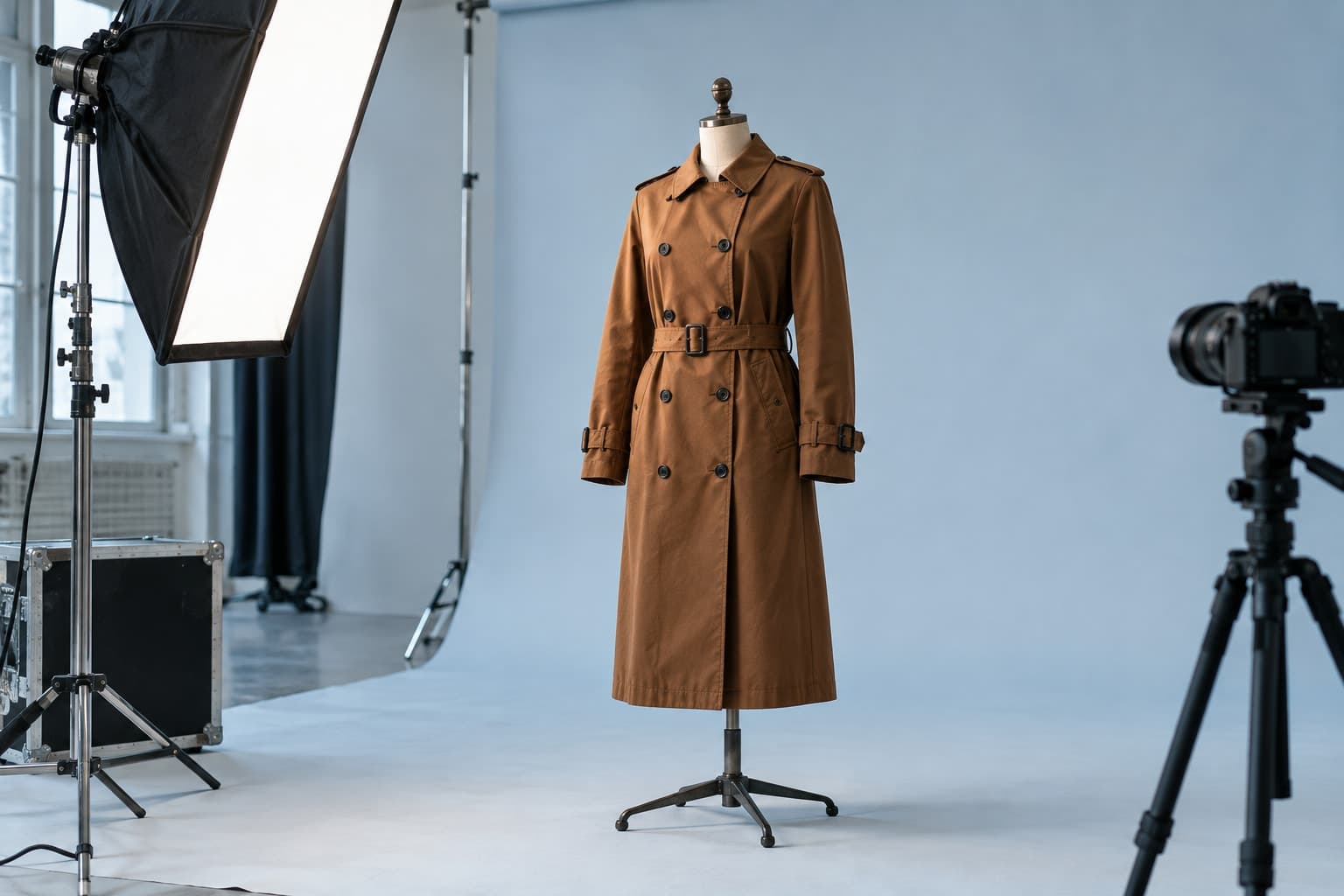
Write clear editorial disclosures that explain generated presentation without implying that it proves fit or fabric behavior.
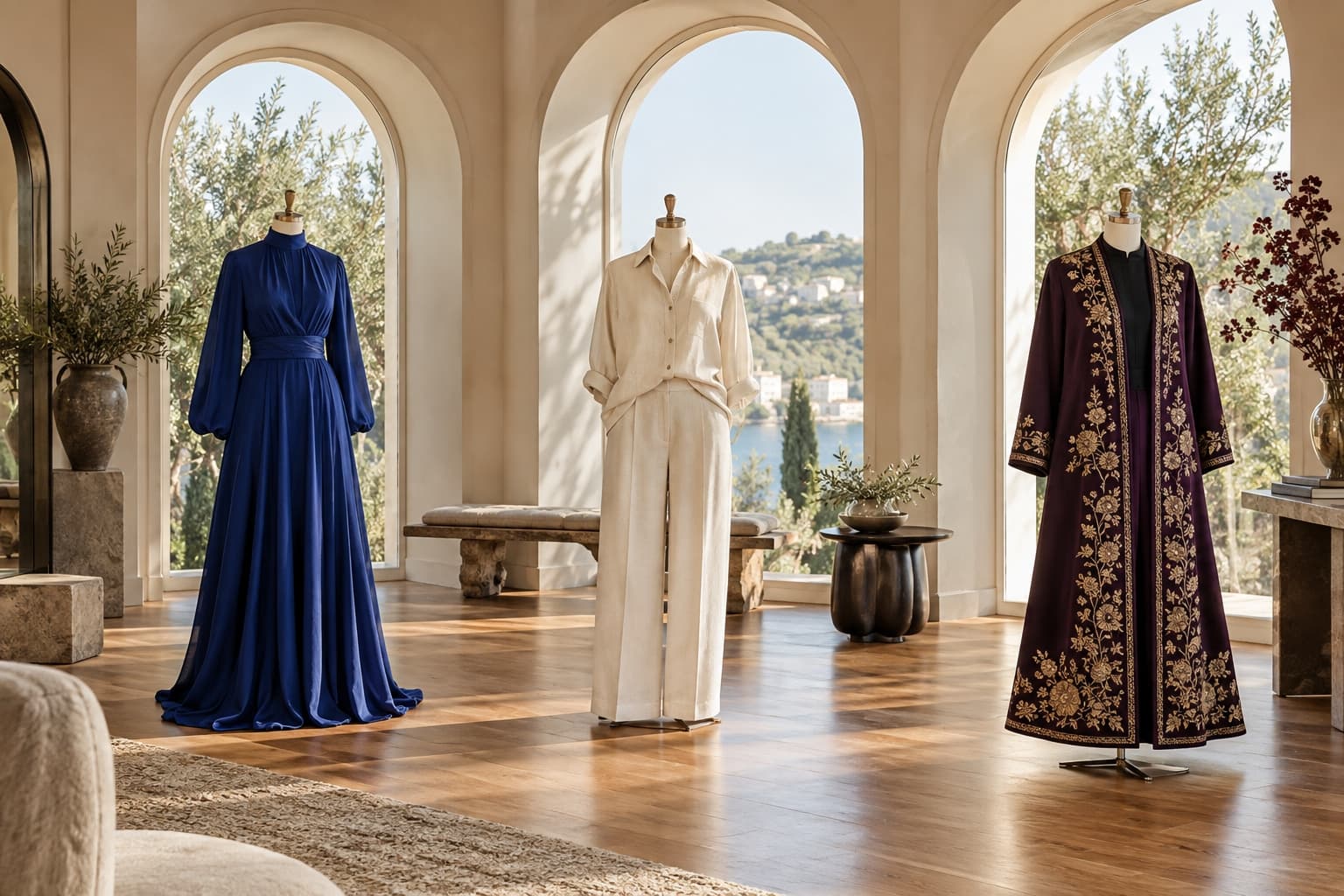
Plan separate visual priorities for occasionwear, fast-moving everyday collections, and embellished statement pieces.
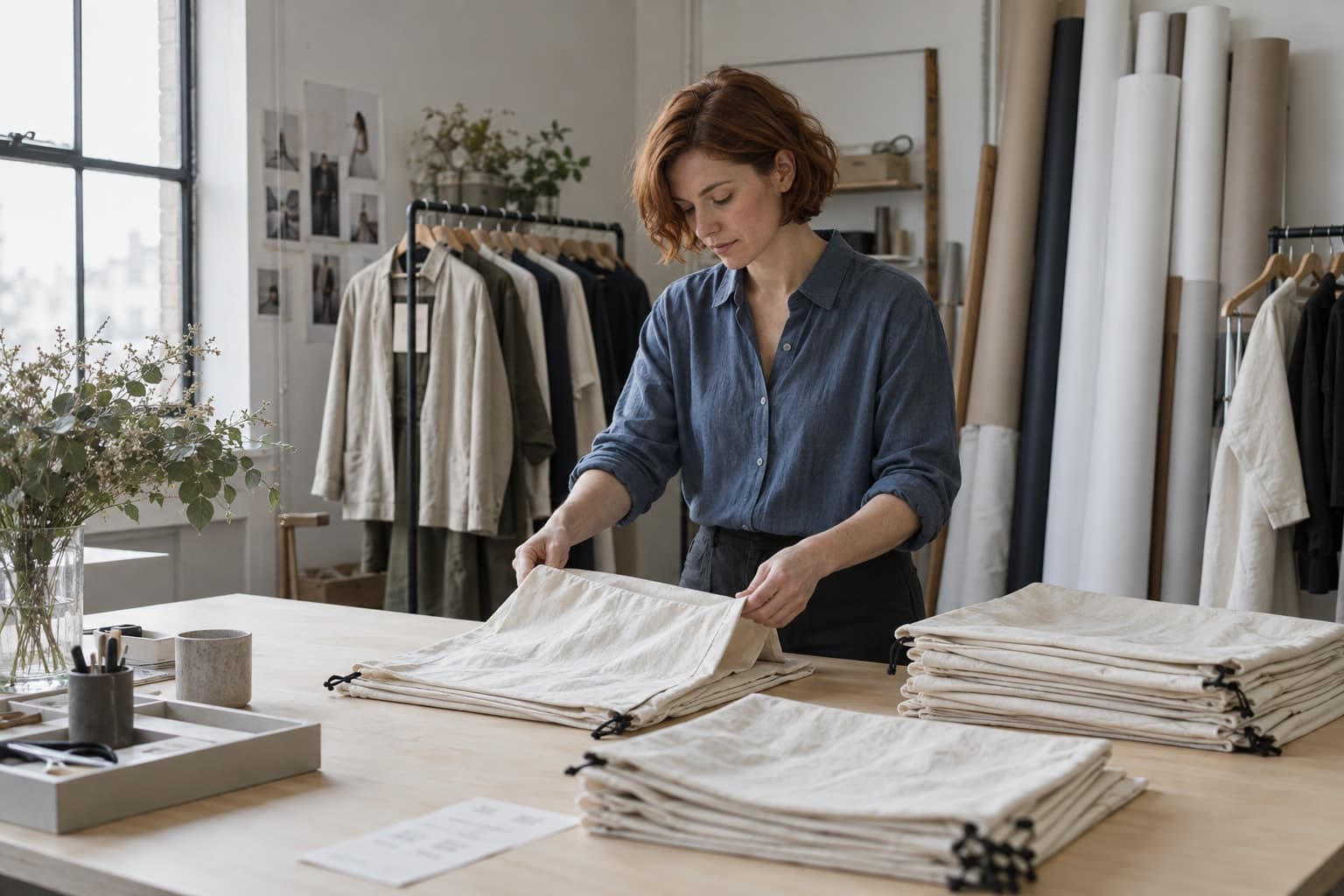
Map unused assets, avoidable reshoots, and sample handling before making claims about a more efficient content process.
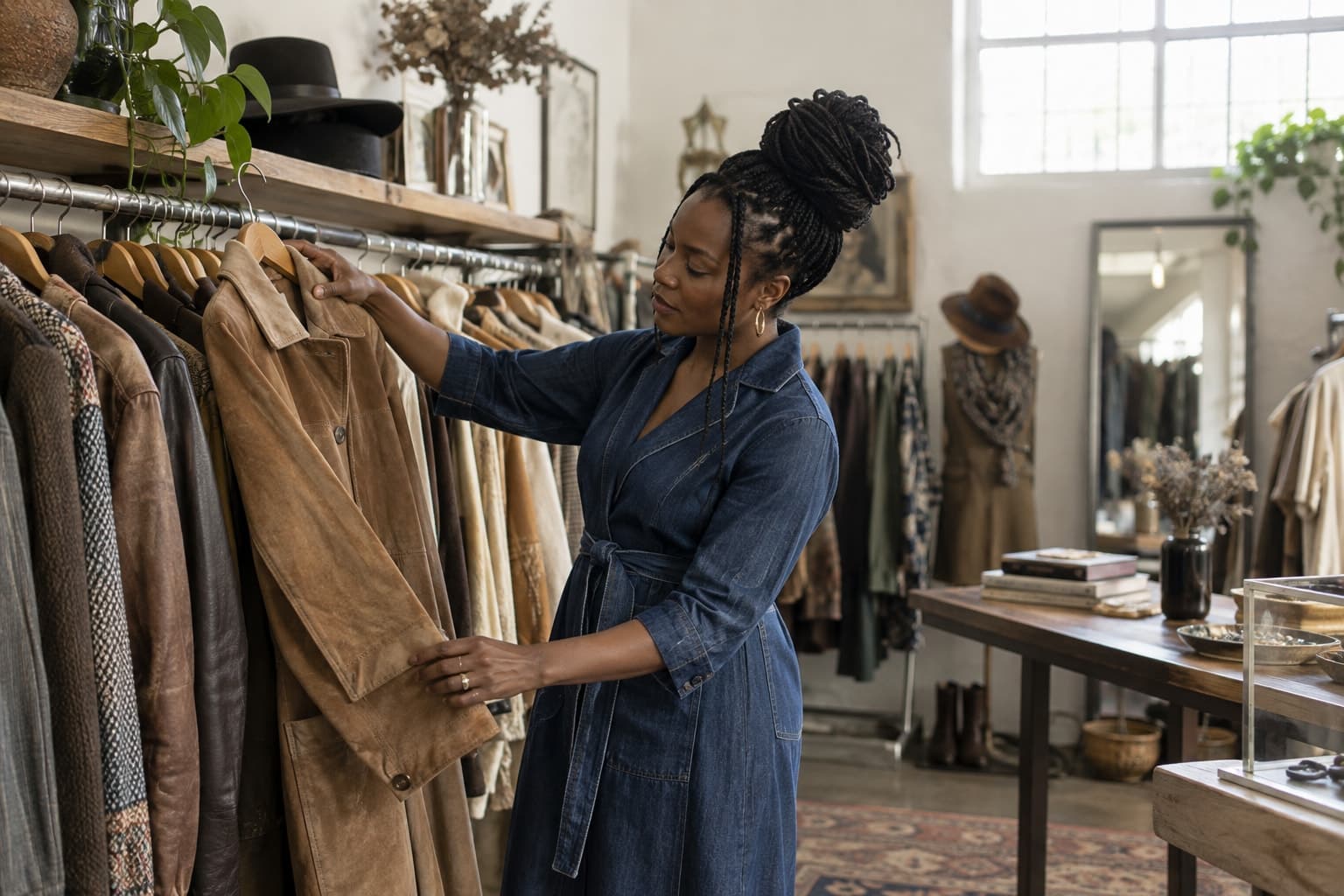
Read resale market projections with their dates and scope intact, then translate them into practical questions about your own assortment.
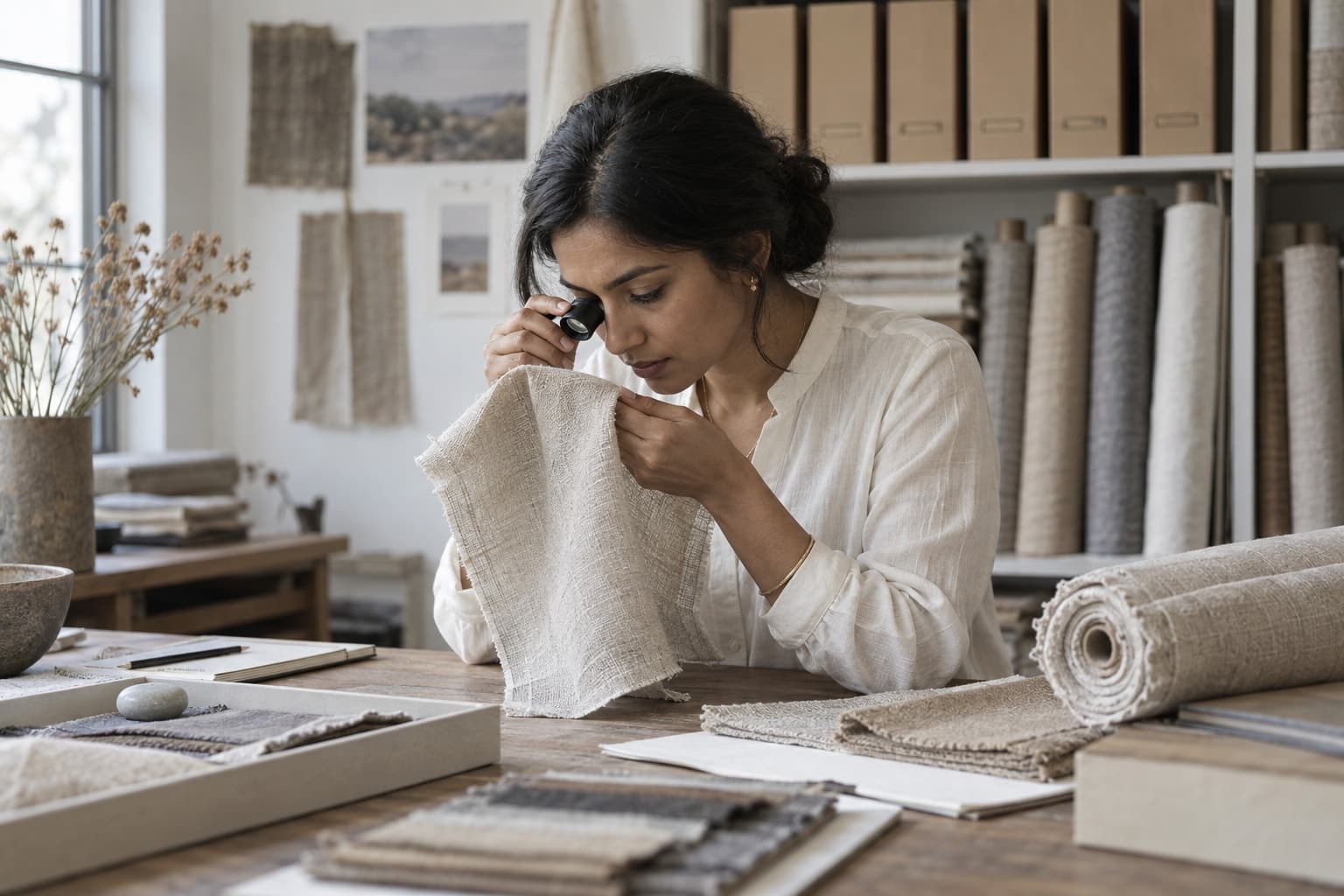
Organize product evidence before writing environmental copy, and keep each statement within the scope the documentation supports.
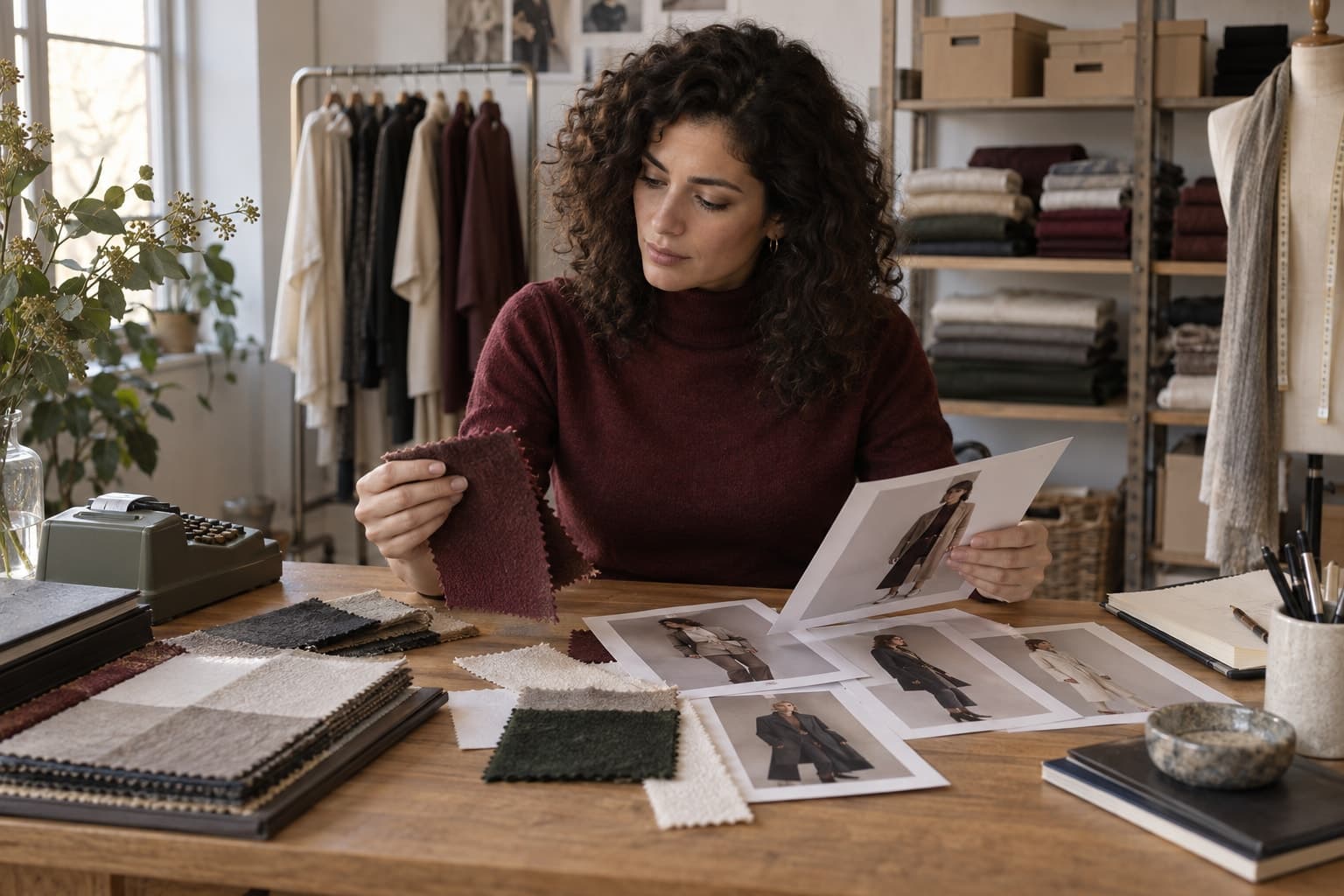
Evaluate a content budget under margin pressure using approved assets, full workflow costs, and a deliberate fallback plan.
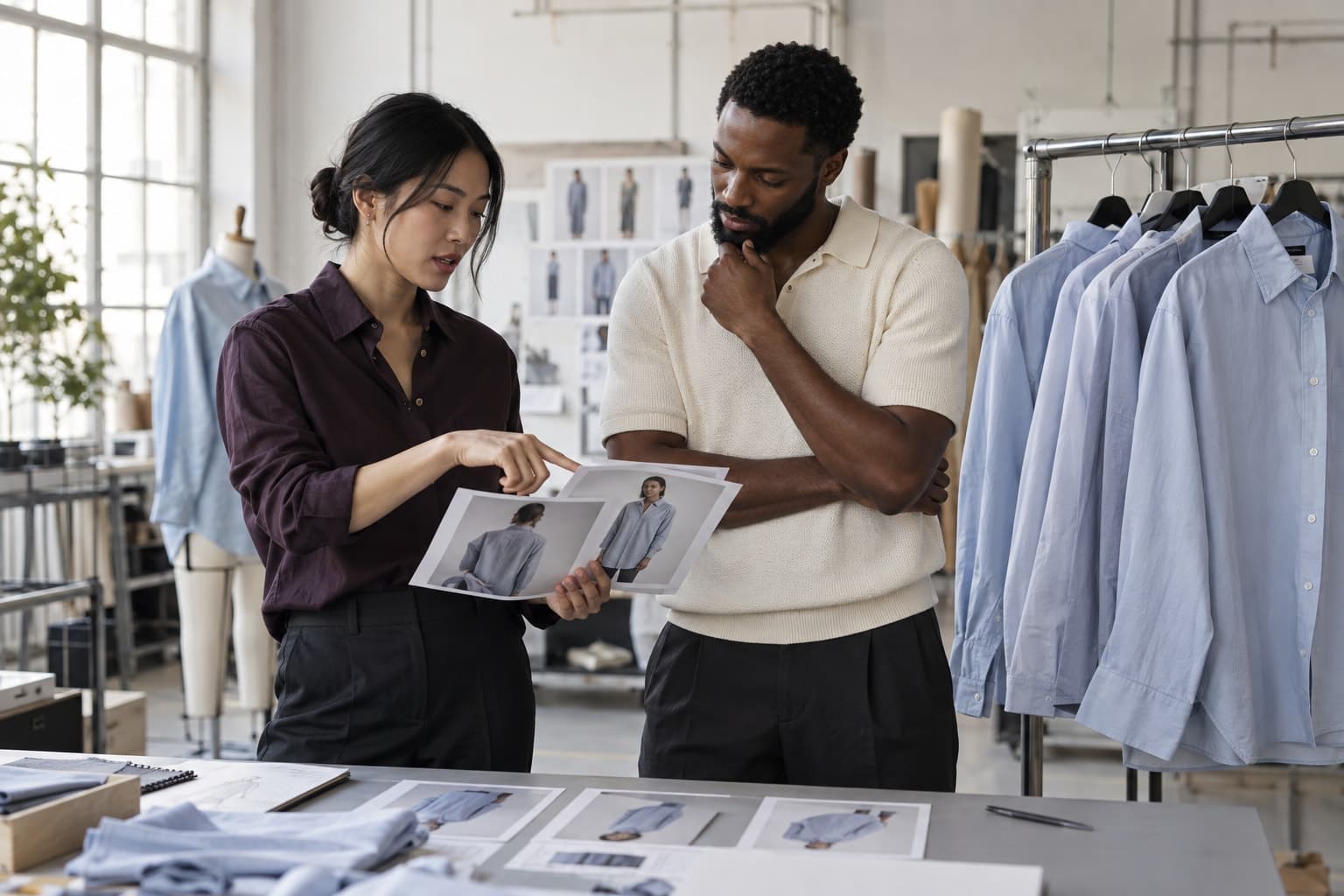
Build an evidence-led business case for AI imagery by identifying a specific bottleneck and measuring the complete change.
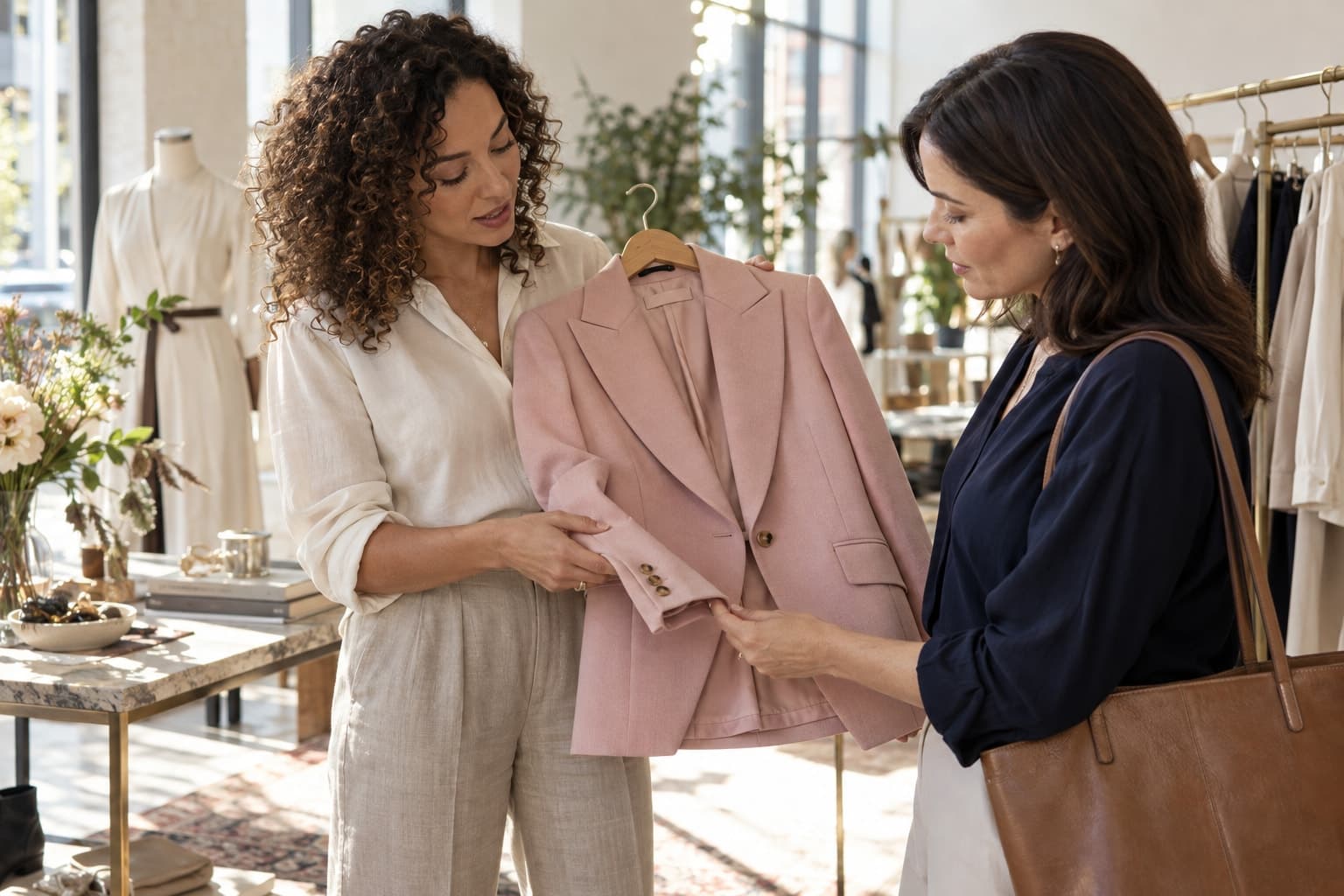
Plan a fashion launch from customer questions through product pages, campaign assets, and a focused learning cycle.
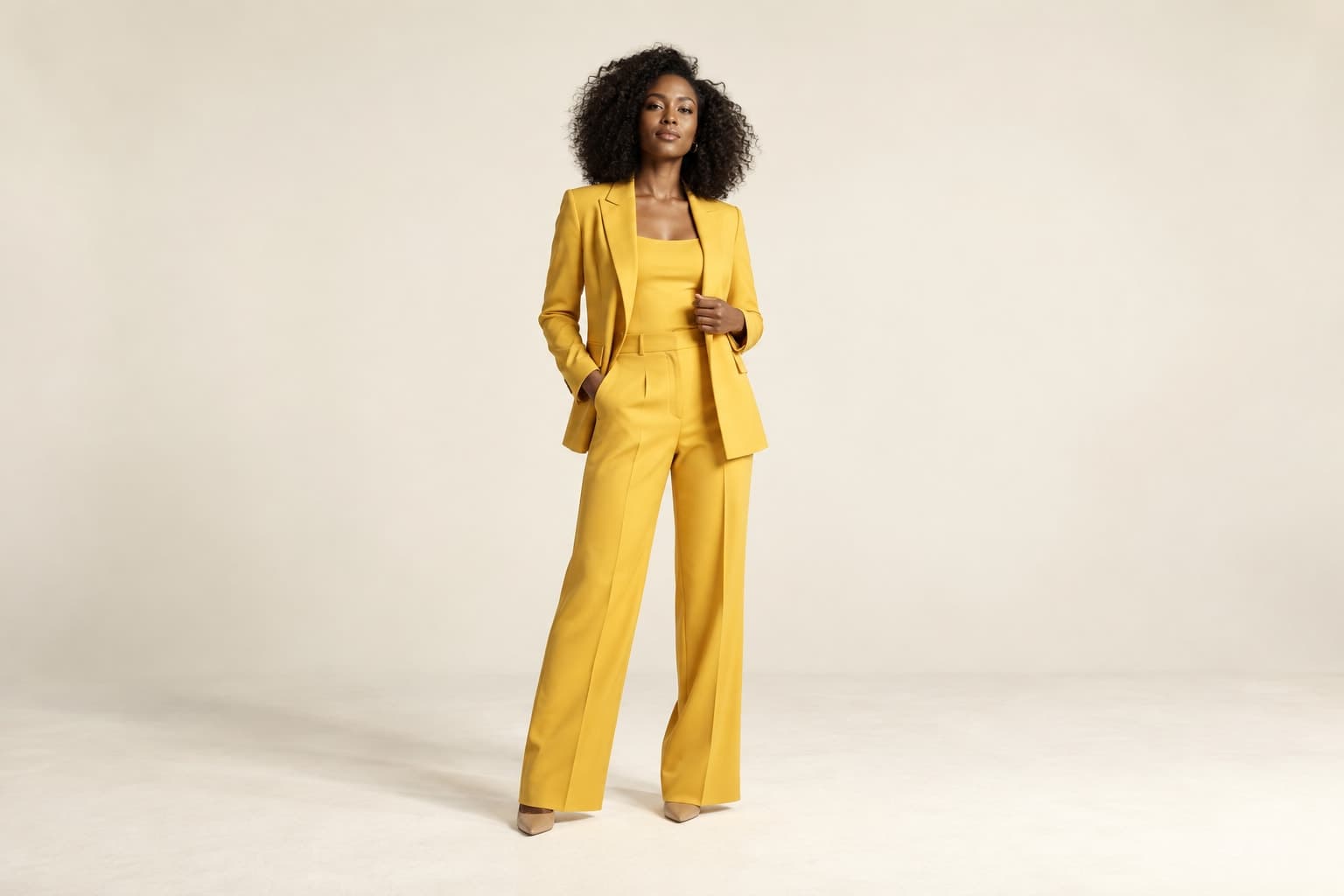
Plan portrait-friendly fashion imagery with deliberate subject placement, crop variants, and mobile readability checks.
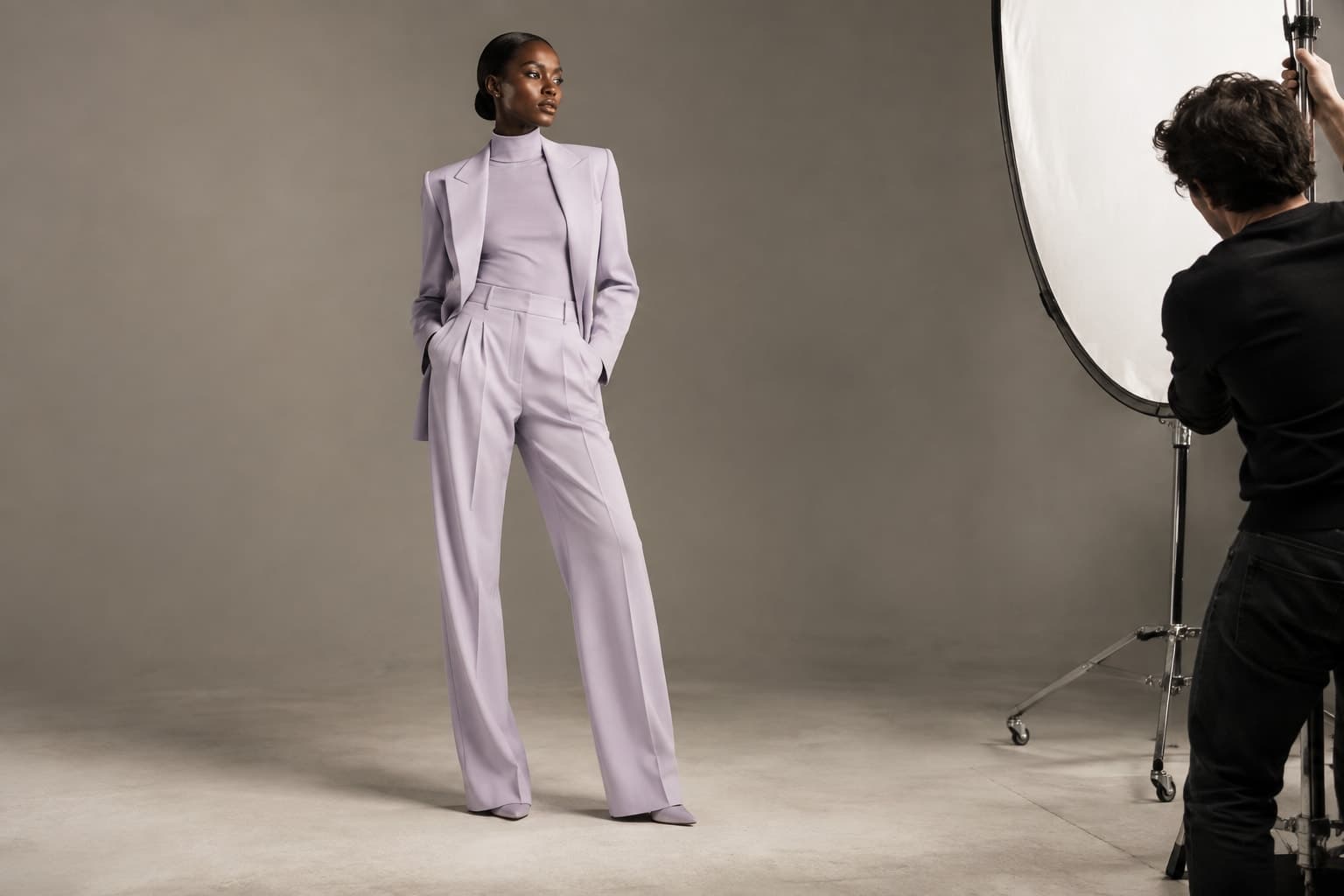
Diagnose a weak on-model image before deciding whether to reshoot, retouch, or test a generated variation.
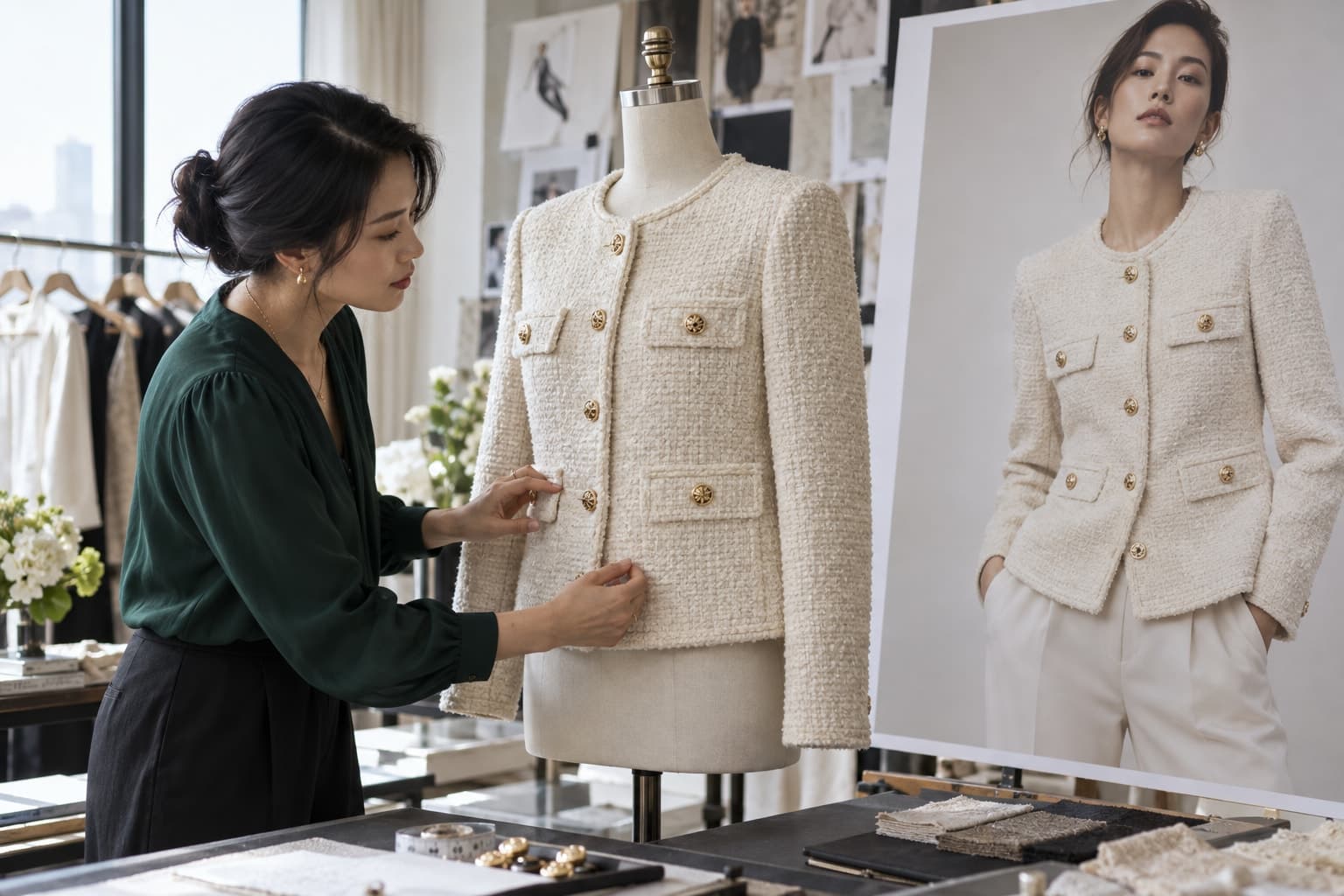
Review synthetic fashion imagery through product fidelity, representation, continuity, and publication context.
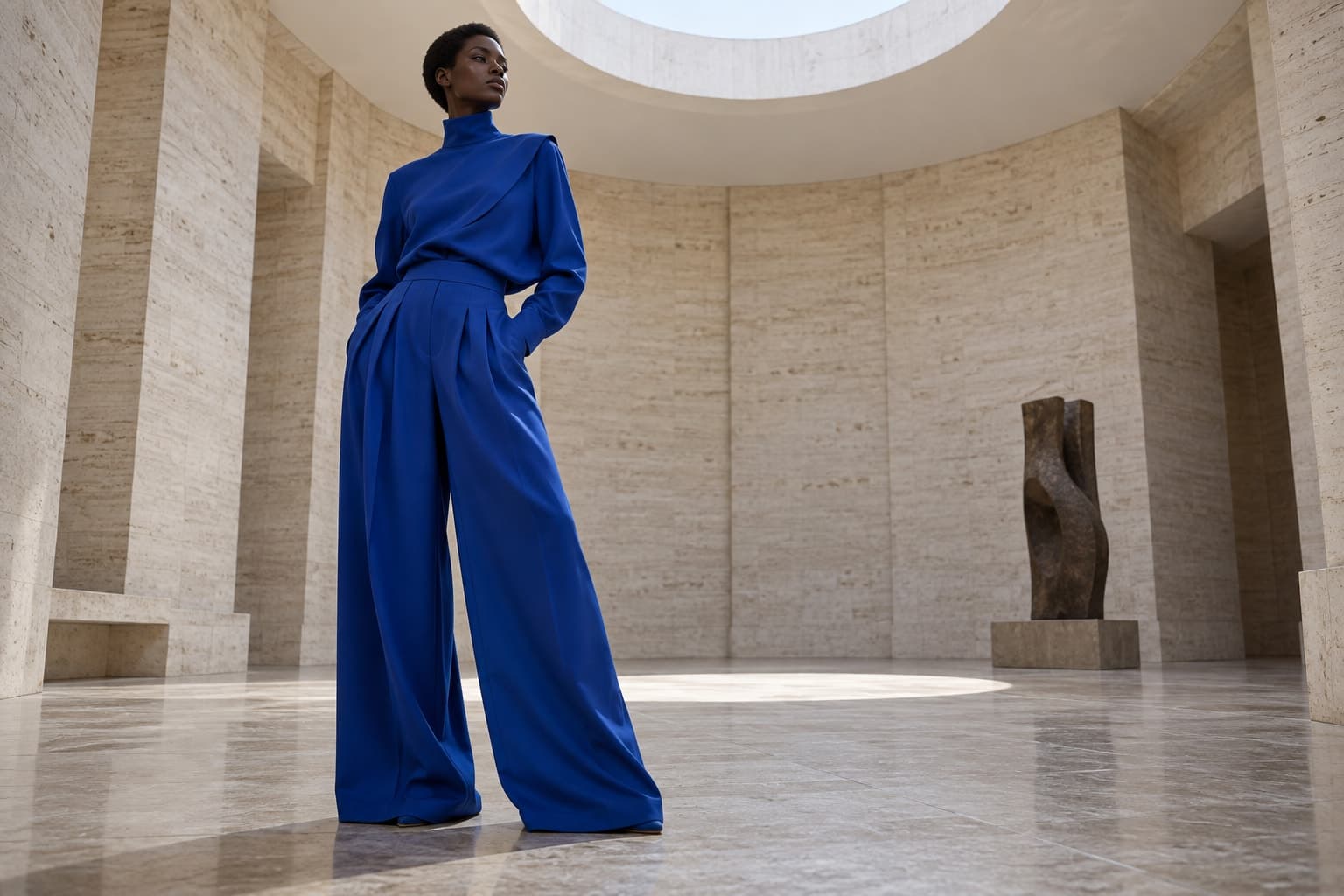
Distinguish campaign characters, on-model presentation, and product evidence before selecting a virtual-model workflow.
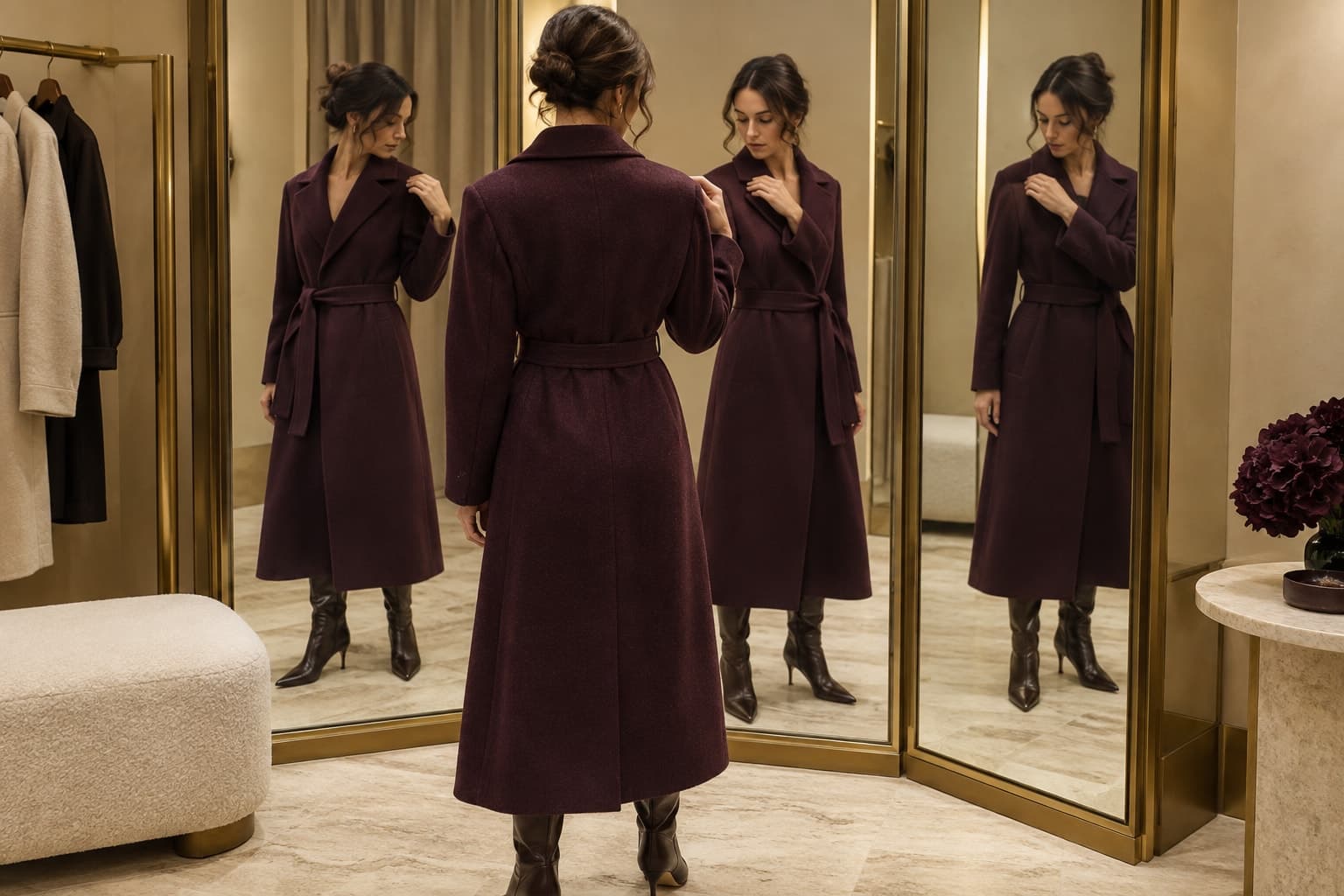
Define the customer question before choosing between on-model product imagery and a personalized visualization experience.
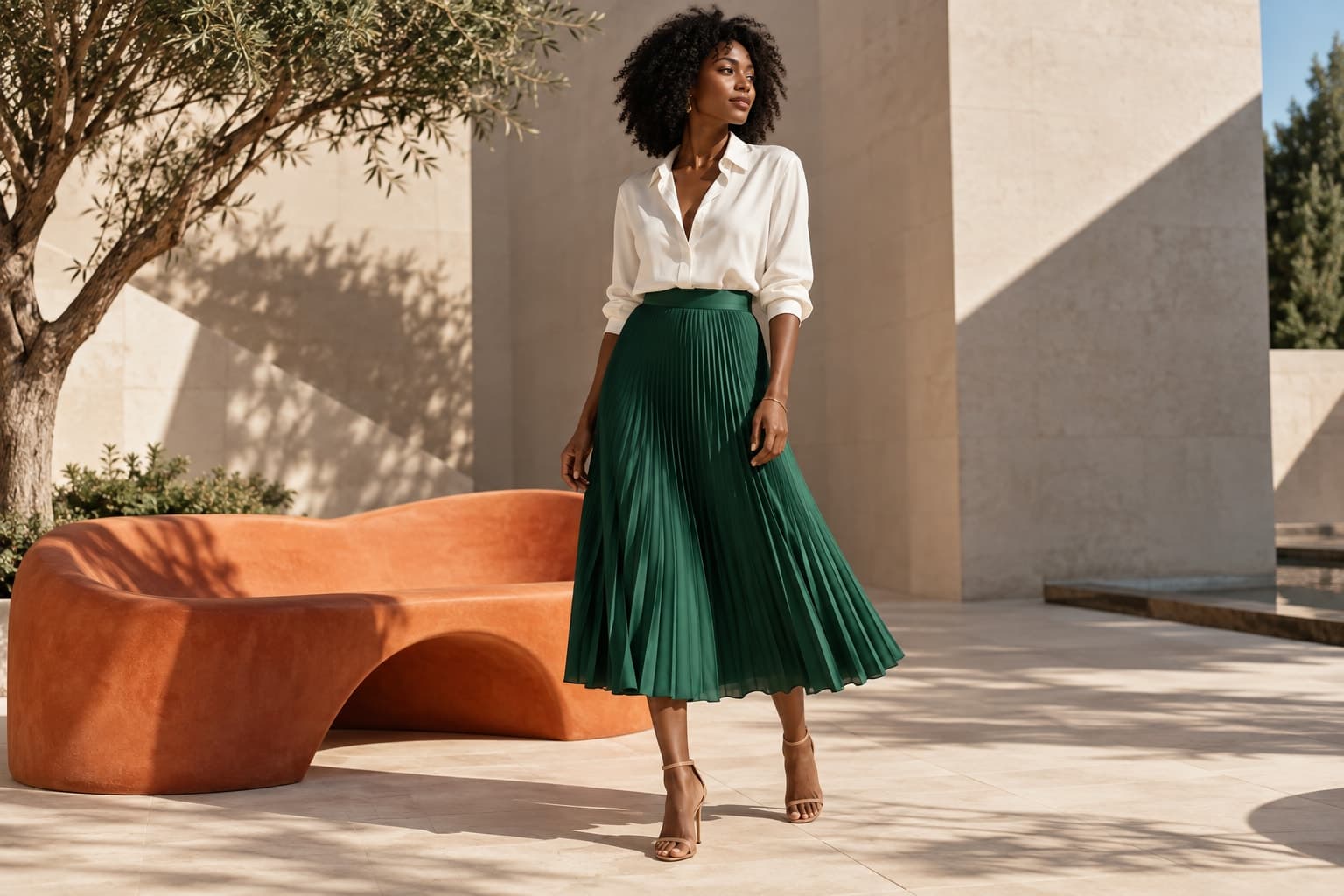
Create a coherent journey between fashion advertising and the shop, then test the change without overclaiming what caused the result.
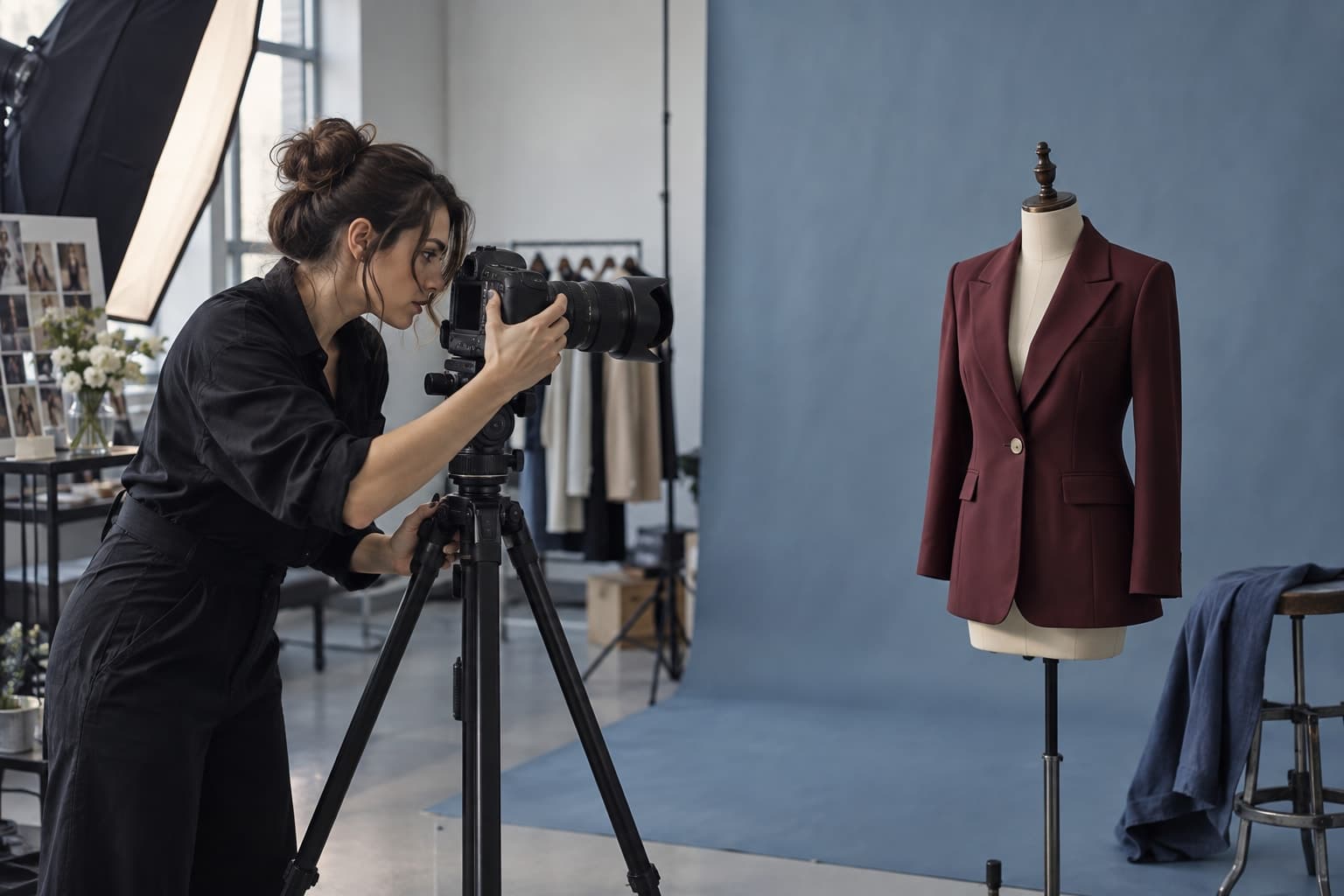
Select a fashion image workflow by its inputs, output requirements, and review burden instead of choosing from a generic tool ranking.
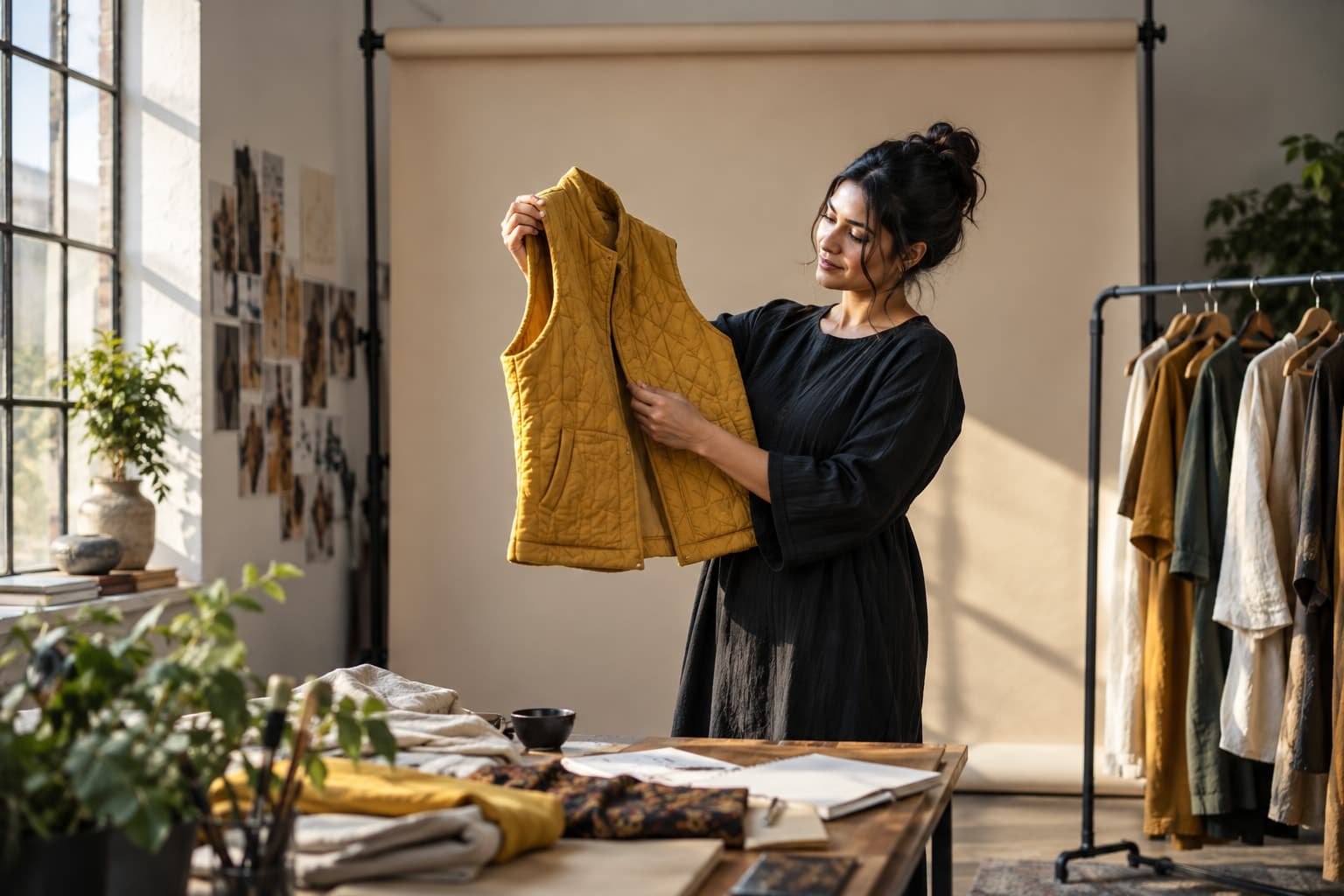
Translate an industry-scale generative-AI forecast into a bounded, measurable experiment for a fashion business.