
Use your own difficult garments, a consistent brief, and a correction round to evaluate image tools without relying on curated galleries.
The starting point
A vendor gallery answers a narrow question: can the tool produce attractive examples? Your buying decision asks a broader one: can your team use it to produce the images your catalogue needs, repeatedly and within your constraints? A fair trial should resemble that real work.
Prepare one evaluation packet and use it consistently. Include product references, required destinations, acceptance criteria, and the time available for the trial. Keep current pricing, access, and usage terms in a separate dated note, because those details can change while the visual criteria remain useful.
Choose garments that reveal different problems
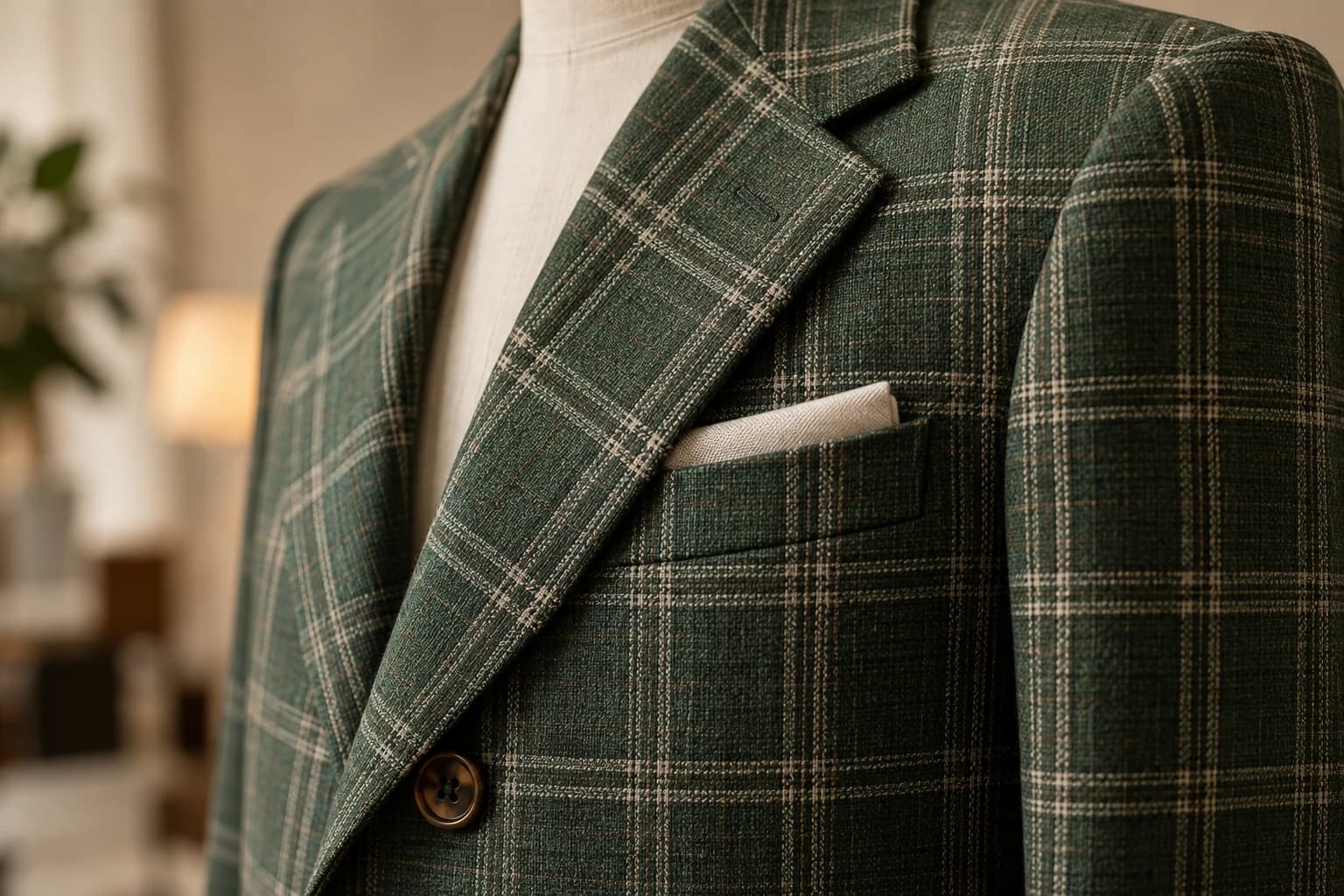
Include a straightforward item as a baseline, but do not stop there. Add a fine pattern, a textured fabric, a visible logo or graphic, and a garment with unusual construction if those appear in your range. The test set should represent the work you actually need to publish.
Use the same source files for every candidate workflow. If one tool requires a different input format, record the preparation effort. That requirement may be entirely reasonable, but it belongs in the comparison. The best output is less useful if producing its input is impractical for your team.
Score the image before scoring the interface
Review garment identity, visible construction, colour relationship, anatomy, and destination suitability. Use a small scale with explicit meanings, such as approved, correctable, and rejected. A reviewer should be able to explain why an image received its status without relying on personal preference alone.
For a hypothetical striped shirt, the trial might reject a result that changes stripe direction or removes the chest pocket, while allowing a minor background correction. Define those conditions beforehand. This avoids rewarding a dramatic scene that distracts everyone from an altered product.
Include an ordinary revision request
Ask each workflow to make one precise change while preserving the approved parts. The revision round reveals how controllable the process is. Note whether the correction introduces new garment errors, whether earlier versions remain accessible, and how clearly the system communicates progress or failure.

Then evaluate the practical interface: batch organisation, reference handling, exports, file naming, and team review. These details matter when the catalogue grows. A beautiful single image cannot compensate for a process that makes approved files difficult to find or accidentally mixes products.
Calculate the cost of finishing
Count preparation, attempts, review, corrections, and delivery. Keep accepted assets separate from total generations. Compare the full cost of the trial against the number of destination-ready outputs, and state which expenses are estimates. Do not assume a trial's acceptance rate will remain identical across every future category.
Check the terms relevant to your intended use through the provider's current official documentation. Record any unresolved questions about commercial use, input handling, or retention and resolve them before committing important assets. This is ordinary purchasing diligence, not something visual quality can answer.
Make the decision against your actual constraint. A small team may value a clear correction process more than a large catalogue of styles. A high-volume operation may need dependable organisation and consistent output across many products. The useful winner is the workflow that meets your brief and fits your operation, with evidence your team can review.