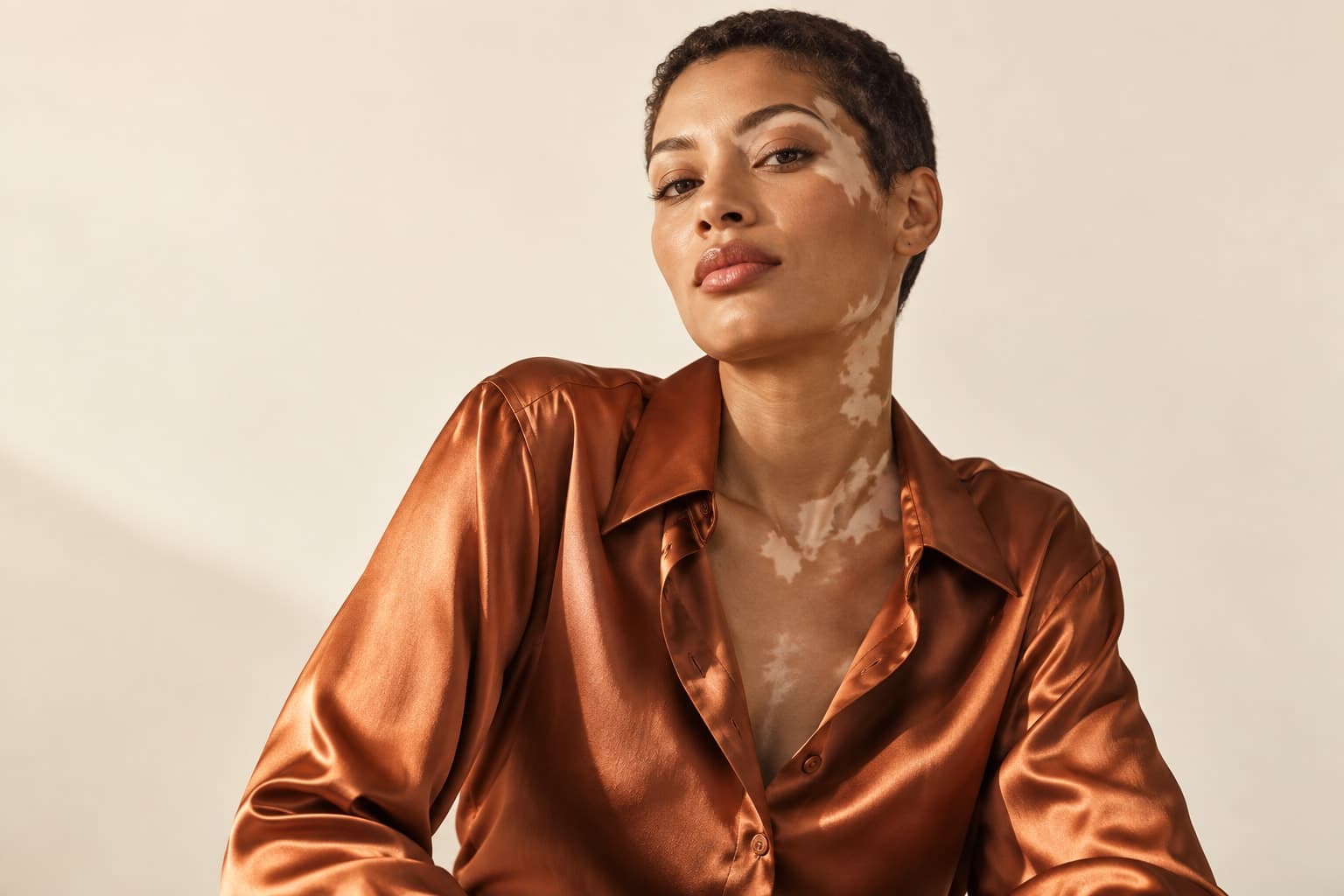
Build a practical casting brief for synthetic fashion imagery without inventing a model's identity or confusing a concept with product evidence.
The starting point
A synthetic fashion model begins with a decision about the picture: who needs to understand this garment, and what should the image help them see? Starting with a celebrity lookalike or a long list of facial adjectives makes the casting process harder to evaluate. A useful brief describes the role of the subject, the clothing information that matters, and the limits of the finished image.
Cast for the garment's job
Separate product photography from campaign storytelling. A product image may need an unobstructed waist, a readable sleeve opening, and a neutral stance. A campaign image may need a particular energy or relationship with a setting. These goals sometimes conflict. An expressive pose that hides the side seam could be excellent for the campaign and poor for the product gallery.
For a hypothetical workwear label, the brief might ask for an adult subject, relaxed shoulders, visible jacket pockets, and a quiet studio setting. It would not claim that the generated body demonstrates how a particular size fits. Actual measurements and real fit evidence belong in a separate part of the product presentation.
Describe a person without inventing a biography
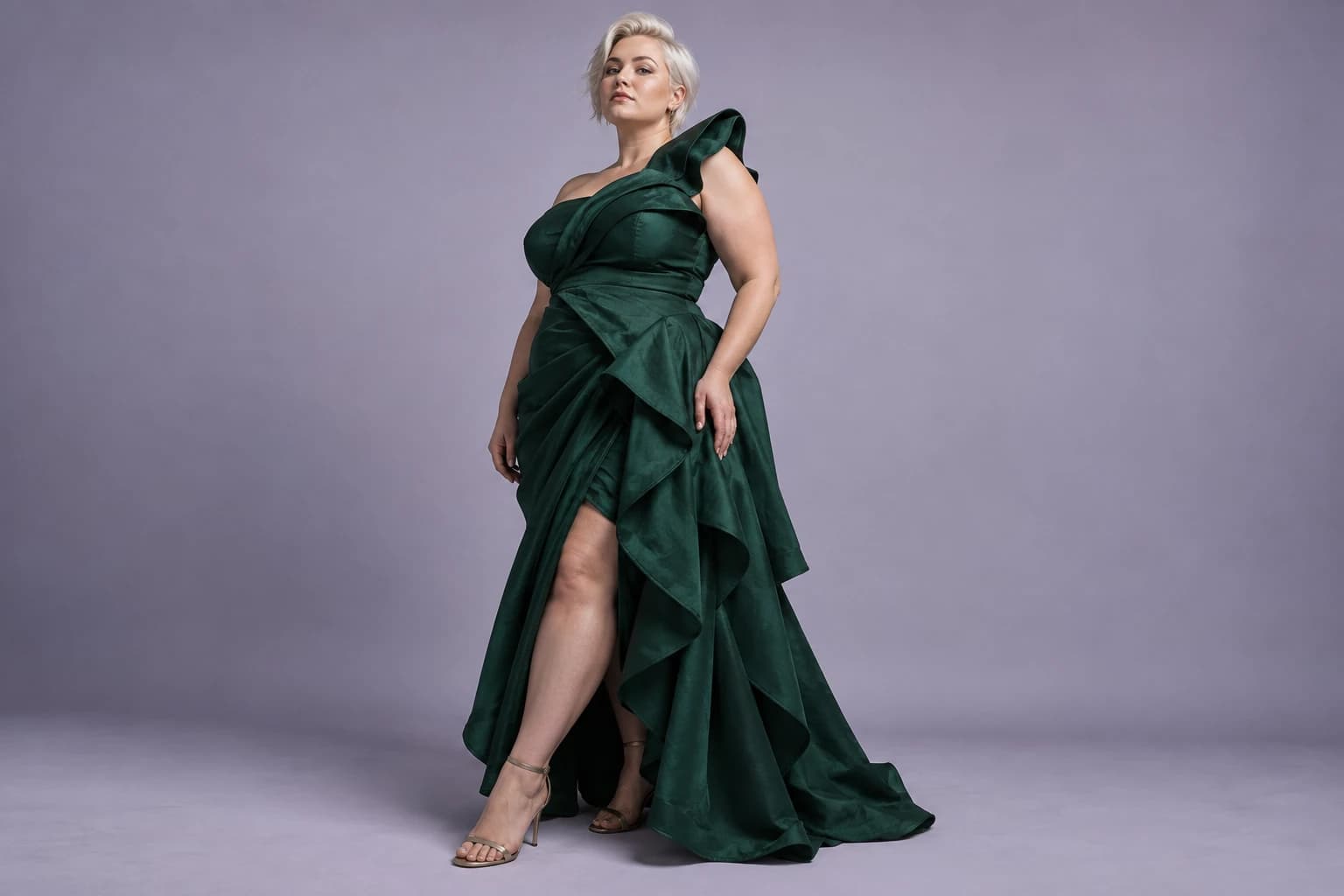
Use observable art direction: approximate adult age range, hairstyle, expression, posture, and styling. Avoid borrowing a real person's likeness unless the project has the necessary permissions. Do not turn a synthetic subject into an invented customer, employee, designer, or testimonial speaker. An editorial character can support a visual story without a fabricated personal history.
Consider representation across the collection rather than treating each image as an isolated casting decision. A contact sheet makes patterns easier to notice: repeated age ranges, identical silhouettes, or one narrow beauty convention. Review the overall set with people who understand the intended audience. Diversity should shape the creative process, including the people making and reviewing the work.
Make the brief reviewable
Divide the approval criteria into three groups. Garment criteria cover closures, fabric, proportion, and construction. Subject criteria cover the pose and visual continuity needed for the series. Presentation criteria cover lighting, crop, background, and the space reserved for copy. A reviewer should be able to point to a criterion rather than simply saying that an image feels wrong.
Save the approved reference image alongside the written brief. If a tool provides repeatable references or settings, record them, but do not assume they guarantee identity consistency. Compare every output with the reference. Check profile, hairline, hands, and relative proportions as well as the face; continuity errors often appear outside the most obvious focal point.

Keep a clear boundary around the result
For product use, compare the garment against source photographs before approving the subject. Do not let an attractive face compensate for missing pockets, altered logos, or a different neckline. Reject an image that changes a buying decision. Where generated presentation is used, choose a clear disclosure appropriate to the context and retain the original product evidence.
Finish with a small casting sheet: approved references, prohibited likenesses, garment checks, reviewers, and intended placements. That sheet becomes a shared production decision rather than a collection of private prompts. The goal is a coherent visual language that helps shoppers understand clothes while keeping the people and product claims in the image honest.