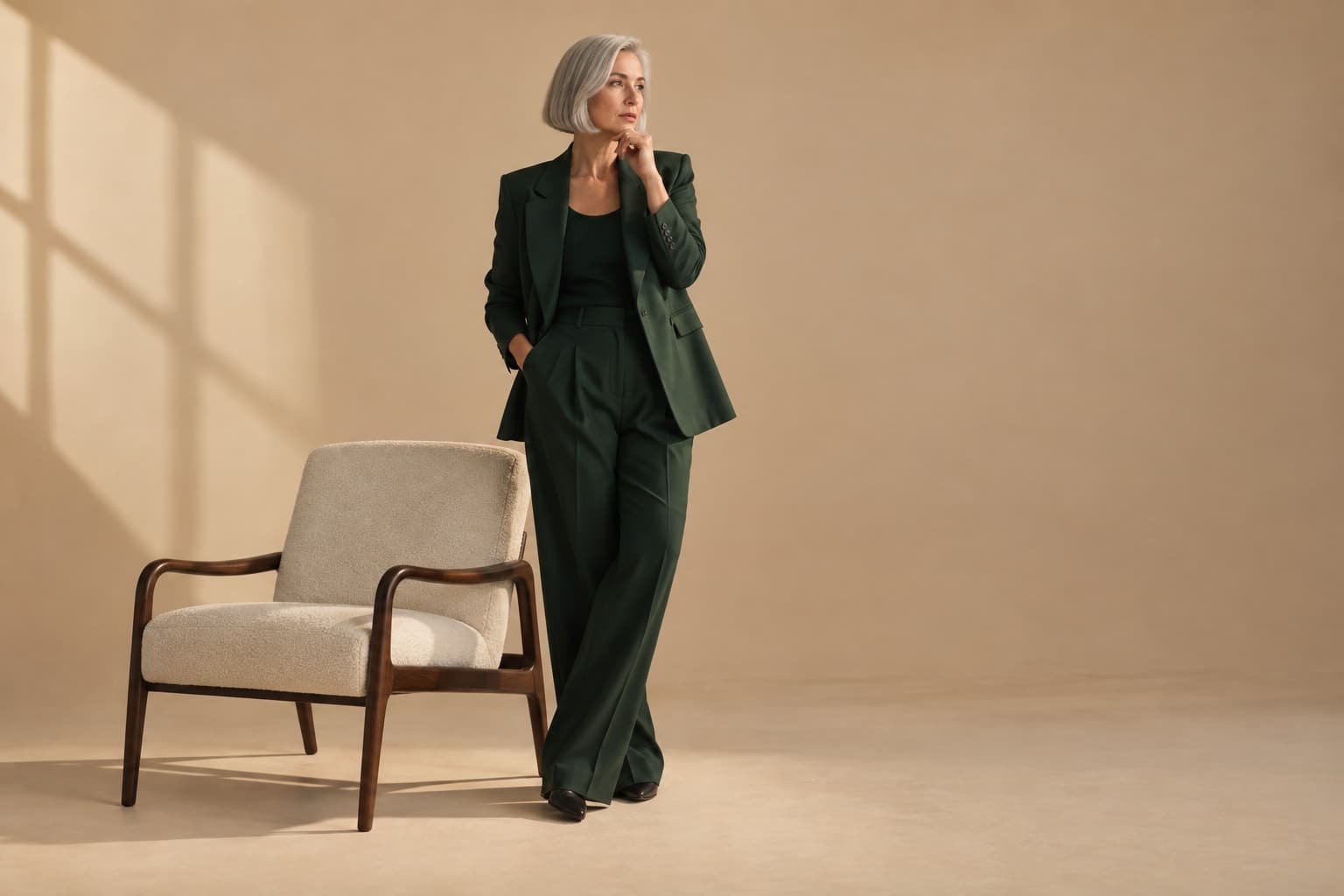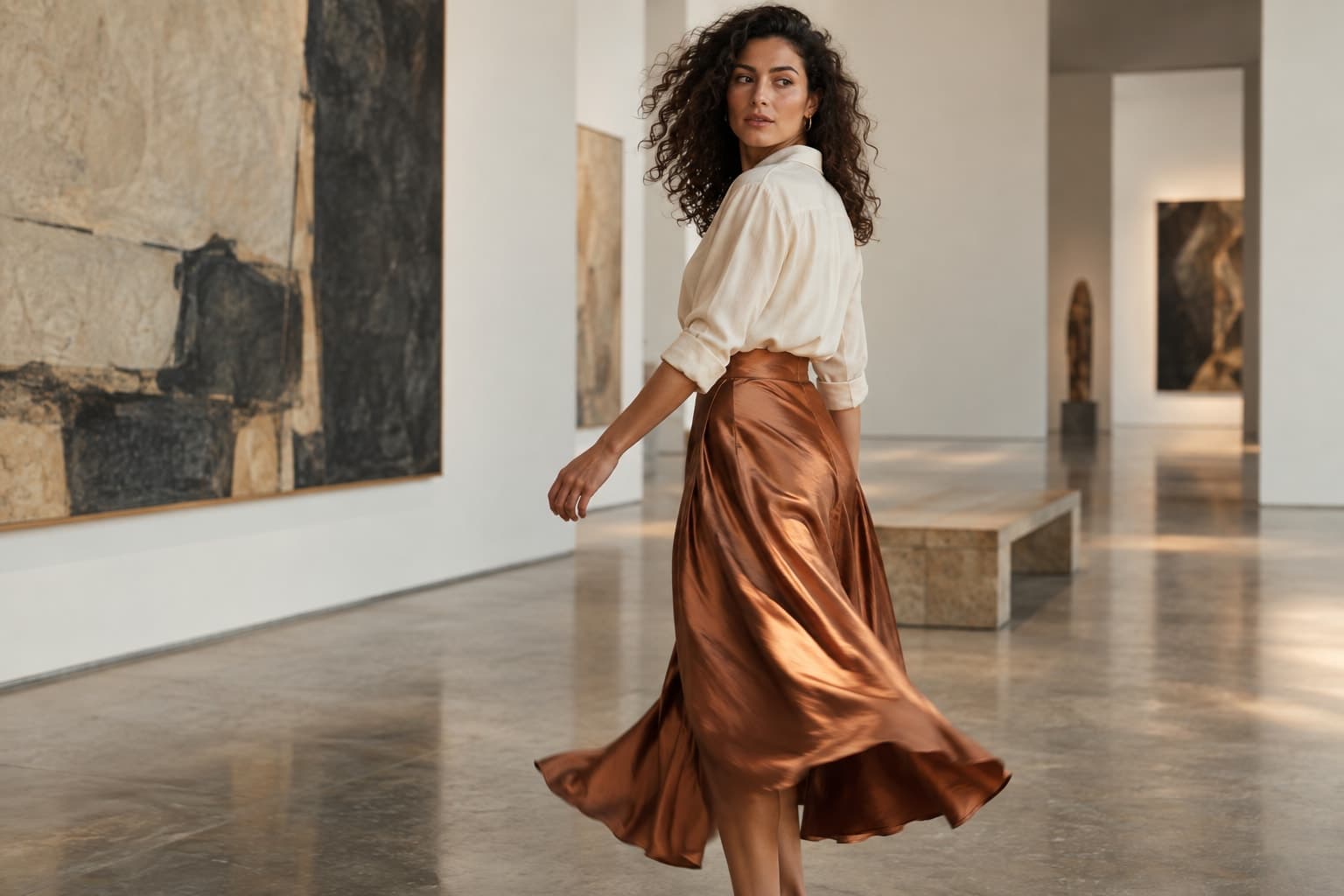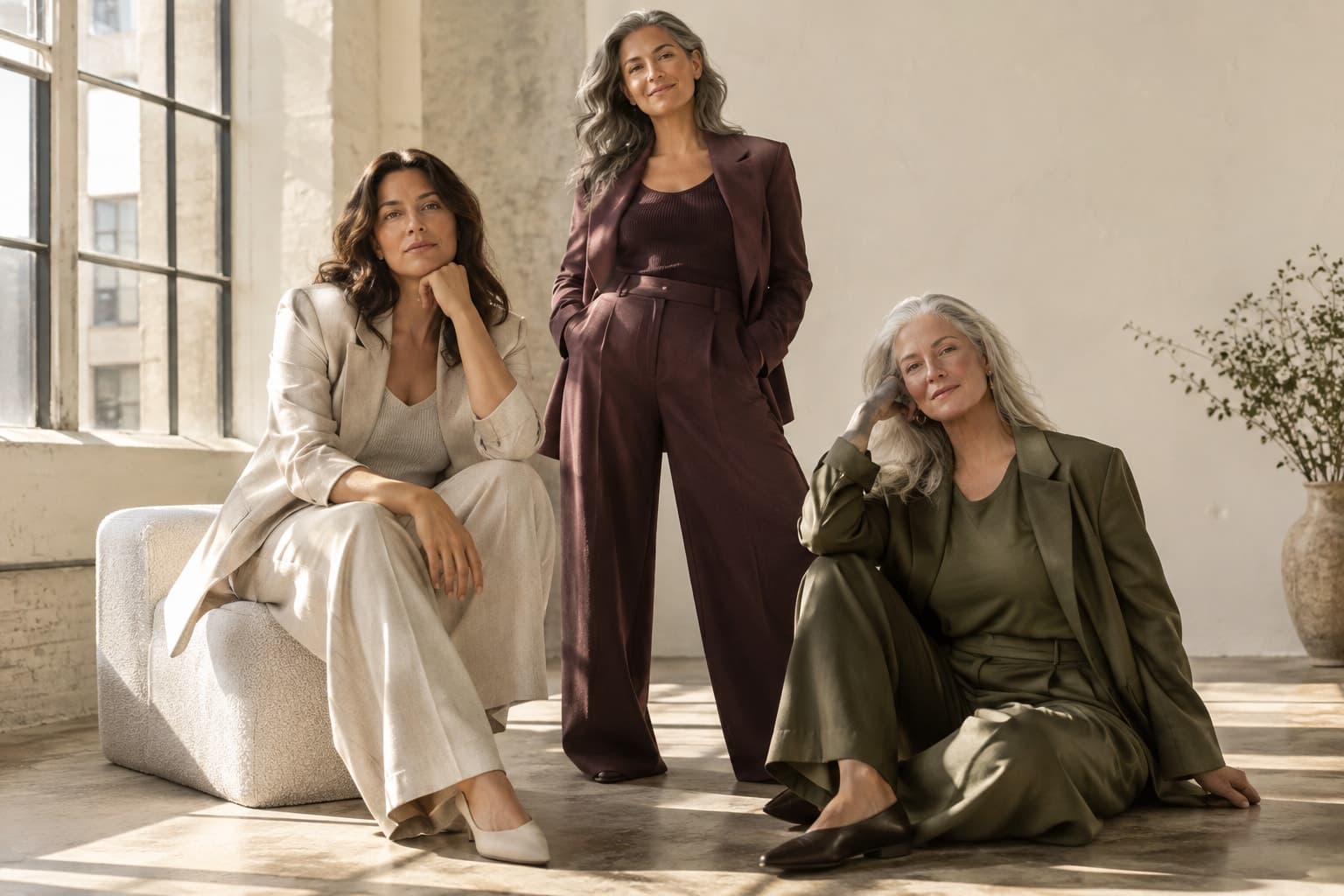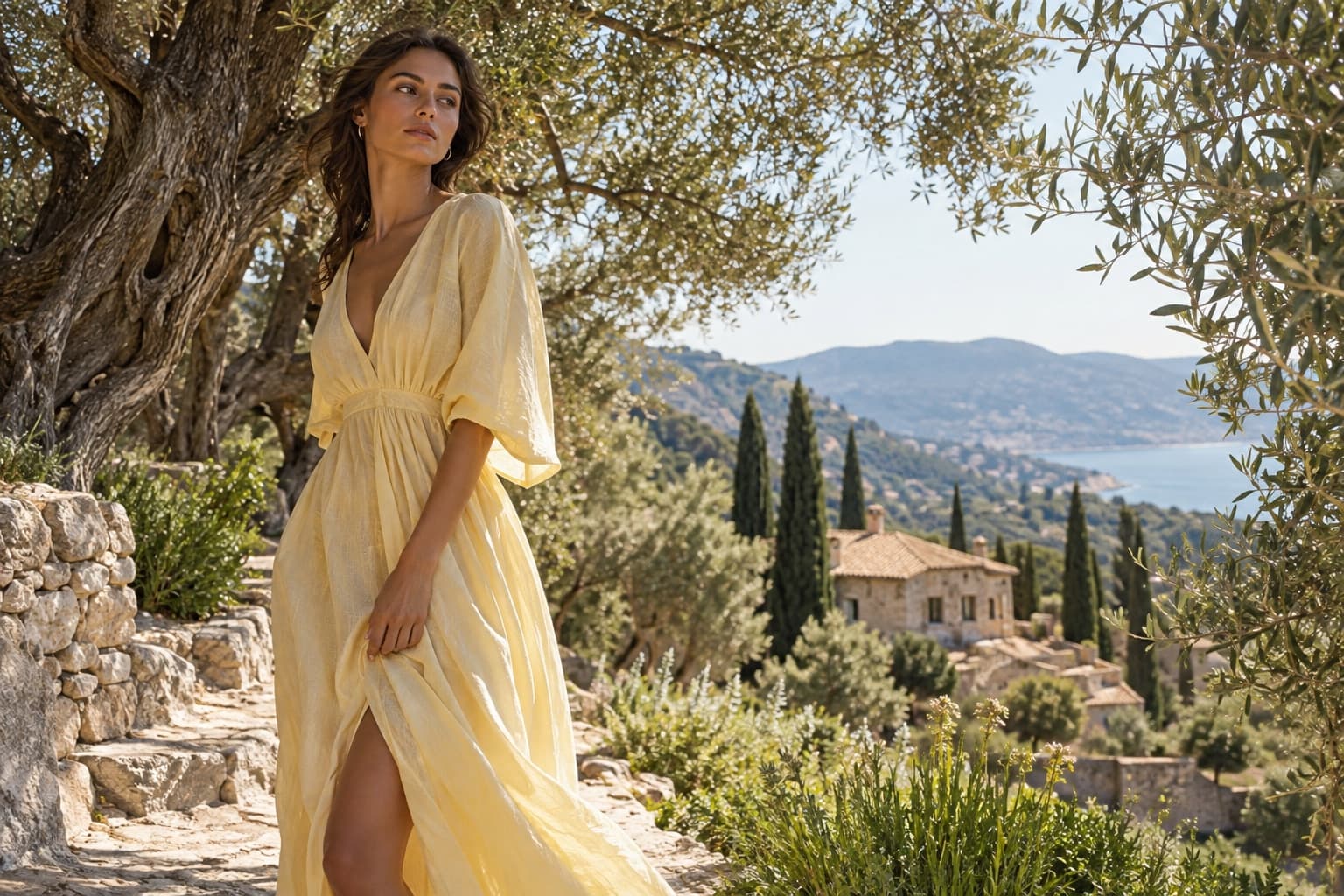
Turn a warm-weather collection into a coherent lookbook with a clear visual rhythm and useful product information.
The starting point
A spring–summer lookbook does not need a different landscape on every page. It needs a feeling that carries from the opening image to the final outfit. Perhaps that feeling is a quiet city morning, a long coastal afternoon, or the lightness of dressing for travel. Choose one world before choosing a dozen attractive references.
The collection should supply the evidence for that world. Look at its colors, fabric weights, shapes, and styling possibilities. A collection of crisp cotton separates may support a very different visual pace from evening dresses. When the mood is grounded in the garments, the art direction feels less like decoration applied afterward.
Write a one-paragraph visual brief
Describe the setting, light, palette, movement, and emotional tone in plain language. Add a few boundaries: no dramatic sunsets, no crowded props, or no crops that hide the garment length. These exclusions help collaborators understand what would break the idea.
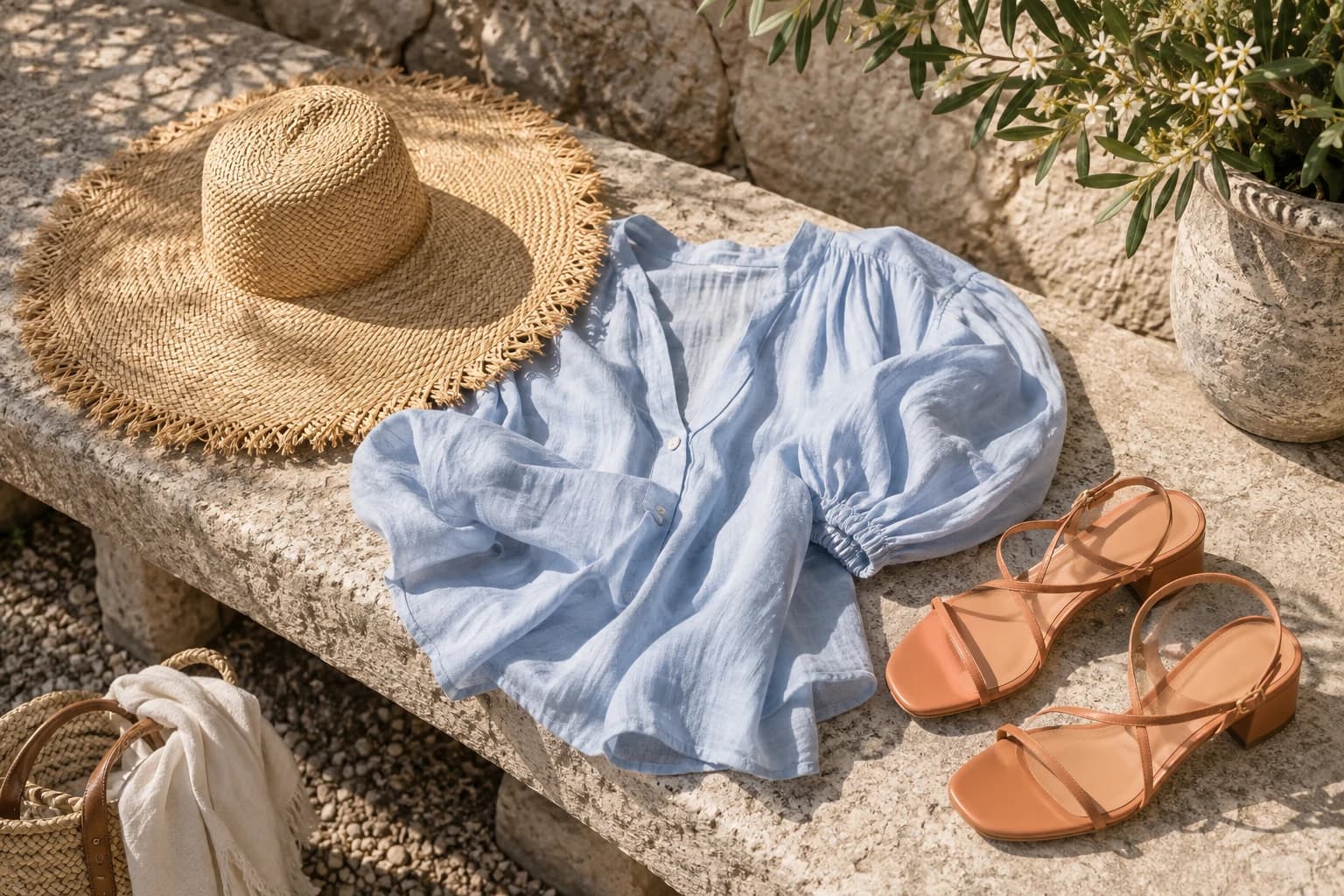
For a hypothetical six-look resort capsule, the brief might call for pale stone, soft morning light, relaxed gestures, and one muted blue accent. It would not claim that the collection was shot at a particular hotel or location if the images were generated. Keep creative context distinct from production facts.
Give the sequence a beginning and an end
Start with an image that communicates the collection's mood and silhouette. Follow it with a more informative view. Alternate full looks, closer crops, and quiet detail images so the reader has a reason to keep moving. Finish on a frame that feels conclusive, rather than whichever outfit happened to be left over.
Plan the sequence as small thumbnails before creating final assets. This exposes repeated poses and awkward changes in scale early. It also helps identify missing transitions. A fabric detail can provide a useful pause between two full-length images without introducing another location.
Keep shopping information close
A lookbook can be atmospheric and still be useful. Include clear item names, color references, and links to the relevant product pages when the collection is available. If a piece is only a concept or is not for sale, say so. Do not make the reader guess which parts of a styled outfit belong to the collection.
Keep essential product views accessible outside the editorial sequence. A dramatic crop may make a beautiful spread while hiding sleeve length. The product page should answer that practical question with verified photography or another appropriately reviewed asset.
Produce variations inside the same world
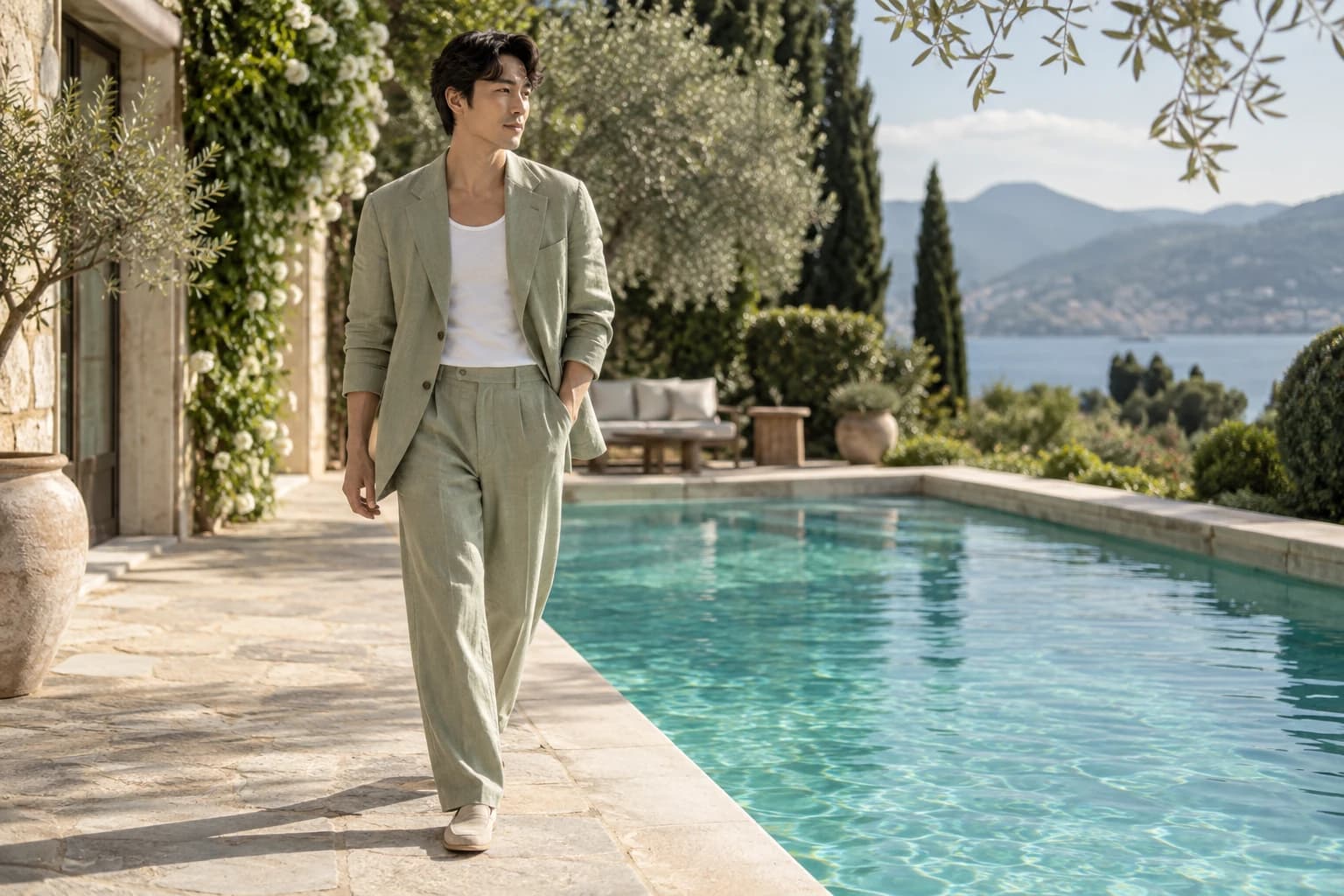
If you use generated imagery, hold the brief steady while changing one useful variable at a time: framing, pose, or background distance. Review the garment against its references after every variation. A coherent mood does not compensate for altered construction or an inaccurate color.
- Check that each look earns its place in the sequence.
- Review the smallest mobile presentation as well as the large layout.
- Keep captions readable and product links unambiguous.
- Identify illustrations and concepts clearly where context could be misunderstood.
- Save a reusable brief for future collection extensions.
The finished lookbook should leave the reader with two things: a distinct impression of the collection and a clear route to understanding the clothes. When those work together, even a modest set of images can feel considered and complete.