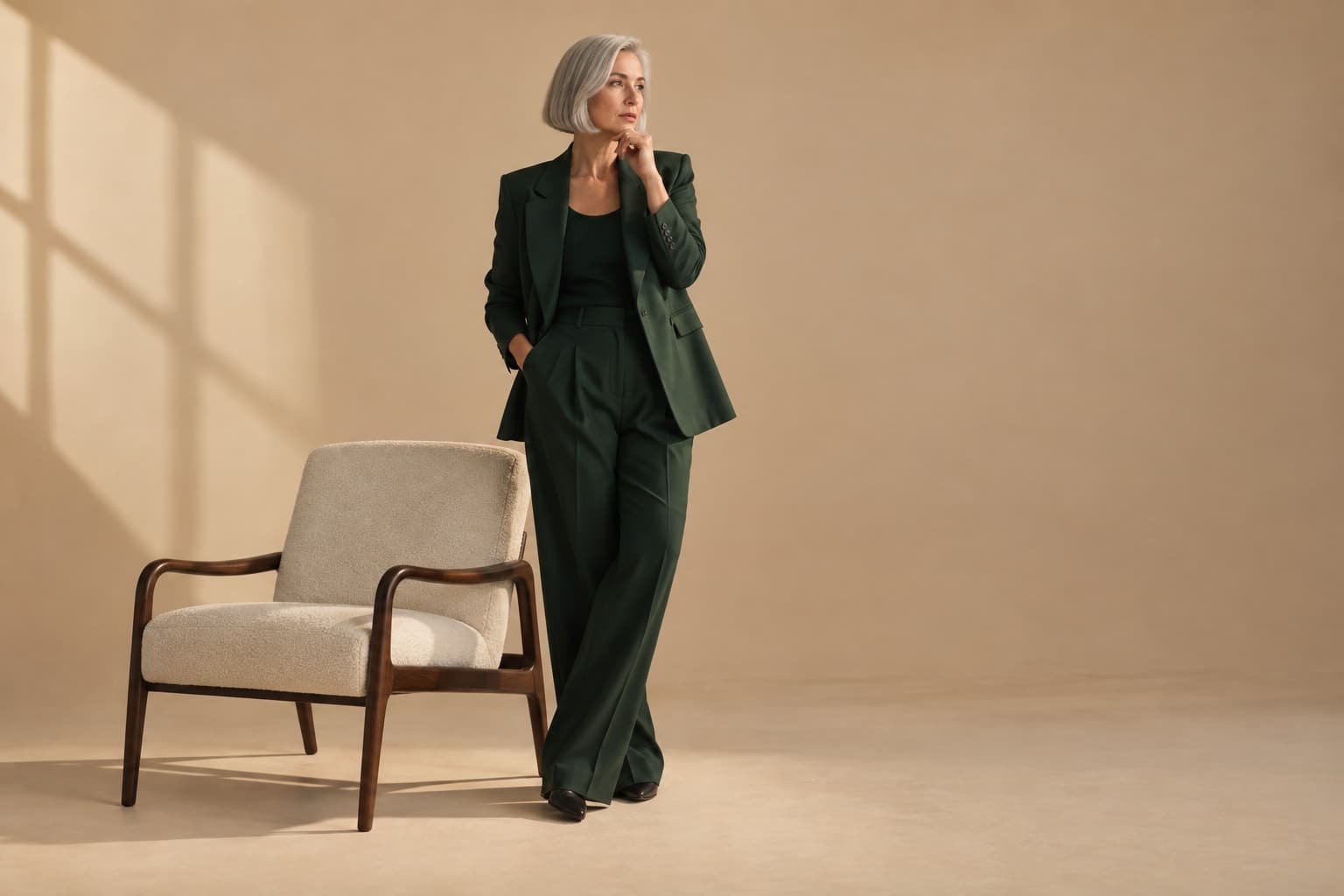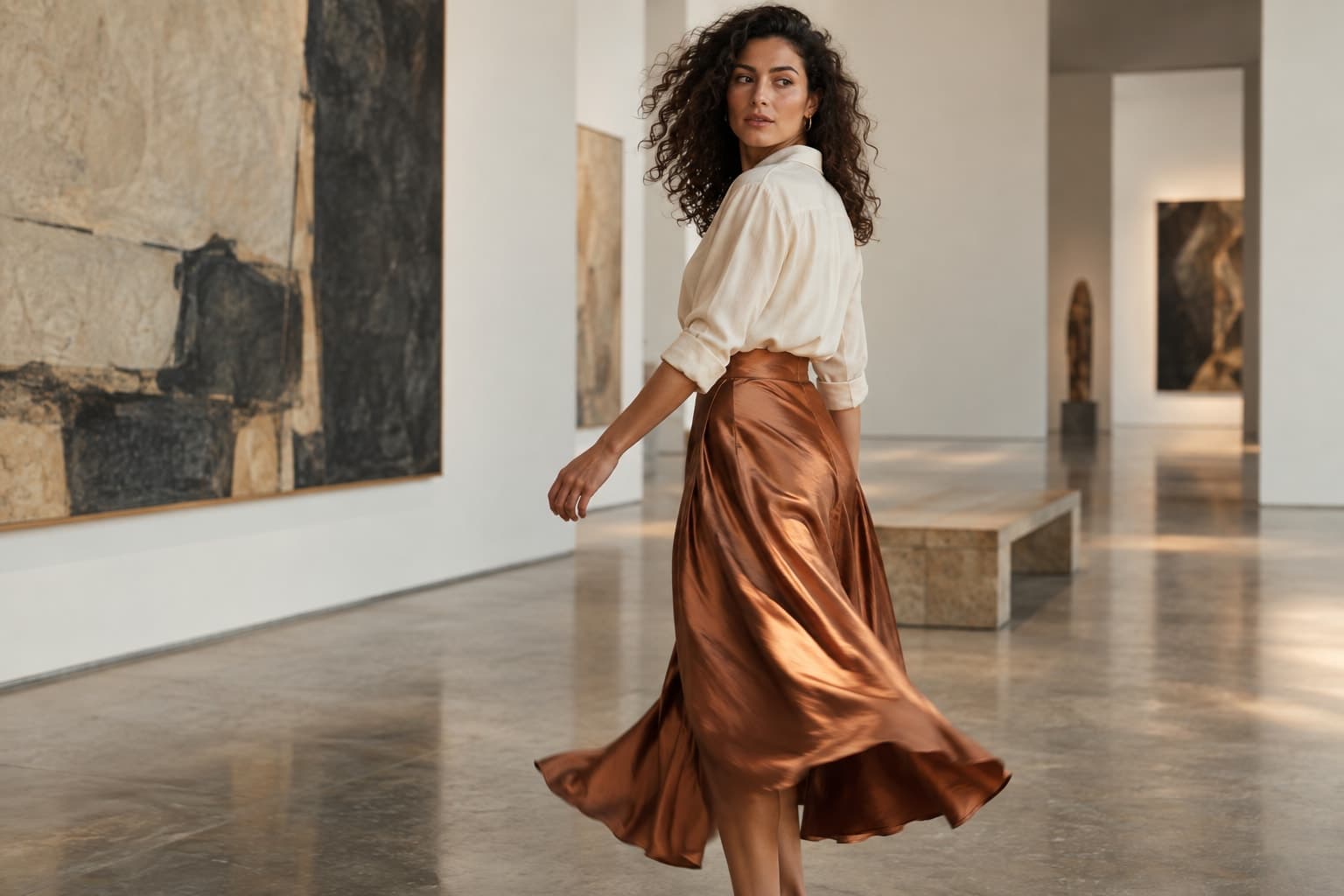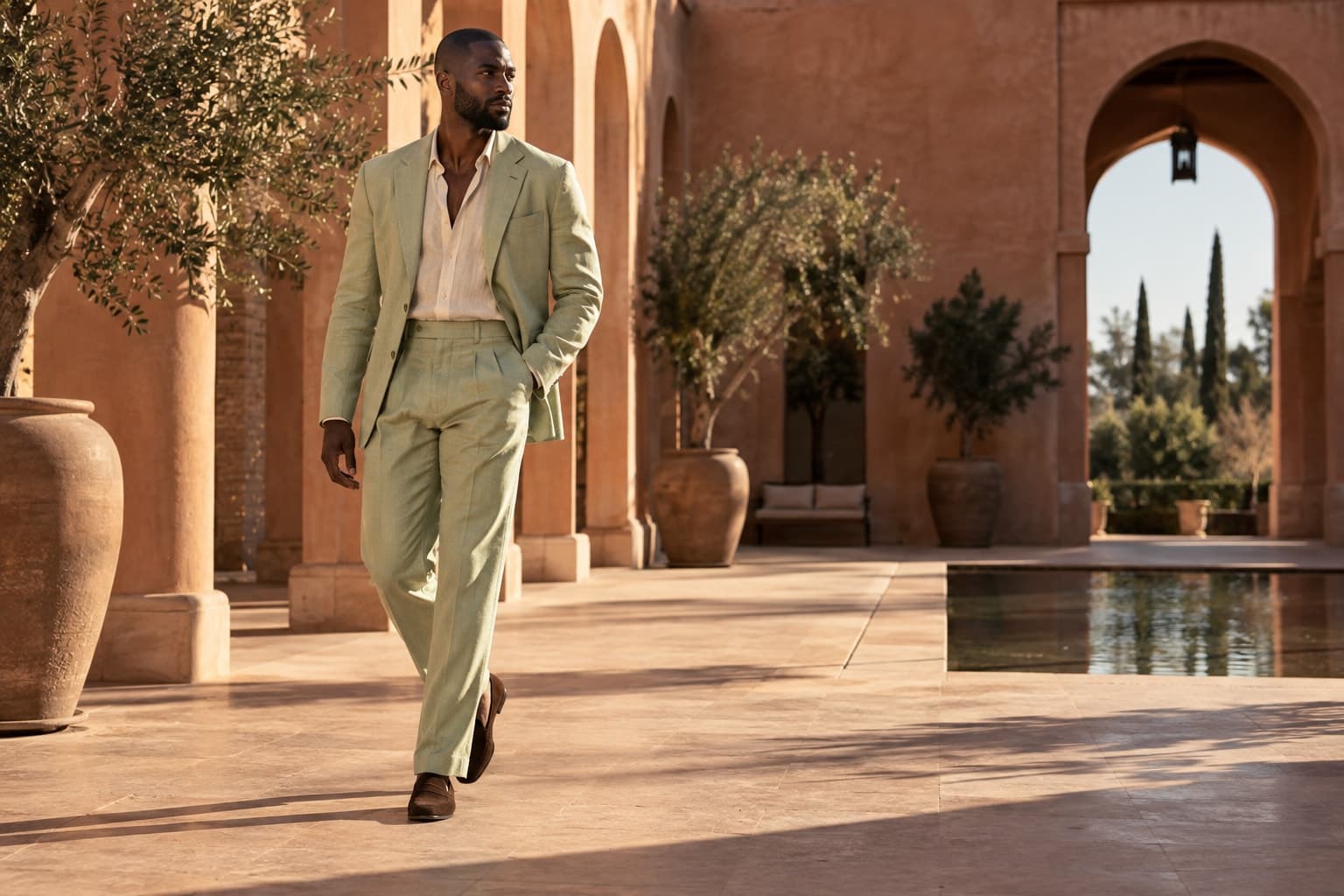
Build a thoughtful casting and styling brief for womenswear while keeping garment accuracy and customer information central.
The starting point
Casting shapes how a collection is encountered. It influences the energy of the image, the styling possibilities, and the people a brand makes visible. When synthetic models are part of the process, those choices still need intention. Selecting the first convincing face is not a casting strategy.
Begin with the collection's point of view and the customers you serve. Describe the mood, the range of situations the clothing belongs in, and the roles each image needs to play. Keep those decisions separate from assumptions about what people of a particular age, body shape, or background should wear.
Write a casting brief in ordinary language
A useful brief might ask for confident, relaxed posture, a range of adult appearances, and consistent styling across the collection. It can also identify the expressions or gestures that suit the campaign. Avoid turning identity into an aesthetic shortcut. Describe the visual quality you want directly rather than attaching it to a group of people.
For a hypothetical everyday tailoring label, the brief could feature several adult subjects in simple studio settings, with enough full-length views to understand the outfits. The casting contributes variety while the light, framing, and styling create continuity. The collection should feel considered across the whole page.
Keep representation distinct from fit proof
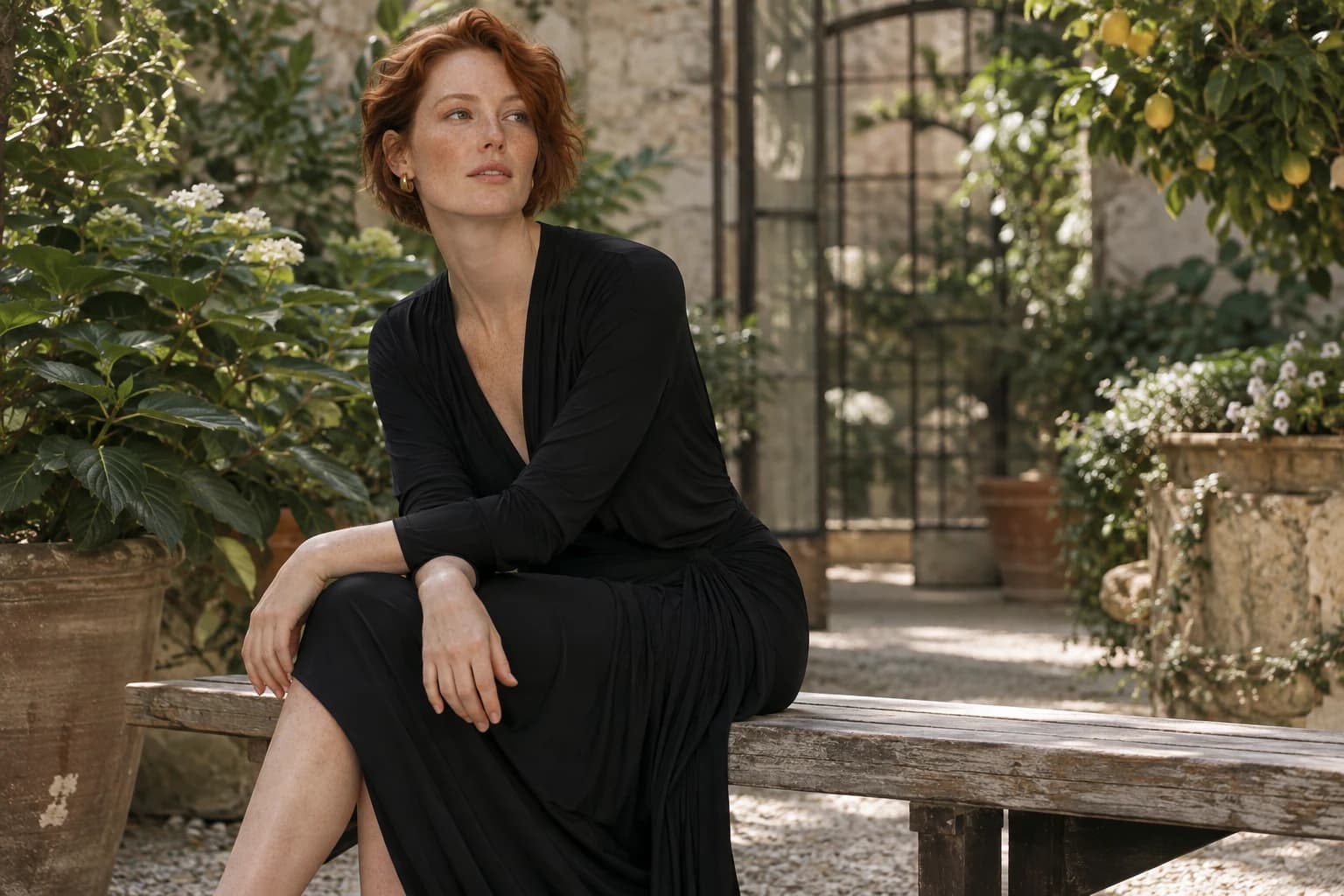
Showing a garment on different synthetic bodies can explore presentation, but it does not establish how the physical garment fits those bodies. Do not attach precise size or measurement claims to an invented person unless the representation is supported by an appropriate verified process. Keep actual garment measurements and sizing information easy to find.
When fit is central to the purchase, use real sample checks and dependable product information. A generated image may make a silhouette legible while still interpreting drape. Treat that limitation as a reason to provide complementary information, not as something a convincing visual can eliminate.
Style the garment without hiding it
Consider what each supporting item adds. A belt can change the apparent waist of a dress; a tucked shirt can obscure its length; a jacket worn over a top can conceal sleeve details. These may be valid editorial choices, but they should not be the only available product view.
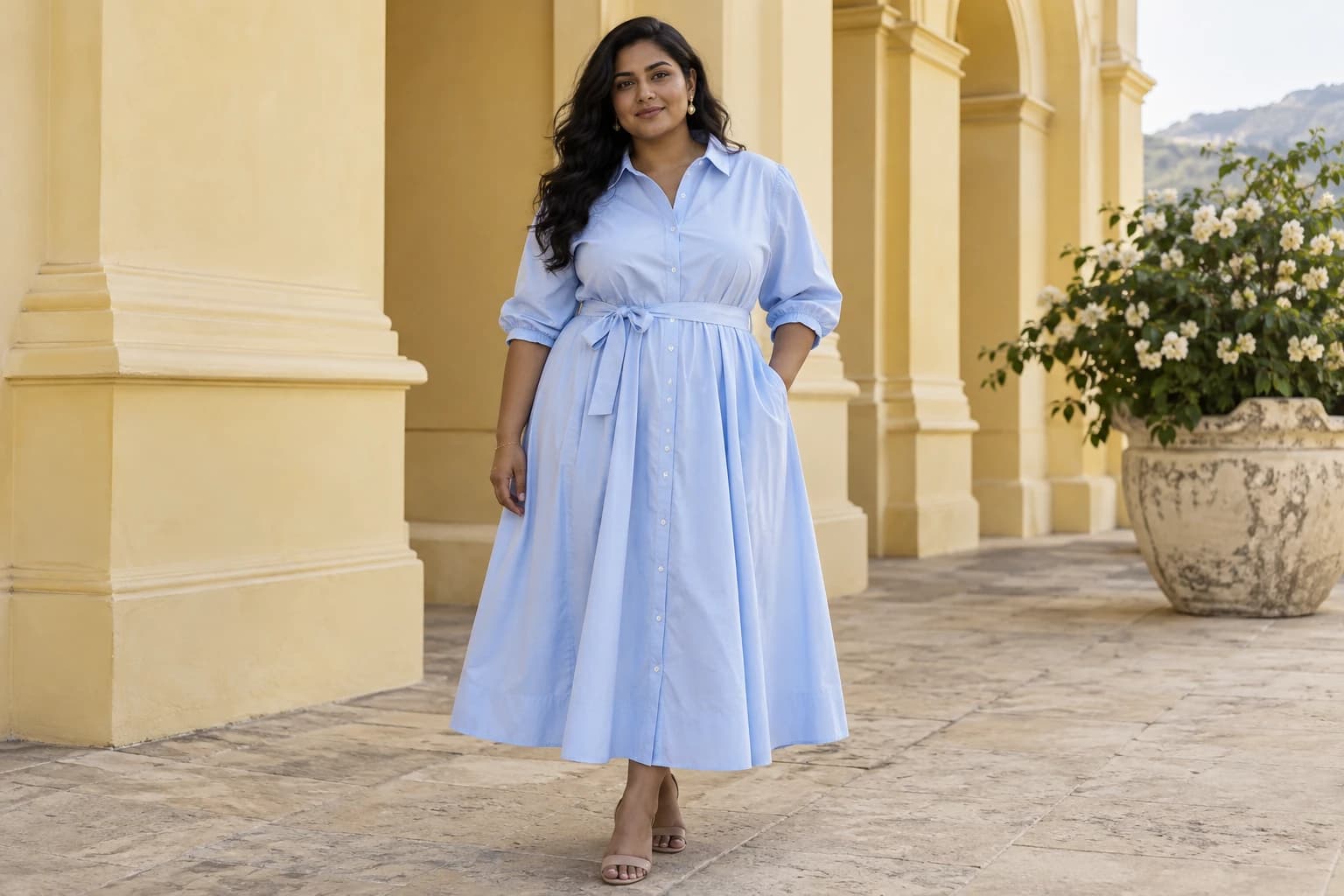
Create a simple styling record for the collection. Note which pieces are sold, which are supporting props, and which combinations should recur. This helps prevent a generated accessory from being mistaken for part of the product. It also makes future additions easier to align with the original direction.
Review the collection as a group
Individual images can look polished while the combined selection feels narrow or inconsistent. Lay out the approved candidates together and examine who appears, how they are posed, and which subjects receive the most expressive or prominent frames. Look for repetitive defaults that the team did not deliberately choose.
Review anatomical coherence and garment construction in every candidate. Pay attention to hands near closures, hair across necklines, and poses that conceal the waistband. The quality bar should remain consistent across the cast. Representation is not meaningful if some images receive noticeably less care.
Document the choices that worked and the ones that felt wrong for the collection. Future teams should understand the intention without copying the same face or pose indefinitely. Thoughtful casting creates a recognisable world while leaving room for people, garments, and new stories within it.