
Separate motion experiments and expressive campaigns from repeatable product production when evaluating creative software.
The starting point
A creative suite can open up an exciting range of image and motion possibilities. A catalogue workflow has a different daily rhythm: identify the item, preserve its details, produce the required views, and keep the range consistent. Both can be valuable to a fashion brand, but they should be evaluated against the jobs they are meant to perform.
Before comparing providers, split your upcoming work into two briefs. One describes the campaign or creative exploration. The other describes the catalogue delivery. Keep the product references shared, while allowing the acceptance criteria to reflect the destination.
The campaign brief needs an idea
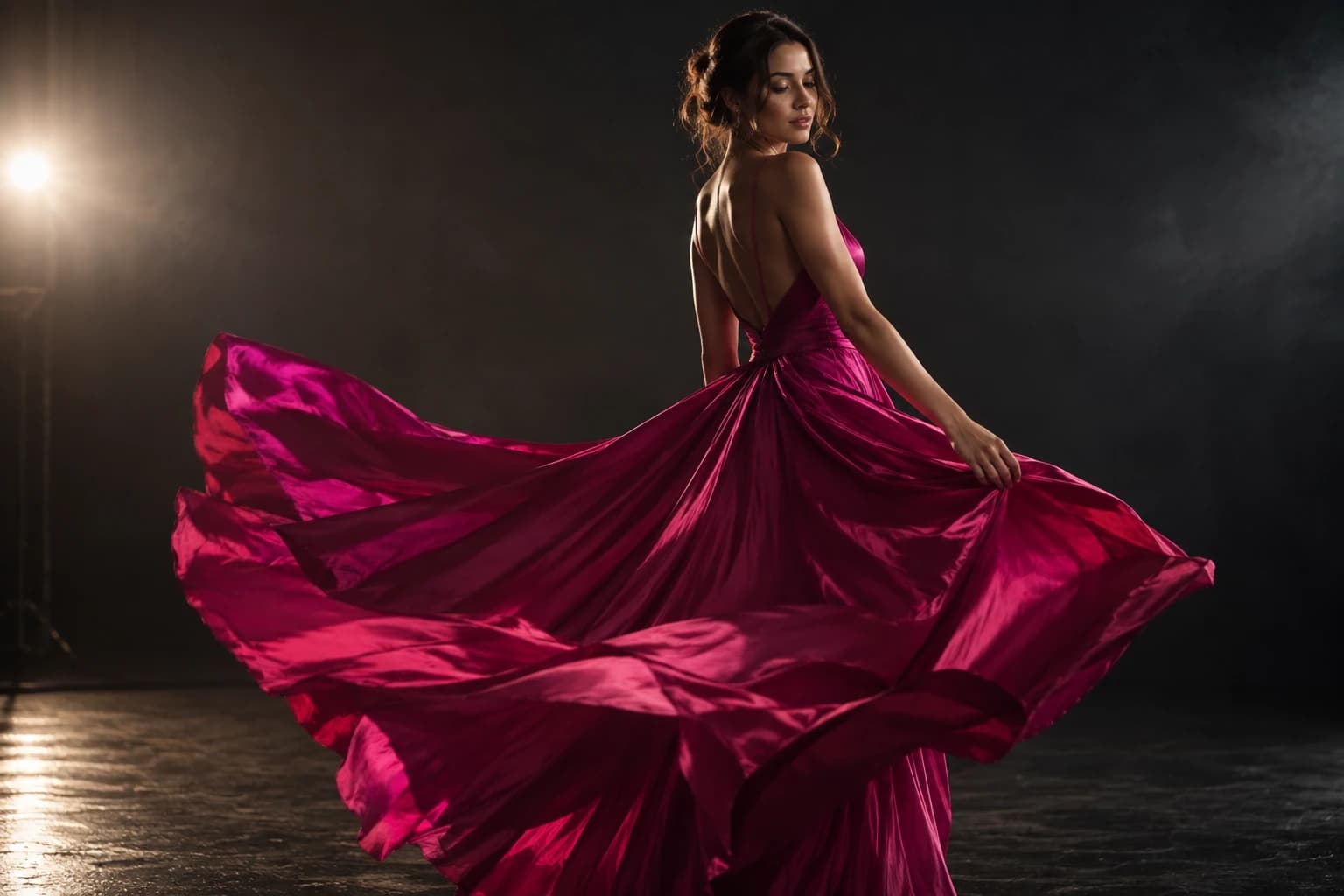
A campaign asks the audience to feel or notice something particular. Describe that intention before choosing an effect. A hypothetical outerwear launch might use a restrained camera move to emphasise the relationship between a coat and its setting. The movement supports a concept; it is not the concept by itself.
Explore several directions at small scale. Judge whether the image family feels coherent, whether the garment remains recognisable, and whether the creative idea survives the intended crop. A powerful widescreen composition may need a different treatment for a vertical placement.
The catalogue brief needs dependable repetition
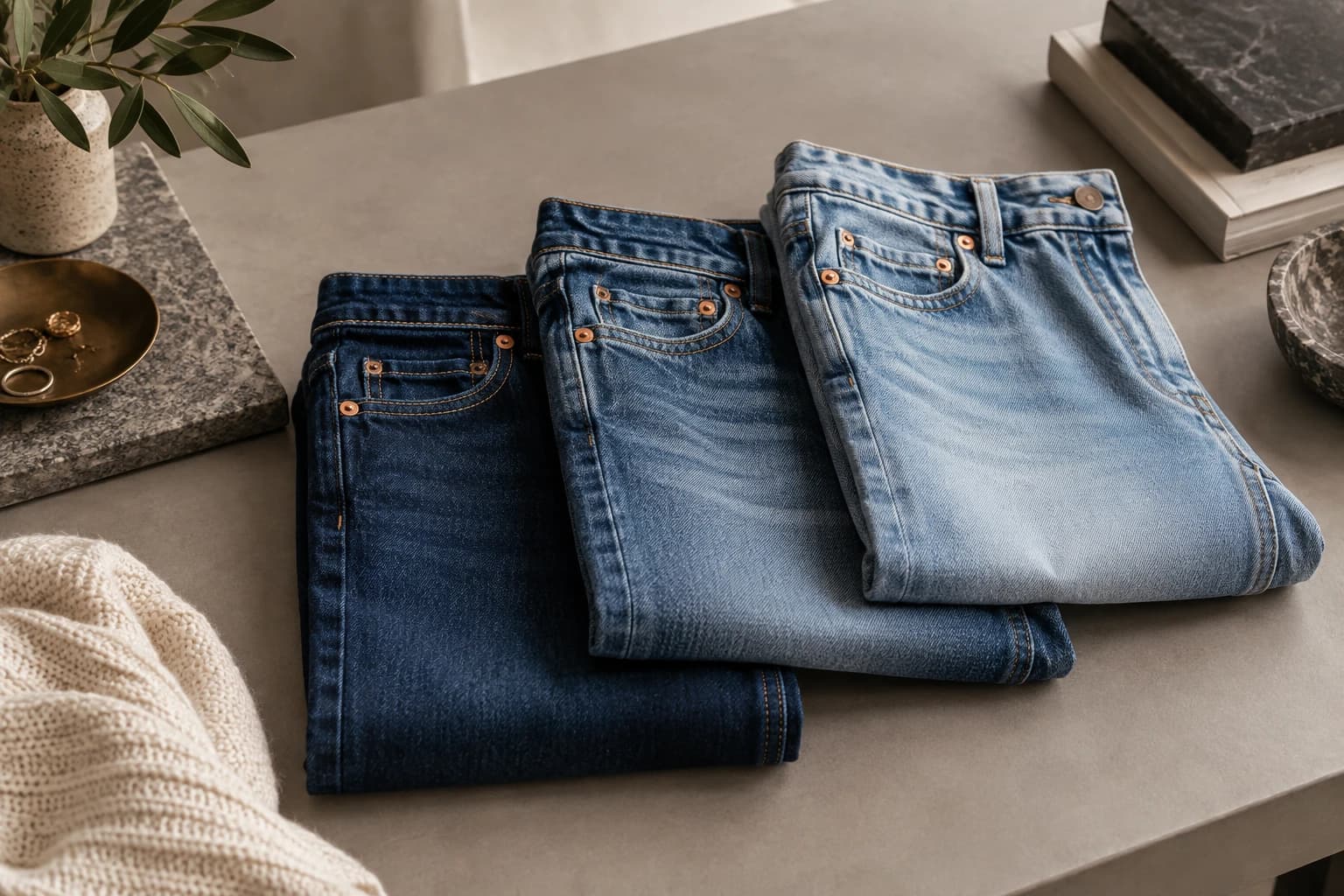
Catalogue imagery should help shoppers compare items. Write down the product scale, background treatment, required views, and accuracy checks. A set of individually dramatic frames can make browsing difficult if every garment appears at a different distance or with important features obscured.
Use several real products in the trial, including difficult patterns or materials. Review the whole batch as well as each image. The important result is a collection that works together, with errors and corrections visible before publication.
Motion adds another review dimension
A still image can pass inspection while a generated clip introduces changing buttons, shifting prints, or inconsistent hems. Review the entire sequence, not just the cover frame. Keep the movement purposeful and avoid treating synthetic fabric motion as a verified demonstration of physical performance.
Plan the final destination early. Consider the cover image, silent playback, crop, and still fallback. The clip should remain understandable when someone does not listen or chooses not to watch motion. A visually ambitious asset becomes useful when its delivery details are resolved.
Compare the work around the output
Look at reference handling, versioning, review, exports, and the ease of correcting a specific problem. Those operational details determine how much effort a creative possibility requires. A larger feature menu is only valuable if the team can turn the relevant features into approved assets.
Check current provider documentation for supported formats, usage terms, and pricing at the time of evaluation. This article does not rank named products or assert that one category always outperforms another. Providers and models change; your brief supplies a more stable basis for the decision.
A small brand may use an expressive tool for occasional campaigns and a structured process for everyday catalogue work. Another team may prefer one environment with a carefully documented workflow. Make the choice after a representative trial, and keep the handoff clear wherever work moves between tools. Creative range and production discipline can support the same collection when each has a defined role.