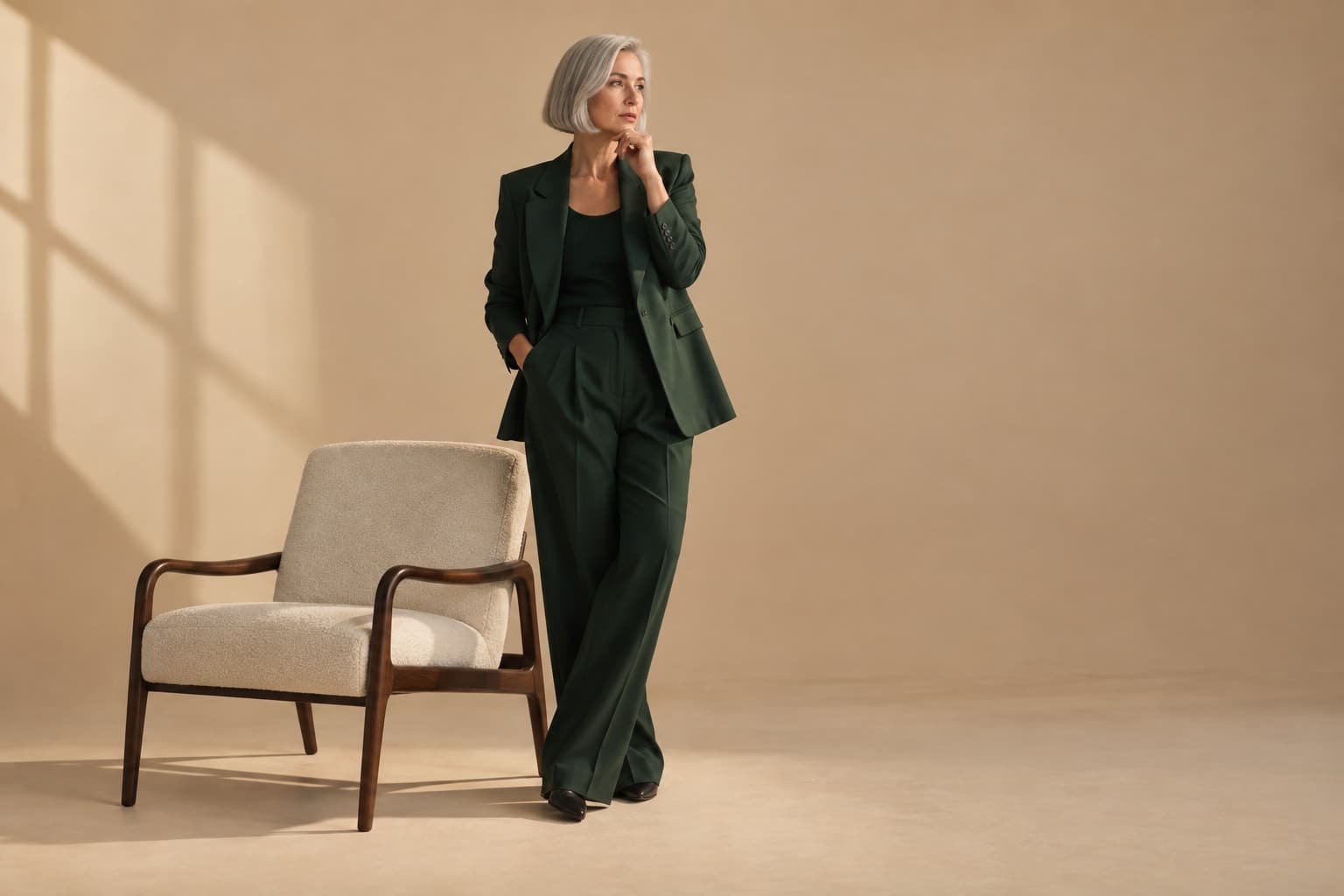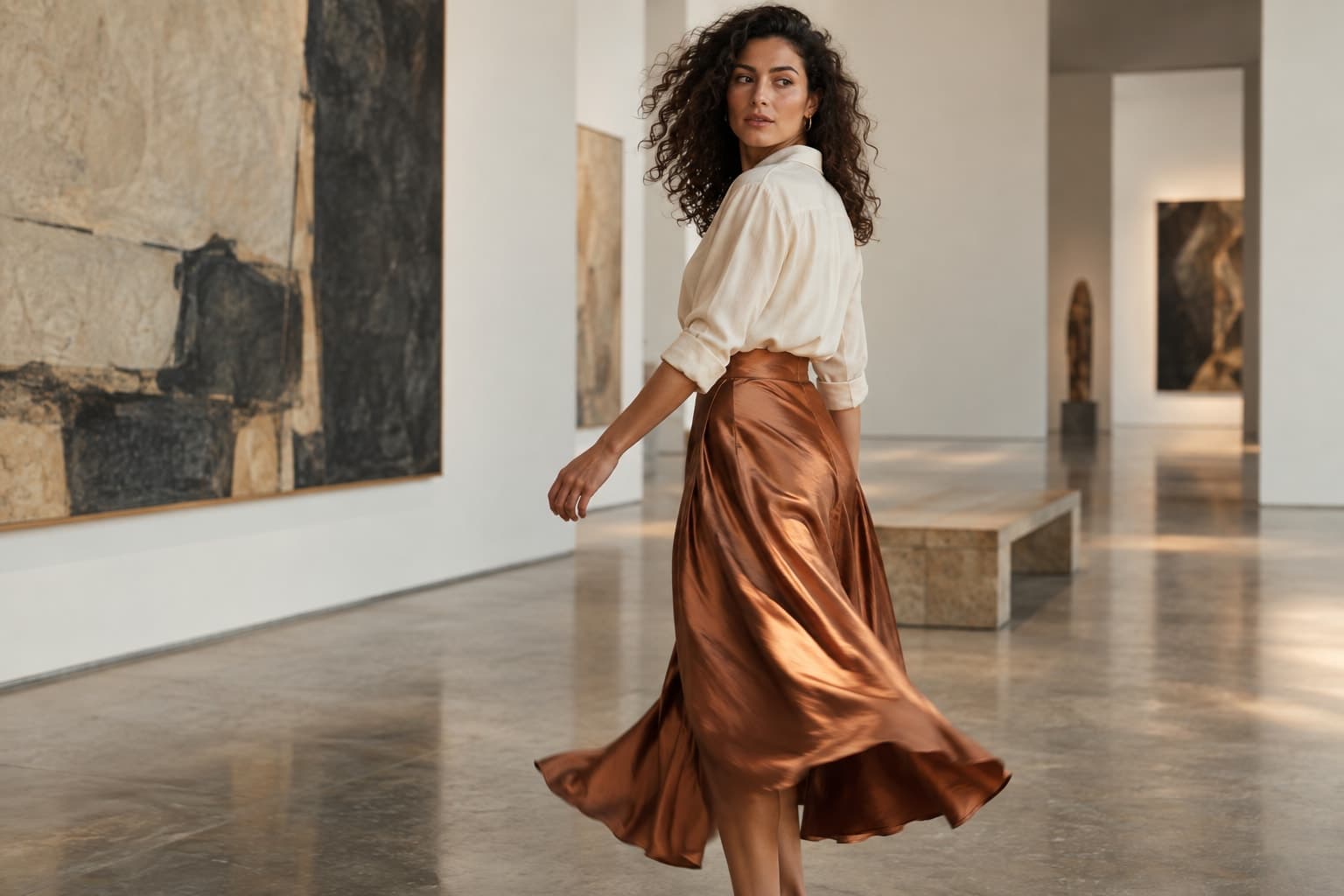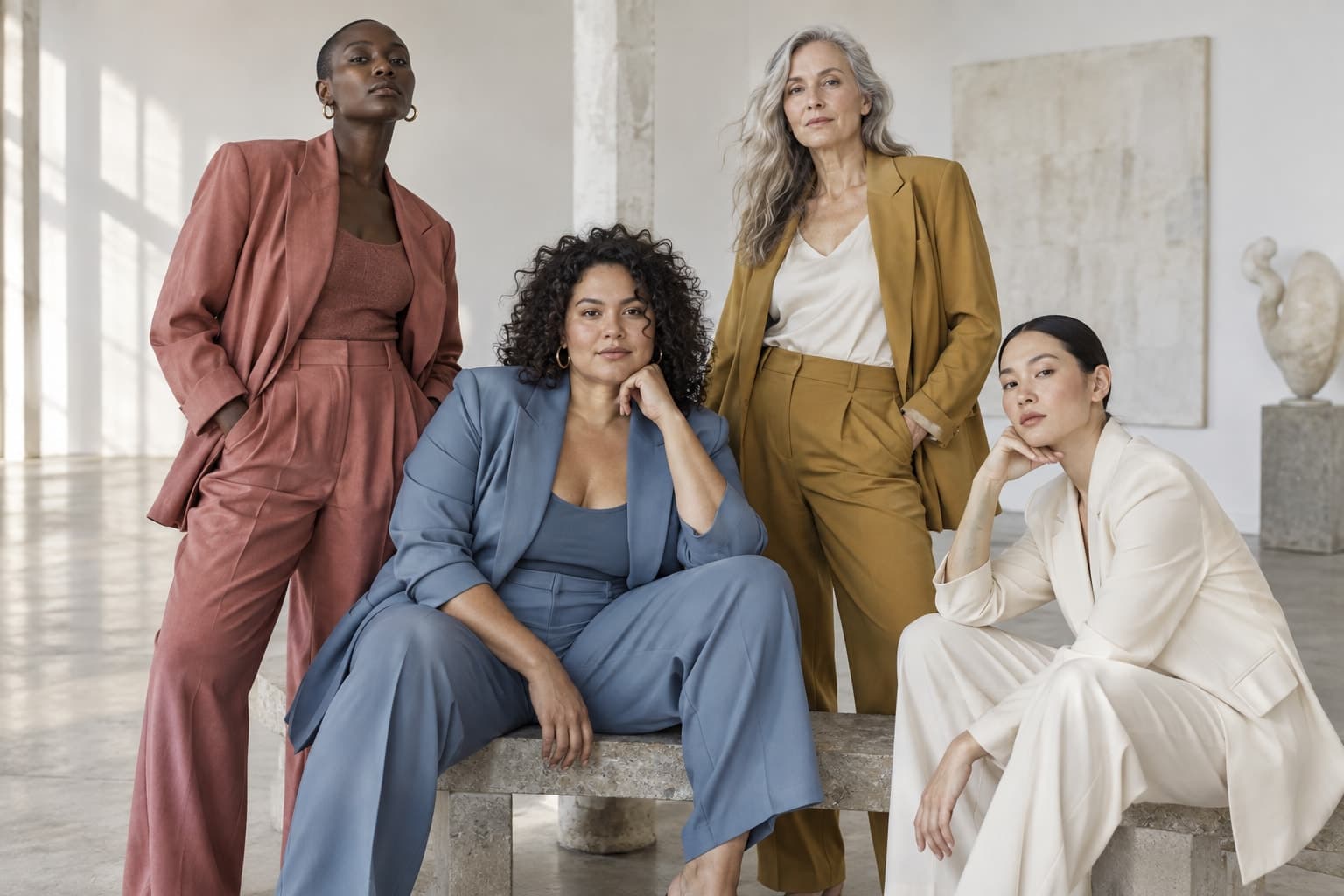
Plan representation across a collection with a thoughtful casting brief, meaningful review, and accurate product context.
The starting point
Inclusive casting begins before a team chooses individual faces. It starts with who the collection serves, what the clothes actually accommodate, and whose experience is considered during planning. Adding variety to a final image selection cannot resolve a narrow size range or a brief that treats one kind of customer as the default.
For a small brand, the useful first step is a practical audit. Review a season of imagery together rather than judging one campaign in isolation. Look at who appears, which products they wear, the roles they occupy, and whether some people are repeatedly placed at the edge of the story.
Build the brief around people and products
Describe the intended audience without reducing it to a list of visual traits. Consider different ages, body shapes, gender expressions, and cultural contexts where relevant to the collection. Then connect the casting plan to the actual product offering. Representation should not imply that an unavailable size or adaptation can be purchased.
Give the creative team room to portray people with presence and individuality. A model should not exist only to demonstrate that a category has been included. Consider styling, expression, posture, and prominence across the full sequence. Who gets the opening frame? Who appears in the most desirable product?
Use synthetic imagery with the same care
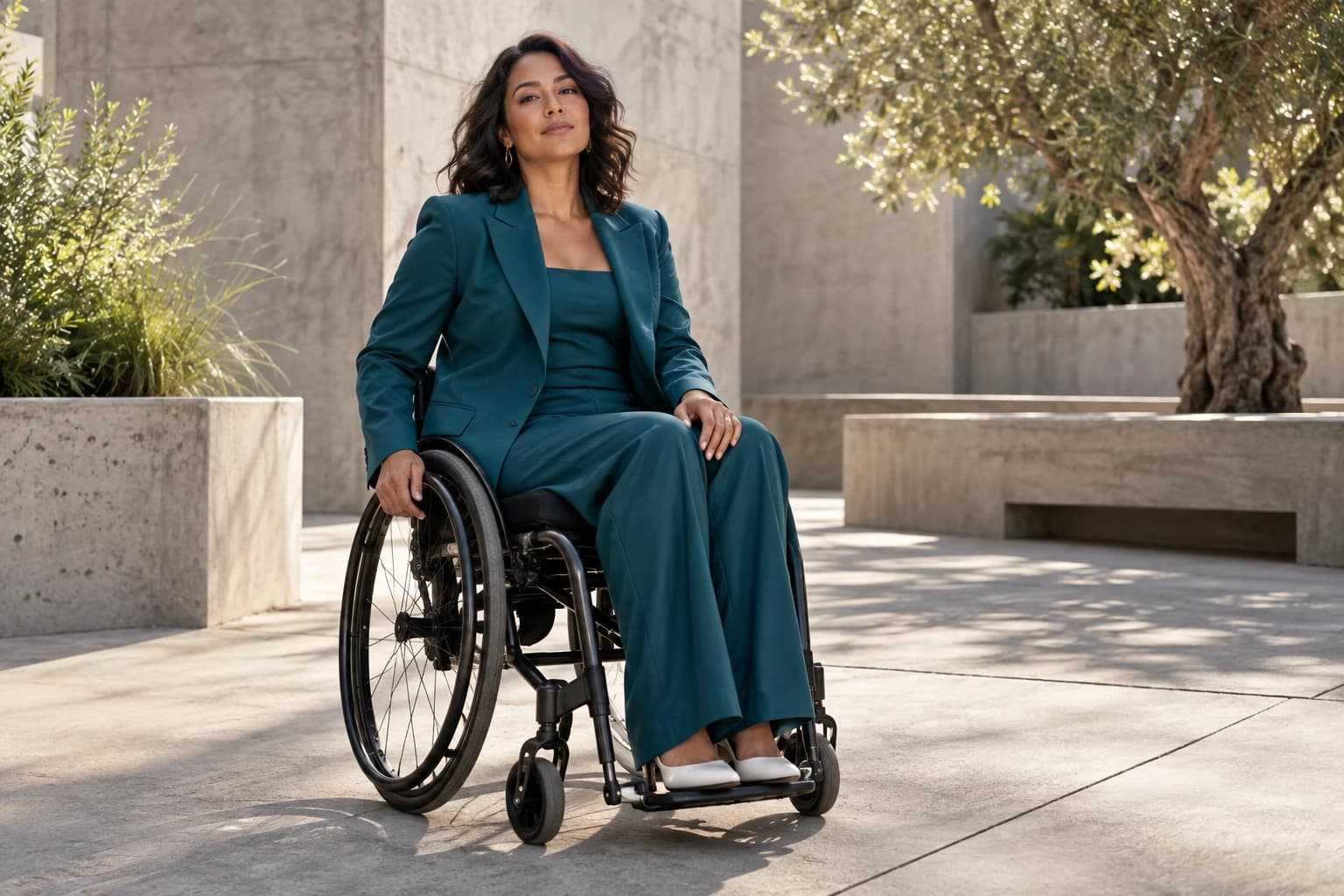
Generated people do not remove the need for a thoughtful casting decision. Review whether the images repeat narrow beauty conventions or use cultural cues as decorative shortcuts. Do not present a synthetic person as a real customer's testimonial or invent a biography to make the image seem authentic.
Be especially careful with images intended to communicate fit. A generated garment on a generated body is not a measurement or a wear test. Support product decisions with accurate size information, real garment measurements, and appropriate verified imagery. Keep creative representation distinct from evidence about how an item fits.
Give feedback a place in production
Invite review while the team can still change the work. People closer to the intended audience may notice awkward styling, exclusionary assumptions, or context that the initial brief missed. Ask specific questions about the images rather than asking one person to speak for an entire community.
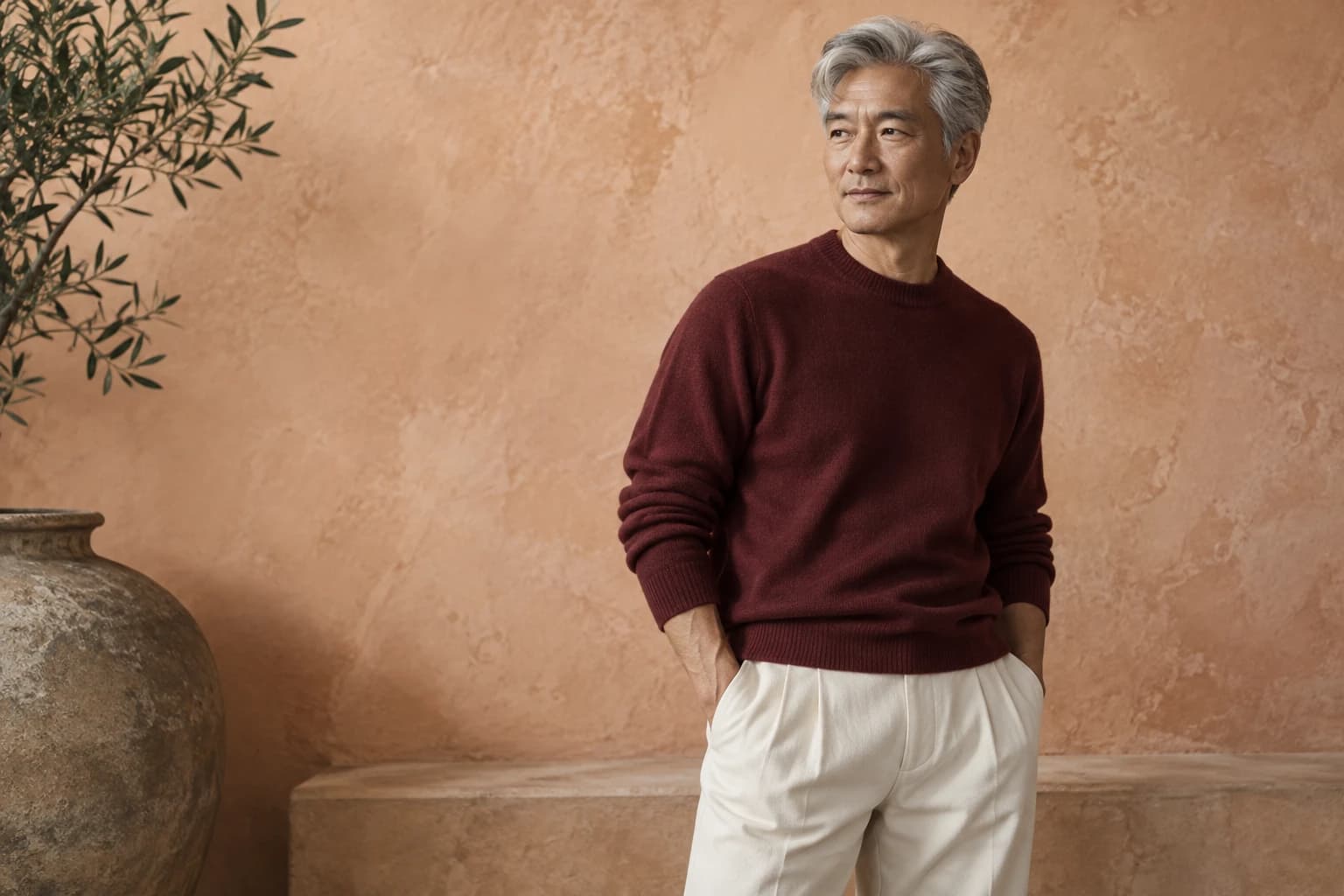
In a hypothetical outerwear campaign, a review reveals that older subjects appear only in quiet supporting frames while younger subjects receive all the active outdoor scenes. The team changes the shot list and styling distribution. The improvement is in the creative decisions, not simply in adding another portrait.
Make the practice repeatable
- Review the full collection of images, not only the hero campaign.
- Compare portrayed bodies and styling with the actual range being sold.
- Keep synthetic identities separate from real endorsements.
- Give collaborators a clear route to flag concerns before publication.
- Revisit recurring patterns at the next seasonal planning meeting.
Record the reasoning behind important decisions. A short note explaining a casting choice, a limitation in the product range, or a change made after review can help the next team avoid repeating the same problem. The aim is a living practice rather than a statement that never influences production.
Strong representation feels connected to the brand's product, customers, and everyday choices. Treat it as a responsibility shared by design, merchandising, and creative teams. The photographs are where that work becomes visible, but the work itself begins much earlier.