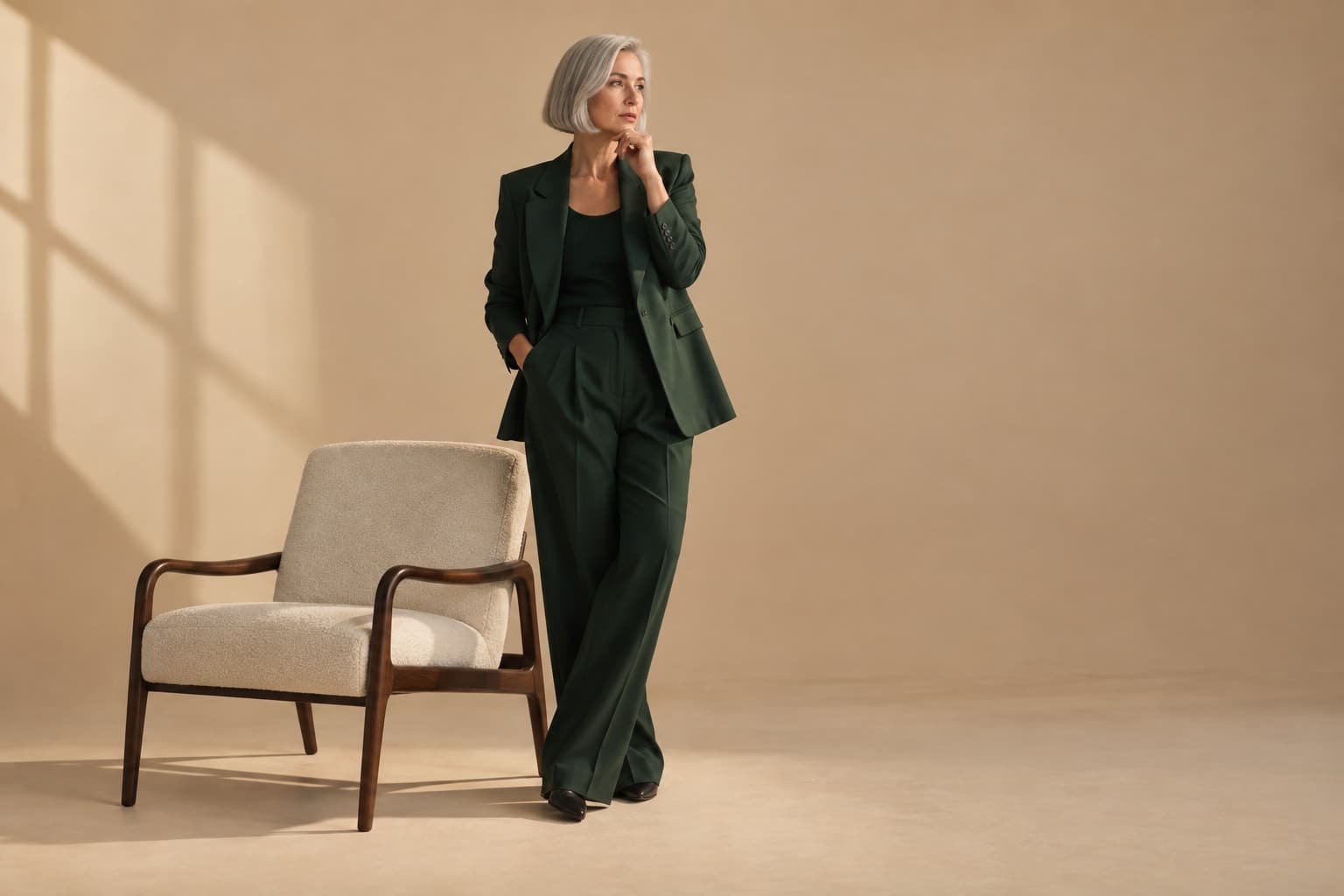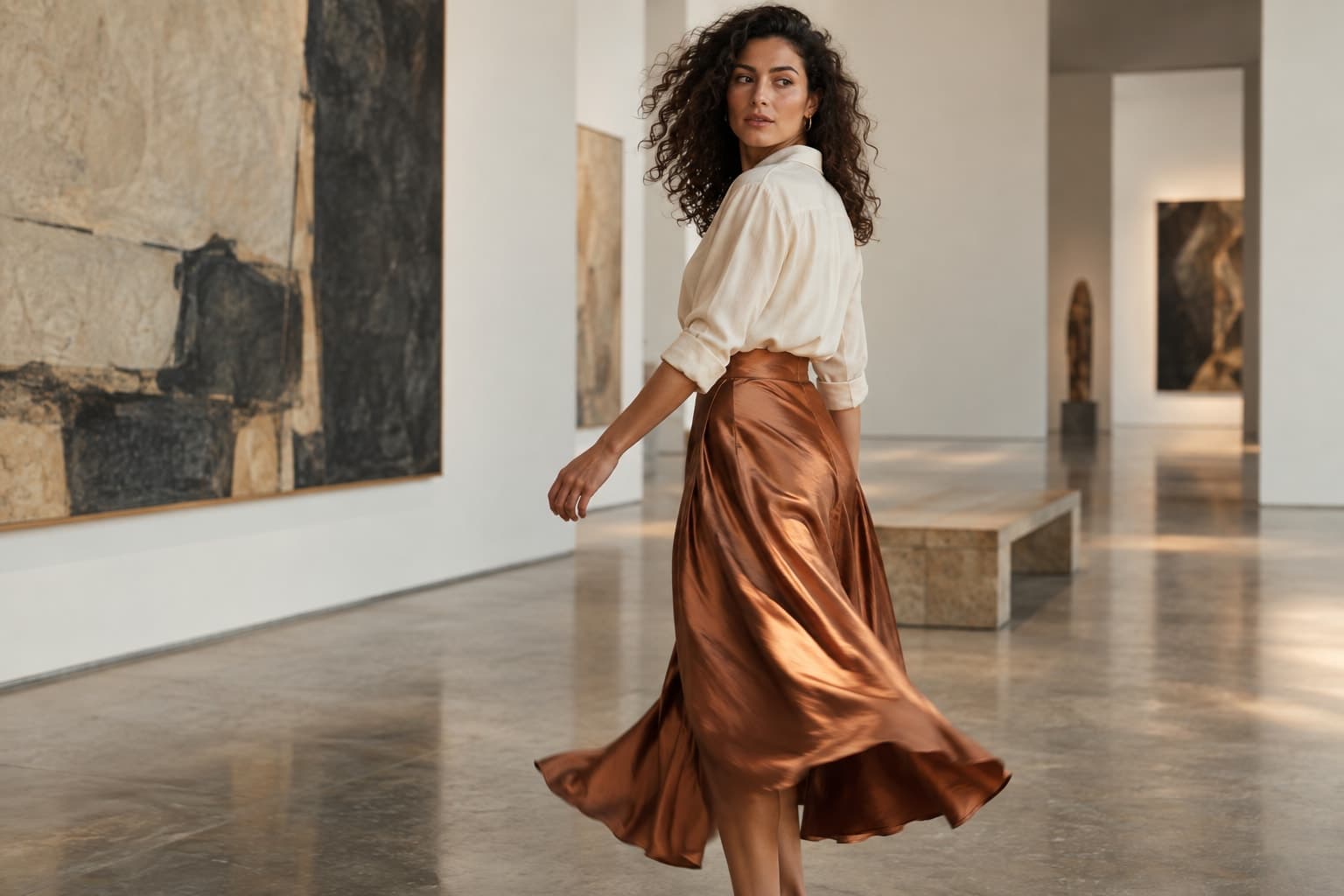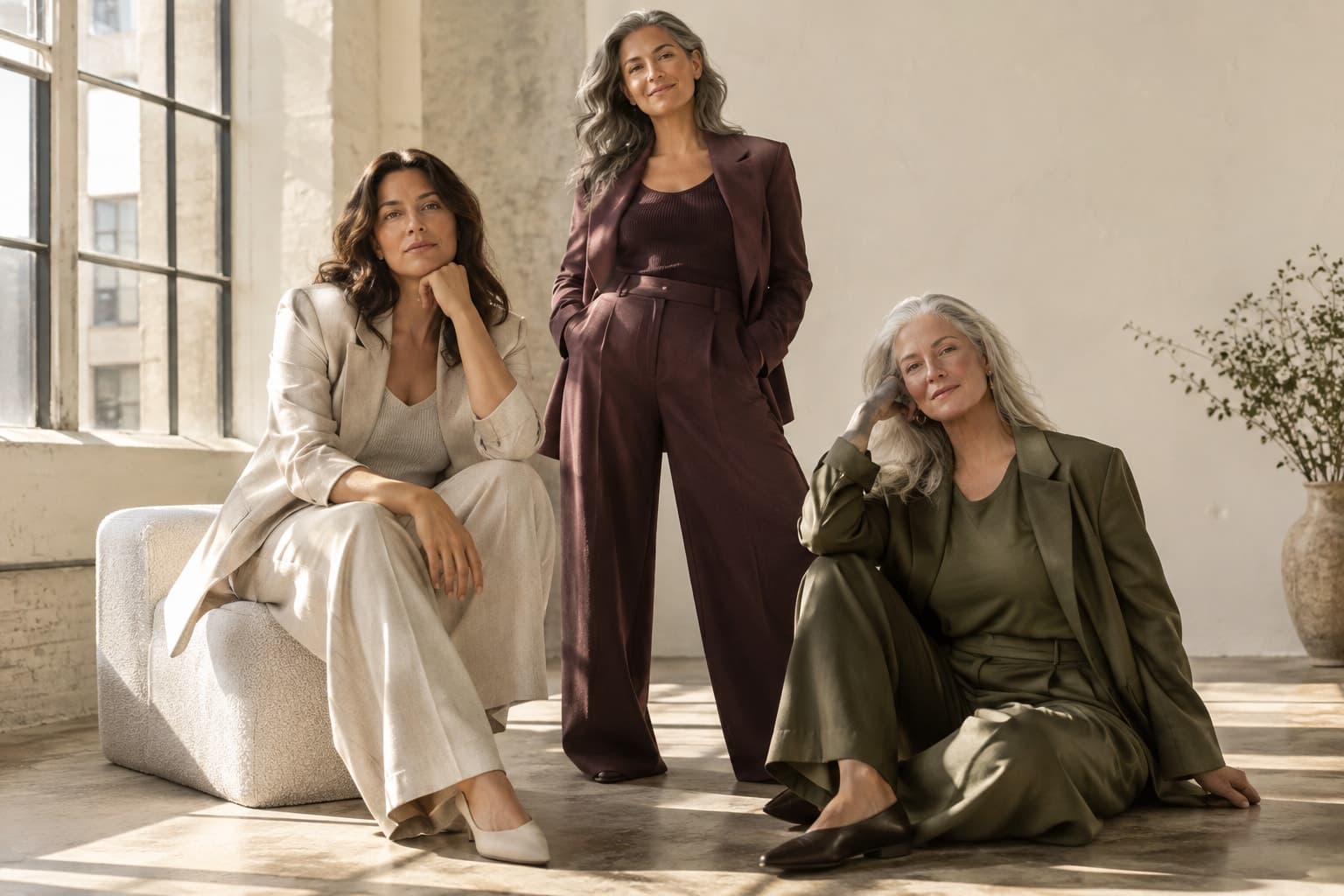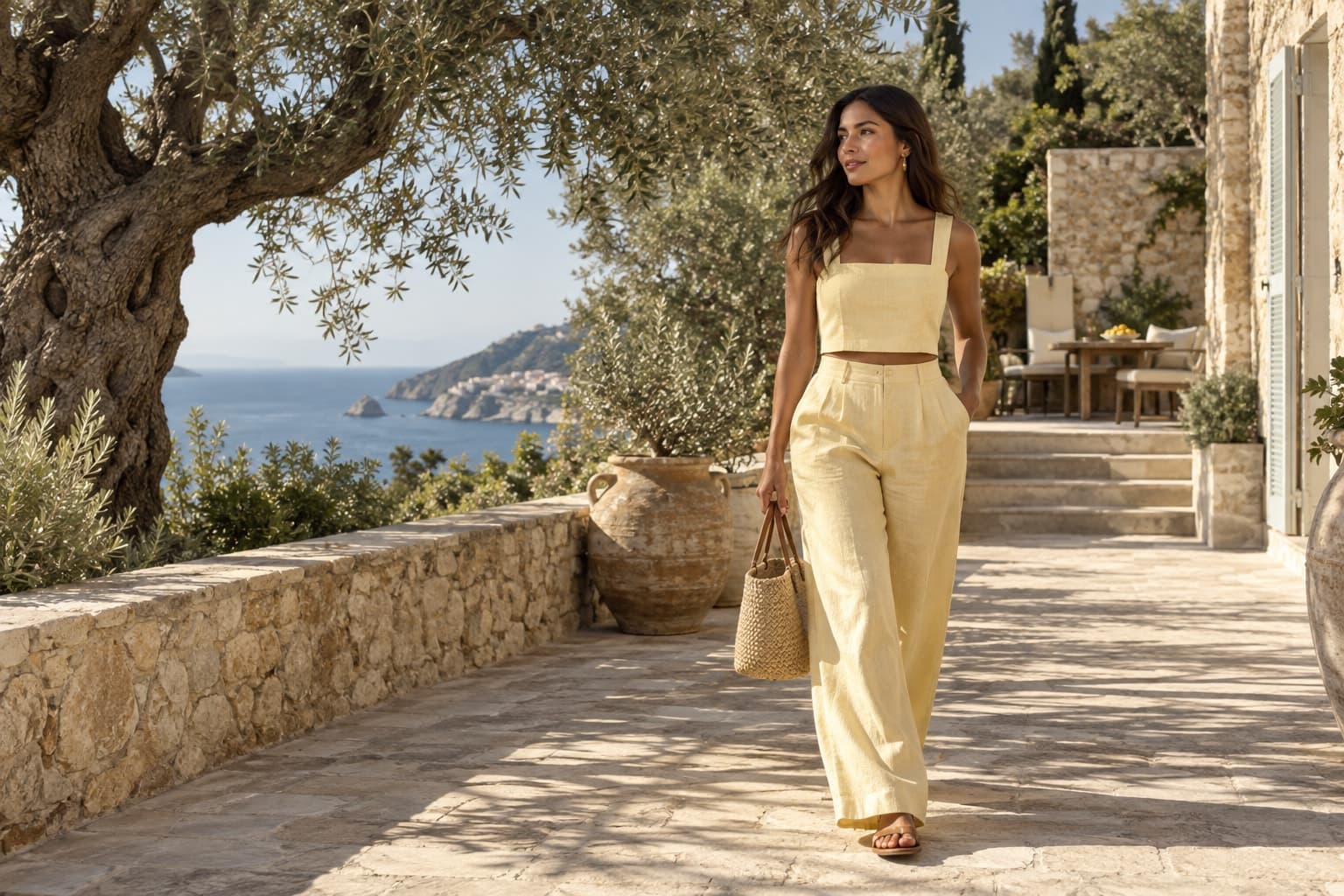
A retrospective creative exercise for turning warm-weather references into a collection-specific styling language.
The starting point
A seasonal archive is most useful when it helps a team see possibilities in its own clothes. Revisiting summer 2025 can provide a creative prompt without pretending that one editorial selection represents everything people wore that year. Treat the period as a reference frame and build a clearly defined styling exercise.
Choose garments from your actual collection or label the work as a concept. The distinction matters when the resulting images will be shared. A retrospective mood board can explore freely; a commercial product image needs to remain accurate to an item that exists.
Begin with material and movement
Look at fabric weight, opacity, surface, and shape. A crisp woven shirt invites different gestures and layering than a fluid skirt. Instead of selecting a location first, identify what the garment needs the image to reveal. The setting should support those qualities rather than obscure them.
Build a small vocabulary of contrasts: structured and soft, matte and reflective, close and spacious, tonal and accented. Use it to compare styling directions. These are creative choices, not claims about what dominated a season. The exercise should produce options the brand can evaluate on their own merits.
Create three distinct outfit ideas
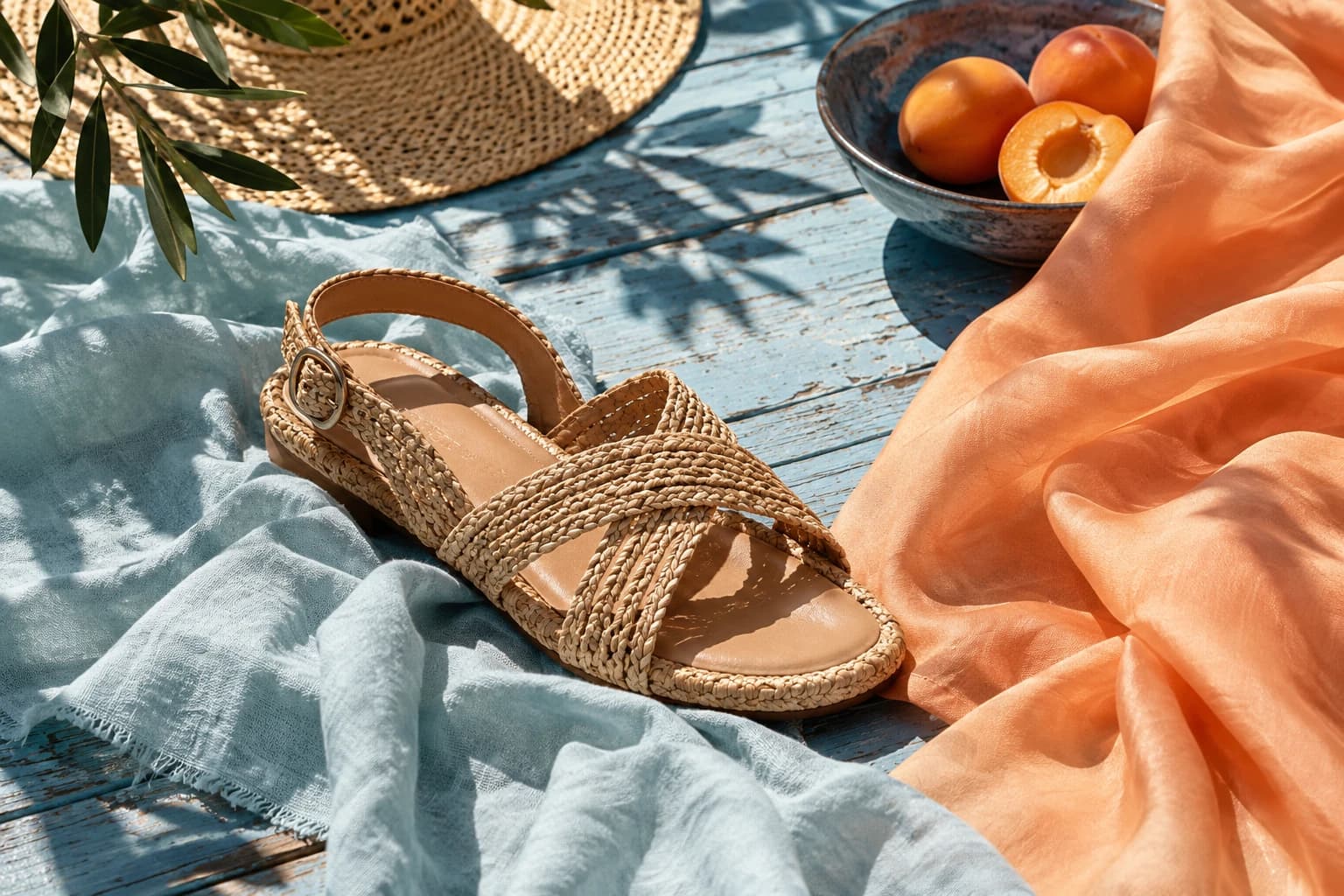
Choose a limited group of pieces and arrange three plausible combinations. One might emphasize tonal continuity, another a single color accent, and another a change in proportion. Keep accessories purposeful. A styling decision should help explain the outfit rather than fill every empty area of the frame.
For a hypothetical capsule of a linen shirt, wide-leg trousers, and a simple dress, the team explores a relaxed travel look, a quiet daytime outfit, and an evening layer. It checks whether the combinations use available products and whether every item is correctly represented. The exercise does not require inventing a new collection.
Give the images a seasonal rhythm
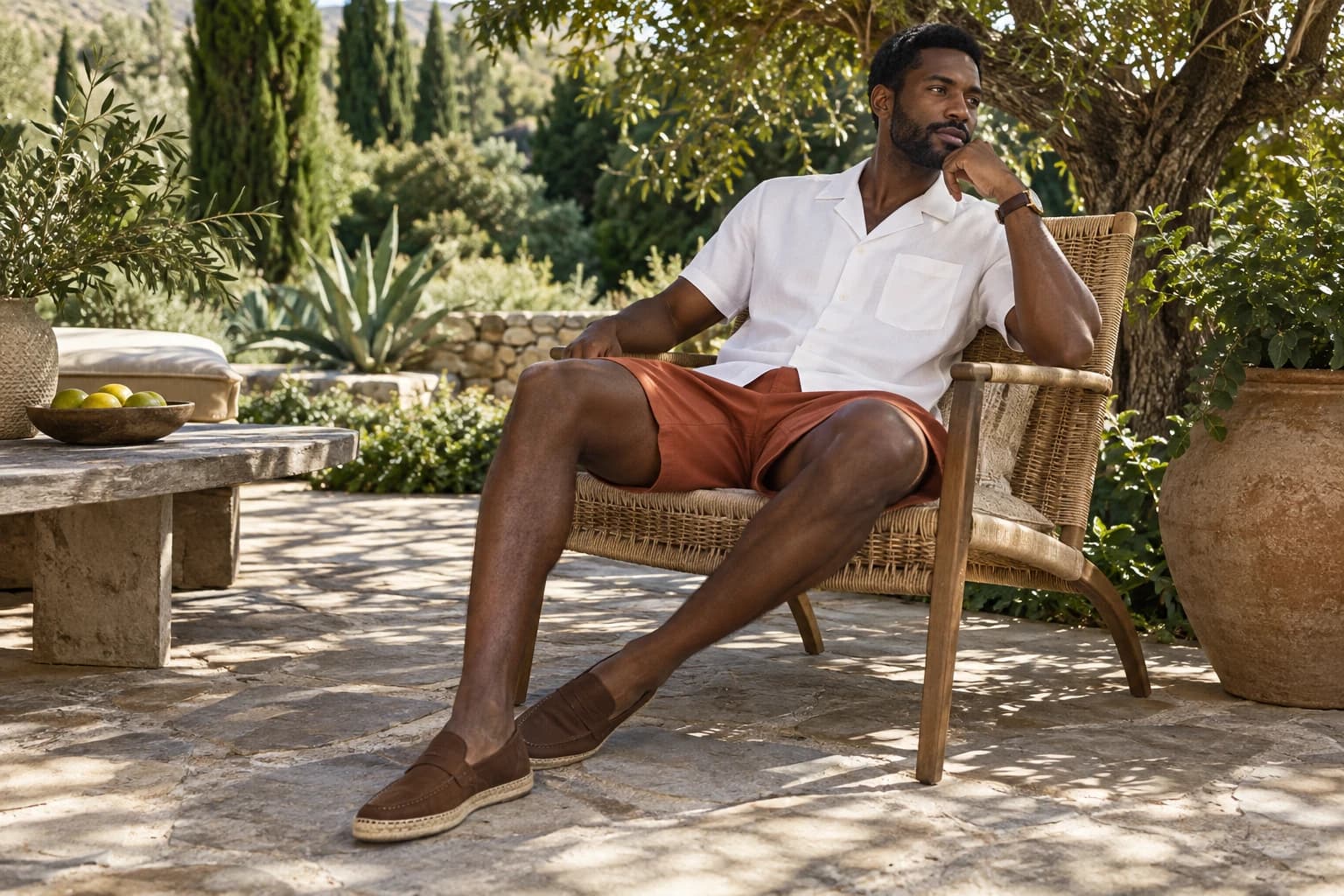
Warm-weather atmosphere can come from light, space, and posture. Avoid relying on a generic beach background when it has little relationship to the brand. A shaded wall, an open interior, or an uncluttered studio can provide a more distinctive setting when the composition is carefully considered.
Plan a sequence that alternates information and atmosphere. A full look establishes proportion, a closer frame introduces material, and a more expressive image adds movement. Review the sequence at thumbnail size to catch repeated poses or a sudden change in palette.
Preserve the useful lesson
- Name what each styling direction was intended to communicate.
- Record which combinations felt authentic to the collection.
- Check generated assets against real garment references.
- Label concept work and retrospective context accurately.
- Keep the strongest ideas in the next brief with clear notes.
Do not judge the exercise only by which image receives the fastest approval. Ask whether it helped the team see a product relationship or presentation idea it can use again. A quiet but repeatable direction may be more useful than a dramatic image that belongs to no other part of the brand.
The purpose of looking back is to sharpen the next creative decision. Preserve the references, label the time context honestly, and let the actual garments determine what deserves to move forward. A seasonal exercise becomes valuable when it leaves behind a clearer way to style and present the collection.