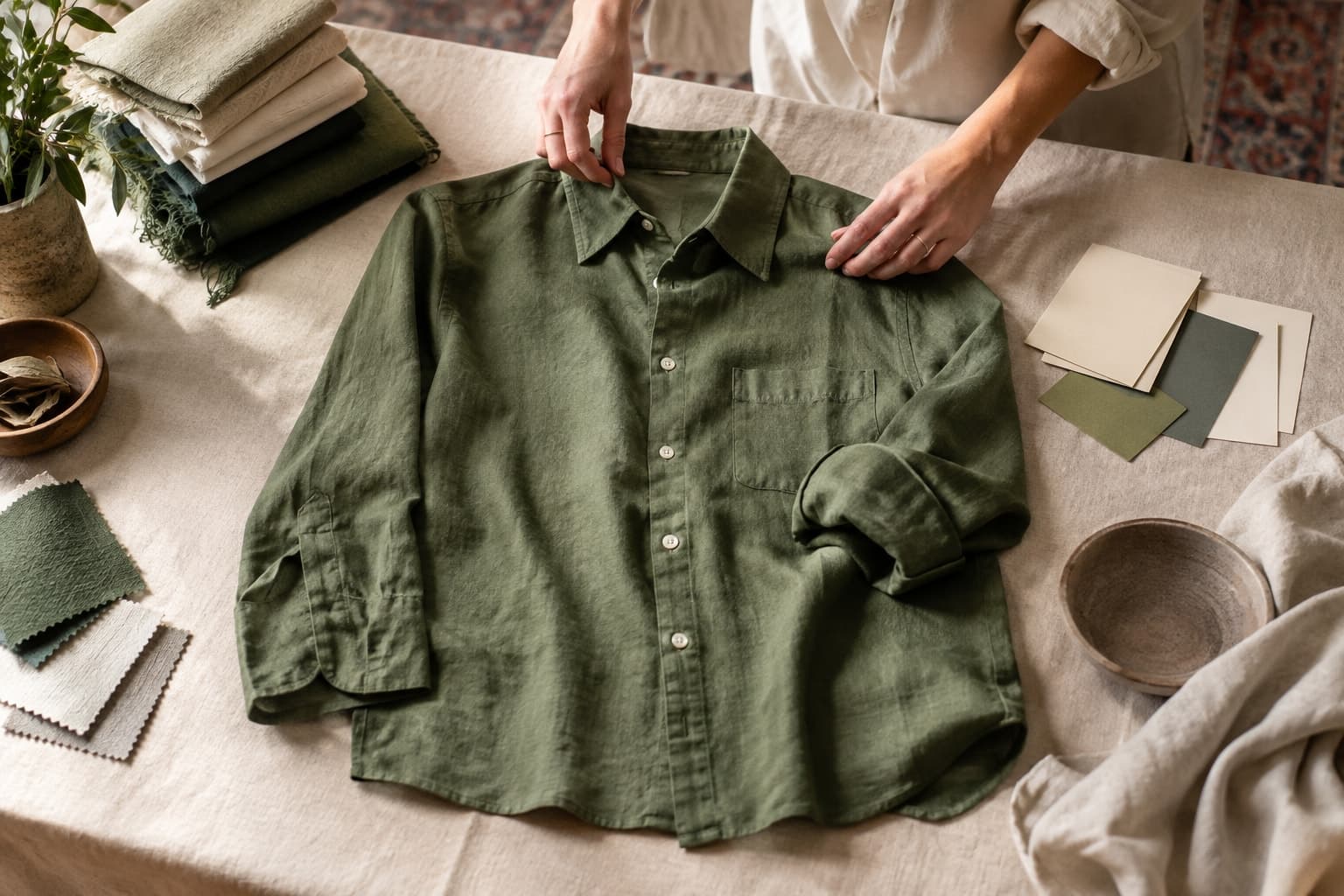
A retrospective worksheet for connecting creative decisions, operational changes, and the lessons worth carrying forward.
The starting point
A year-end review becomes useful when it changes the next brief. A folder of favorite campaign images can show what the brand looked like, but it cannot explain why a release ran late or why customers repeatedly asked the same question. Review the year as a chain of decisions, from product preparation to the moment an order reached a customer.
This is a retrospective framework for examining 2025, not a report of Atellia's trading history or a claim about industry-wide results. Apply it to your own records. Where evidence is missing, name the gap rather than filling it with a confident story.
Start with three launches
Choose one launch that felt smooth, one that was difficult, and one that surprised you. Gather the original brief, approved imagery, production timeline, customer questions, and commercial results. Use the same time window for each comparison where practical. Record unusual circumstances such as stock shortages or a change in traffic source.
Ask what the team expected before the launch. This matters because hindsight can make every outcome look obvious. A short original hypothesis, such as customers will understand this as a travel capsule, gives you something concrete to test against actual behavior and feedback.

Follow the handoffs
Map how a sample became a published product page. Note where information was lost, where work waited for approval, and where someone quietly repaired a problem. Include the invisible tasks: renaming files, finding a missing measurement, or correcting a variant mismatch. These are part of production even when they never appeared on the schedule.
For each repeated delay, assign a change that can be observed. Replace improve communication with attach approved color references before photography begins. A specific action gives the next launch a fair chance to demonstrate whether the lesson was useful.
Separate creative taste from customer evidence
Identify which imagery the team preferred and which imagery answered customer needs. These may overlap, but they are not the same measure. A campaign can be aesthetically strong while a product page still lacks a clear back view or readable fabric detail.
In a hypothetical review, a brand discovers that its favorite summer campaign produced many saves, while support messages repeatedly asked whether a trouser was lined. The next brief keeps the creative direction and adds a verified interior detail. The lesson is not that editorial imagery failed; it is that one image cannot do every job.

Turn observations into a short operating plan
- Keep one practice that consistently helped the team deliver.
- Stop one habit that created work without a clear benefit.
- Test one uncertain idea with a defined scope.
- Repair one recurring source of customer confusion.
- Assign an owner and a review date to each change.
Avoid carrying a long list of intentions into the new year. A few changes that reach the production brief are more valuable than a comprehensive retrospective that nobody consults. Preserve the evidence behind each decision so a new teammate can understand why it was made.
End the review with the first practical application: the next collection, the next product page refresh, or the next creative test. That connection turns a historical theme into useful work. The goal is a clearer next decision, not a more flattering story about the year that has passed.