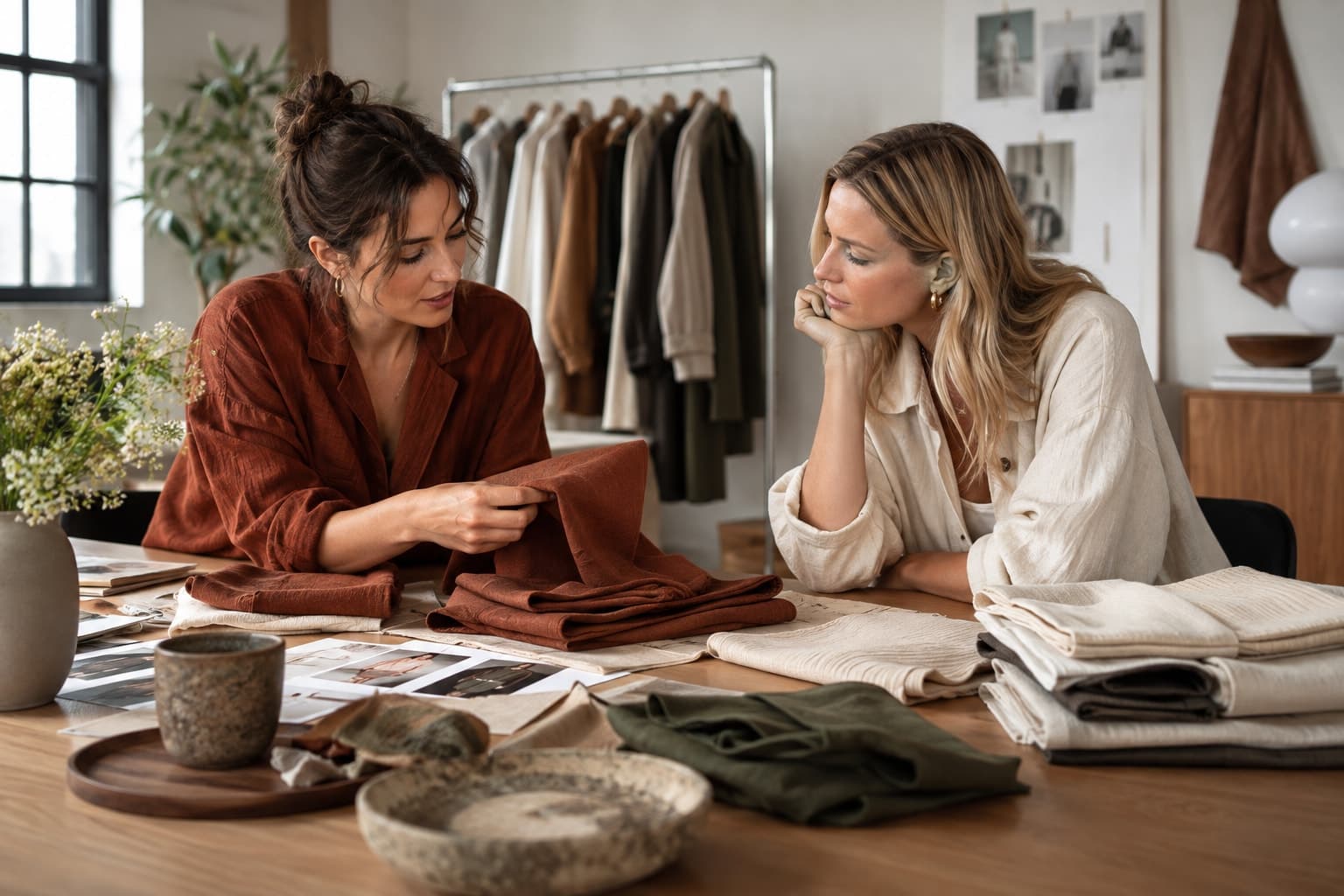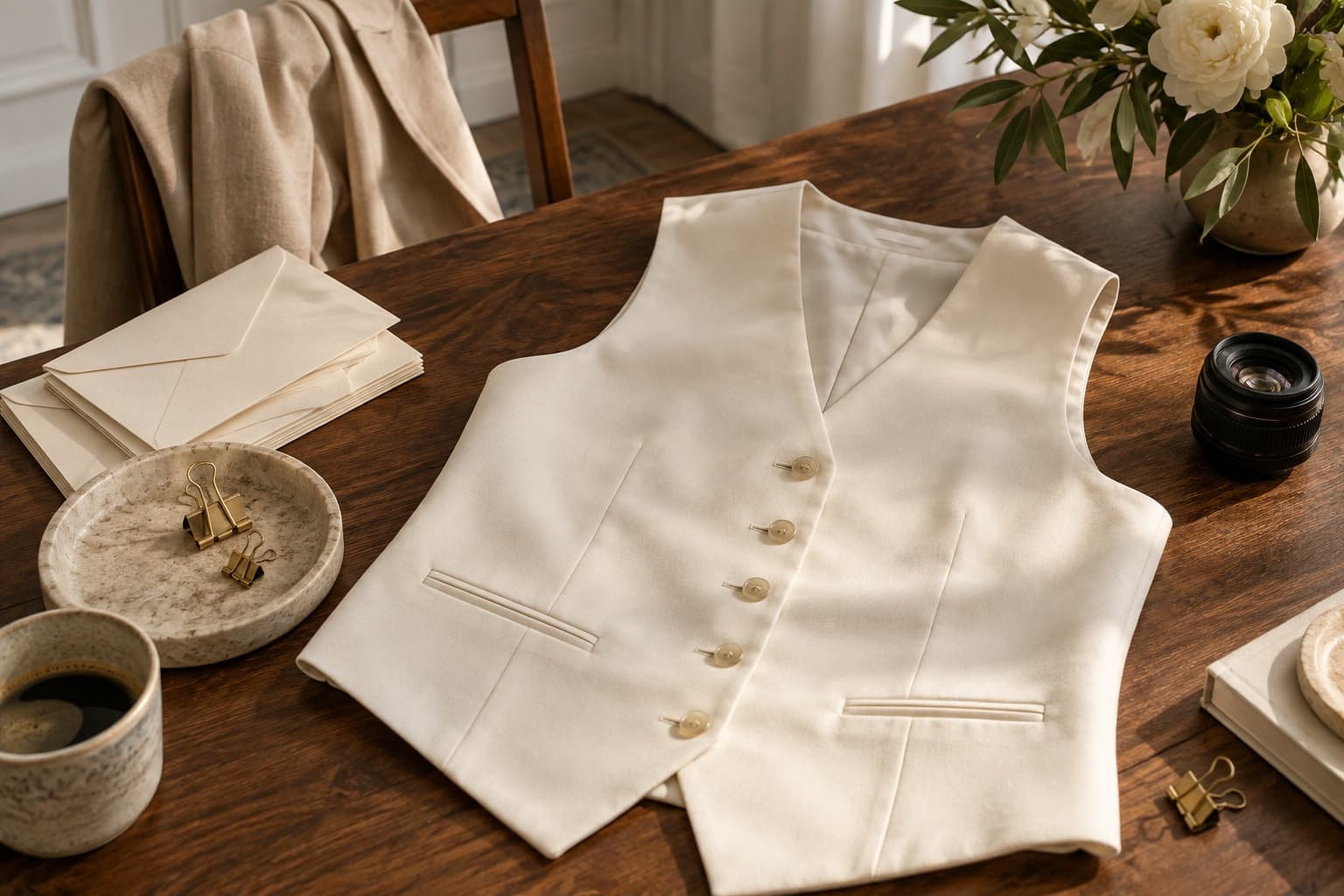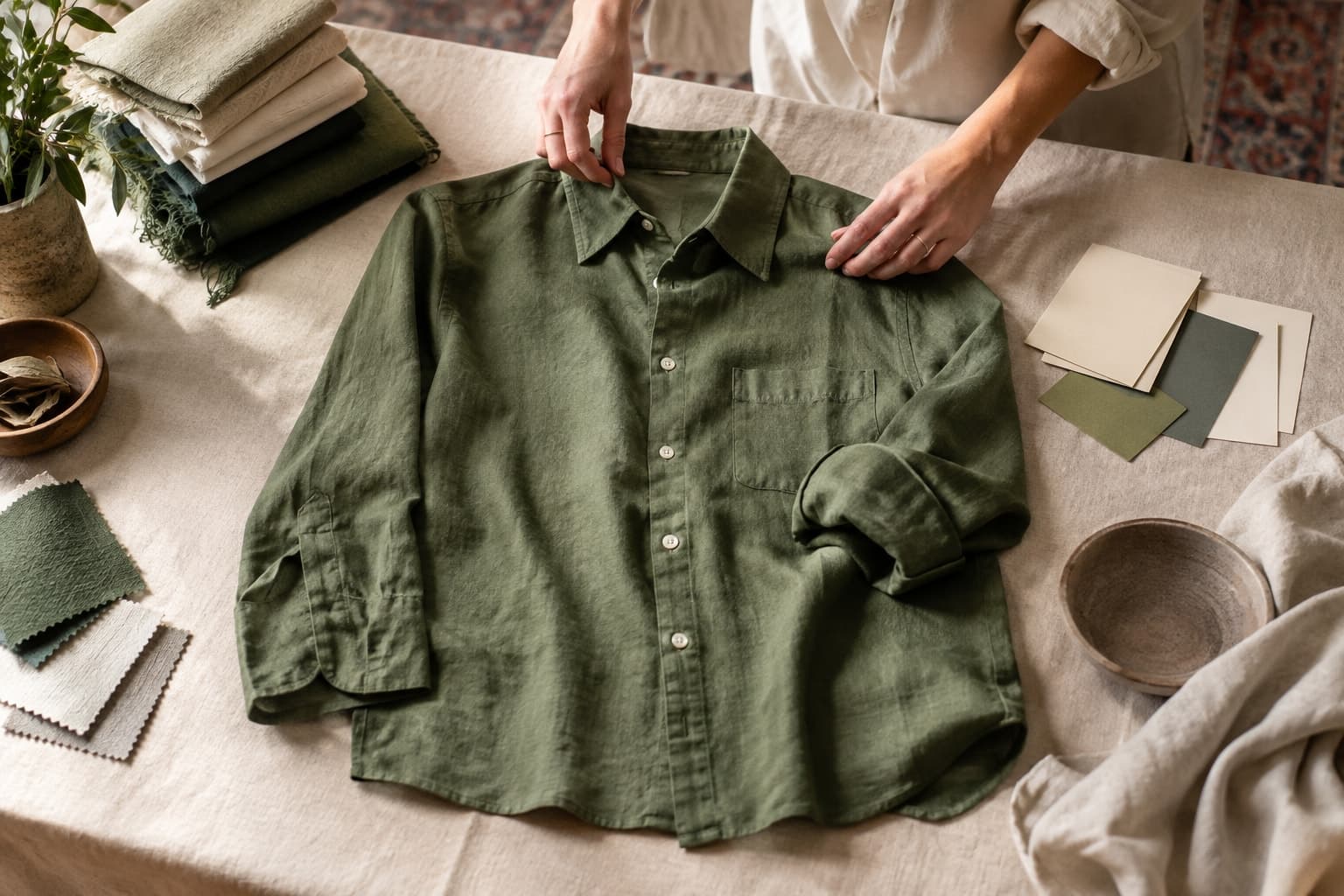
Create a useful reference packet, protect product accuracy, and judge generated clothing images against a real merchandising brief.
The starting point
A clothing image generator can produce a convincing garment that is still the wrong product. The distinction matters whenever a picture appears near a buy button. A shopper needs to understand the item they can actually receive, including its shape, fastening, fabric appearance, and visible construction. Attractive invention belongs in concept work; product imagery needs a stricter brief.
Begin by deciding which task you are asking the system to perform. Are you developing an imaginary collection, changing the setting around an existing item, or placing a real garment on a synthetic model? Each task needs different references and a different approval standard. Mixing them in one request makes mistakes harder to recognise.
Assemble a small product truth packet
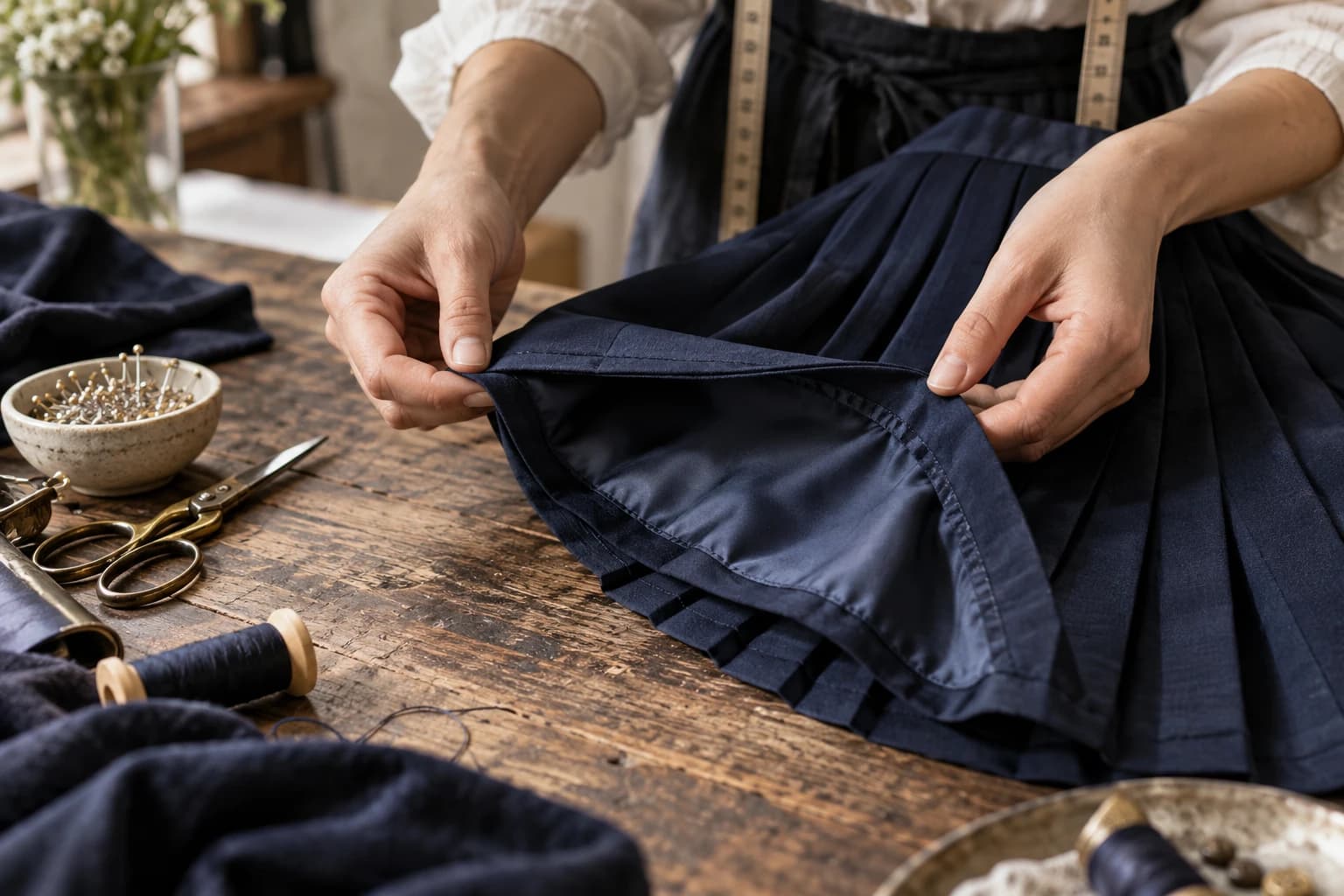
Use a clear front photograph, a back photograph, and close-ups of features that distinguish the item. Add a written list of things that must not change: pocket count, neckline, hem shape, logo placement, stripe direction, and closure. Include the product identifier so the reference packet cannot become separated from its catalogue record.
Photograph the item in a condition you would be comfortable showing directly. Remove distracting temporary tags, smooth accidental folds, and make sure important edges are visible. A generator cannot reliably recover a hidden button or determine whether a shadow represents a seam. If the source is ambiguous, solve that ambiguity at capture.
Write the transformation, not just the aesthetic
A useful brief separates fixed details from creative freedom. For a hypothetical navy chore jacket, the fixed details might be three patch pockets, a straight hem, and contrasting buttons. Creative freedom could include a pale studio background and a relaxed standing pose. State both, then review the result against the reference rather than the elegance of the prompt.
Do not treat the prompt as proof that an instruction was followed. Read the output visually. Compare both sleeves, inspect the front opening, and check whether the model's hands obscure a feature shoppers need to see. Look for details that quietly migrate between generations, especially repeated buttons and symmetrical pocket arrangements.
Decide where the image belongs
A campaign image can prioritise atmosphere while remaining truthful about the visible garment. A product gallery needs complementary views and dependable detail. A thumbnail needs an immediately legible silhouette. Produce for these jobs separately, even if they share a starting reference. One crowded composition rarely works equally well in every destination.
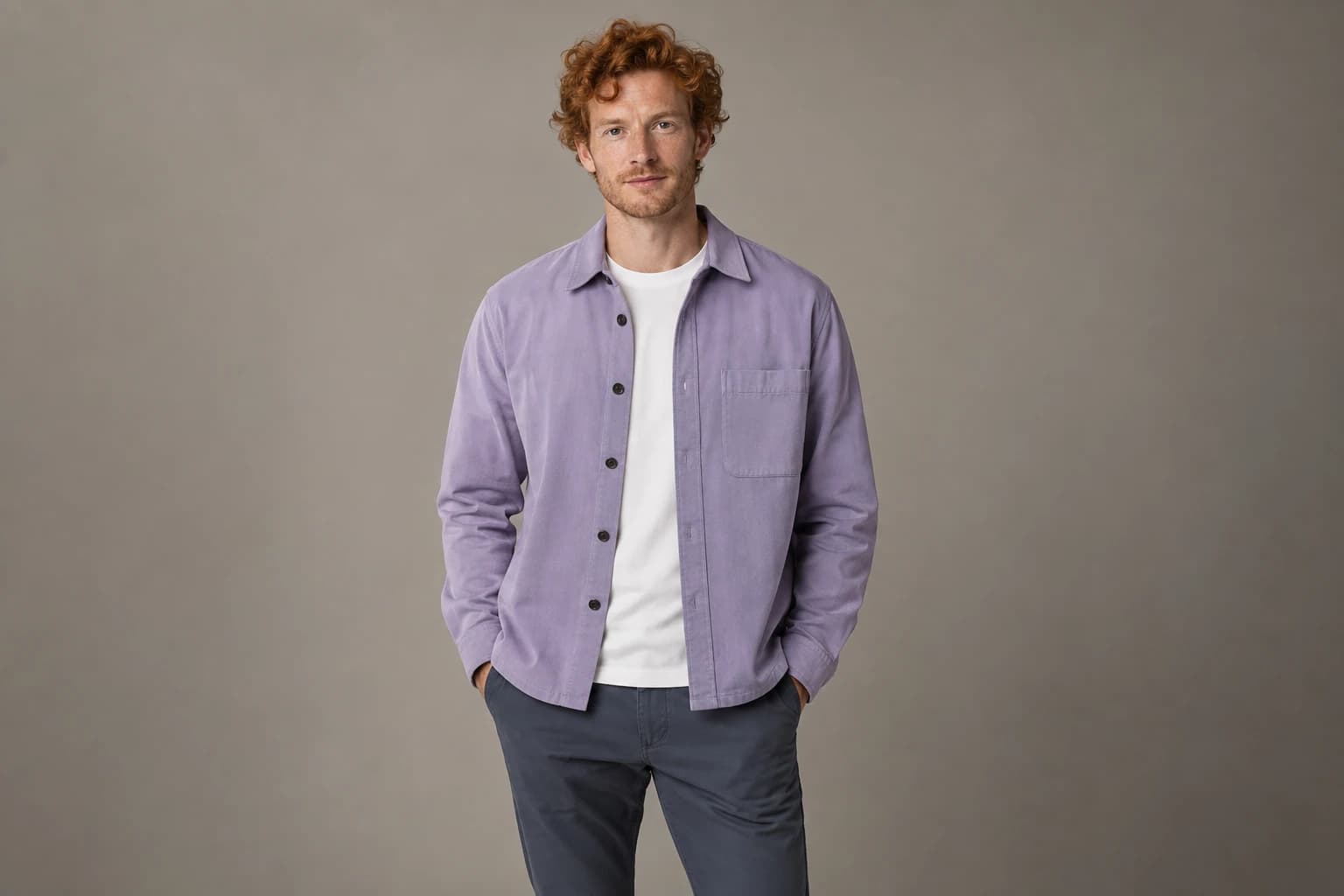
Keep a real product photograph available as an anchor when generated images cannot establish a particular feature confidently. Avoid using synthetic drape as evidence of exact fit on a customer. A visual can suggest styling, but it does not replace measurements, fabric information, or a clear size guide.
Build a rejection list before building a library
For your first batch, define a handful of automatic rejection conditions. Examples include an altered print, a missing fastening, a changed hemline, a distorted hand crossing the garment, or a texture that no longer resembles the reference. Reviewers can then explain decisions consistently rather than debating whether an image feels convincing overall.
Track accepted images by destination and retain the link to their source packet. If you later discover that a product was updated, you can identify which derived images need another review. That simple record is more valuable than a large collection of files with names such as final-final-new.
The most useful generator is the one that fits this disciplined process. Evaluate the whole path from product reference to approved storefront asset, including correction time and rejected outputs. A dependable result earns its place by helping a shopper understand a real item.
Research & sources
These findings describe the named studies and companies. They provide context, rather than measuring Atellia or establishing the effect of the advice above. Source dates are separate from retrospective theme years.
Study scope and numerical references
- Video helped respondents choose a product or brand: 45 %. Video-influenced respondents in a March 2025 US beauty/electronics purchase study; not all shoppers. Google / BCG, 2025