Design a small creator partnership program with useful briefs, clear expectations, and room for an authentic point of view.
The starting point
A campus creator program should begin with a reason for people to participate beyond receiving a discount code. The strongest starting point is a genuine connection between the product, the creator's interests, and the community they know. A large list of student accounts is not yet a partnership strategy.
Choose a focused objective. You might want to learn how a capsule is styled in daily life, gather thoughtful product feedback, or introduce a collection to a specific community. Do not ask one small program to prove every marketing ambition at once. The objective should shape recruitment, the brief, and the review.
Look for relevance in the work
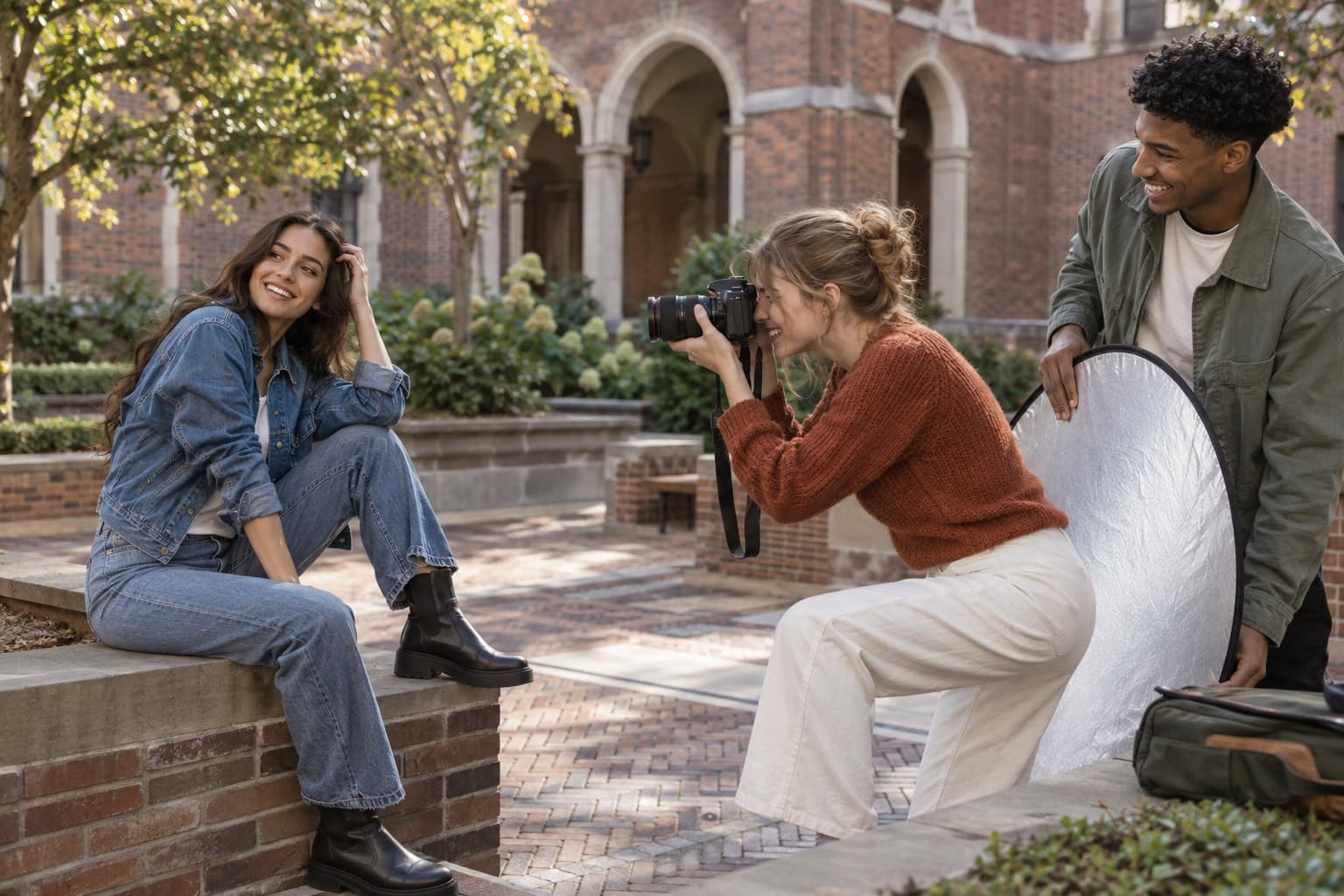
Review a potential collaborator's content, conversations, and approach to clothing. Consider whether they already make something that your brand could support. Audience size alone says little about the quality of the collaboration. A thoughtful styling voice may be a better fit than a larger account with little interest in the category.
Avoid treating a campus as a single audience. Student communities differ in interests, budgets, schedules, and cultural context. Let creators describe the people they reach and the kinds of content that make sense for them. Ask for examples rather than making assumptions based on age or location.
Make the exchange explicit
Write down compensation or gifting, deliverables, timing, approvals, usage permissions, and the process for resolving problems. If the brand wants to reuse a creator's work in advertising, discuss that separately and document the agreement. Do not assume that receiving a product grants unlimited rights to their image or content.
Include a clear disclosure process and have the responsible team verify the current rules for the relevant market and platform. Let creators describe their actual experience. A script that requires praise they do not believe weakens the relationship and produces less useful feedback.
Give direction without flattening the voice
Provide accurate product facts, the campaign objective, and a few visual boundaries. Then leave room for the creator's own styling and format. Ask to see a concept early enough to resolve misunderstandings, rather than turning final approval into an unexpected rewrite of their entire idea.
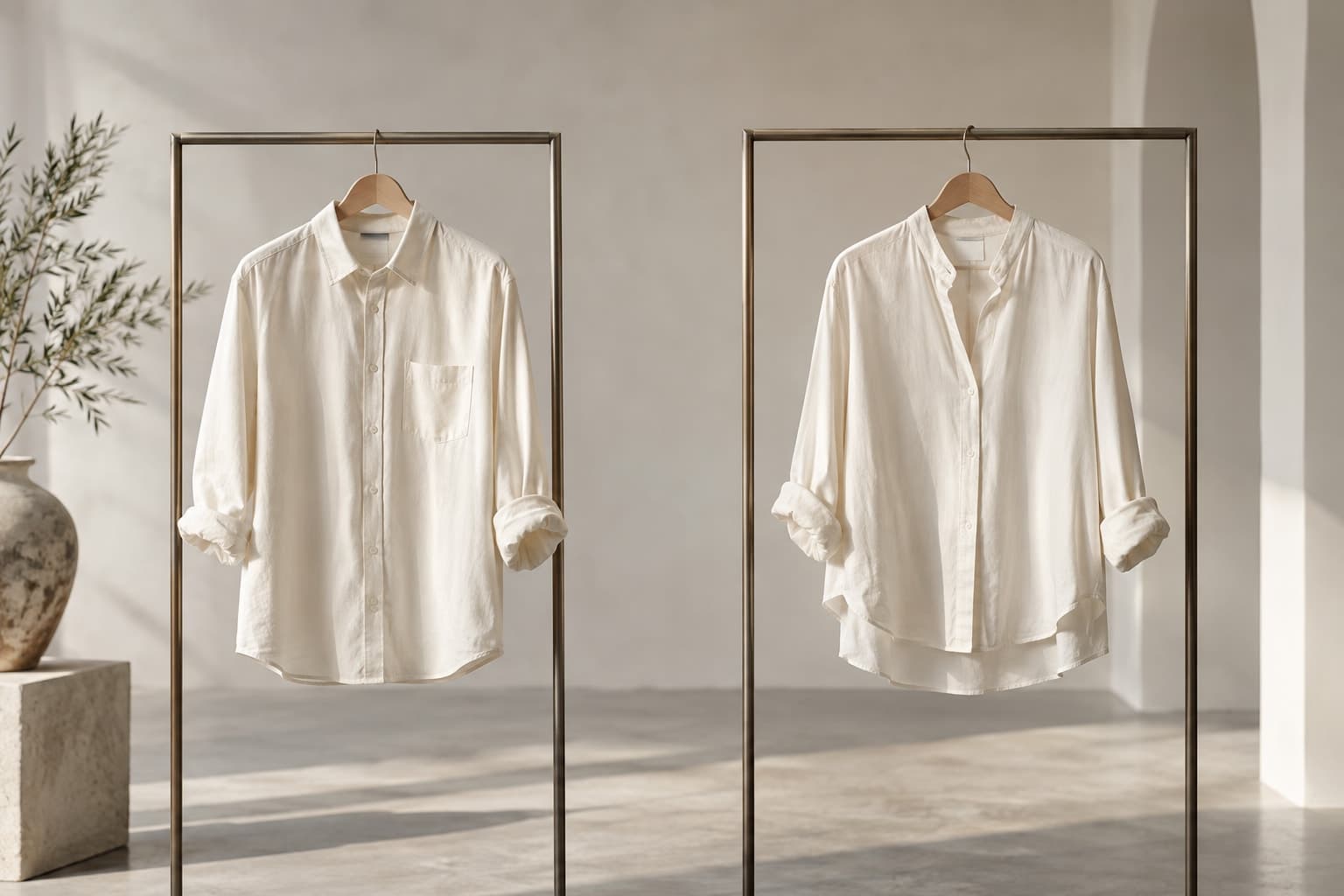
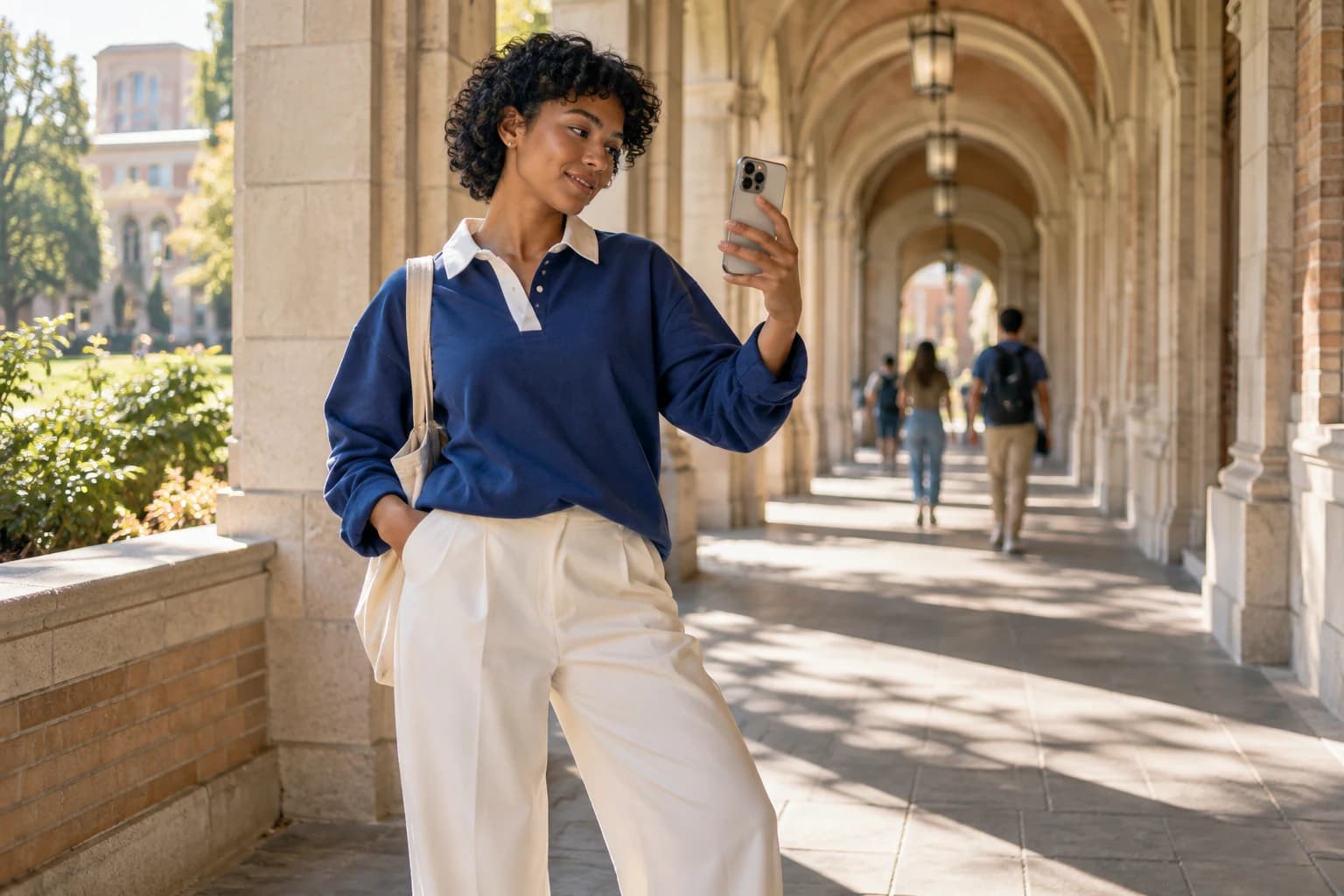
In a hypothetical three-person pilot, each creator receives the same overshirt and is asked to show a genuine outfit context: a studio day, a commute, or a weekend plan. The brand supplies care and material facts but does not invent personal stories. Each creator can explain what they actually like or find awkward about the item.

Review participation as well as performance
- Did the creators understand the brief and feel able to contribute?
- Were deliverables and permissions clear from the beginning?
- What questions did the audience ask about the product?
- Which content attracted relevant visits or conversations?
- What operational work would become difficult at a larger scale?
Compare results with the objective you set, and keep the program's costs visible. Product, shipping, coordination, fees, and content review all belong in the assessment. Avoid interpreting a handful of strong posts as proof of an industry-wide formula.
Finish the pilot with a conversation, not just a spreadsheet. Ask collaborators what they would change and share what the brand learned. A small, respectful program can become a source of creative insight as well as content, provided that participation remains a real exchange rather than a one-way distribution request.