Plan separate visual priorities for occasionwear, fast-moving everyday collections, and embellished statement pieces.
The starting point
A content plan becomes more useful when it reflects how someone chooses the garment. Occasionwear, everyday separates, and embellished statement pieces can require different kinds of reassurance. The three examples below are hypothetical planning exercises, not customer stories or Atellia case studies. Use them to identify which product questions your own collection needs to answer.
Occasionwear: show the whole decision
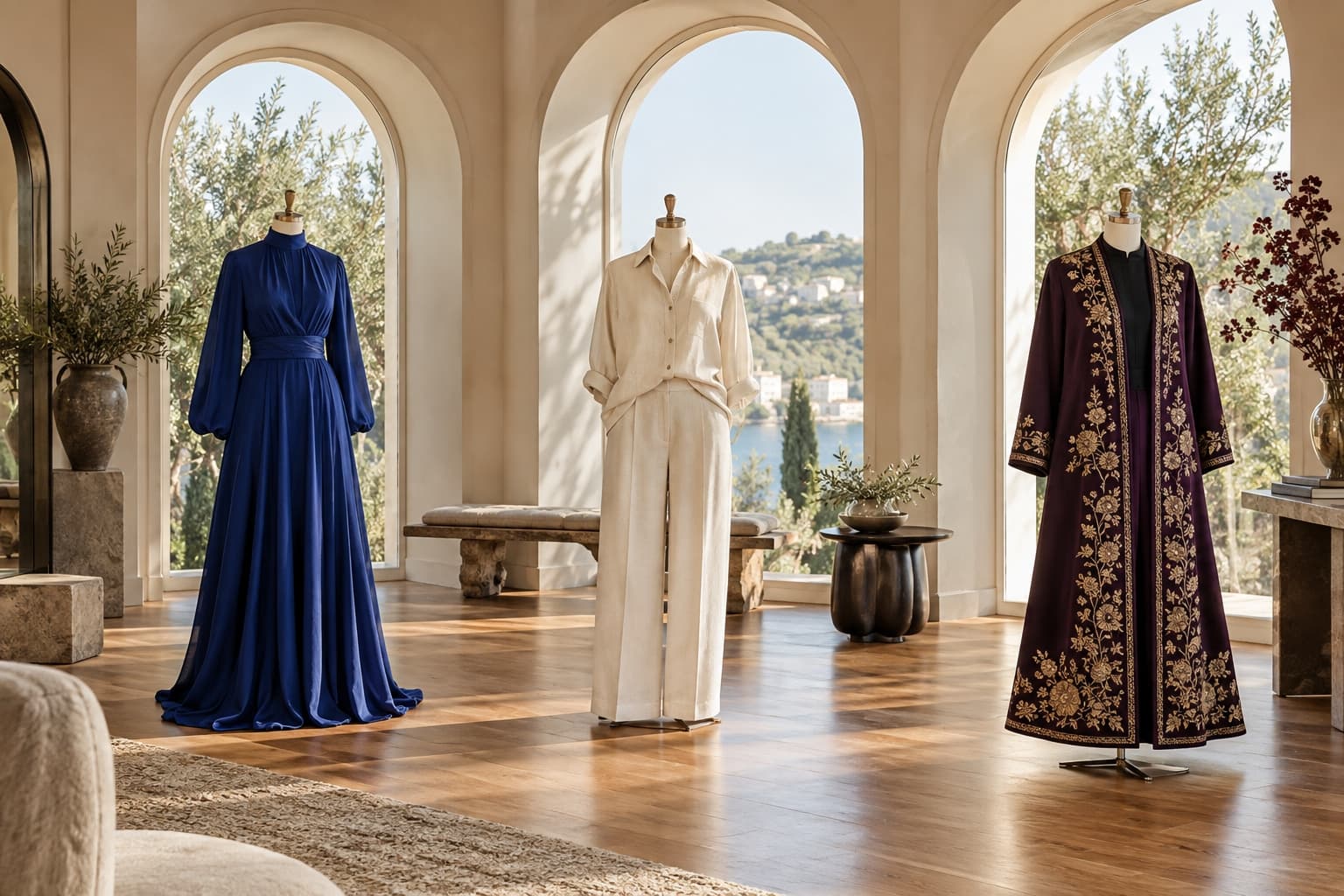
An occasion dress may be chosen around an event, an intended level of formality, and a specific styling plan. Give the shopper a full view of the silhouette, the back, and any closure that is difficult to understand from the front. Include clear details for lining, straps, or embellishment where those features affect the decision.
Build the campaign around the mood of the occasion, but keep the product gallery more direct. A dramatic seated pose can hide length and shape. Pair it with views that make those details legible. If an image is generated, inspect the neckline, hem, and decorative elements against accurate references rather than accepting a generally plausible eveningwear image.
Everyday separates: explain combinations
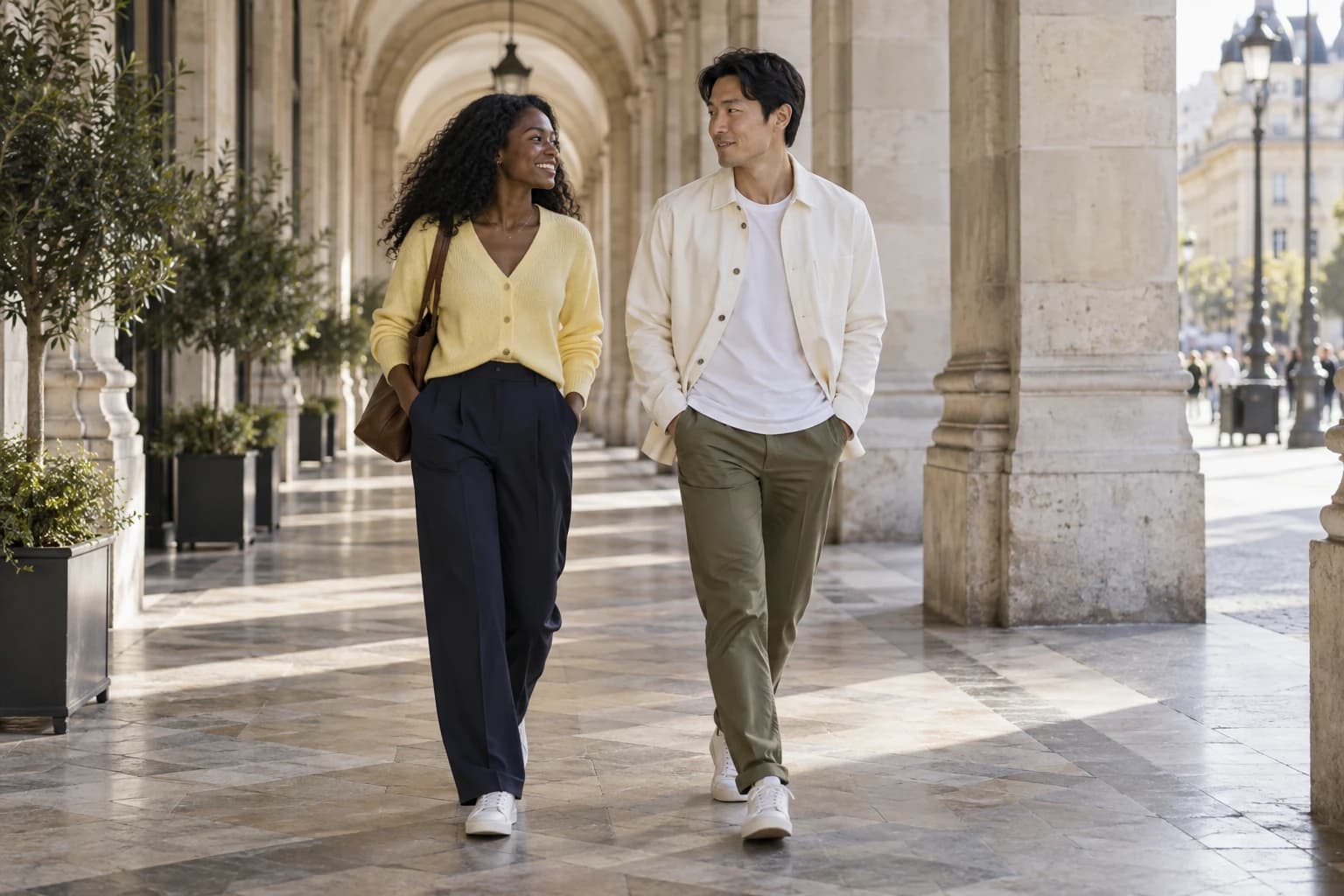
For a hypothetical collection of tops and trousers, the content challenge may be showing how pieces relate without making every picture busy. Choose a small number of styling combinations and keep the product identification clear. A complete outfit image should not leave the viewer guessing which items are included in the purchase.
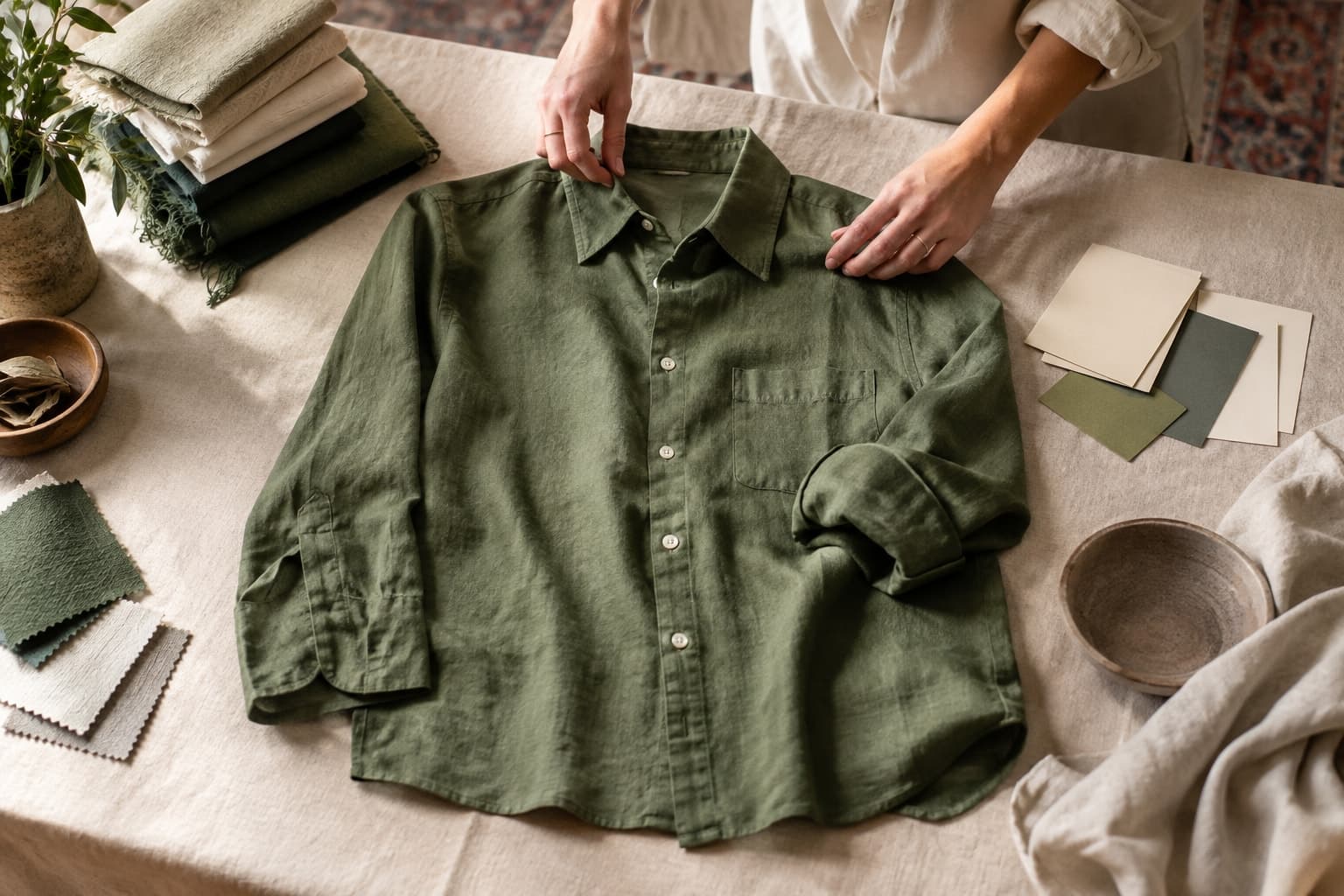
Create a repeatable core gallery for each item, then add styling pictures where they answer a useful question. Show the unmodified garment somewhere: sleeves unrolled, hem untucked, or jacket unbelted when that is the retail form. Styling can demonstrate possibilities while accurate reference views preserve the underlying product information.
Statement pieces: make details readable
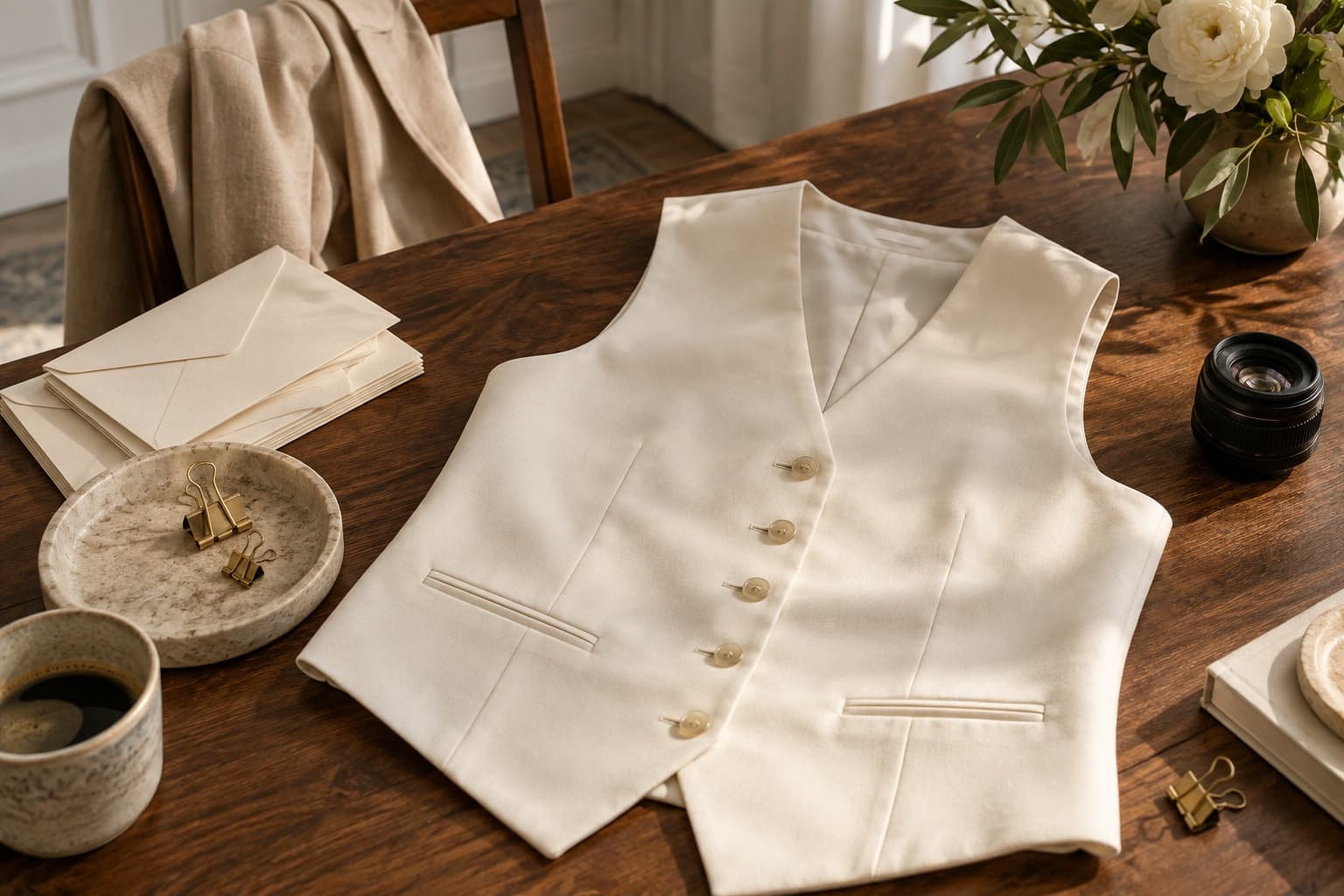
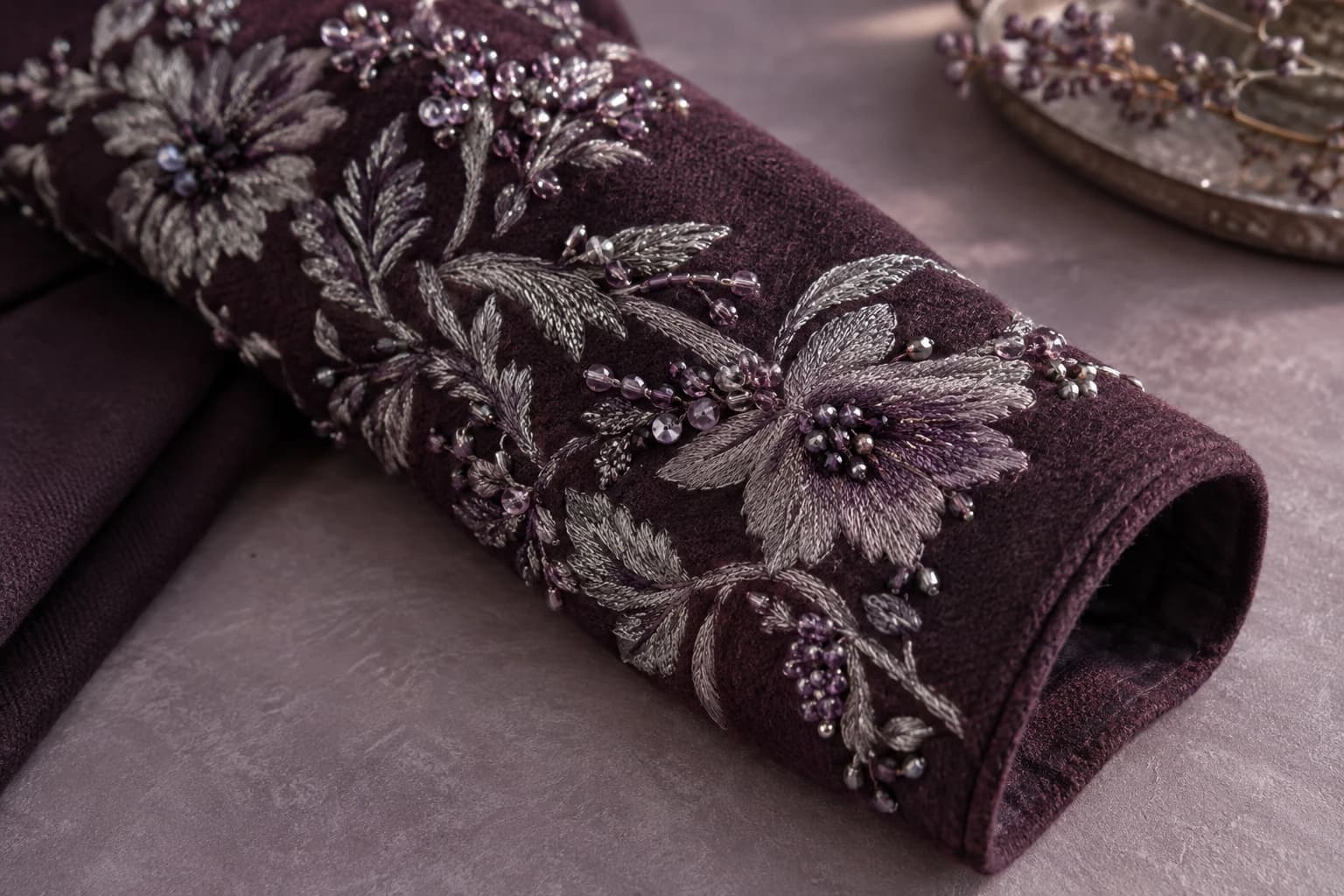
An embellished garment often needs close inspection. Plan images that reveal the placement, scale, and finish of the details. Test the lighting so that reflective surfaces remain readable instead of turning into a large white highlight. Review the physical item beside the files before deciding that the image communicates it well.
A generated interpretation may simplify or repeat an intricate motif. That can be acceptable in a clearly labeled concept exercise and unacceptable in a product image. Decide the use first, then apply the corresponding standard. Keep real detail photography available when the decorative construction is central to the purchase.
Turn the differences into a production sheet
For each collection type, list the shopper's likely questions, the image that answers each one, and the evidence required to approve it. Add the intended placement and the person responsible for the product check. This gives production a reason for every frame and prevents a generic shot template from replacing merchandising judgment.
Review the sheet against the actual assortment. Not every occasion dress needs the same detail view, and not every everyday item needs several styling combinations. Prioritize the garments with a meaningful information gap. A smaller set of well-chosen images can be more useful than a uniform quota applied without regard to the product.
After launch, compare the plan with customer questions and the team's observations. Add missing information where people remain uncertain. Keep those lessons attached to the collection category so that the next brief begins with evidence. The goal is a visual system flexible enough to respect the differences between the clothes.