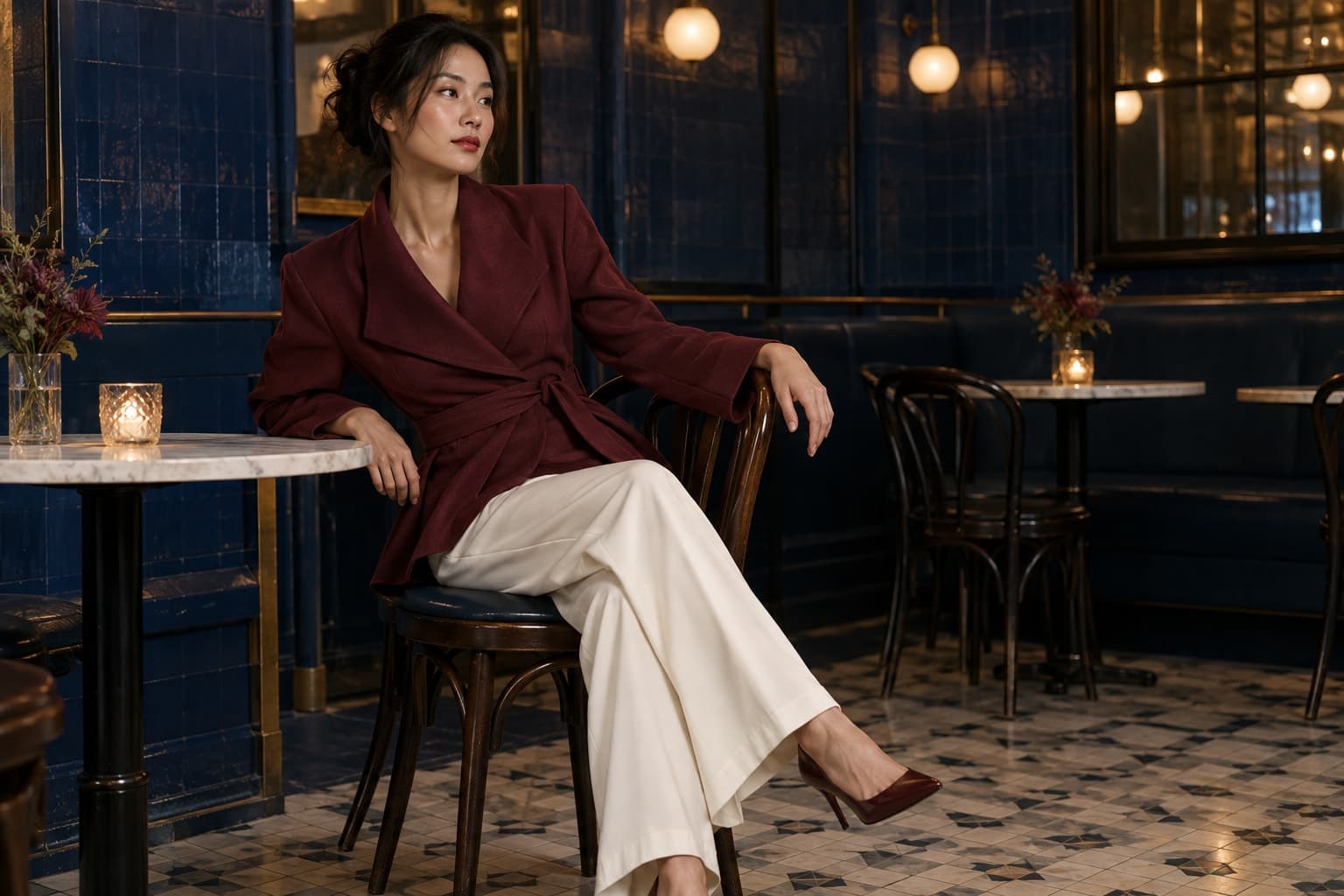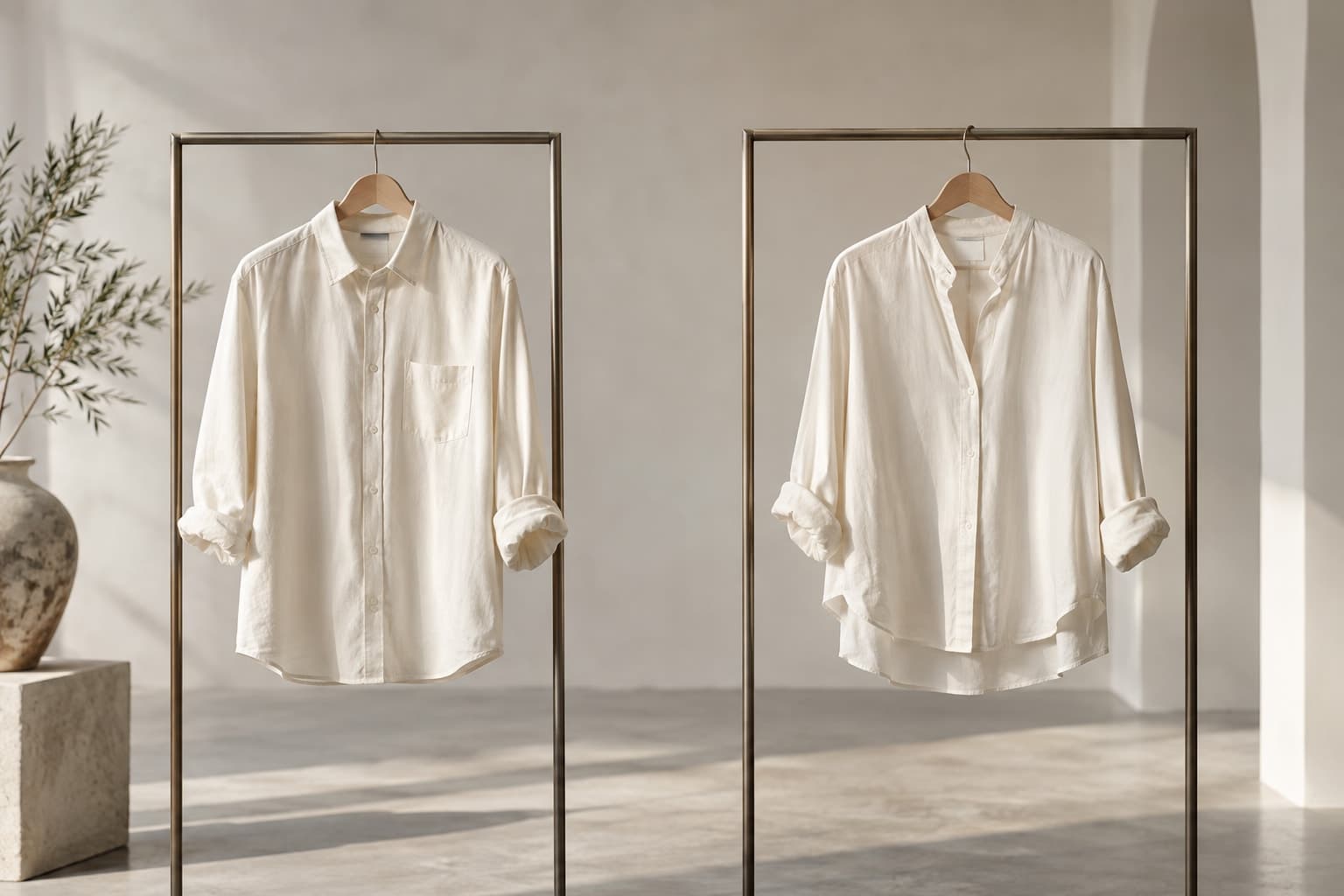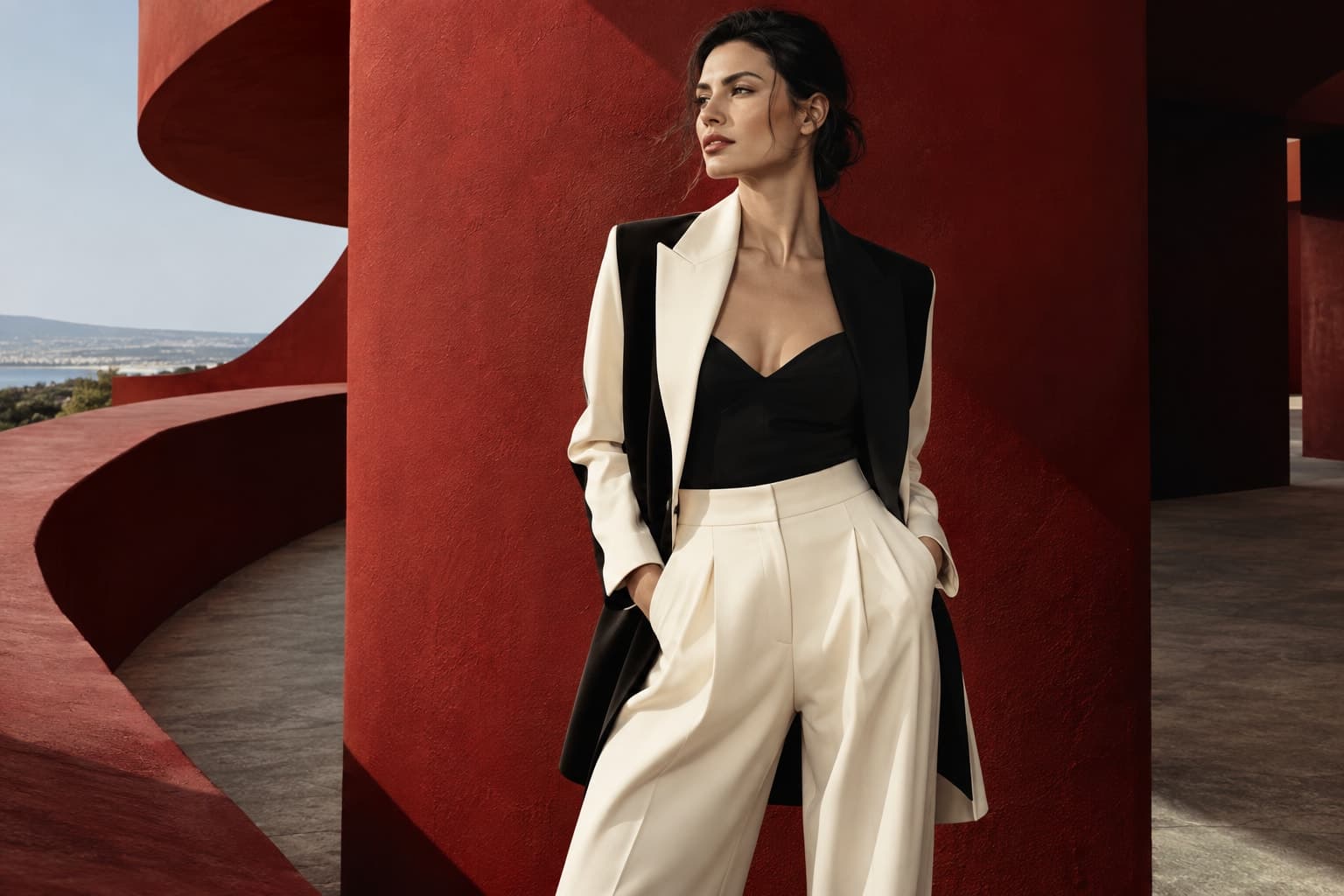
Plan a fashion launch from customer questions through product pages, campaign assets, and a focused learning cycle.
The starting point
A direct-to-customer fashion launch gives a brand control over the story and responsibility for explaining the product. A campaign may attract attention, but the product page, sizing information, delivery expectations, and customer support must carry the decision forward. Plan those pieces together. The launch should feel like one coherent conversation rather than a series of disconnected promotions.
Choose the customer question
Start with the reason someone might consider the collection. Is it a wardrobe problem, an occasion, a material preference, or a particular design point of view? Write the answer in language a customer would use. Avoid defining the audience only through broad demographics; the useful brief describes a need and the context around it.
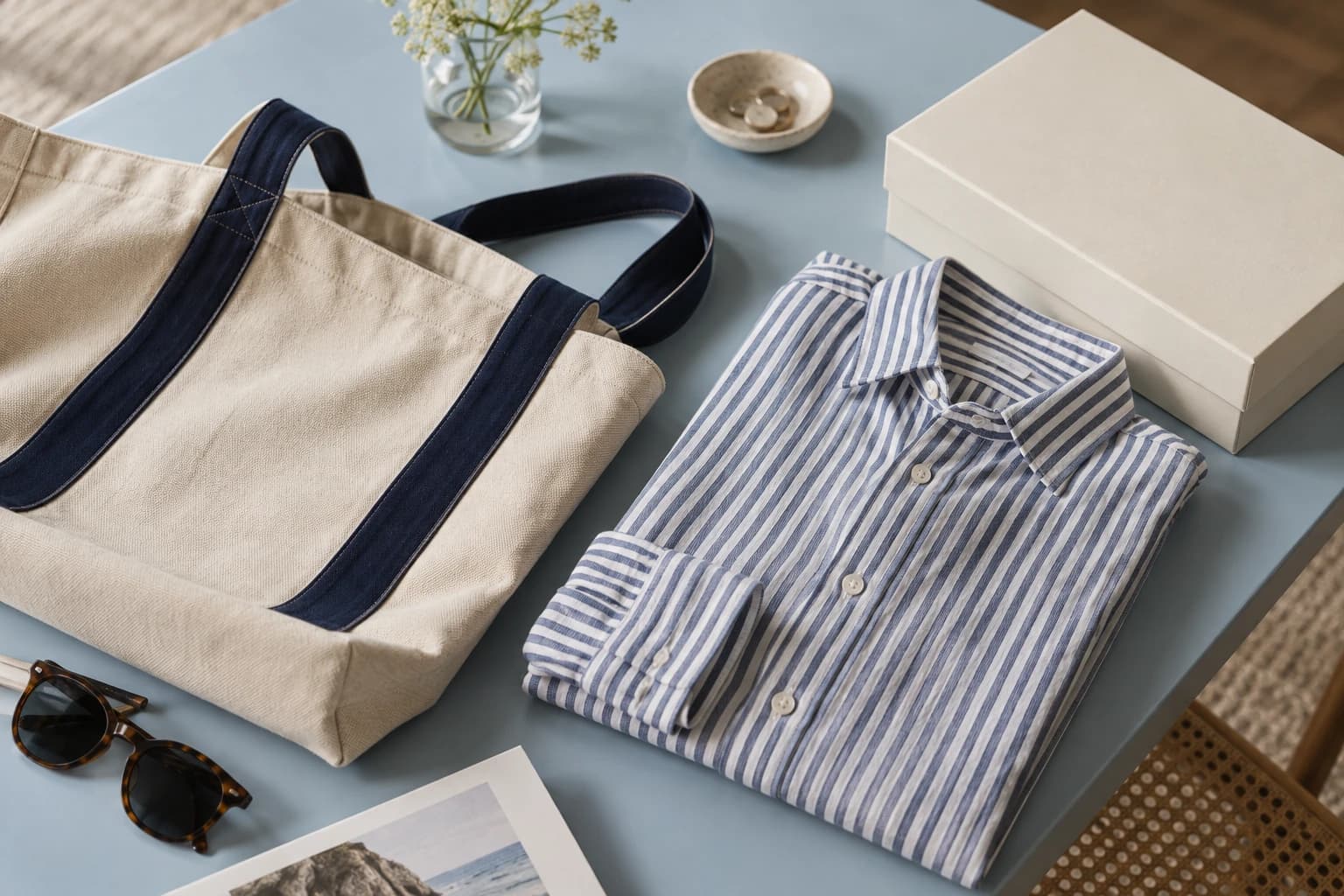
For a hypothetical everyday shirt collection, the question might be how to find a shirt that works across several routines without complicated styling. That question can guide photographs, product descriptions, and a simple outfit guide. It also helps the team decide which attractive but unrelated campaign ideas to leave for another project.
Build the destination before the promotion
Prepare product pages that answer the practical questions raised by the campaign. Show accurate views, material details, sizing information, and what is included in the purchase. Check that the available options and fulfillment information are current. A strong advertisement cannot repair a destination that leaves the shopper uncertain about the item.
Review the page on a phone and ask someone outside the project to find key details. Note where they hesitate. If the campaign promises a particular use, the page should explain that use with evidence rather than simply repeating the slogan. Keep speculative editorial imagery separate from direct product documentation.
Give each channel one job
Choose a manageable set of launch channels based on where you can reach the intended audience and maintain a useful presence. One channel might introduce the collection, another might answer product questions, and email might help interested people return. Do not create identical content for every placement merely to fill a calendar.
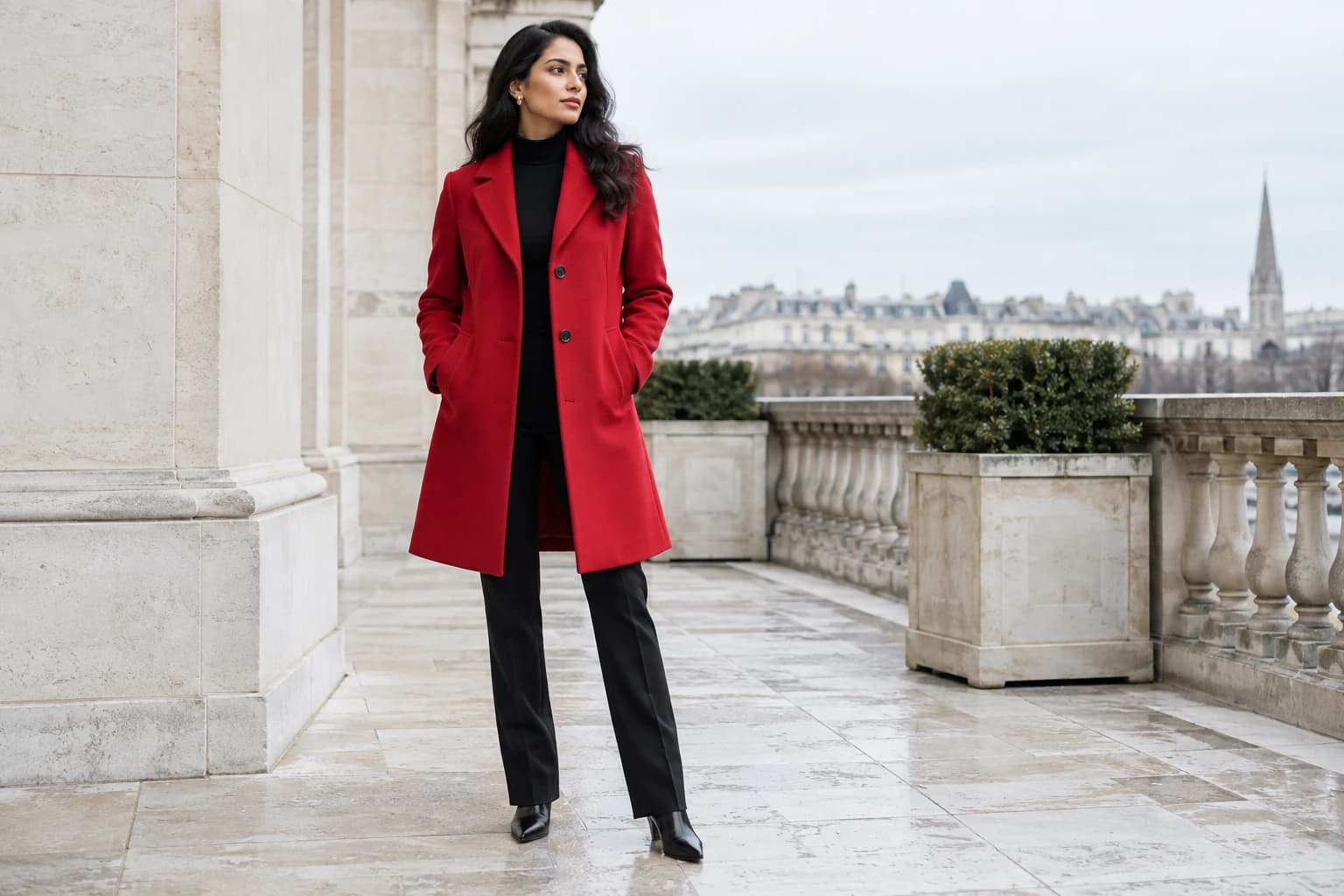
Plan an asset family around the core message: a collection image, a product detail, a styling sequence, and a clear destination. Adapt the crop and amount of text to each use. Keep the product, offer, and visual promise consistent so that moving from a campaign image to the shop feels straightforward.
Prepare the learning loop
Before launch, decide what you need to learn. Are people reaching the product page but struggling with sizing? Are they interested in the story but choosing a different item? Combine quantitative observations with customer questions and support notes. No single metric explains the whole journey.
Use a simple review rhythm after launch. Fix factual errors and broken journeys promptly. For creative changes, write the hypothesis before replacing an asset so that the team can learn from the change. Avoid changing imagery, pricing, copy, and the offer simultaneously if the aim is to understand the effect of one of them.
Archive the results with the original brief. The next launch should begin with what the team learned about product questions, useful imagery, and the channels it can operate well. A clear launch system gives a small brand a way to improve deliberately, even when the first collection leaves plenty still to learn.