Organize product evidence before writing environmental copy, and keep each statement within the scope the documentation supports.
The starting point
Environmental product copy should begin with the evidence file rather than the adjective list. A brand may have detailed information about a material, supplier, or manufacturing step, yet turn it into a claim so broad that the original evidence no longer supports it. The editorial task is to explain the specific fact clearly and preserve the boundaries around it.
Make one record for each proposed claim
Write the statement you want to make, the product it concerns, the supporting document, the date, and the person responsible for checking it. Include the exact scope: a fiber, a component, a production stage, or the entire product. A fact about one part should not quietly become a description of the whole garment.
For a hypothetical jacket, documentation about a recycled lining would support a statement about that lining if verified. It would not automatically describe the shell, buttons, packaging, or complete environmental impact. Keeping the components visible in the record helps the copywriter choose language that matches what the brand actually knows.

Separate measured results from intentions
A target, a pilot, and an achieved result are different kinds of information. Use wording that makes the distinction clear. If a program is being tested, describe it as a test. If a figure is estimated, explain the method and its limitations where the claim is presented. Do not turn an internal ambition into a completed public milestone.
The same discipline applies to comparisons. A claim that one option performs better requires a clear reference point and a relevant basis of comparison. Identify what is included and excluded. If the team cannot explain the comparison in plain language, pause the copy and ask for the missing evidence.
Photograph what the statement describes
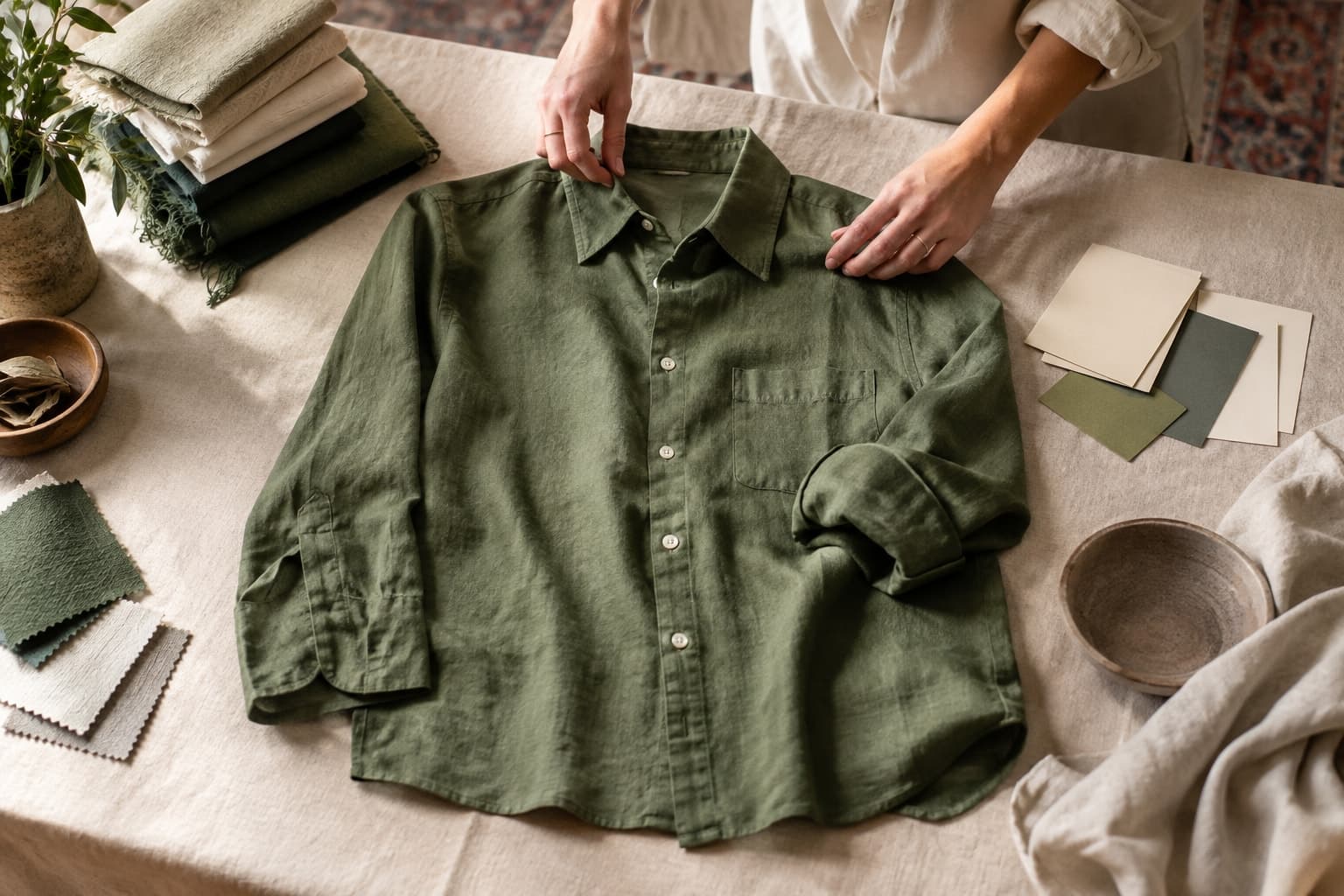
Use images to make the documented feature understandable. A close view can show a repairable fastening, a replaceable component, or a visible construction detail. The picture should correspond to the actual product. A generic forest, leaf, or generated natural landscape may create an environmental impression without explaining the underlying fact.
Where an illustration is useful, label it as an illustration and avoid presenting it as a photograph of a supplier, facility, or process that has not been documented. Do not invent a picturesque production scene to accompany a material claim. Readers should be able to distinguish explanation from evidence.

Review the page as a whole
Read the title, captions, badges, product description, and images together. A carefully qualified sentence can be undermined by a broad headline elsewhere on the page. Ask what an ordinary reader would conclude about the product, then compare that conclusion with the evidence file. This catches implications that a sentence-by-sentence review may miss.
Give customer support a short explanation of the approved statement and where to find supporting information. If customers ask a question the file cannot answer, record the gap instead of improvising a stronger claim. The next revision can become clearer without becoming more expansive.
This is an editorial workflow, not a substitute for checking the rules that apply to your market and claims. Use qualified review where needed before publication. Accurate environmental communication can be specific and interesting: explain the real decision, the evidence behind it, and the limits that remain. Precision gives the reader something useful to evaluate.