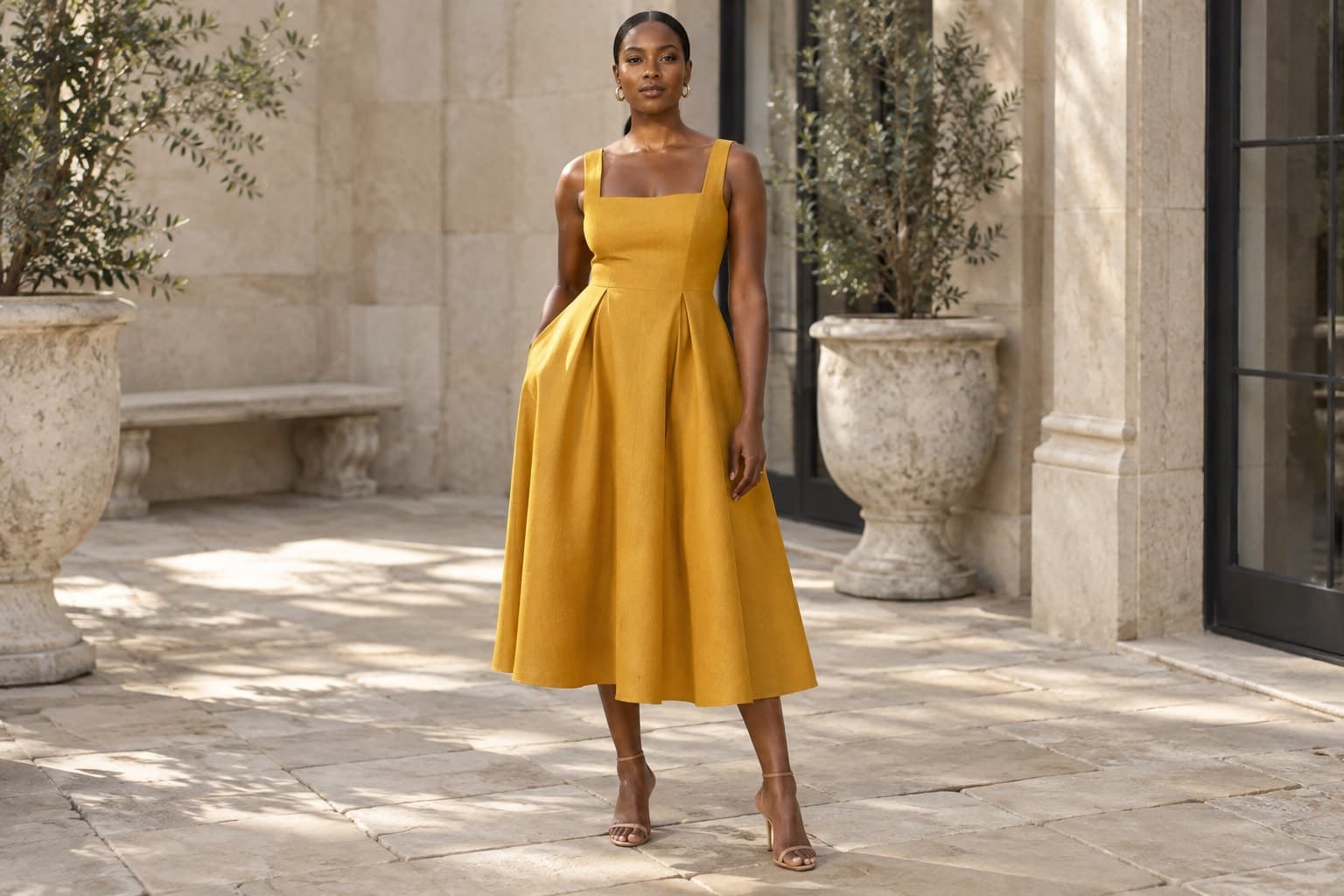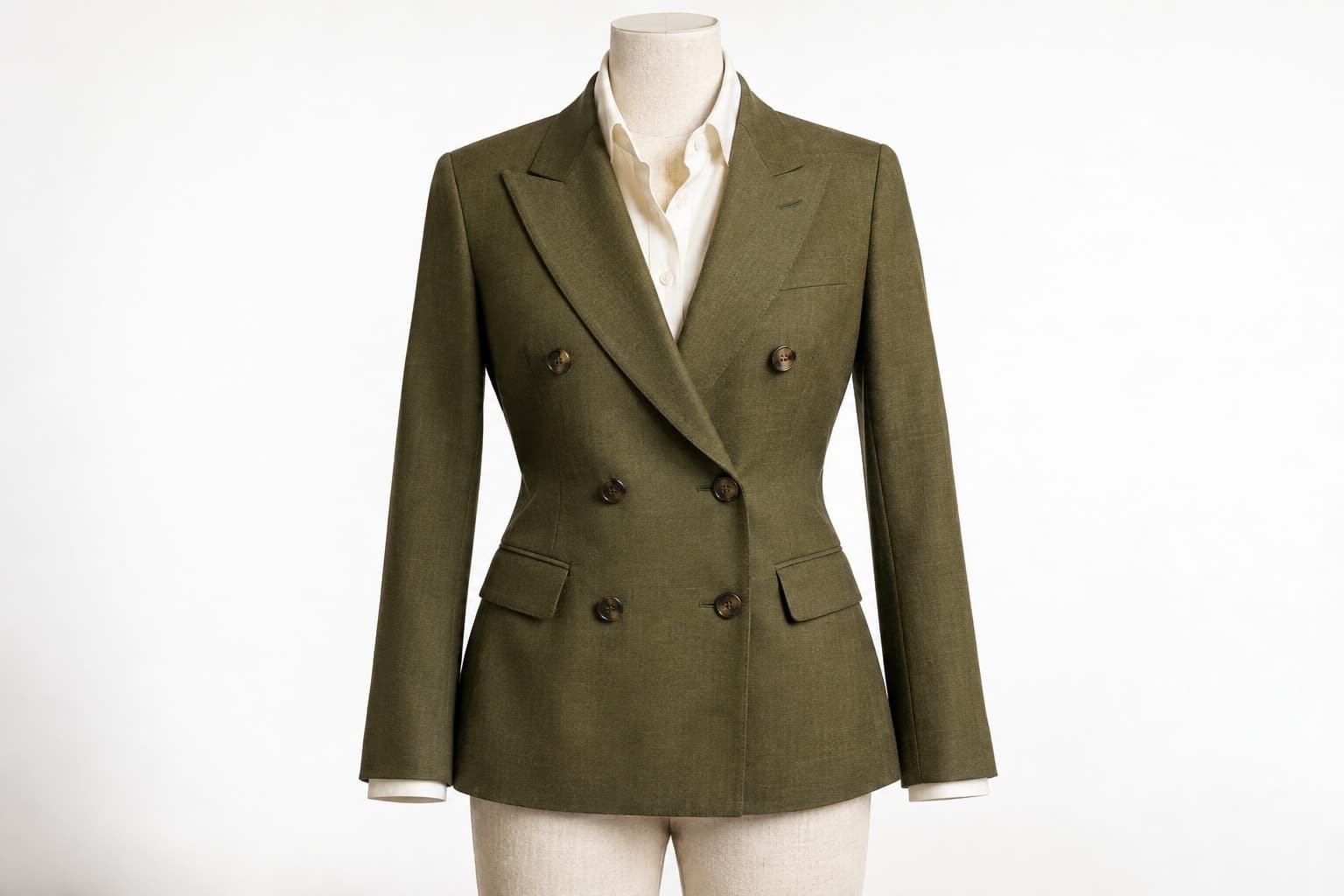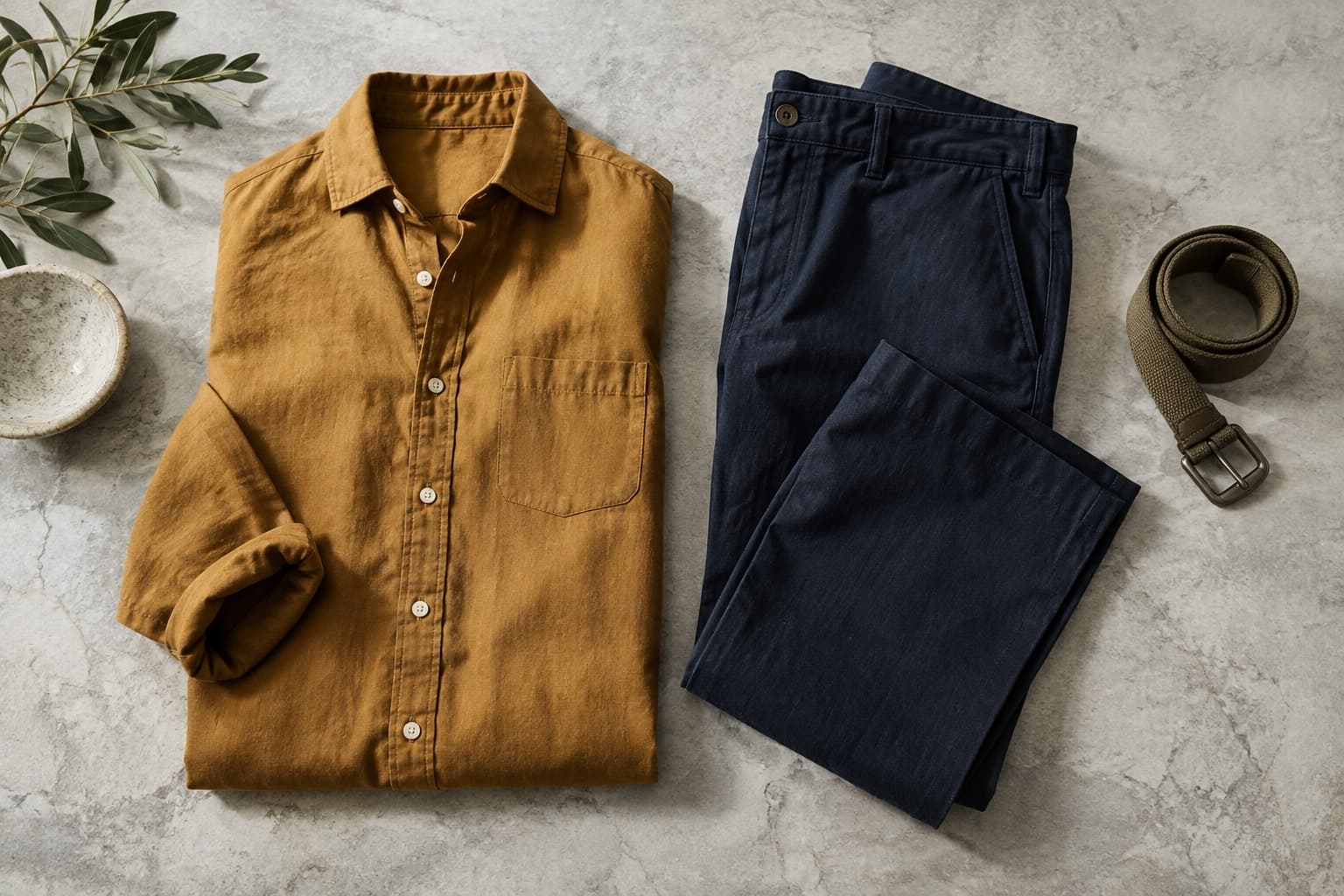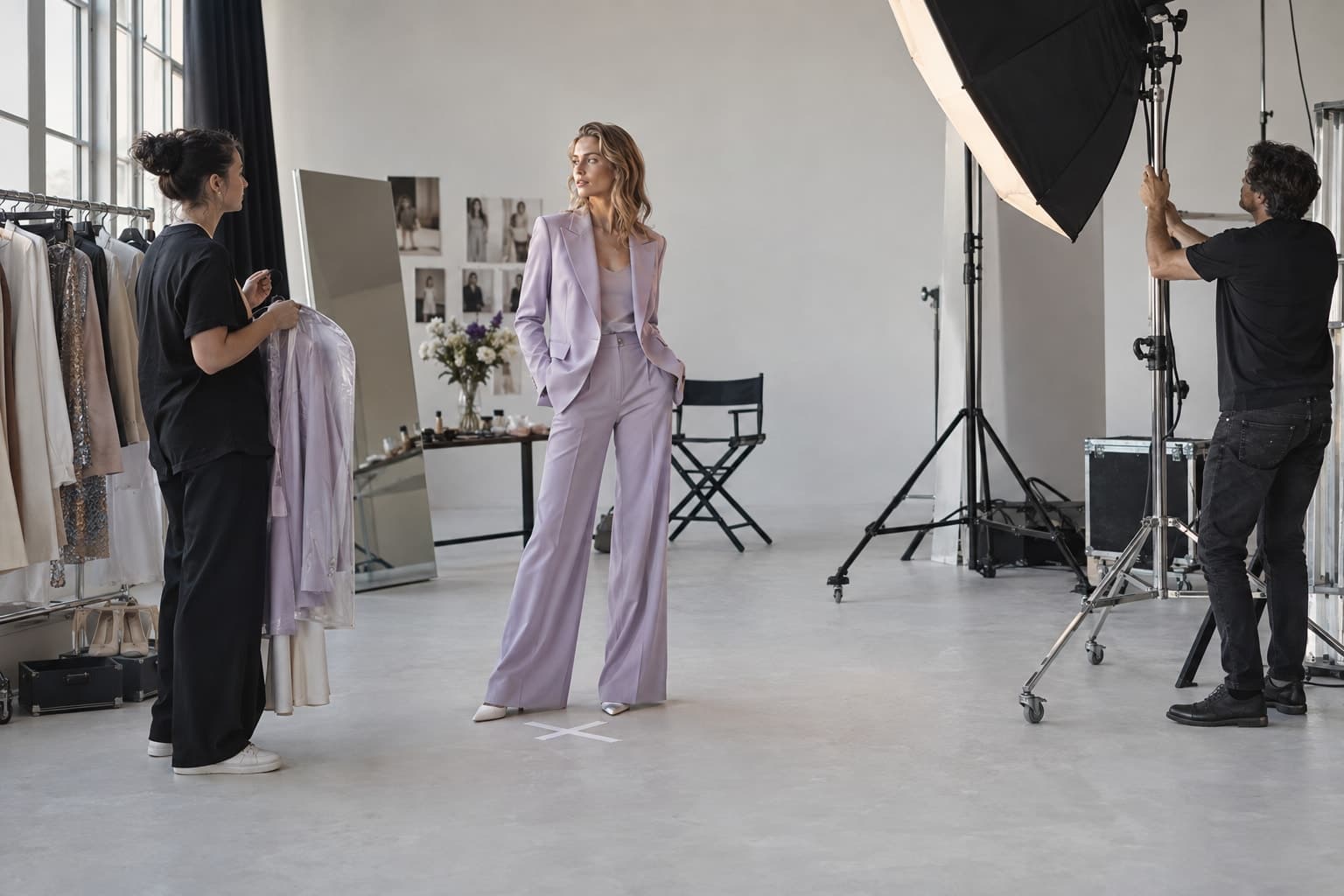
Use a lightweight production sheet to connect products, references, scenes, reviewers, and final image destinations.
The starting point
A call sheet keeps a conventional production aligned around people, places, and timing. A generated photoshoot needs a comparable working document, even when nobody is travelling to a set. The important questions remain: what are we making, which products appear, who decides, and when does each asset need to be ready?
Keep the document short enough to use. One page can hold the purpose, product list, visual direction, required outputs, and approval responsibilities. Link out to reference folders rather than filling the sheet with every image. The aim is shared context at the moment someone makes a decision.
The top of the sheet: purpose and deliverables
Name the collection or drop and describe the intended audience. Then list the destinations and required formats. A homepage banner needs space for interface elements; a product gallery needs garment clarity; a social crop may need a different composition. Make these requirements visible before producing the hero frame.
For a hypothetical capsule of five outerwear styles, the sheet might ask for a clear product view for each style, two collection images, and one fabric detail. Treat this as a proposed production scope. It is not a claim that any particular tool can deliver every request successfully.
The middle: product truth and creative choices
Give each product a reference link and a short list of details that must survive. Include any known difficulty, such as a reflective finish or a fine check. Add the approved sample version so a late product change does not disappear into an image folder.
Next, describe the casting, styling, setting, and light. Separate firm decisions from areas the operator may explore. For example, the background palette might be fixed while the exact standing pose remains open. That distinction prevents unnecessary revisions and makes room for useful creative judgement.
The production sequence: approve a representative frame
Begin with a frame that tests the main direction and a difficult garment detail. Review it before producing every variant. If the jacket's hardware or the collection's colour treatment is wrong, fixing the direction now is simpler than rejecting an entire finished batch.
Record the approved candidate and the reason it works. Then create the remaining assets against that reference. A batch should be judged both individually and together: each garment must be accurate, while the collection should share a recognisable visual treatment.
The bottom: review and delivery
Assign a garment reviewer and a creative reviewer. They may be the same person in a small team, but the checks remain different. The first asks whether the product is represented accurately. The second asks whether the image serves the brief. Resolve conflicting feedback against the written purpose.
Define how revisions are requested. Use product identifiers, image versions, and specific changes. “Replace the invented chest pocket with the reference pocket” is easier to act on than “something feels off.” Consolidate comments so the operator is not reconciling several incomplete conversations.
At delivery, verify filenames, dimensions, crop, and the actual downloaded files. Keep sources and approvals together. A generated photoshoot is complete when the intended assets are approved and ready for their destinations, not when a generation queue finishes. The call sheet makes that finish line clear before the work begins.
Research & sources
These findings describe the named studies and companies. They provide context, rather than measuring Atellia or establishing the effect of the advice above. Source dates are separate from retrospective theme years.
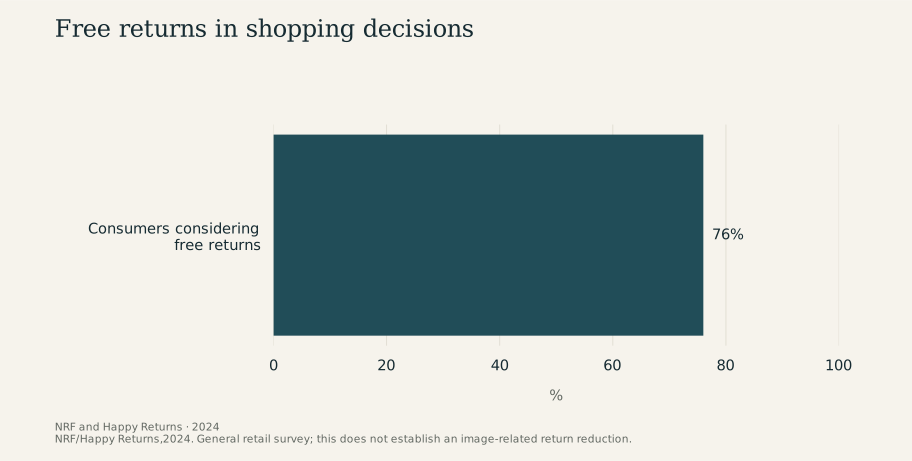
Free returns in shopping decisions
2024 · %
View chart data
| Measure | % |
|---|---|
| Consumers considering free returns | 76 |
Study scope and numerical references
- Projected total US retail returns: 890 USD billion. 2024 forecast published by NRF and Happy Returns. NRF and Happy Returns, 2024
- Consumers considering free returns in where they shop: 76 %. NRF/Happy Returns'2024 consumer survey. NRF and Happy Returns, 2024