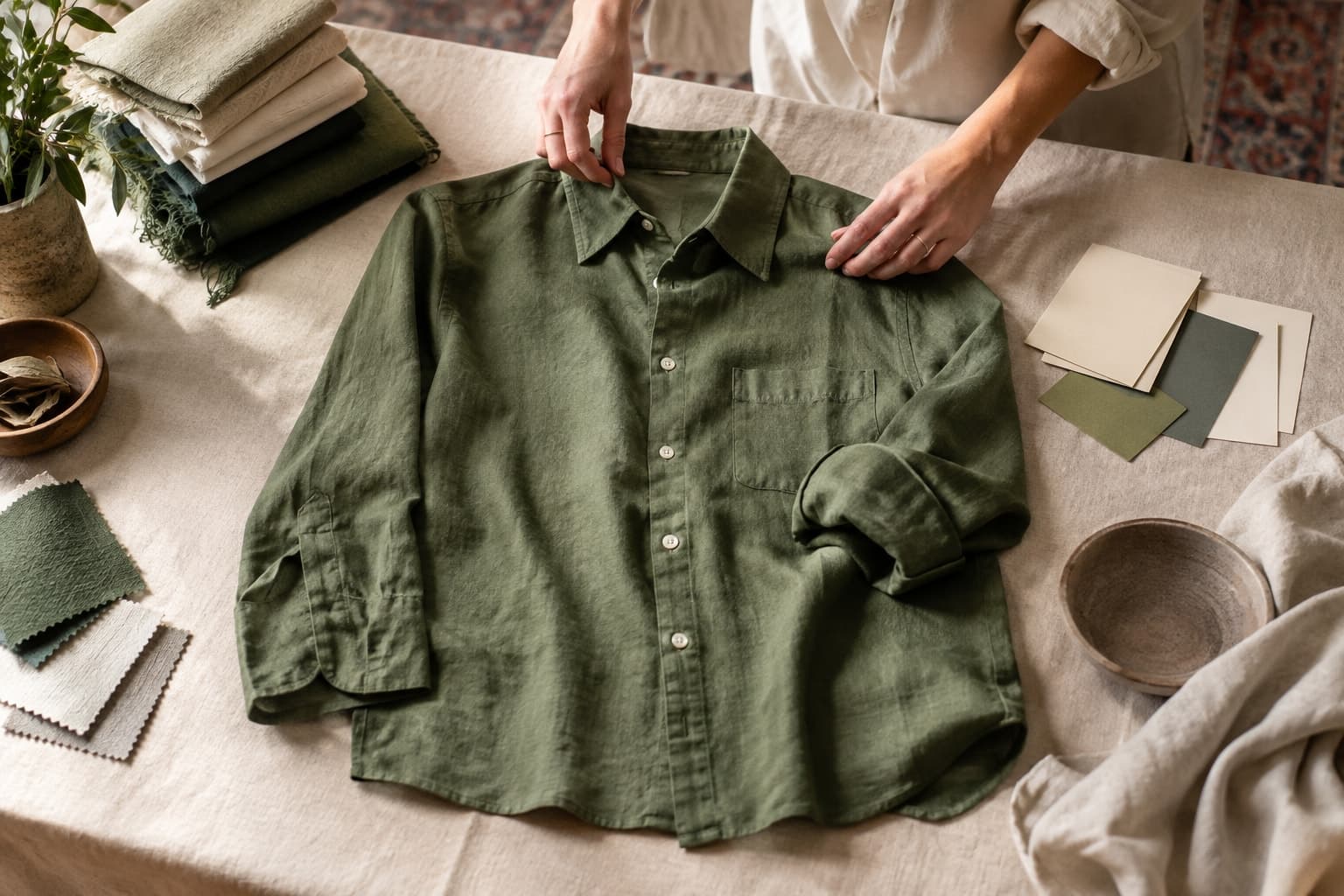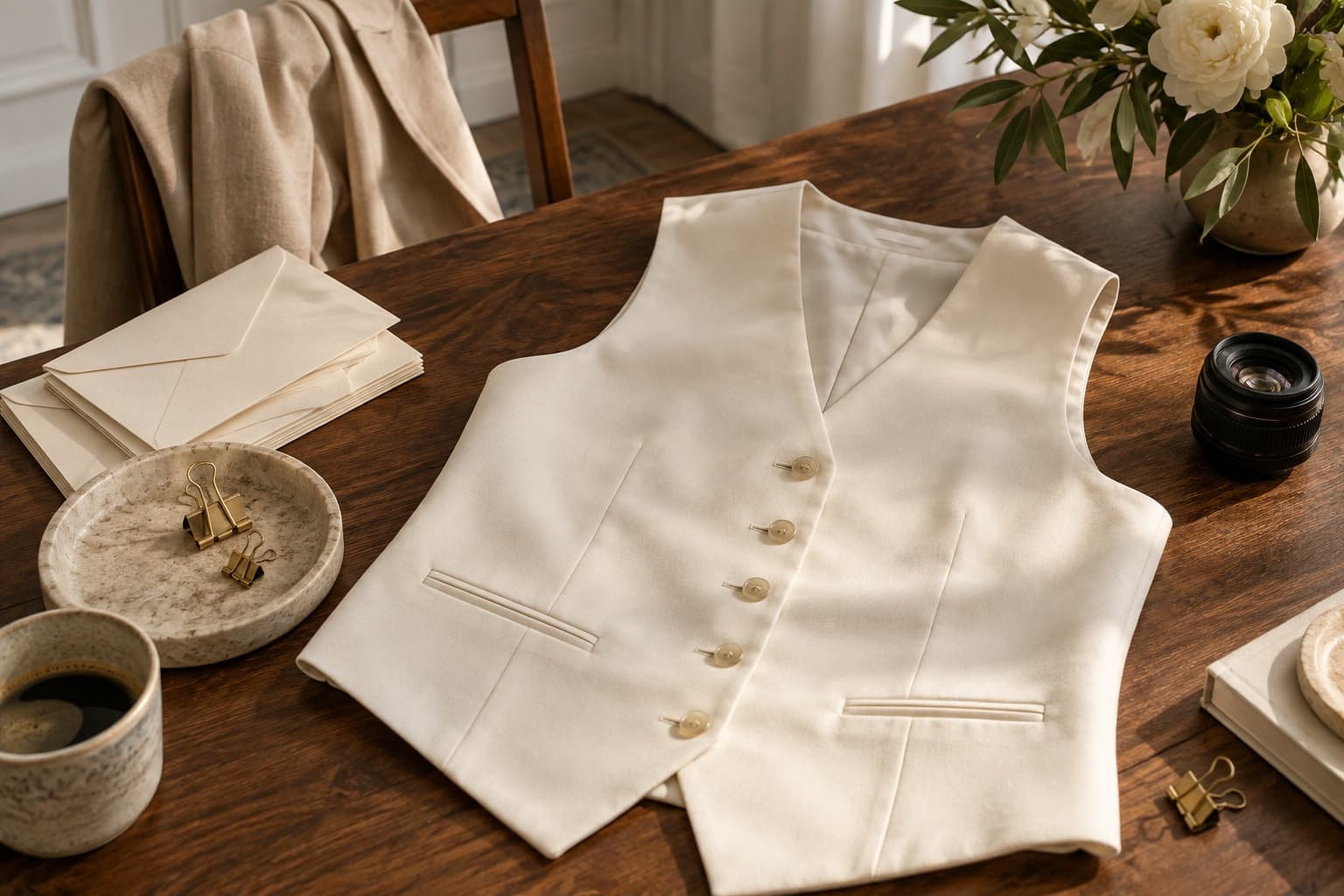
Map unused assets, avoidable reshoots, and sample handling before making claims about a more efficient content process.
The starting point
A fashion content operation can reduce avoidable work without immediately claiming a smaller environmental footprint. Those are different questions. Start by examining what the team produces, ships, revises, and leaves unused. A clear operational record can identify practical improvements and create a basis for later environmental assessment, where the relevant inputs and boundaries need more careful measurement.
Choose a boundary you can observe
Select one collection or campaign and define where the review begins and ends. You might follow samples from preparation through photography, editing, approval, and final publication. Record which activities belong inside that boundary. Without a shared scope, two people can report different results while believing they are measuring the same process.
List the resources and work involved: staff time, sample movements, outsourced production, image attempts, and unused exports. Keep the units separate. Hours of review and kilometers of shipping cannot be combined into a single environmental score without a defensible method. At this stage, the purpose is to understand the operation accurately.

Find the avoidable loops
Look for repeated work caused by missing information. A garment may be photographed again because the back view was not requested; an image may be regenerated because the correct reference never reached the producer. These loops often have a practical fix: a better shot list, a source checklist, or a clearer approval handoff.
Distinguish useful exploration from accidental repetition. Creative development needs room for alternatives. The problem is not every rejected image; it is work that could not meet the assignment because the assignment was unclear or incomplete. Review the reasons for rejection before setting a blanket target to produce fewer variants.
Test one operating change
For a hypothetical accessories collection, the team might consolidate sample photography into one planned session with a complete detail checklist. Measure whether that reduces later reshoots while preserving accuracy and creative quality. Document any new work the change creates, such as a longer preparation step or more extensive initial review.
If AI is part of the experiment, include generation attempts, human checks, corrections, and the photographs still required. Do not assume that a digital output has no resource cost or that replacing a shoot automatically establishes a net environmental benefit. A process comparison needs evidence about the relevant alternatives.
Report the result at the level you measured
A team can accurately say it reduced the number of reshoots in the observed project if the records support that statement. It cannot turn that fact alone into a quantified carbon claim. Keep operational observations separate from environmental conclusions, and identify any assessment that would be needed to support a broader statement.
Build a small review table with the baseline, the change, the observed result, and the limitations. Include the collection size and any unusual circumstances. An unusually simple assortment may be easier to produce than the next season's intricate one, so resist treating a single successful project as a permanent universal rate.
Use the findings to improve the next brief and sample plan. Better coordination, accurate records, and fewer preventable revisions are worthwhile operational outcomes in their own right. When the brand is ready to communicate environmental performance, it will have a clearer description of its process and a stronger starting point for the specialist work that claim requires.