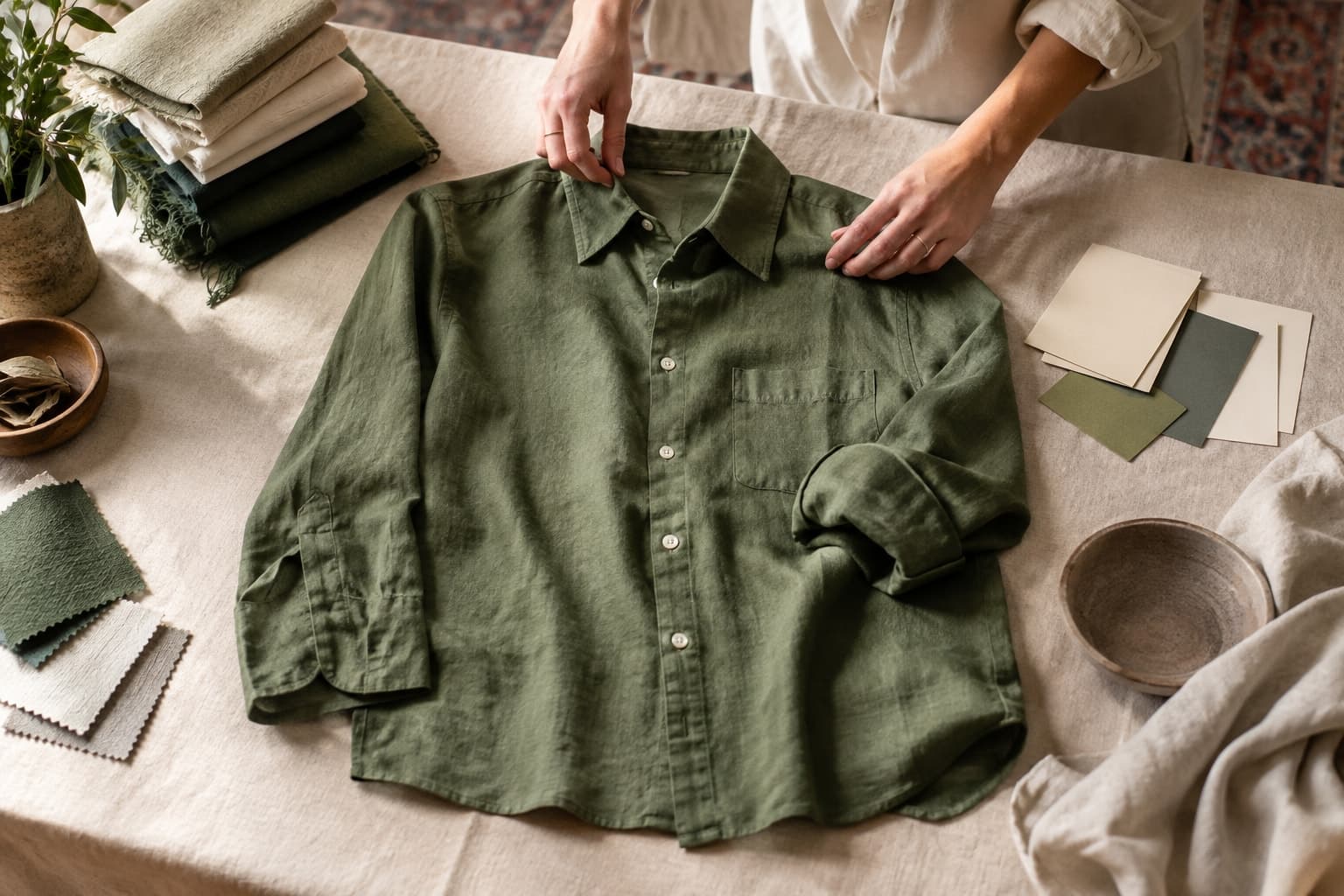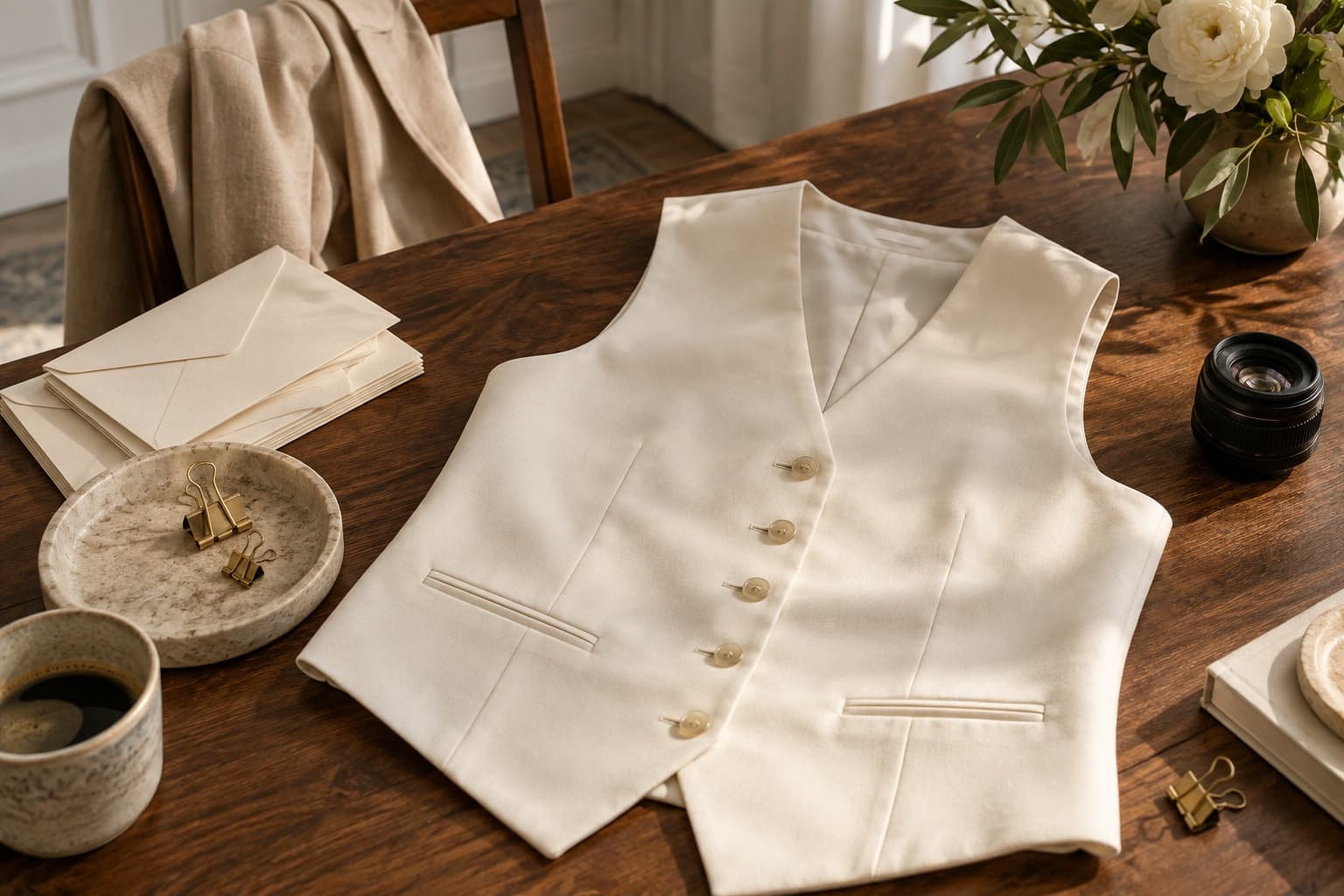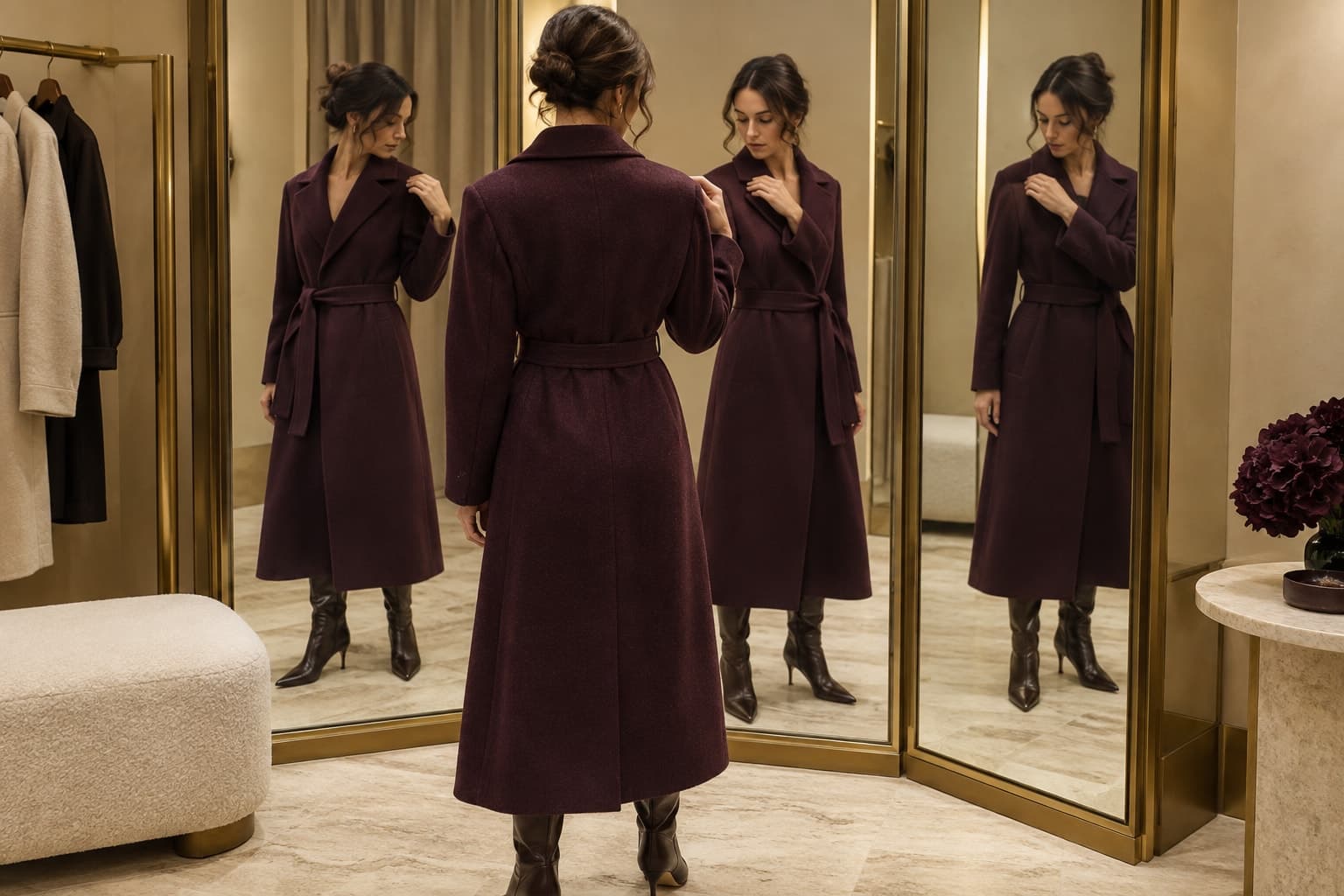
Define the customer question before choosing between on-model product imagery and a personalized visualization experience.
The starting point
A product gallery and a virtual try-on experience can both show clothing on a person, yet they begin with different questions. The gallery asks what the brand should communicate about the item to every visitor. A personalized visualization asks how an individual might imagine the item in their own context. Confusing those questions can lead a team to buy an experience before fixing missing product information.
Establish the shared product foundation
Start with accurate product views, clear measurements, material information, and relevant construction details. These assets remain useful whether or not the store adds an interactive experience. If the back of a jacket or its closure is unclear, a personalized picture does not automatically fill that information gap.
Review customer questions and return reasons where available. Separate issues involving size, style expectations, color, delivery, and product condition. Different problems need different interventions. A try-on pilot should begin with a specific customer need rather than a broad expectation that interactivity will solve uncertainty in general.
Ask what the visualization actually establishes
Evaluate each proposed system on its documented behavior and on your own tests. Does it produce a visual suggestion, estimate dimensions, or support another defined task? Do not assume that placing a garment on a person's photograph proves fit. The presentation and copy should reflect what has been validated.
For a hypothetical dress retailer, a styling visualization might help someone compare colors or outfits while remaining unsuitable for deciding exact hem length on their body. The product page would still need reliable measurements and direct garment views. Explain the tool's role in language that a shopper can understand.
Consider the whole customer interaction
Map the steps a visitor must complete, including any image upload, waiting time, account requirement, and result interpretation. Identify the information collected and how the experience handles it. Review the current privacy and operational requirements with the appropriate people before deployment, rather than treating the visualization as an isolated creative asset.
Test the experience on the actual devices and connection conditions your customers use. Watch for unclear instructions, confusing results, and paths that make it difficult to return to the product page. A technically impressive output can still create friction if the surrounding journey is hard to follow.

Measure the pilot without borrowing someone else's outcome
Choose a defined category and a clear comparison. Record adoption, completion, customer questions, and the downstream outcome relevant to the hypothesis. Distinguish people who use the experience from those who do not; those groups may differ before the tool has any effect. Use an appropriate experimental design if you want a causal conclusion.
Include the cost of implementation, review, support, and maintenance alongside any observed benefit. Do not use another company's reported conversion increase as your expected result. Its audience, assortment, baseline gallery, and measurement may differ substantially from yours.
The decision may be to improve the gallery first, run a focused visualization pilot, or operate both for different purposes. The strongest choice follows the customer question and the evidence. Clear product communication is the foundation that helps either approach make sense.