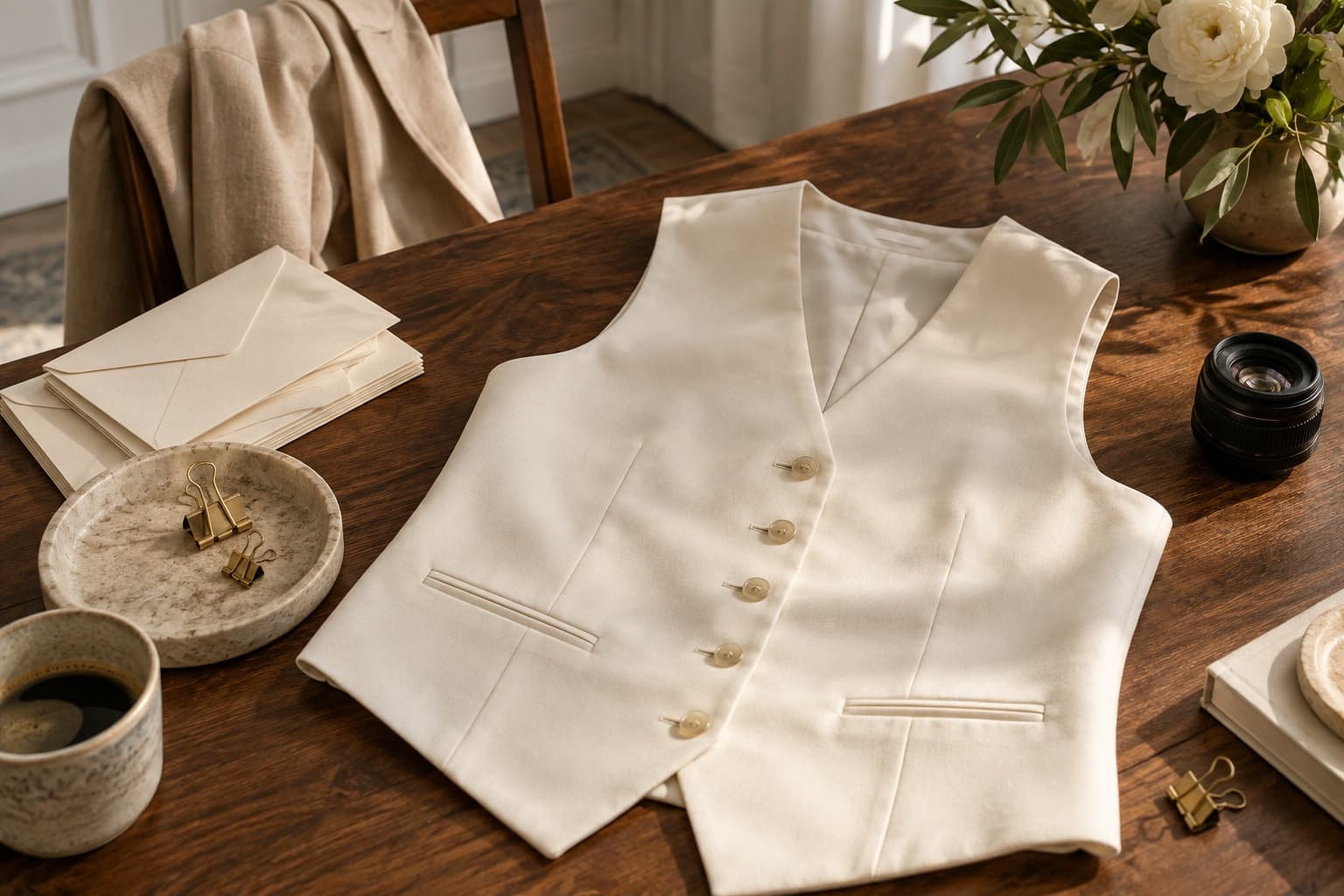
Use a focused market-entry experiment to learn about demand, merchandising, and practical delivery constraints.
The starting point
A promising new market can look convincing in a presentation long before it works in a customer's hands. Attractive audience numbers do not explain which products resonate, what buyers expect to pay, or whether your delivery and returns process can support them. Treat expansion as a sequence of questions you can answer with evidence.
Start with a narrow market and a narrow product proposition. A small selection makes it easier to understand the response. It also limits the number of local assumptions hidden in the test: styling, seasonal timing, sizing language, shipping expectations, and the relevance of the product itself.
Write down what you do not know
Create a short assumption sheet. Include who might buy, why they would choose your brand, what competing options they already have, and what could stop them completing an order. Separate facts you have verified from interpretations and open questions. Avoid using a regional label as a substitute for understanding individual customers.
Speak with potential buyers, local collaborators, or retailers who understand the specific audience. Ask about recent purchases and practical frustrations. A question about what someone actually bought will usually produce more useful detail than asking whether they like a hypothetical brand concept.

Review the complete buying journey
The campaign image is only the beginning. Review product language, size information, payment options, delivery promises, and support. Verify current duties, taxes, and consumer requirements with qualified sources for the actual route and market before taking orders. Those details can change and should not be guessed from another brand's website.
Check whether the photography communicates the right use case. A garment presented as a summer layer in one market may need a different seasonal context elsewhere. Adapt the story without implying that the product's fabric, construction, or performance has changed.
Run one bounded experiment
Set a time window, a spending limit, and a small set of learning goals. A waitlist or interview program can answer early questions before a full commercial launch. If you accept orders, make the terms and fulfillment capability clear. Do not promise a delivery experience that the operation has not validated.
In a hypothetical test for a travelwear capsule, the team compares two messages: easy outfit coordination and compact packing. Both use the same products and similar visual treatment. The team records qualified interest and customer questions, rather than treating every click as evidence that an expansion is viable.

Decide what the result permits
- Strong interest with repeated sizing questions suggests improving product information.
- Interest without acceptable delivery economics suggests revisiting the operating model.
- Confused responses suggest a positioning or audience problem.
- Positive orders with unsustainable service effort suggest a process problem.
These are interpretations to investigate, not automatic verdicts. Combine quantitative results with the actual messages customers send. A modest number of thoughtful conversations can reveal a barrier that aggregate traffic data hides.
Write a decision note at the end of the test: proceed, revise, or pause, with the evidence behind it. Name the next assumption to validate and the person responsible. A new market should earn a larger commitment through learning, not through the effort already spent preparing the launch.