Turn verified garment facts into clear, useful copy that complements the images and supports a confident buying decision.
The starting point
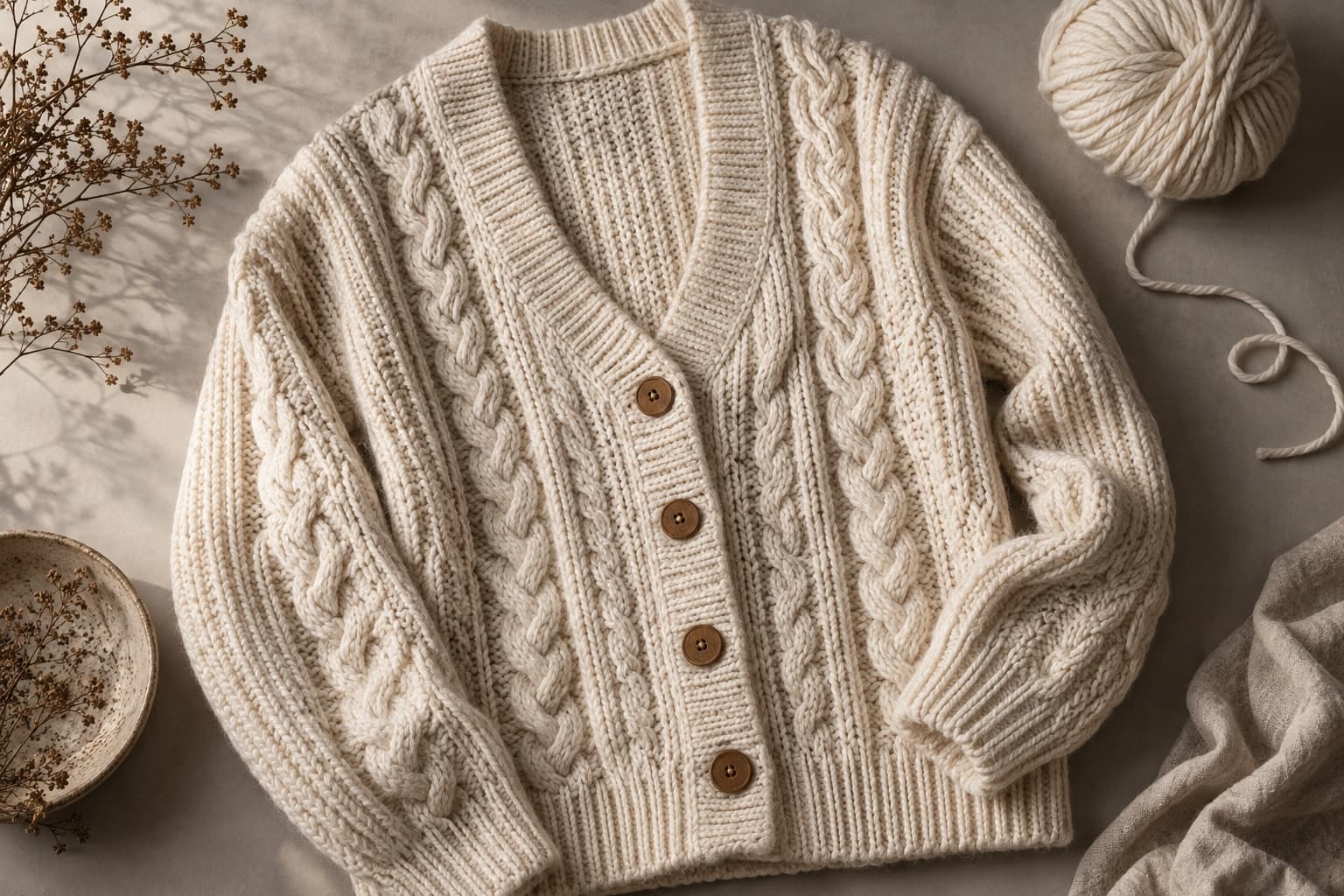
A product description should help someone understand the item beyond the photograph. The image may establish mood and shape, while the copy explains material, construction, sizing context, and care. Repeating that the piece is beautiful adds little when the shopper is trying to decide whether it belongs in their wardrobe.
Begin with verified product facts rather than a blank marketing paragraph. Gather the composition, measurements, construction details, intended fit description, and care instructions from the responsible source. Mark anything uncertain. A fluent sentence does not make an unsupported claim more reliable.
Lead with the useful distinction
Explain what makes the garment recognizable in one or two clear sentences. Mention the cut, material character, or construction feature that matters most. Avoid stacking broad adjectives that could describe the entire catalog. The reader should learn something specific about this item immediately.
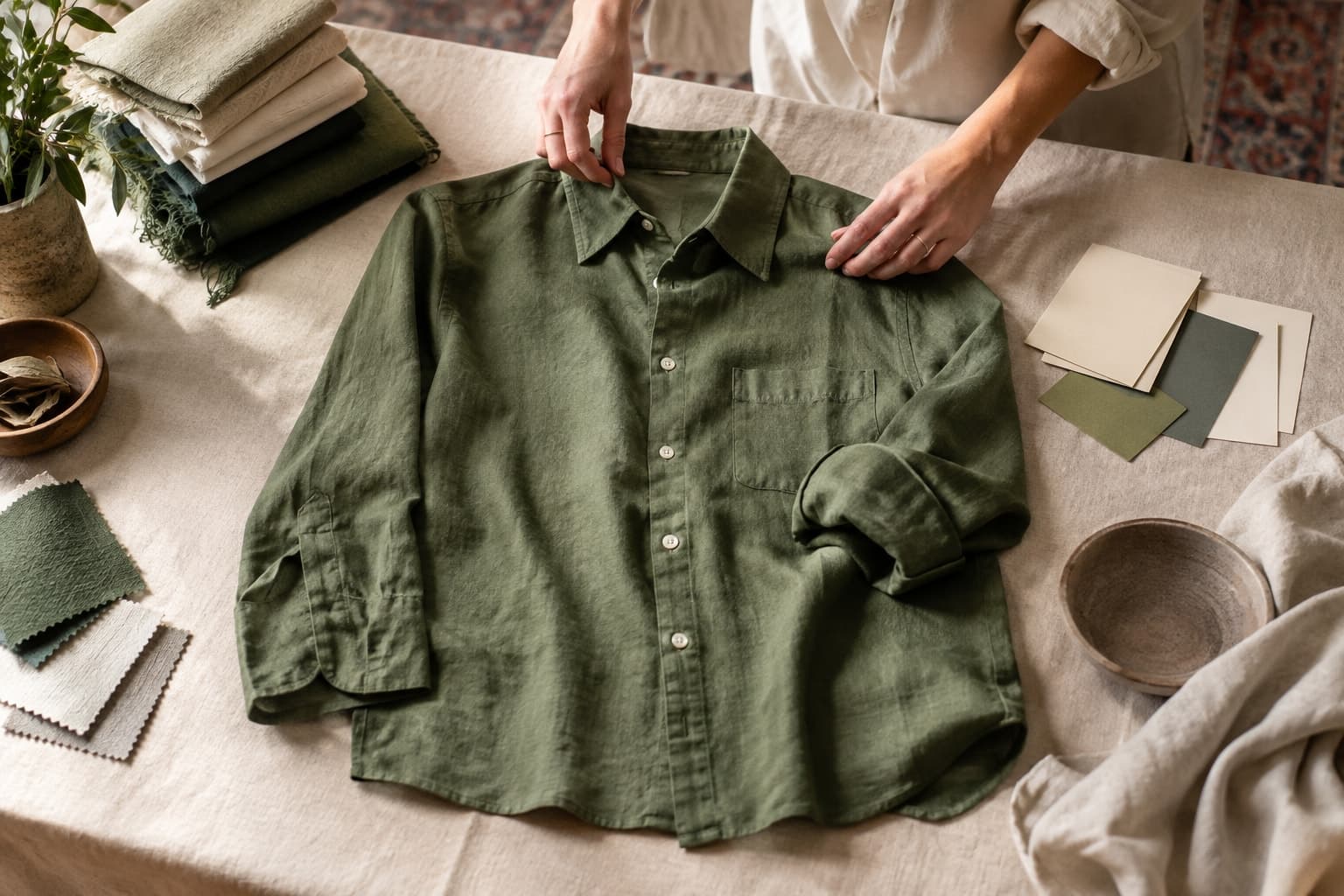
For a hypothetical cotton overshirt, a useful opening could identify its relaxed shape, patch pockets, and button front. A claim such as keeps you cool all day would require appropriate support and may overstate what the material fact alone establishes. Describe the product accurately before making performance promises.
Organize facts around decisions
Group the information so a shopper can find it quickly. Material and construction belong together. Sizing context should connect clearly to the size guide. Care instructions should be easy to locate before purchase. Use short paragraphs or concise lists instead of hiding every fact in a long story.
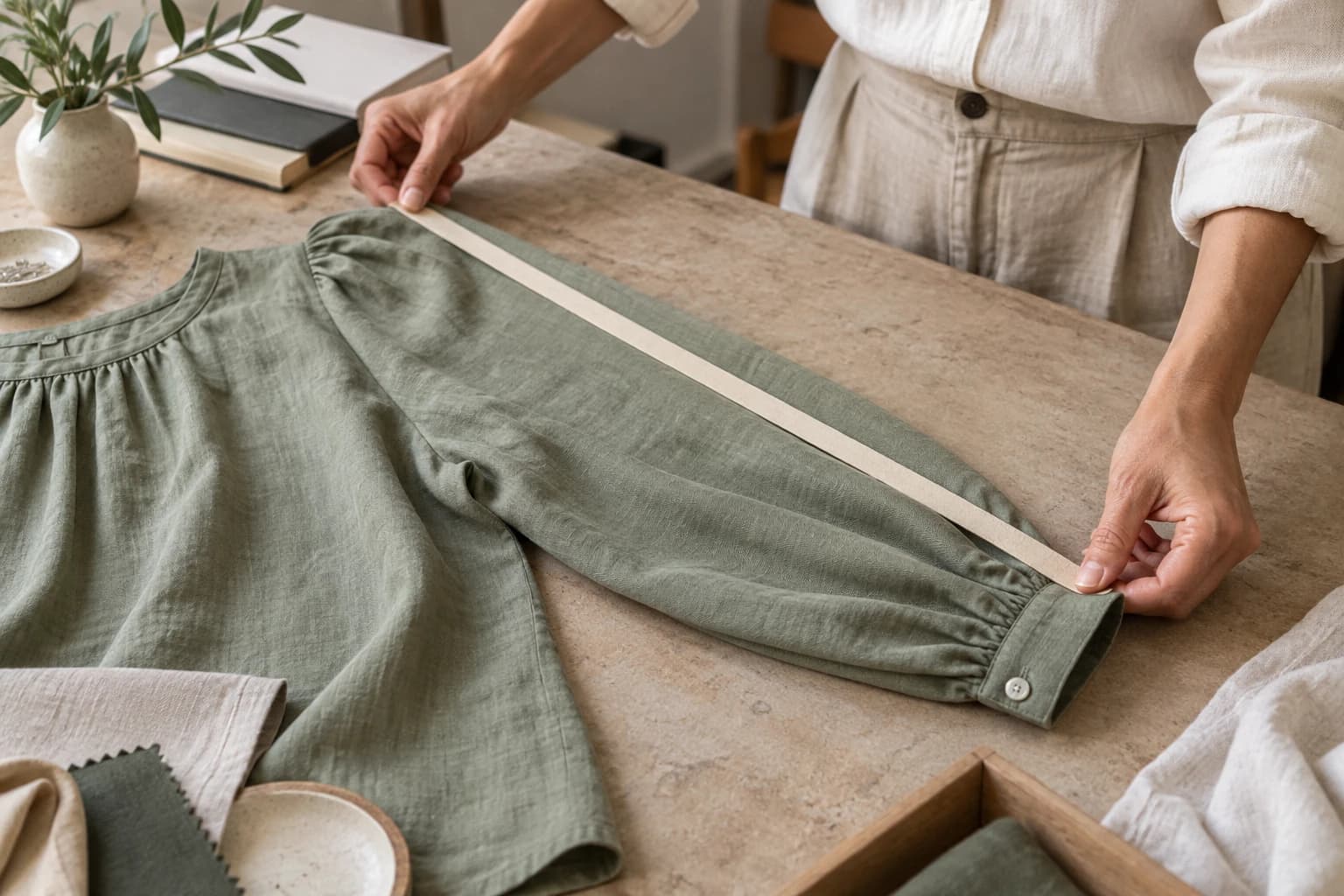
If measurements are provided, label what is measured and how. Distinguish garment dimensions from body measurements. If an on-body photograph includes relevant model and sample information, make that context clear and verified. A generated image should not be used to invent a person's measurements or imply a physical fitting that never happened.
Make styling suggestions concrete
A brief styling idea can help the shopper imagine the item in use. Suggest a plausible pairing or occasion without claiming that everyone needs it. Keep the featured product clear when other items appear in the photograph, and identify separately sold pieces where the surrounding presentation could cause confusion.
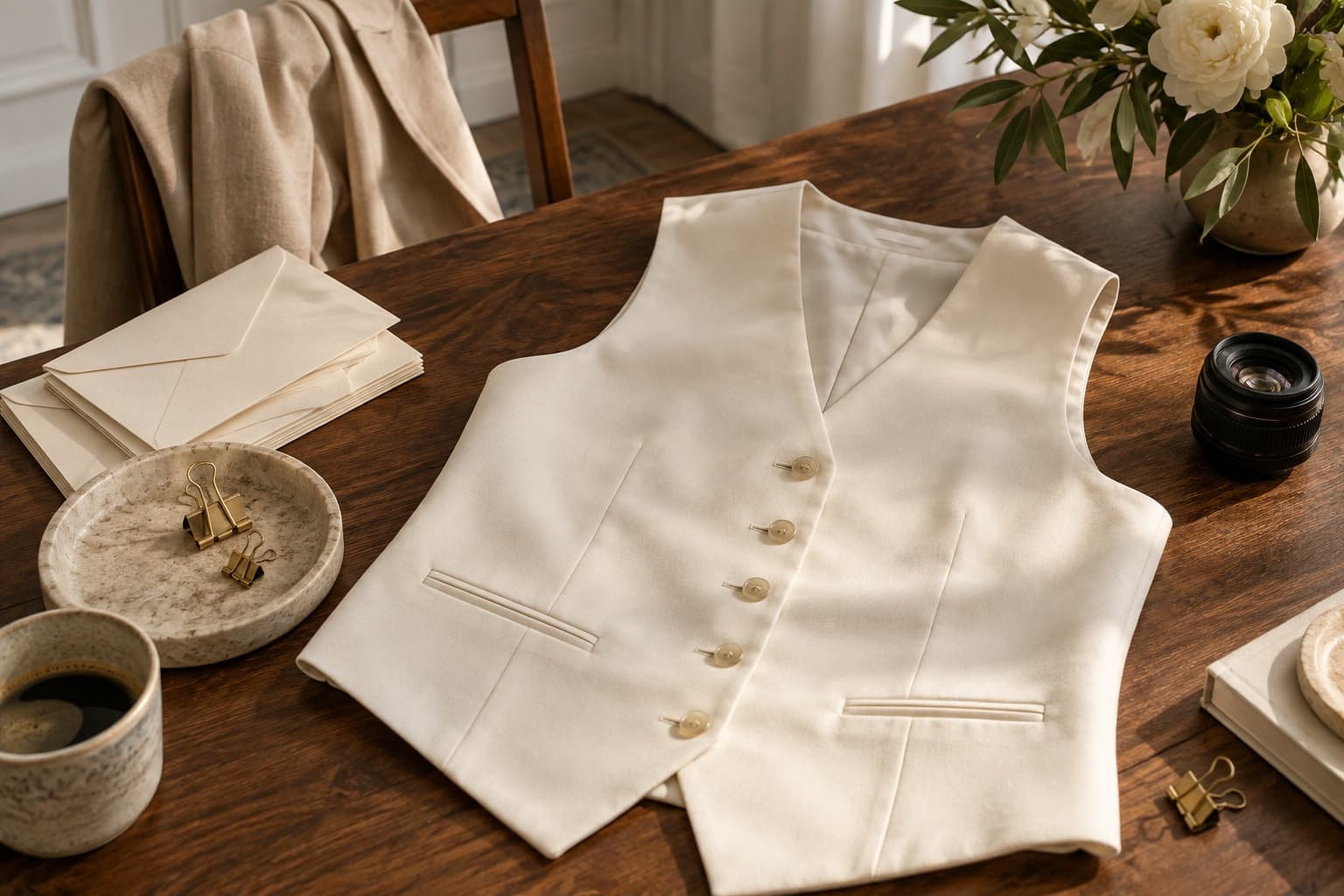
In a hypothetical description for a straight skirt, the styling sentence suggests a simple knit for a quieter outfit or the matching top for a coordinated look. The factual section still explains the closure, lining, length, and care. Inspiration adds context without displacing the information needed to evaluate the product.
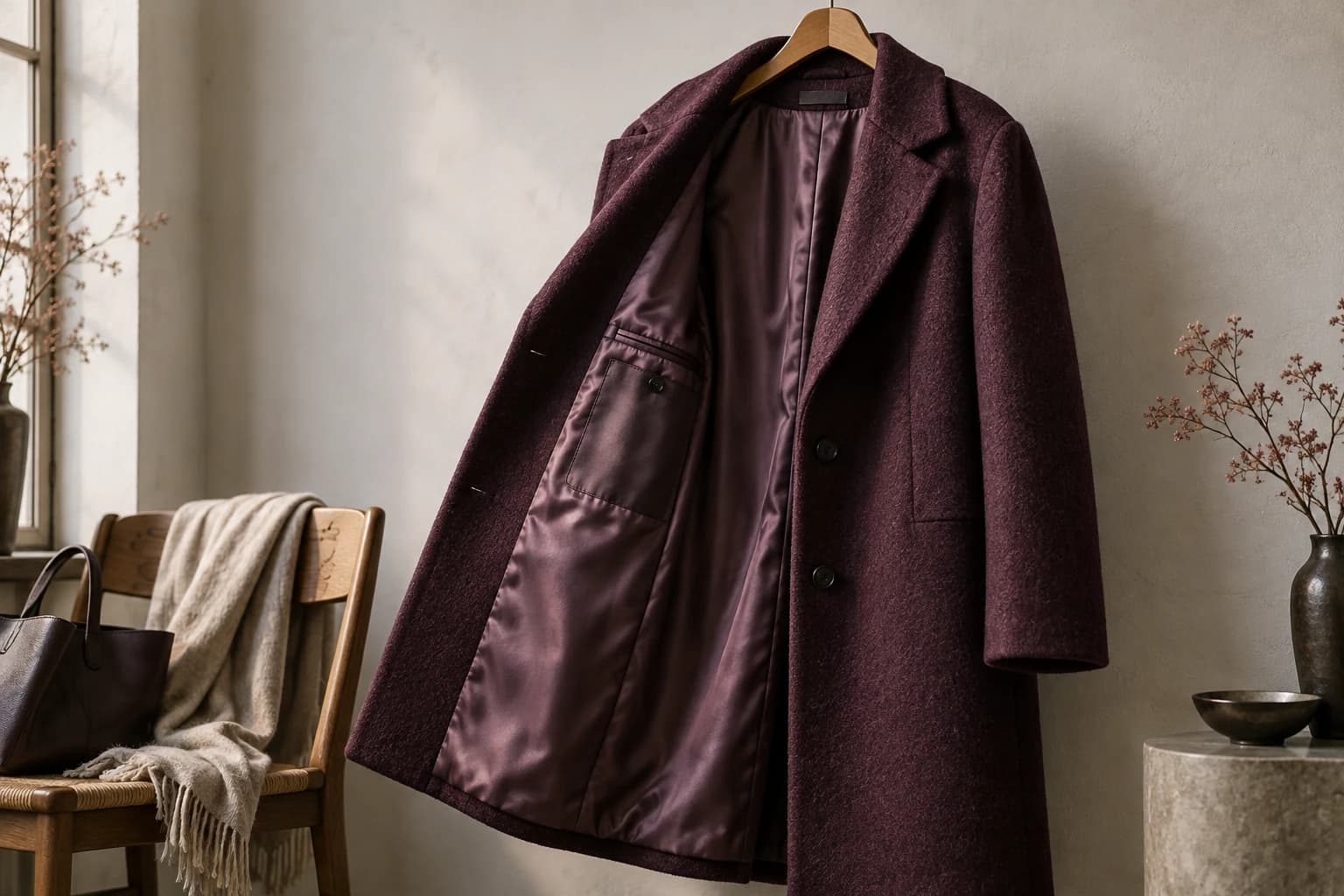
Edit against the actual page
Read the description beside the selected color and image gallery. Check that every statement matches the variant. Remove contradictions, duplicated details, and claims nobody can substantiate. Ask customer support which questions are still likely to arrive, and use that feedback to improve the page.
- Can the opening distinguish this item from similar products?
- Are material, construction, and care facts verified?
- Is sizing language clear about what it describes?
- Are performance and environmental claims supported appropriately?
- Do the text and images agree about the product for sale?
Keep a structured fact record behind the prose so future edits do not lose essential information. AI can help organize or draft wording, but someone with access to the product facts should review it. The finished description should feel like a knowledgeable explanation: specific enough to be useful, concise enough to read, and honest about what the item is.